
The Argentine capital is a hive of activity, Latin flare, colonial architecture, intense nightlife and passionate gastronomy. Every neighborhood has its own story to tell, the flavors of Argentina emanate from bakery’s, steakhouse, cafes and bars waiting to be discovered. Despite the short stay, Buenos Aires left a lasting impression and is a must visit destination when exploring South America. Here is just a taster of the sites to explore:
- Orientation
Familiarizing yourself with a new city is all part of the fun of travelling and Buenos Aires was no different. Basing ourselves in the heart of Palermo we were within walking distance (1hr) of places like Botanical Gardens, Obelisco, Plaza de Mayo and Recoleta neighborhood. The city is connected in a grid like system similar to Manhattan with the roads distinguishable by destination place names like Costa Rica, Paraguay, Honduras. This makes navigation easy to follow with the road signs as checkpoints on your way to a particular location.
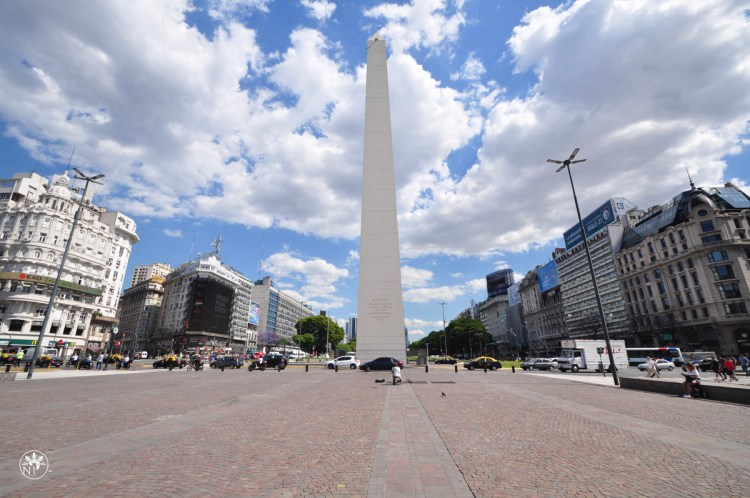
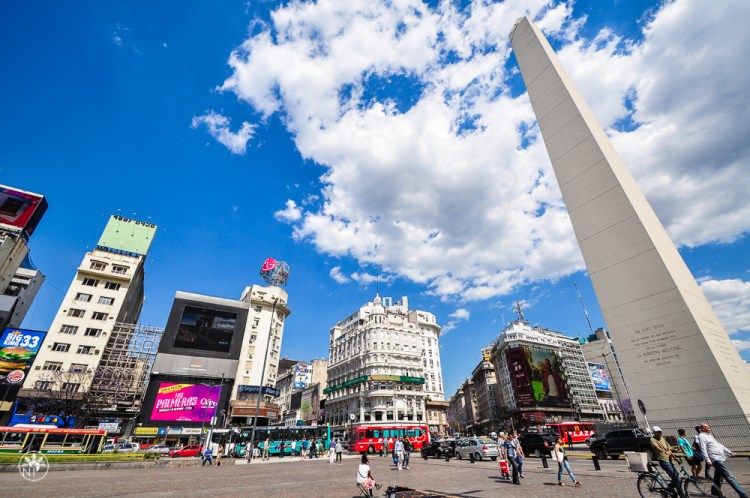
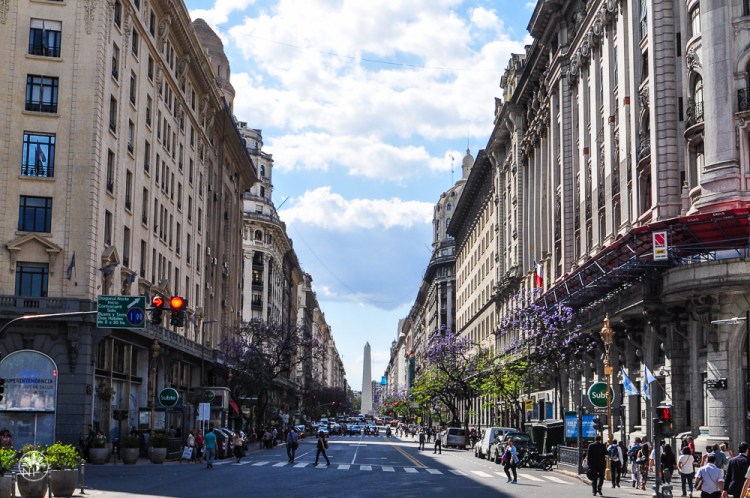
Trekking east down Ave Cordoba will lead you to Ave 9 De Julio where you will see Obelisco and further on Diagonal Norte leading direct to Plaza De Mayo. Heading North on Av Raul Scalabrini Ortiz you will come to a large intersection Ave Sta Fe when you can go west towards the Botanical Gardens or East eventually leading towards Ave 9 De Julio. No matter what direction you take its likely to be an adventure and its on these journeys you discover that restaurant or bar for a memorable lunch stop.
If a self guided walking tour doesn’t appeal, a hop on hop off bus tour is a great way to explore the cities sites and neighborhoods. The yellow buses hovering around the city are the official Buenos Aires tourist bus to take.
The Tourist Bus will take you to tour the most emblematic neighborhoods of the city of Buenos Aires. Its route begins in the picturesque neighborhood of Recoleta and has 22 stops. With panoramic views, you can appreciate historical places, cultural spaces and unique neighborhoods full of Argentine culture.
The buses run every 15 minutes and the ride within the city lasts 3 hours 20 minutes, providing a Hop On/Hop Off service so you can get on and off the Bus as many times as you want. Enjoy informative audio commentary and learn about Buenos Aires, its Plaza de Mayo, La Boca, Caminito, Puerto Madero, Teatro Colón, and Floralis Genérica. Visit La Bombonera (the home of the famous Boca Juniors football club) and many more attractions of this beautiful city.


- Plaza De Mayo
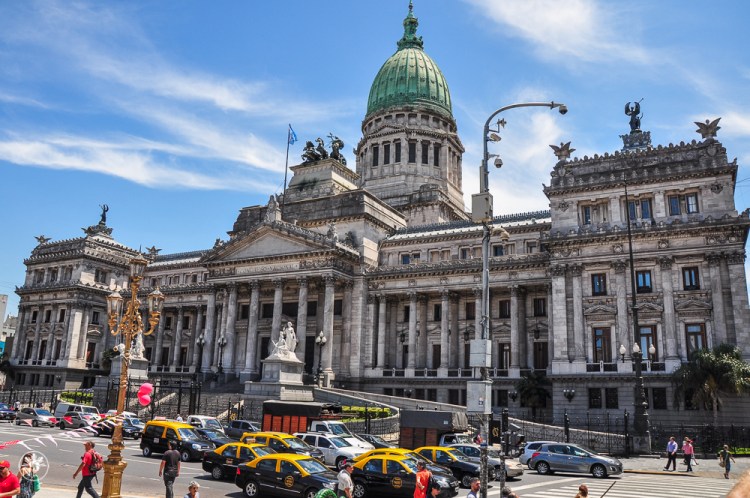
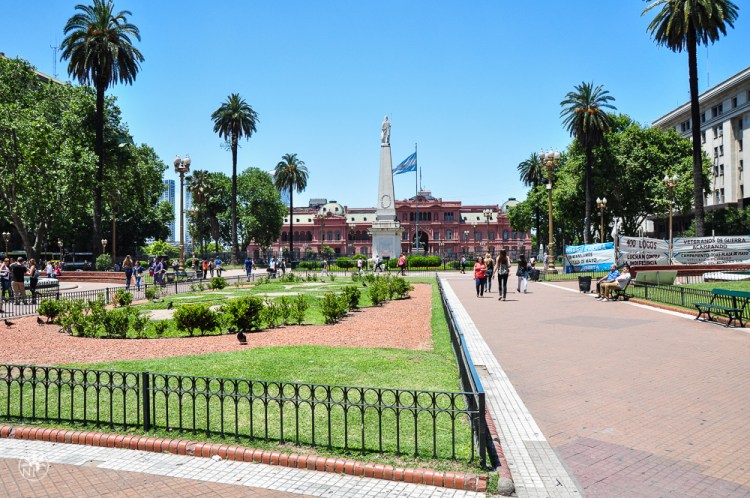
Plaza de Mayo is located between downtown Buenos Aires and San Telmo, and can be reached on foot from many of the central sights. The closest subway (subte) stations are Plaza de Mayo (Line A), Bolivar (Line E), and Catedral (Line D), and numerous bus lines stop around the square. Most Buenos Aires sightseeing tours include a stop at Plaza de Mayo, including walking, bike, and bus tours. From the plaza, it’s an easy walk south to the markets and tango venues of San Telmo, east to the parks and bars of Puerto Madero, or north along the main shopping street, Florida Avenue.
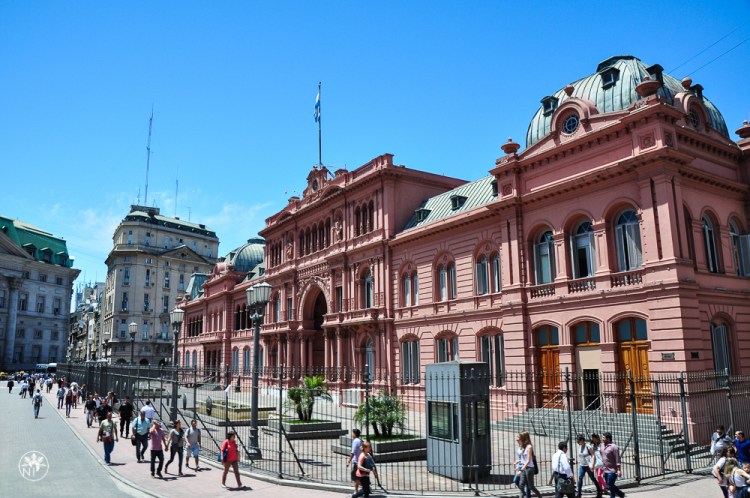
The best way to explore Plaza de Mayo is on foot, strolling around the leafy central plaza and stopping to admire the grand 19th-century buildings. Though the most popular photo stops are the Casa Rosada and Metropolitan Cathedral, there are other notable buildings, such as the imposing Banco de la Nación (National Bank) and the Cabildo (Old City Hall).Named for the May 1810 revolution, the square’s centerpiece is the Pirámide de Mayo, an obelisk commemorating Argentina’s independence.
- La Boca
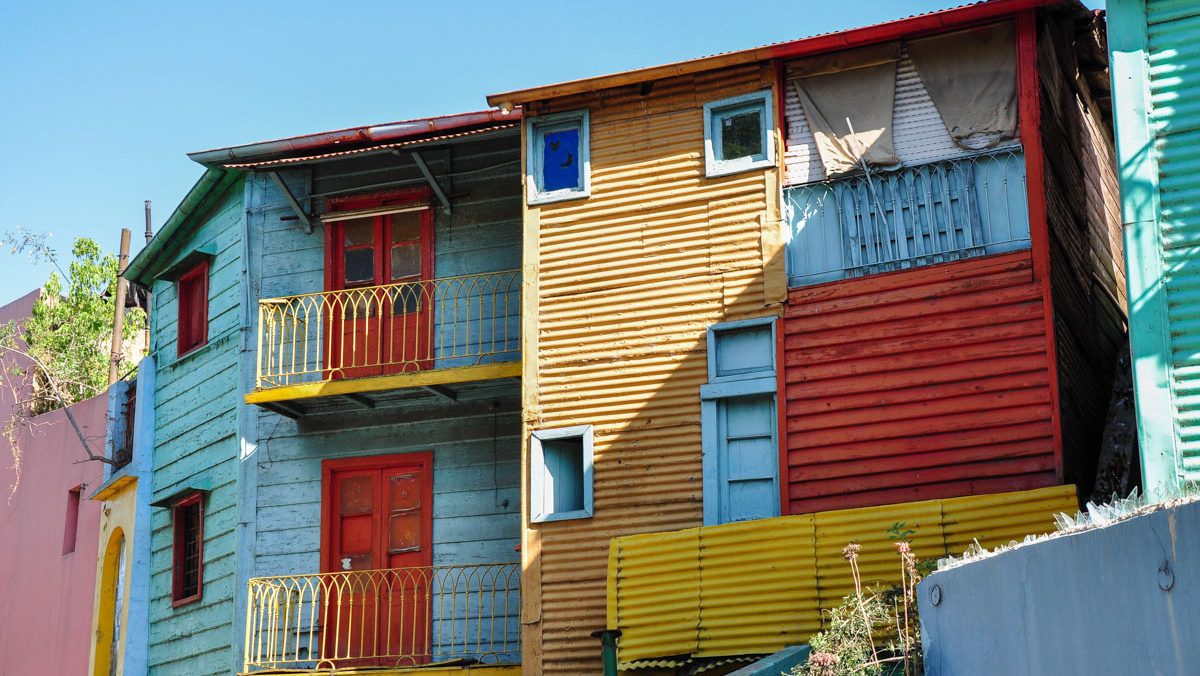
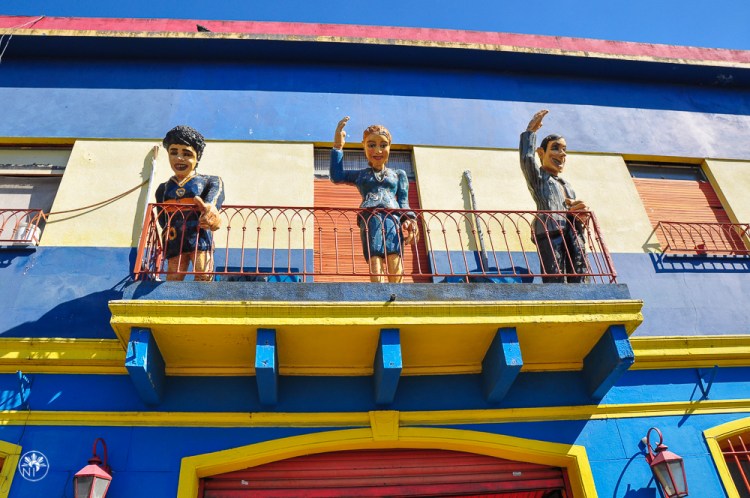
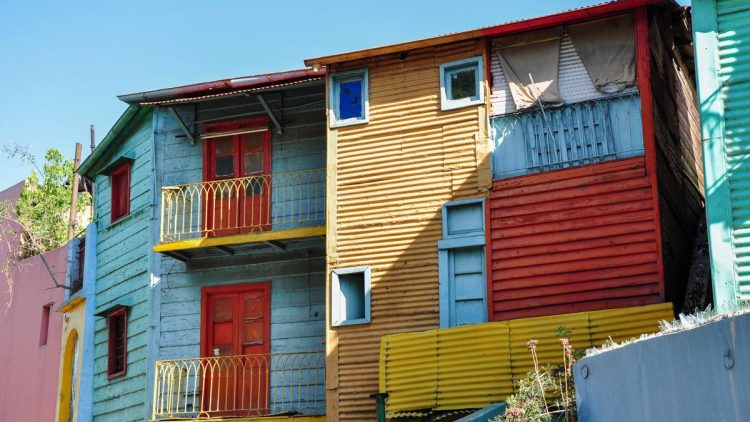
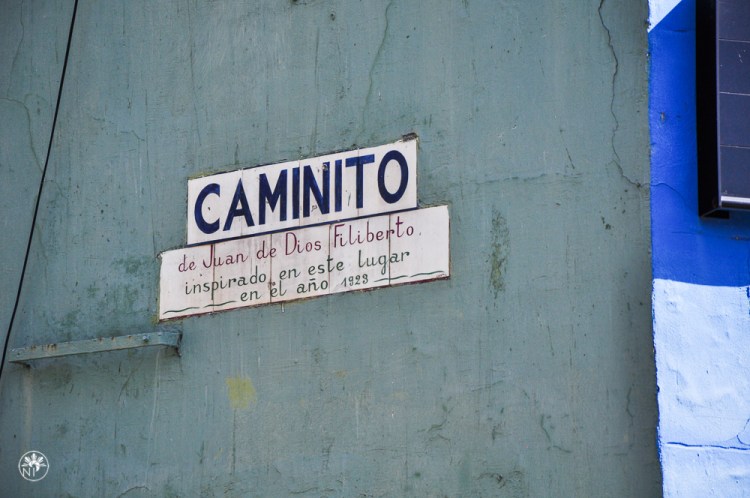
Few places in Buenos Aires are photographed as frequently as Caminito Street. The main artery of the waterfront La Boca neighborhood is a jumble of old buildings, brightly painted facades, and street-side market stalls, with hawkers, buskers, and tango dancers adding to the atmosphere.
Most Buenos Aires city tours stop at Caminito Street, and the buildings make a colorful backdrop for travel photos; look out for statues of Argentine political figures like Eva Perón and Che Guevara, and football hero Diego Maradona peeking out from doorways and balconies. Visitors can browse the street market, where stalls sell souvenirs and handicrafts; drink a yerba mate (tea) at one of the terrace cafés; or watch the street tango dancers.
Around the corner from Caminito street is La Bombonera the home of Boca Juniors one of Argentina’s most famous football club. Explore the streets and Murals of past great players that decorate the surrounding buildings.
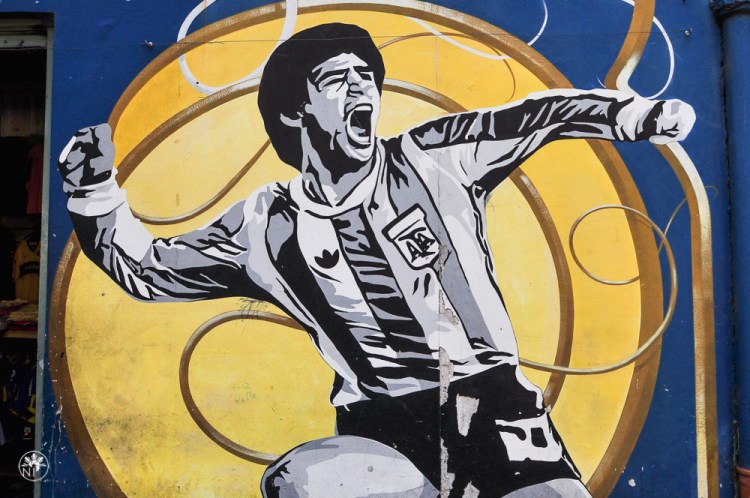
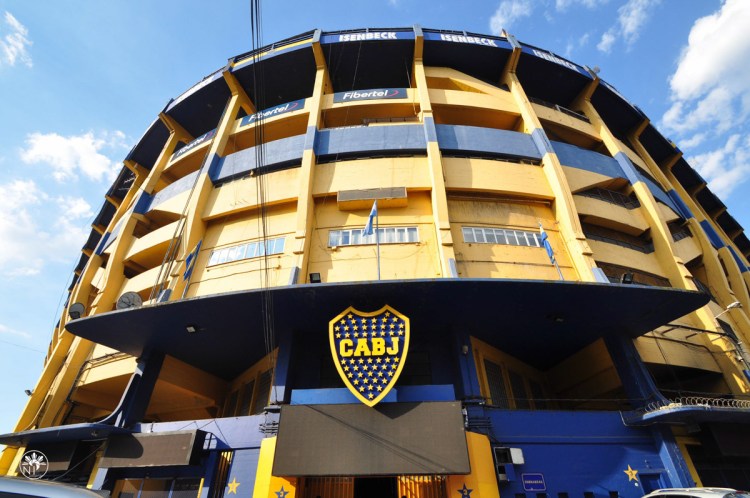
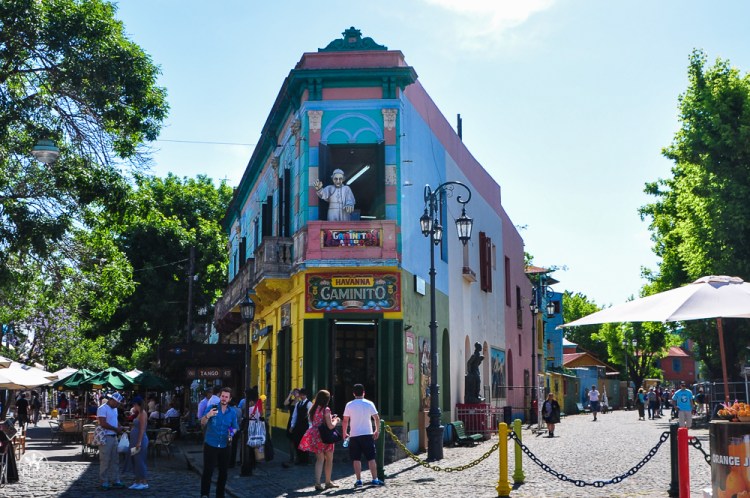

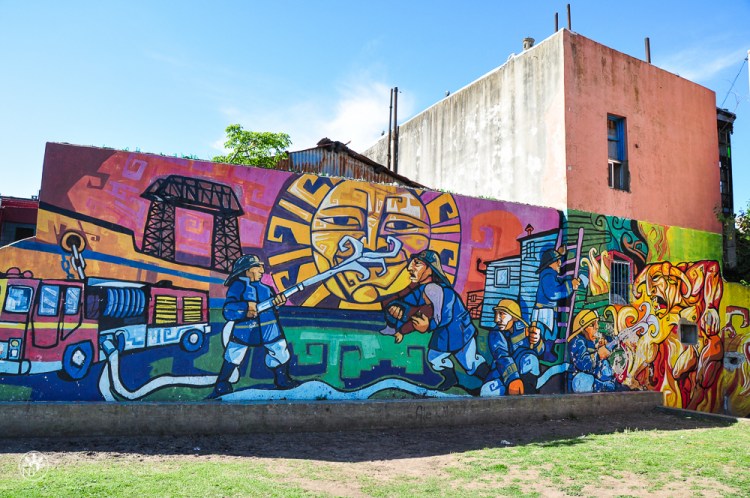
- Palermo
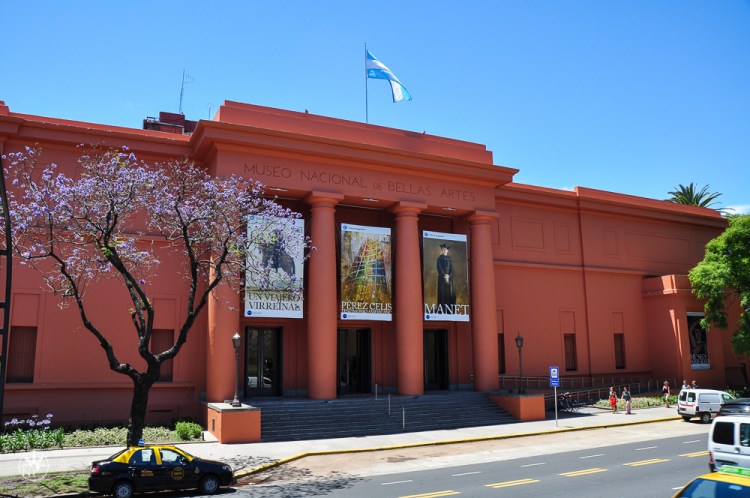
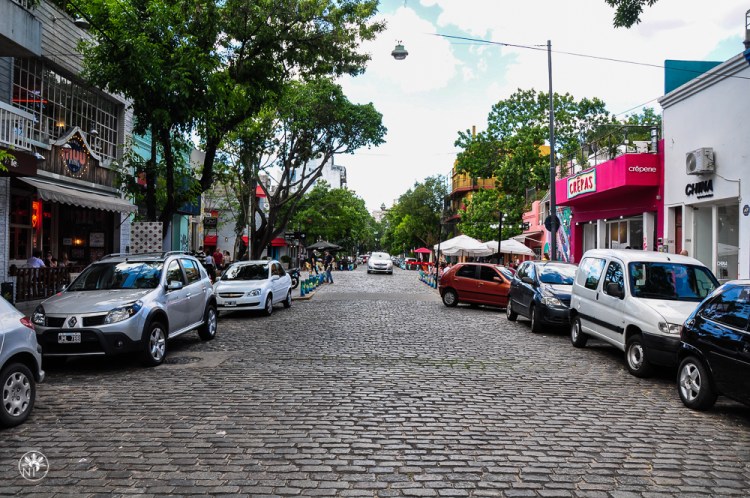
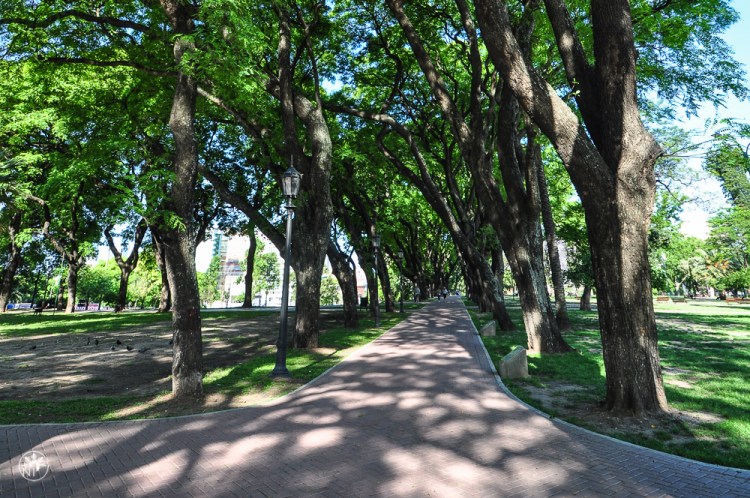
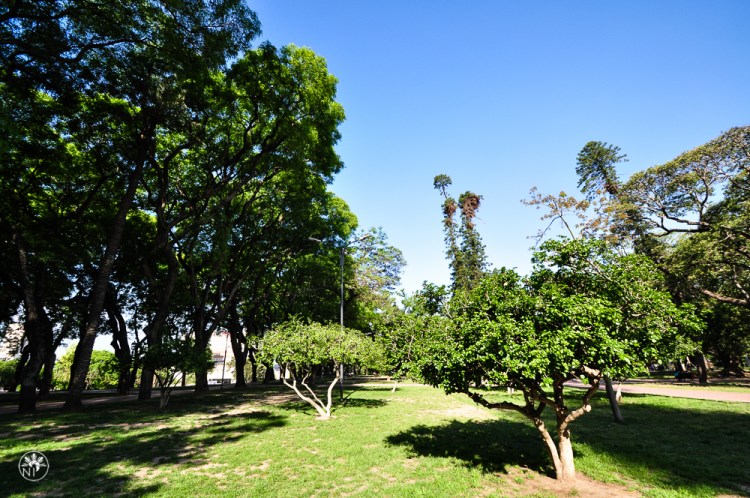
Palermo is the neighborhood we setup base camp during our visit to Buenos Aires. Conveniently placed within walking distance of parks, plaza’s, museums with connections to public transport it was the perfect place to start exploring Buenos Aires. Bike tours are a popular way to explore, and the most scenic route takes you through the Palermo Woods, passing the Botanical Gardens, the Japanese Garden, the planetarium, and the Floralis Genérica sculpture Buenos Aires’ largest barrio, the northeastern district of Palermo is one of the city’s most affluent and fashionable neighborhoods. Known for its beautiful parks, grand monuments, and art museums, Palermo is whereporteños (locals) come to eat, shop, and party, with a buzzing nightlife and some of the city’s top restaurants, bars, and cafés.

- Dine and Drink
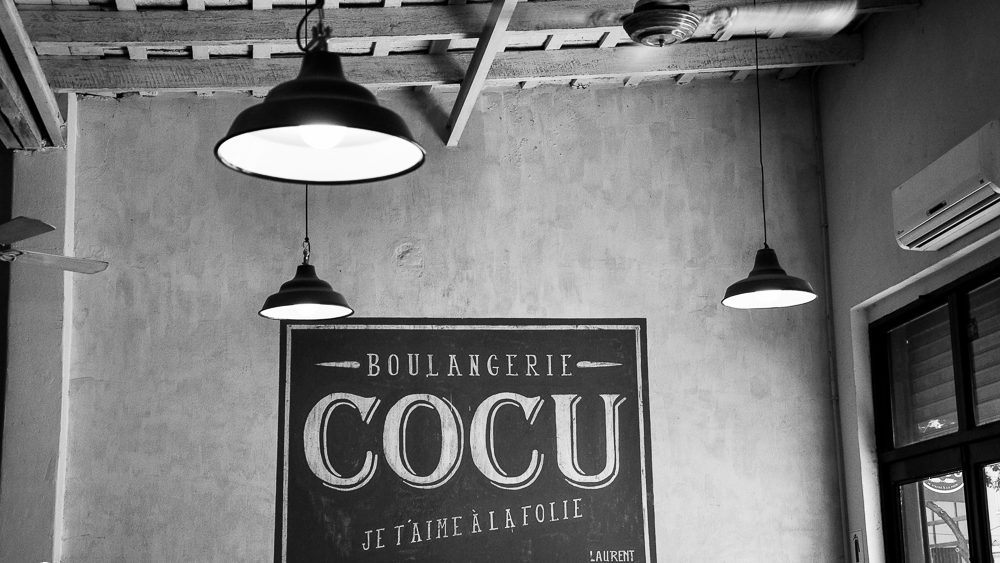
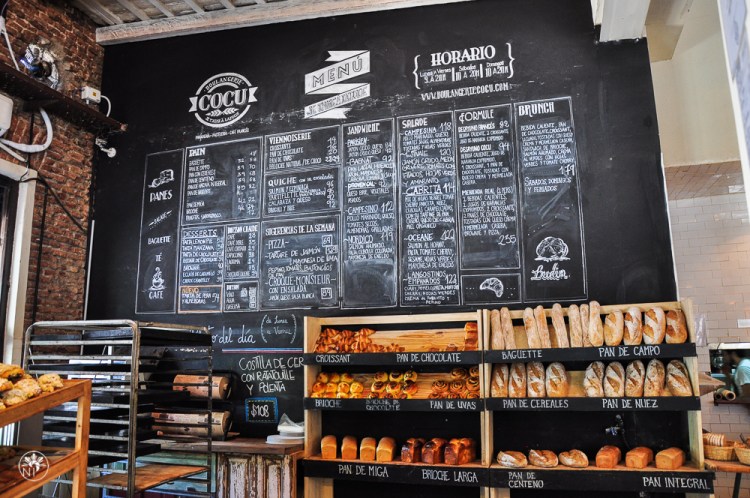
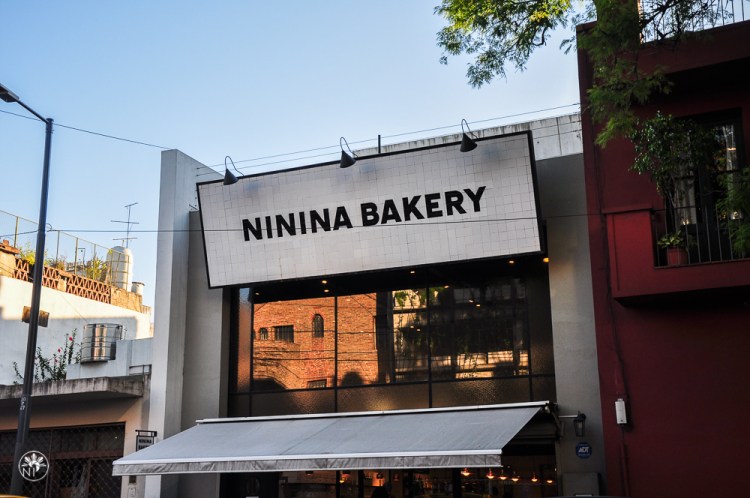
Eating and drinking your way through a new country or city is one of the most enjoyable experiences to indulge in and Buenos Aires is no different. As mentioned earlier the neighborhood of Palermo is a great place to start. The apartment was opposite a French restaurant/cafe – Cocu serving fresh croissants, cooked breakfast, sandwiches and array of sweet pastries, the perfect way to kick off your morning. Just around the corner was another breakfast place Ninina serving croissants, sandwiches, avocado toast and every possible variation of the humble egg. Away from Breakfast we stumbled across Israeli, Armenian, South East Asian and other niche cuisines to cater for every pallet. Even the common Beef Burger is elevated at places like Burger Joint or The Burger Company and no visit would be complete without cooling off with tasty gelato at Lucciano’s or Alchemy.
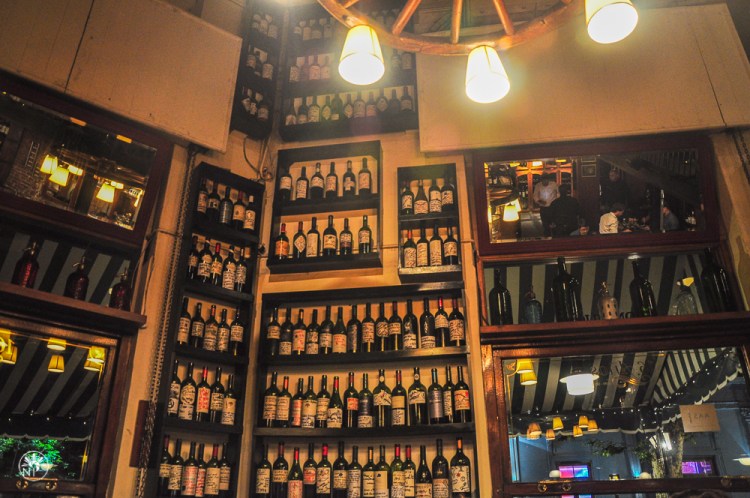
No trip to Buenos Aires would be complete without feasting on Argentina’s famous beef accompanied by the finest Malbec. In the Palermo district the one that stood out the most was Don Julio. Every night we past the restaurant it was full, guests spilled out into the street in anticipation for the gastronomic feast that lay ahead. Once inside the atmosphere was perfumed with the aroma of flamed meat, wine bottles lined the walls the message of previous diners.
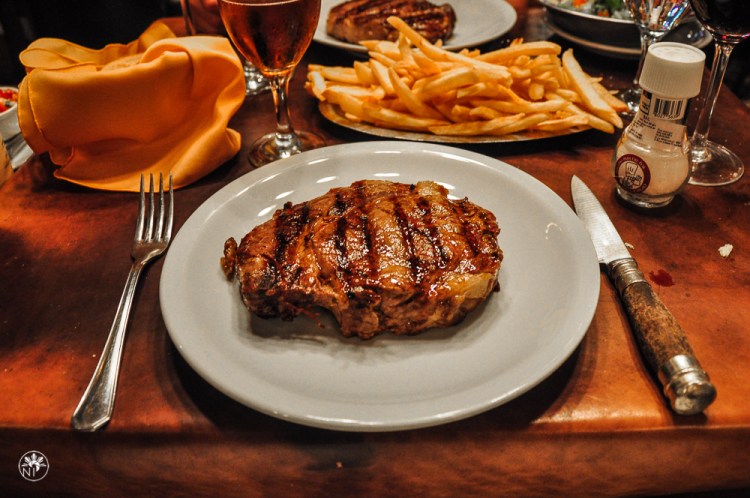
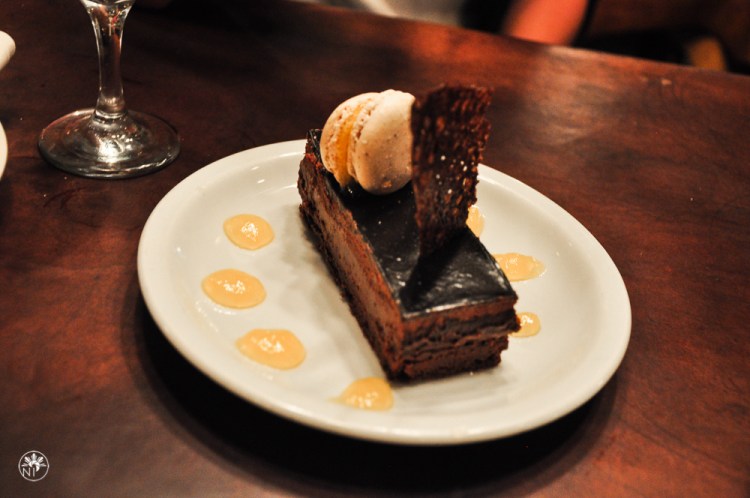
We ordered empanadas and a selection of house charcuterie followed by the perfect flamed grilled rib eye steak accompanied with fries and chimichurri. The waiter recommended the perfect Malbec to pair and compliment the flavorful meat and their was even room to squeeze in a chocolate dessert. Quality ingredients prepared with precision, cooked with passion and to perfection made Don Julio one of the most memorable dining experiences in the world. The restaurant also features in the 50 Worlds Best Restaurants.
San Telmo is also one of the best places in town for dinner and a tango show. For something more casual, stop at one of the cafes surrounding Plaza Dorrego to take in the sights and sounds, including a possible impromptu tango performance right on the street. To indulge on a tasty burger go to the Market Burger or feast at one of the many steakhouses such as The New Brighton, Sagardi Argentina or Parilla La Brigada for that authentic grill experiences and latin atmosphere.
Take a day away from site seeing to eat and drink your way around theses neighborhood stumbling across gem after gem was one of highlights of the Buenos Aires.


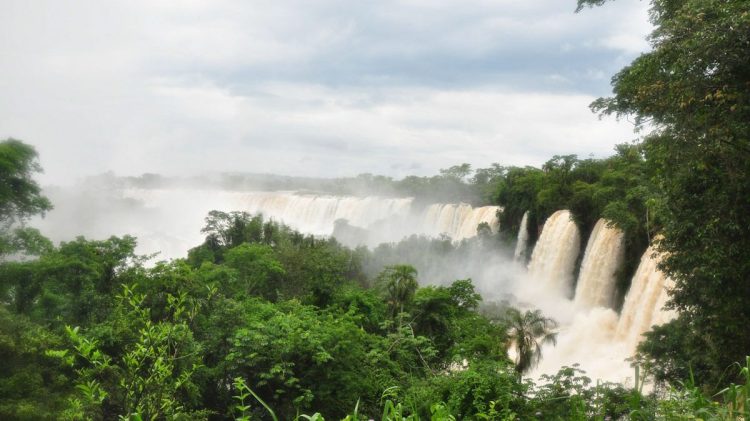
- Iguazu Falls
Travelling to Buenos Aires is an epic experience in itself but it would be a shame to go all this way without visiting one of South America’s most amazing natural wonders. Planned into the itinerary was a three day trip to Puerto Iguazu.
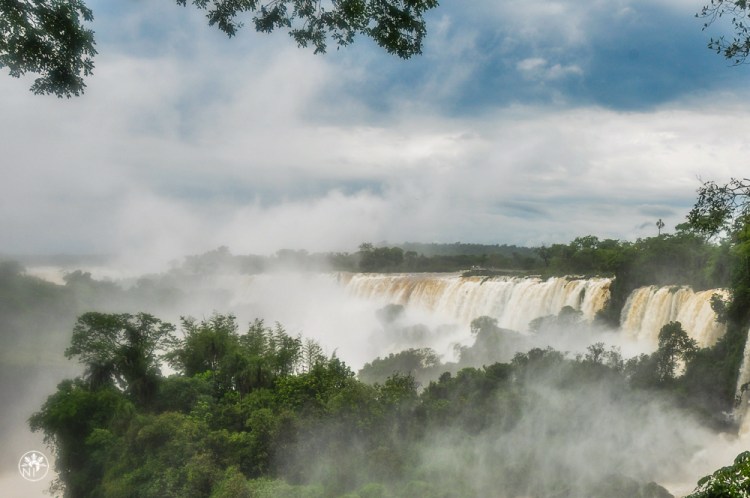
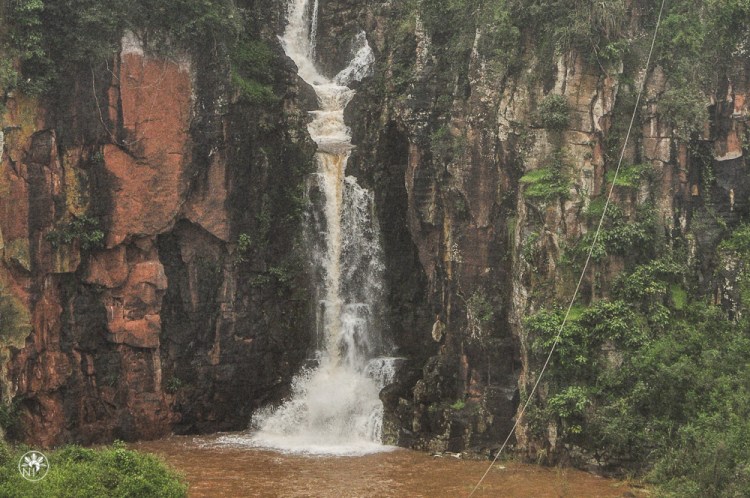
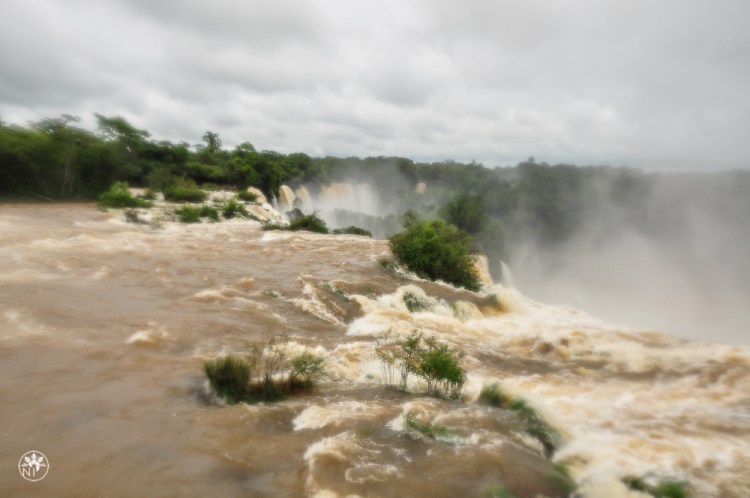
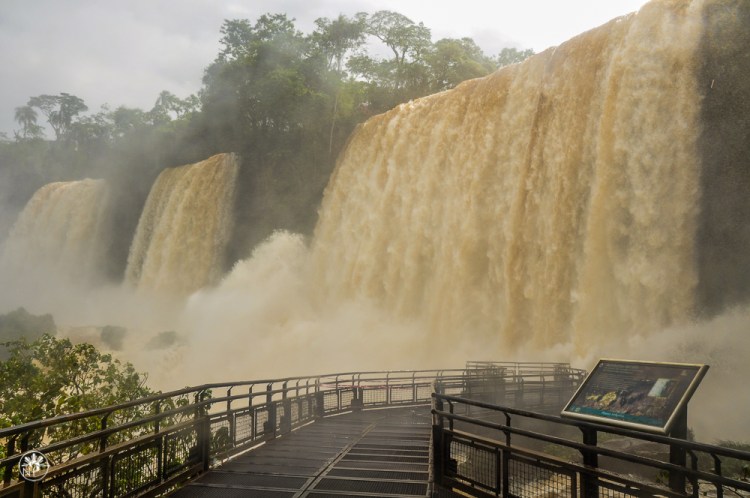
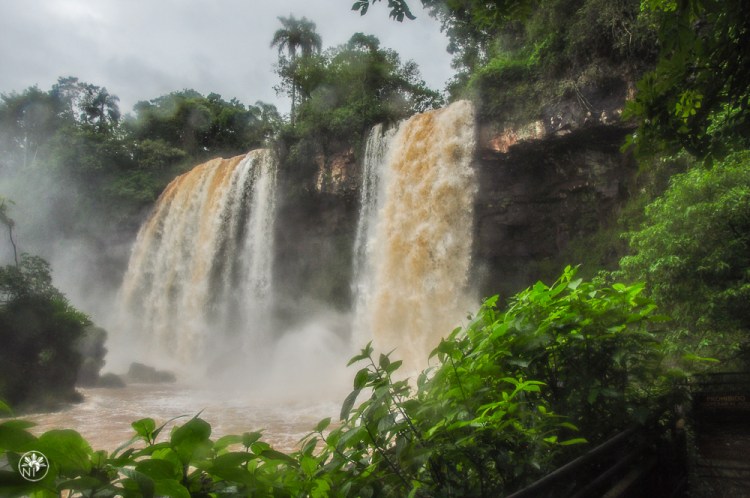
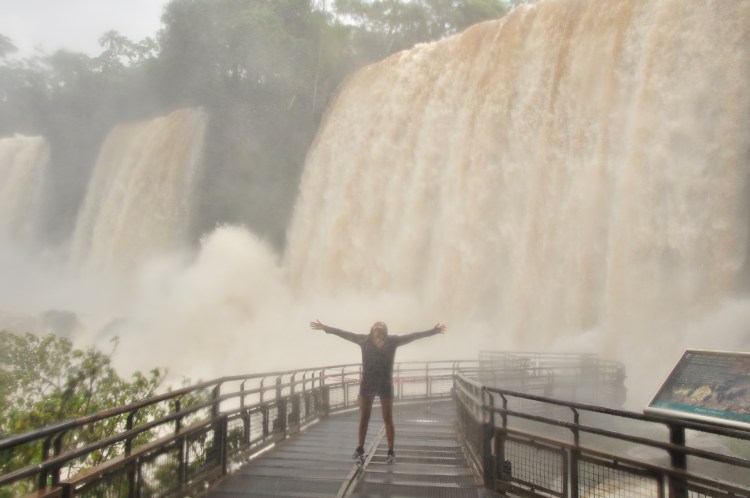
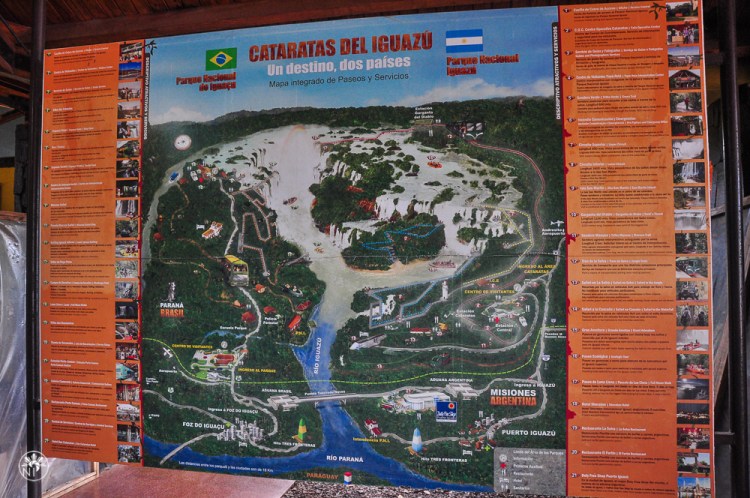
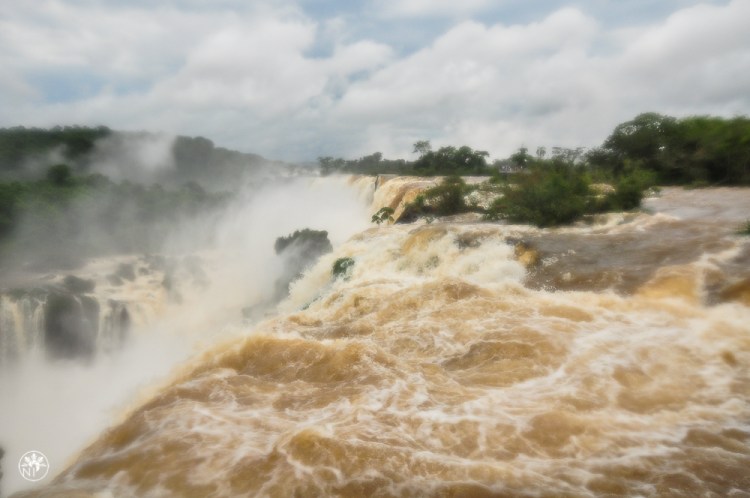
One of the planet’s most awe-inspiring sights, the Iguazú Falls are simply astounding. A visit is a jaw-dropping, visceral experience, and the power and noise of the cascades – a chain of hundreds of waterfalls nearly 1.85 miles (3km) in extension – live forever in the memory. The falls lie split between Brazil, Argentina in a large expanse of national park, much of it rainforest teeming with unique flora and fauna. Although Paraguay is nearby, it only shares the river that Iguazu Falls feeds, but it is quite far from the falls and cannot even be seen from there.
Getting Their
The city in Argentina where the Iguazu Falls are located is called Puerto Iguazu, Iguazu Falls on the Argentine side are located 18km from Puerto Iguazu. Puerto Iguazu is located at approximately 1:50 hours by plane from Buenos Aires.
If you want to visit Iguazu from destinations in Argentina such as Buenos Aires, Cordoba, Salta or other, you should look for flights arriving in Puerto Iguazu (airport code IGR)
Hotel
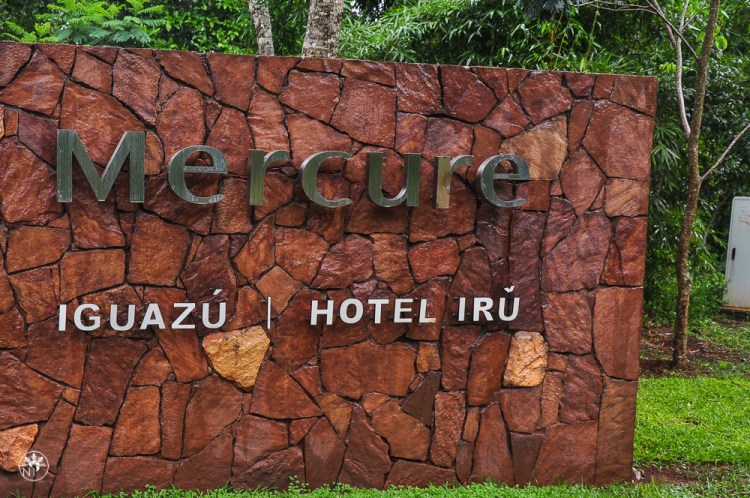
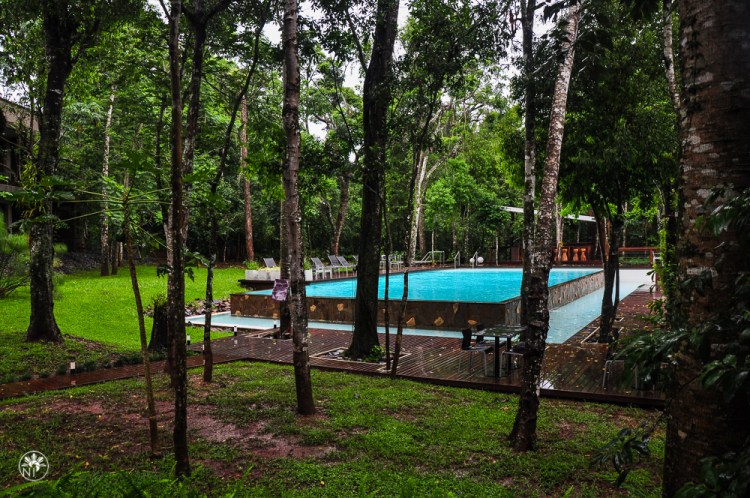
Their are plenty of accommodation options in the city of Puerto Iguazu ranging from hostels, 3-4* hotels and luxury properties located within the vicinity of the falls. We opted for the Mercure Iguazu, which worked out at $130 USD per night. Luxury and some much needed air conditioning amongst the humidity and rain of the jungle were a great relief. The hotel is located a 20 min taxi ride from the entrance to the falls, front desk have taxi’s waiting or can easily be requested to drive you the falls, into town or the airport.
Iguazu Falls National Park
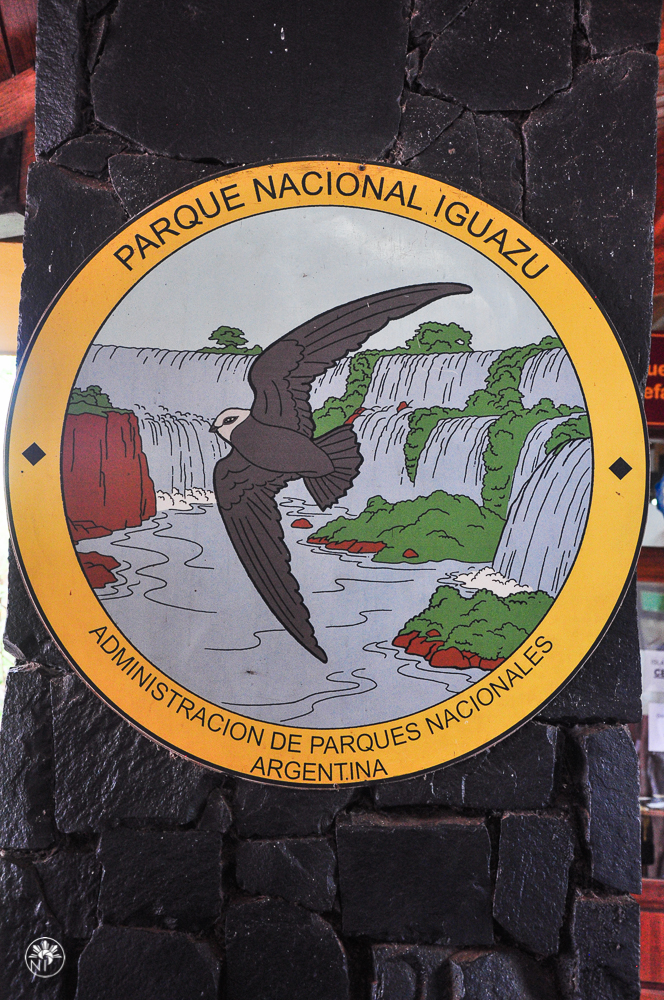
The Iguazu Falls National Park on the Argentine side opens from 8am to 18hs (6:00 p.m.).
Tickets are:
Adults: $39 USD approx
Children (6 to 16): $19 USD approx
Toddlers (Below 6): Free
The entrance to the Argentine park includes access to the park and visit of all the circuits and the use of the Ecological Train of the Forest at no extra cost.
The Iguazu National Park on the Argentine side has 6 different circuits to do.
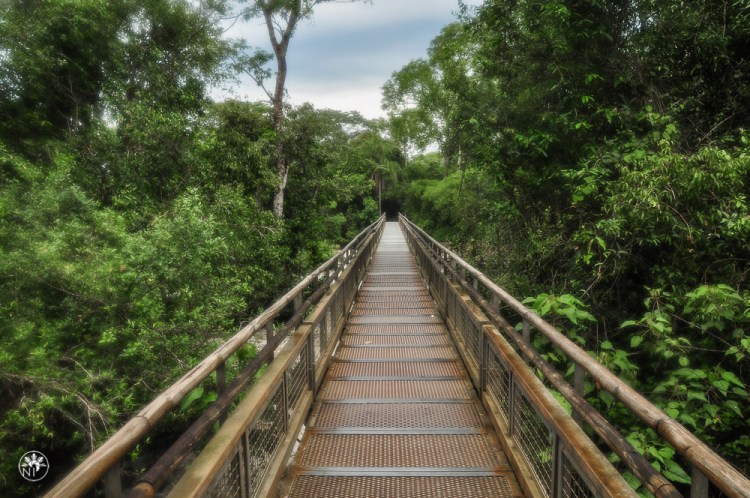
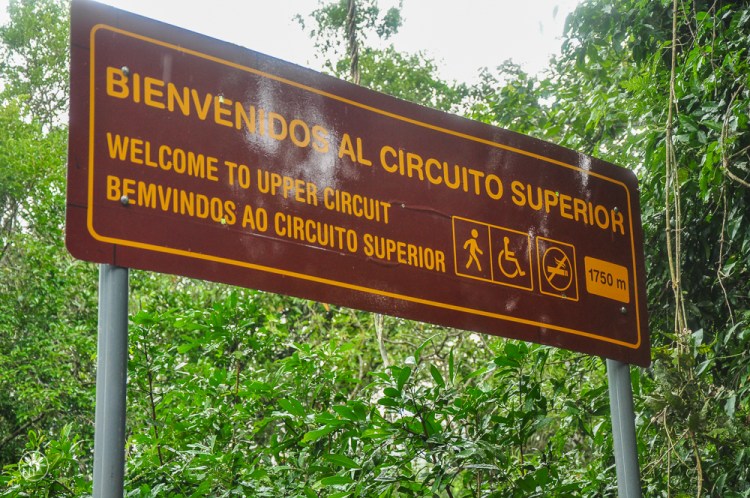
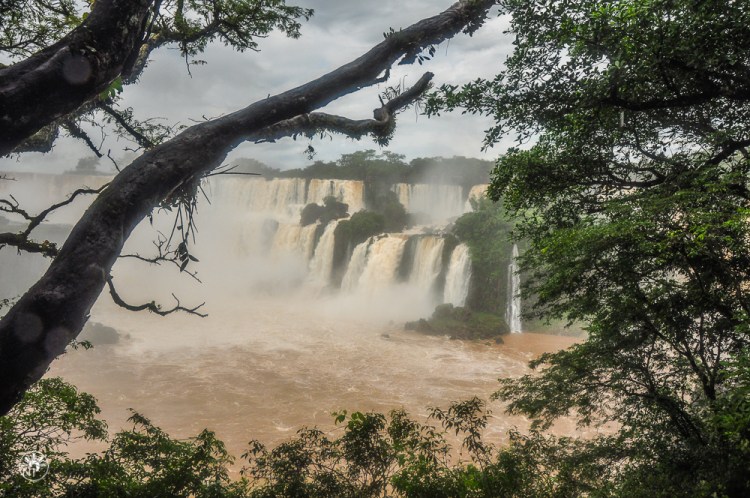
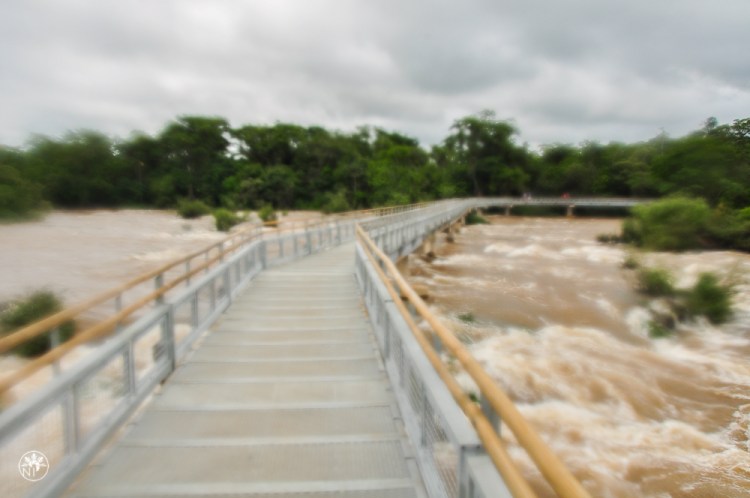
Superior Circuit – This circuit allows you to have a panoramic view of Iguazu Falls from the upper walkways (does not include the Devil’s Throat). From here you can also see a bit of the lower circuit. Through approximately 1.75 kilometers, you will have a view from above of the Dos Hermanas, Chico, Ramirez, Bosetti, Adan and Eva, Mendez, and finally Mbiguá waterfalls. Arriving at the end, you will have an impressive panoramic view of both the Argentine and Brazilian national park, being able to see, for example, the Meliá Iguazu Hotel or the Hotel Belmond Das Cataratas, San Martin Island, the lower circuit and more. At the end of the road, you will return to the Cataratas train station, which allows you to go to the devil’s throat or the visitor center.
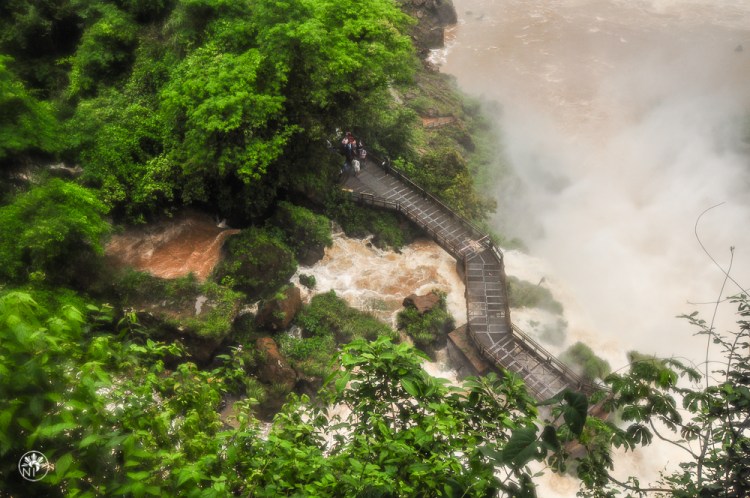
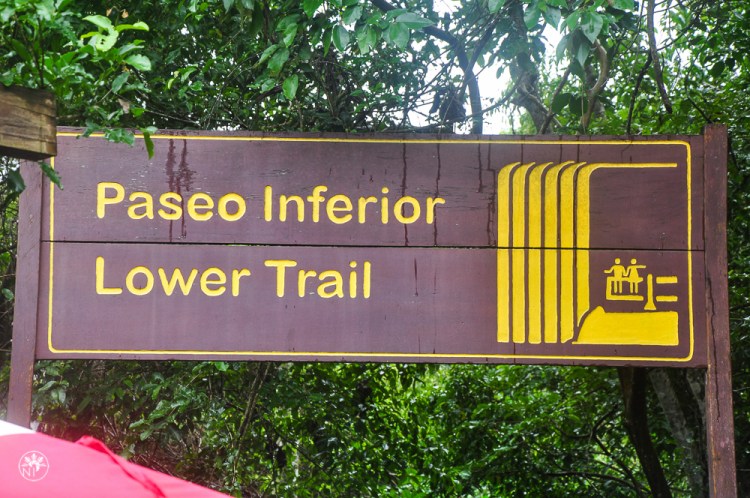
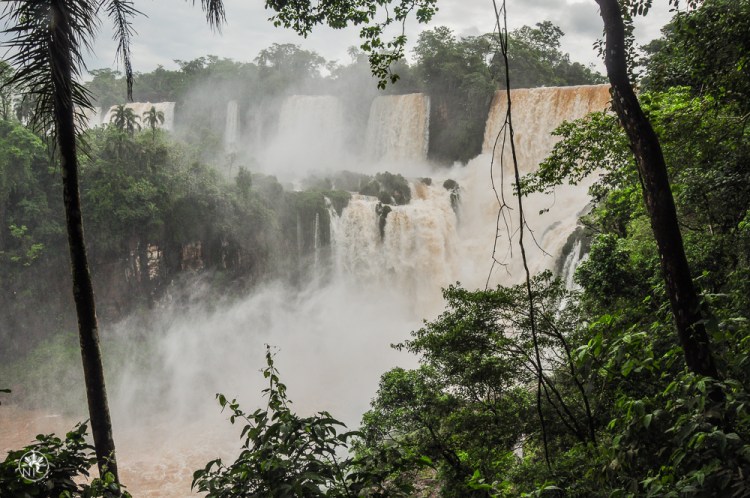
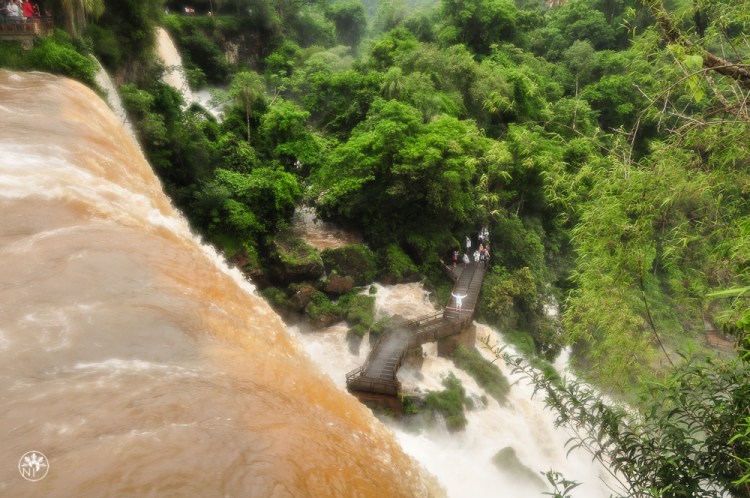
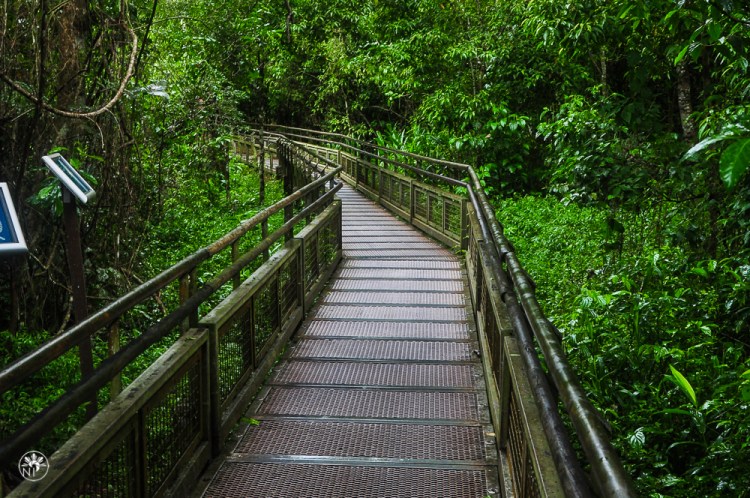
Lower Circuit – This circuit allows you to enter the jungle through various stairs and walkways, where you will see flora and fauna characteristic of the area. As you move forward you will see a beautiful panoramic view of the falls. At the same time as you visit this place, in the distance you will be able to see little by little the Devil’s Throat, along with San Martin Island and Bossetti Falls.
Devil’s Throat – The Devil’s Throat is one of the main attractions of Iguazu Falls. The Devil’s Throat allows you to be meters away from the most impressive fall and see it from above. Below you will have all the mist generated by this and the sound that catch your attention during the circuit as you get here. It is undoubtedly the highlight of this park. To get to the devil’s throat, it is necessary to take the Ecological Train of the Jungle, which takes all its visitors through the park. It is available all day and has a frequency of approximately 1 every 15 minutes.
If you want, you can also walk near the road to the Garganta Station, but keep in mind that it is a long route (approximately 2000 meters). At the Garganta Station you can take the path that takes you directly to the Devil’s Throat. From here you can take the “Ecological Ride” tour if you want. This path is approximately 2,200 meters and has several stops with seats in the middle to rest (even in some trees you can see native birds such as toucans).
Macuco Trail – The Macuco trail is a path of approximately 7.7 kilometers (round trip) that allows you to get to know a place with no human intervention. The trail has no construction or anything similar, just a clear path for visitors to walk on. Thanks to this, you can see a variety of fauna and flora that you will not see anywhere else in the national park.
Rainforest Ecological Train – This train was designed to transport people throughout the park and, at the same time, maintain the integrity of the jungle and not damage it on the road. This train has three stations: one is in the visitor center, the other is in the middle of the park, near the lighthouse, and finally the last station is approximately 2000 meters from the devil’s throat. The train has a frequency of approximately 15 to 20 minutes depending on the flow of people in the place.
Green Trail – This trail is a small 600-meter flat, stairless path that connects the visitor center to the Cataratas train station. It is a pleasant path, where you can appreciate the nature of the place and even some animals such as birds or coatis.



Final Thoughts
Start Early - The park opens at 8 am and it will be packed with tourists. Staying at the hotel the night before was essential for resting up to maximize the day in full without feeling rushed.
Hotel - While a falls view hotel maybe a stretch for some budgets, a 4* hotel close to the falls was worth paying the little extra for. Air conditioned rooms, refreshing shower, swimming pool, meals, poolside cocktails and even a jacuzzi helped ease the muscles after a long day navigating the falls trails.
Equipment - Walking Boots/ Trainers – You will be walking several kilometers trekking down each of the trails so bring comfortable durable walking boots, preferably waterproof. The trails are relatively safe with few gradients and bridges, but can get slippery due to prevailing weather and falls mist.
Backpack – Essential for carrying camera, spare clothes, water, snacks and ideally fitted with a rain-cover to protect your valuables inside.
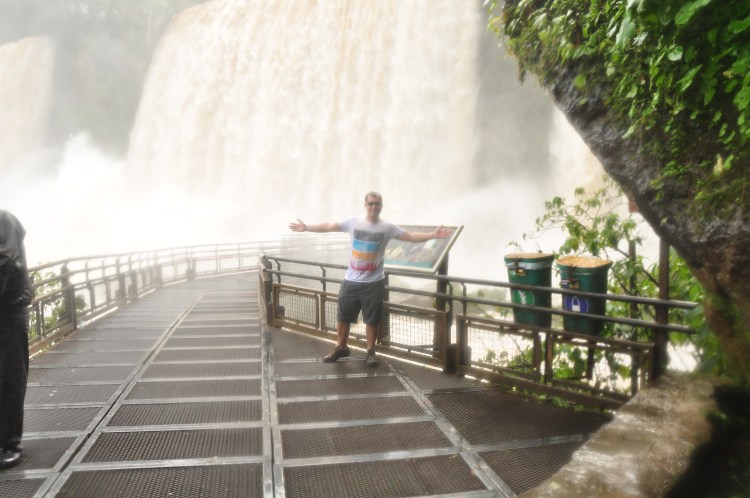
Clothing – Spare change of clothes like, t-shirts, socks, shorts and a plastic bag. Poncho or Rain coat are also recommended, however the shear volume of water spraying off from the falls and intermittent rain showers barely prevents you from staying dry. Simply getting wet is unavoidable but all part of the fun.
Camera – Obviously you want to capture these amazing moments that you will cherish forever. People using DSLR cameras should have the body out to acclimatize before they reach the falls to avoid the lens fogging up. Going from an airconditioned hotel into the vast humidity of the jungle falls will immediately cloud your lens, and its the last place to be changing lenses or trying to clean a sensor. Most cell phone cameras are weather proof to a degree and even a weather proof camera or go pro is a great way to capture the falls.
Drone – Unfortunately, it is not allowed to bring a drone to the national park. However, its recommend that you contact the administration of both parks to see if it is possible to obtain a special permit for this.
Tours and day trips – On this occasion we opted to spread the trip out over 3 days to avoid feeling rushed and to enjoy the park and its surroundings to the fullest. Guests can spend additional days in the area exploring the local town, revisiting the falls from the Brazil Side or flying over the falls in a helicopter for that added spectacle. Their is also an option to see the falls up close by boat as you sail along the Lower Iguazu River for an exhilarating 6 km, journeying toward the heart of the waterfalls area. For those short on time, Iguazu National Park is accessible within a day tour from places like Buenos Aires, that included airfare, transfer, guided tour.



- 10 Bucket list Cruises
 Having spent almost 4 years working onboard cruise ships andContinue reading “10 Bucket list Cruises”
 - 10 Cities to visit on a Stopover
 Family vacations can span countries and continents with intrigue onlyContinue reading “10 Cities to visit on a Stopover”
 - 10 European ports to explore independantly
 European cruise vacations are a popular choice amongst new andContinue reading “10 European ports to explore independantly”
 kaydencloud.com
i love your blog its good . please think about visiting mine
I will follow and give a like! My Blog is about Lake Garda in Italy Check it here http://www.lakegardatourist.com
LikeLiked by 1 person