Featured

11 Things to see and do in Vancouver

Since arriving in Canada in 2016 the excitement and desire to explore my new permanent surroundings was at the forefront of my mind. However, travelling to “rain-couver” in November would have the same outcome as the wet and windy conditions I left behind in the UK. I started planning for the summer and what was feasible in a 5 day stretch, here are my top 11 things to see and do in Vancouver.

  1. Hop on Hop off Bus

    Downtown Vancouver is a relatively small area to walk around with the streets easily navigable due to the grid layout deployed in the city similar to downtown Manhattan. Walking between such attractions such as Stanley Park, Canada Place, Granville island and Gastown can all be achieved under an hour from place to place. However, kids being kids they will probably not want to walk tremendous distances around the city. Taking the hop on – hop off will with give you a scenic orientation of the city and allow you to visit as many sites as possible with maximum efficiency. There are two routes that operate in the downtown covering all the city so it’s very easy to plan your day around the stops you want to visit.
Olympic Cauldron

Seawall Vancouver
  1. Stanley Park

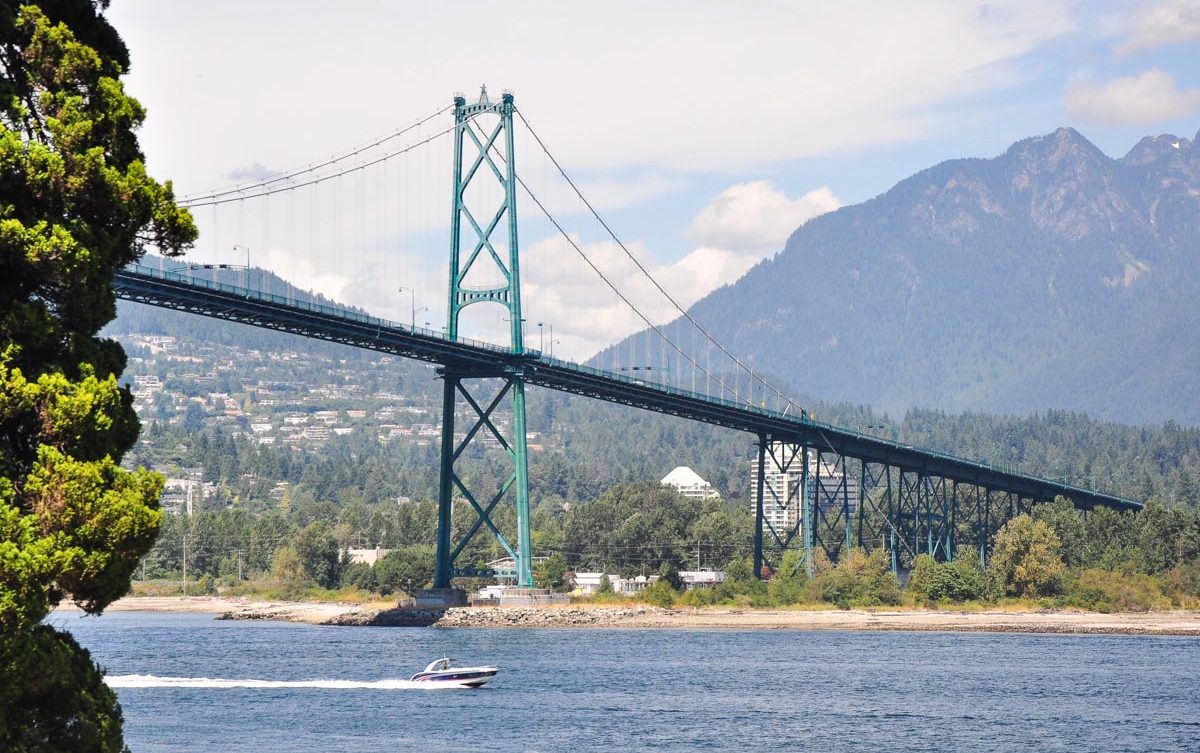
    Just outside the downtown area is a vast area of natural greenery and gardens, trails and wildlife known as Stanley Park. This tranquil park can provide an ideal getaway from the downtown hustle and bustle, enjoy a scenic walk around the park and discover highlights such as the Vancouver seawall, lions gate bridge, totem poles and English bay to name a few. Given the vast distances involved I would suggest utilizing the hop on hop off bus as it stops at various viewpoints around the park during the day.
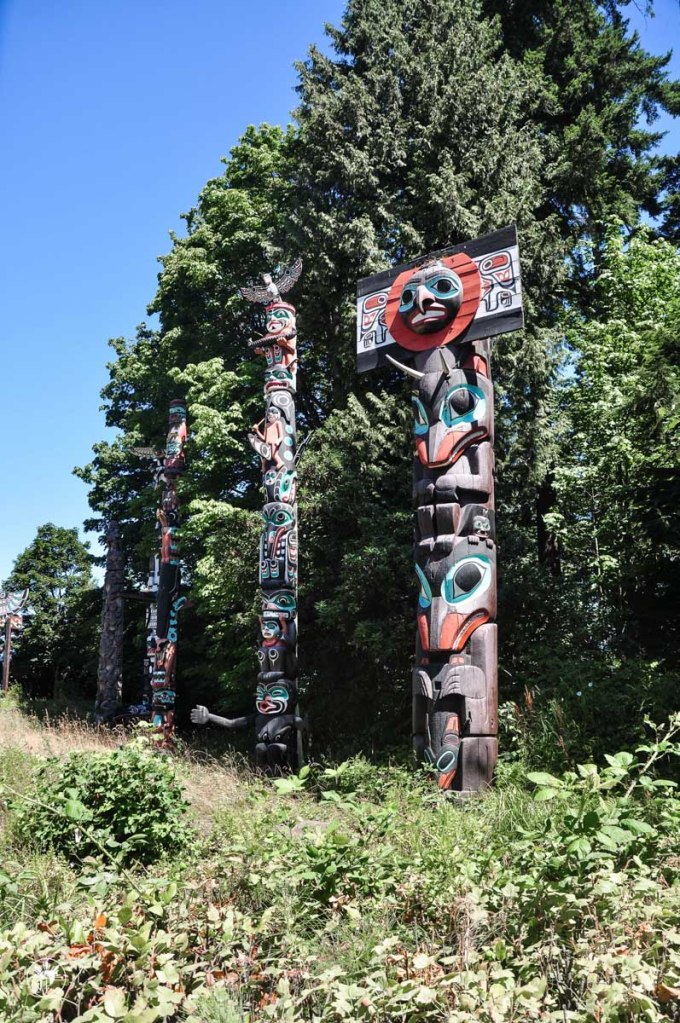
Totem Poles in Stanley Park
Skyride – Grouse Mountain
  1. Grouse Mountain

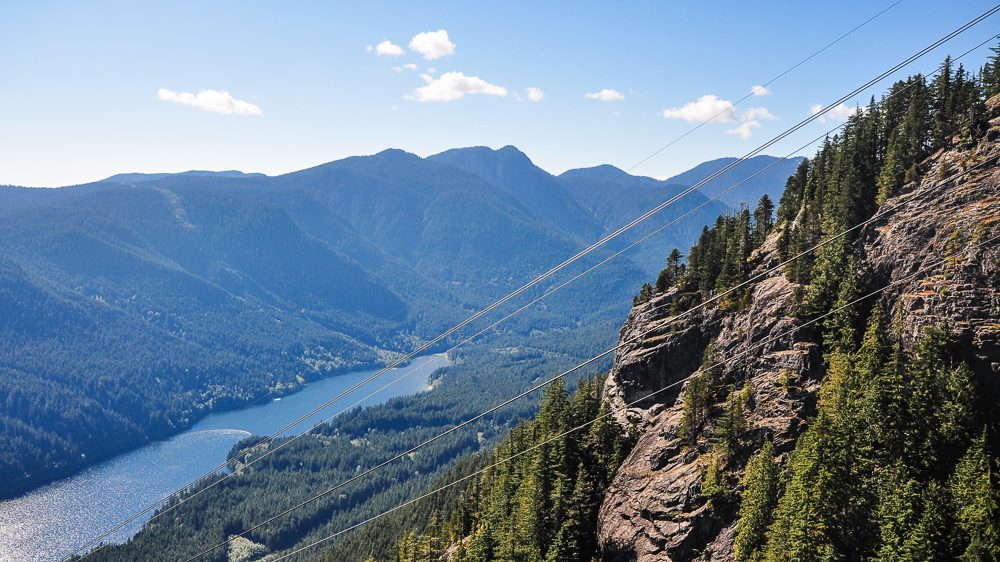
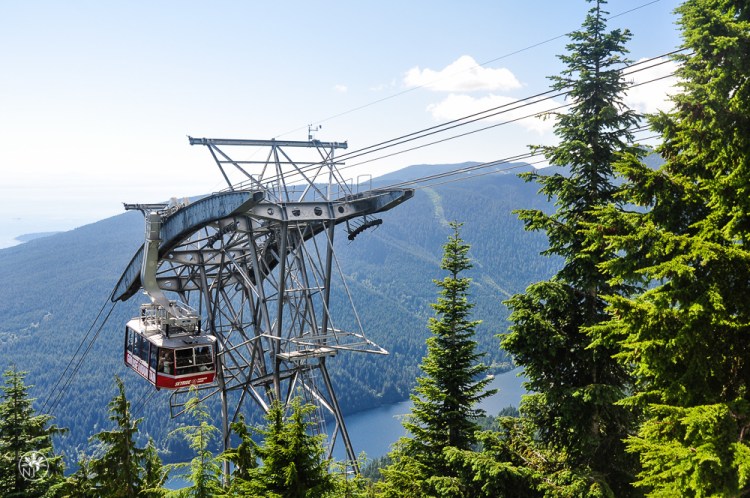
    Just North of downtown Vancouver you can enjoy panoramic views as you ascend on the Skyride aerial tram to the top of the mountain. When you arrive at the top you can take part in a wide variety of outdoor adventures, cultural activities and educational experiences. Animal lovers will even have the chance to see several bears in a habitable enclosure. If your feeling adventurous and fit you can test your metal and climb the “Grouse Grind”, this grueling trek is a 2.9 kilometer trail up the face of Grouse Mountain, commonly referred to as “Mother Nature’s Staircase.”

    Experience Grouse Mountain and the : Capilano Suspension Bridge

    If you are planning on trekking up the mountain I would suggest attempting, it in the morning where it will be less crowded and slightly cooler. In a day you can usually fit in the Capilano Suspension bridge early morning, then take the short drive to Grouse Mountain. Give yourself at least 2hrs with moderate fitness to reach the summit, grabbing a beer with lunch and enjoying the view will feel well earned after a strenuous trek.
Granville Island
  1. Granville Island

    In the heart of the city is Granville island, where you will find a huge indoor market selling local produce, artisan confectionary, handicrafts and unique gifts. Outside of the market are several restaurants and spaces to enjoy the views and take in the culture. Reachable by boat you can take a ride on one of the False Creek Ferries from various points along False Creek, the dock from the Aquatic Centre will take you right to Granville island. For a great view of the city take a walk along Granville Bridge from the island.

    Vancouver Walking Food Tour With Secret Food Tours
  1. Whale Watching

    A bucket list favorite on anyone’s list and one I happily ticked off in Vancouver, the small town of Steveston provides an excellent destination to view various species of whale and other marine life in the wild. Take a short trip from downtown Vancouver to Steveston where you will catch the boat and head out into the ocean in search of whales. Guided tours are narrated by professional naturalist as you sail through the magnificent scenery. Even in summer the weather can be cool out in the sea so dressing accordingly is strongly advised. For photographers capturing a breaching whale is a once in a lifetime shot, a camera with manual settings and a fast telephoto lens are essential. Return to Steveston after your trip for lunch at one of the many seafront restaurants and enjoy locally caught fresh seafood.

    Experience Orca in the Wild with : Whale Watching in Steveston
  1. Vancouver Sea Plane Tour

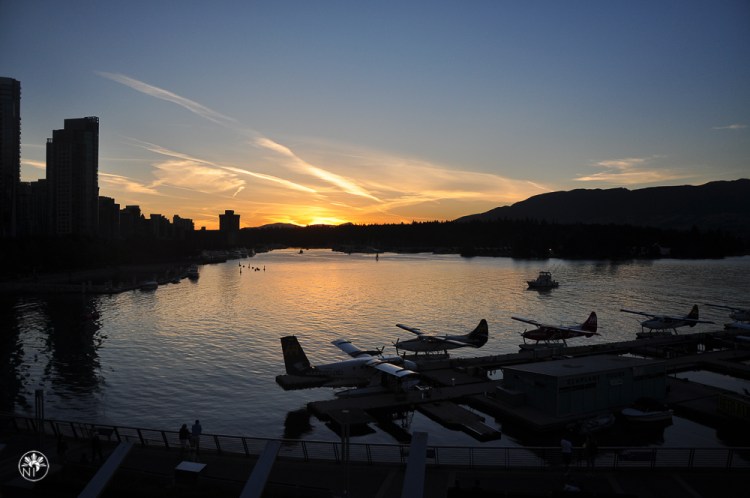
    Get away from the crowds and soar above the city for a bird’s eye view of Vancouver and enjoy the beautiful surrounding mountains from the air on a scenic seaplane tour. 20 Minute flights are available from Harbour Air Seaplane with select timeslots that can be pre-booked in advance.

    For More information check out the link : Vancouver Sea Plane Flight
  1. Capilano Suspension Bridge

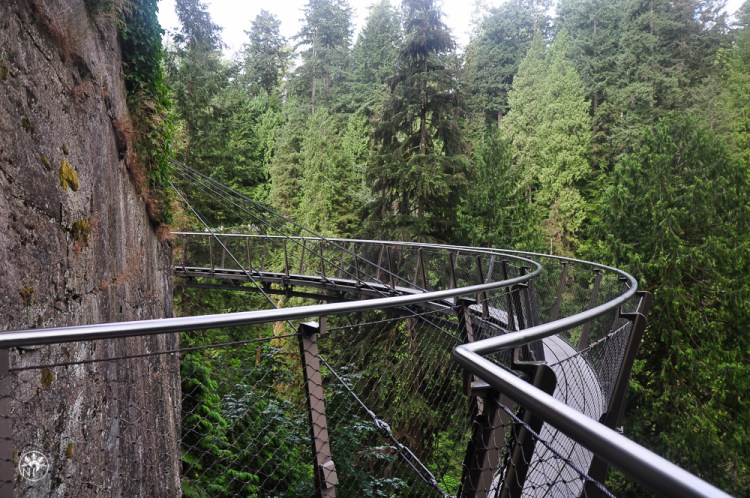
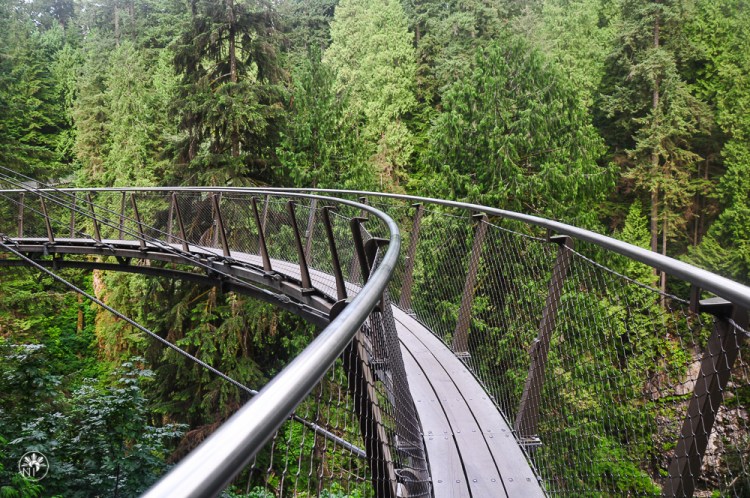
    As mentioned earlier a visit to the Capilano suspension bridge can be done before you reach grouse mountain. Head over to the world-famous foot bridge that spans 446 ft across the Capilano Rive. Upon crossing the bridge discover the forest canopy and walk through the Treetop Adventure walkway high above the canyon and river below. The newest attraction for those thrill seekers is a cliff walk, a series of suspend walkways built out from the granite cliff face to give people access to unexplored territories of the park. To avoid the crowds, try and get in when the park opens at 9 am, you will increase your chances of the perfect photo opportunity on the bridge and enjoy the neighboring treetop attractions.

    Experience Grouse Mountain and the : Capilano Suspension Bridge
  1. Victoria

    Just a short boat ride from Vancouver is the capital city of British Columbia, Victoria. Located on Vancouver Island it is considered to be one of the top 20 cities in terms of quality of life. Also popularly known as the “Garden city” of British Columbia, Victoria is one of the most beautiful cities and popular tourist destination for many. One of the most famous attractions in the Beacon Hill Park, it lies adjacent to the southern shore of Victoria and consists of exotic species of plants and animals, petting zoo and manicured gardens. Another famous attraction is Butchart Gardens, a sprawling 55-acre green space in Brentwood Bay area that welcomes almost a million visitors every year. There are several interesting events such as harbor tours, whale watching, wine tasting and the galloping goose trail. Food enthusiast will have a pleather of restaurants, bars, coffee shops and pubs to discover and enjoy.

    Directions
    Ferries can be taken from Vancouver (Tsawwassen) to Victoria (Swartz Bay) operating every 1h 30 approximately during the season. For further details please visit the link below:

    https://www.bcferries.com/destinations/Victoria-Vancouver-Island/VICTORIA_VANCOUVER_ISLAND


    Alternatively, guided tours can be arranged with downtown pick-ups giving you the peace of mind to explore the city accompanied by a local professional – For More information check out the link : Victoria Day Trip
  1. Flyover Canada

    Close to Canada place is an exhilarating experience that will give you the feeling of flight. Utilizing state of the art technology you will be suspended, feet dangling before a 20-metre spherical screen while your taken on a journey across the wilderness of Canada. Special effects, including wind, mist and scents, combine with the rides motion to create an unforgettable experience. Depending on the season the simulation will adapt to different themes such as Chinese New Year or fly over Iceland.

    For this immersive experiences please check out : Fly Over Canada
  1. Explore Gastown

    Vancouver’s oldest neighborhood, Gastown grew from a single tavern founded by John Gassy Jack Deighton back in 1867. Today the district retains its historic charm and independent spirit. A visit to Gastown should include a walk along Water Street, where you’ll find a picture-perfect collection of old buildings, cobblestones, the steam clock, and Vintage lampposts.
    Food and Drink – Gastown is home to many of the city’s hottest restaurants, making it a great pick for a special night out. An eclectic blend of cuisines from European through to Asian inspired molecular gastronomy and everything in between.

    Explore Gastown by visiting the link : Gastown Walking Tour

  1. Science World

    Located close to the Olympic village you will see a large spherical shape that dominates the city skyline. Science World is interactive museum for all ages featuring educational exhibits such as body works, birdly, eureka, living lab, Ken Spencer Science Park, Puzzles and Illusions and many more. Within the building is the largest cinema in western Canada, showcasing educational films and documentaries displayed on the vast screens.

    https://www.scienceworld.ca/

Read more: 11 Things to see and do in Vancouver

5 Things to see and do in Dublin

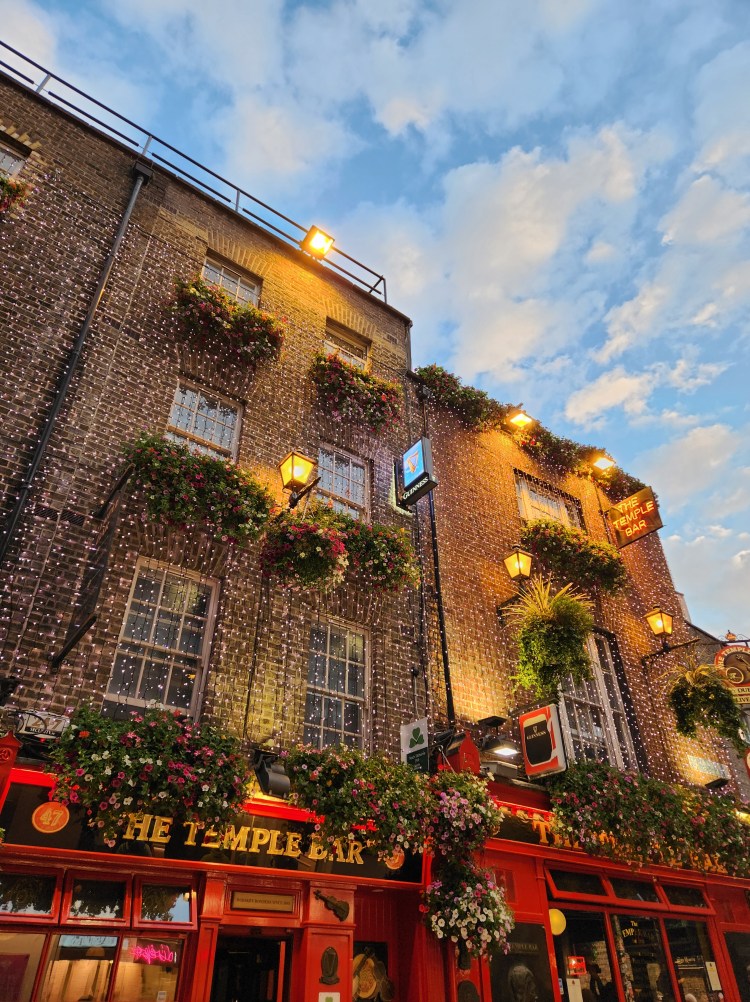
Dublin is a great place to visit whether its quick European escape or a stopover during a transatlantic flight and even as a day in port. Historic buildings, scenic parks, wonderful day trip destinations and a vibrant food and drink scene make Dublin an exciting place to explore. Once arriving in Dublin the airport is location around 30 mins drive from the city center which is conveniently accessible via the Dublin express. The shuttle service from the airport operates every 20 minutes at around 8 Euro per direction, tickets can be bought online or arrival outside the airport. The temptation to stay around the Temple Bar area of Dublin was obviously appealing, its conveniently located near some major attractions like Dublin Castle, Trinity college, St Stephens green and a hub of bars and restaurants. On this occasion I stayed near the docklands which is about a 20 min ride on the red line tram or a 40 minute walk down the banks the of River Liffey, and with that being said here are 5 things to see and do on your visit to Dublin.


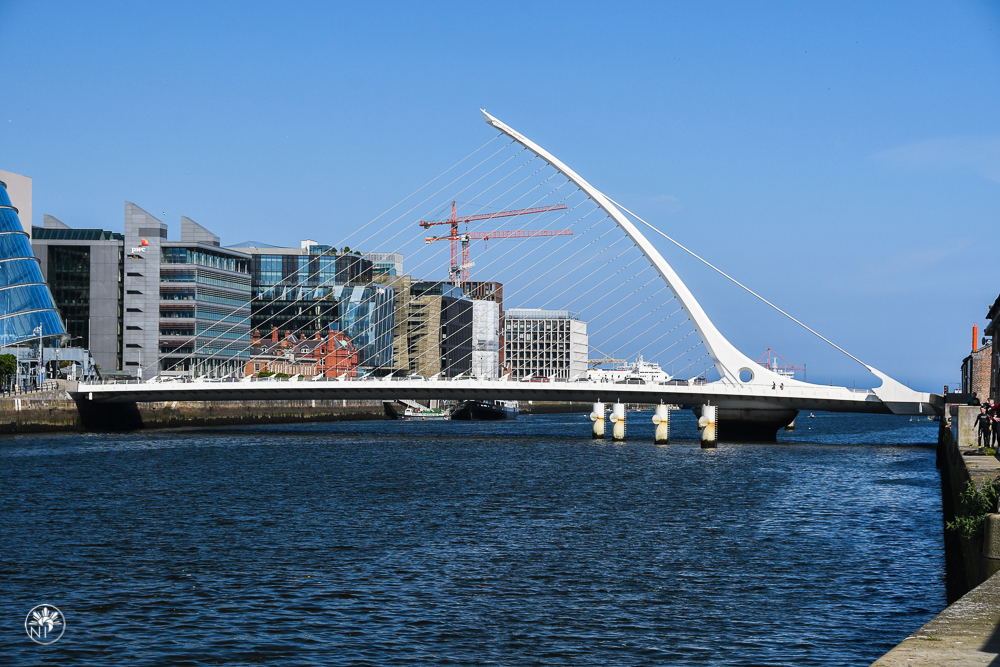
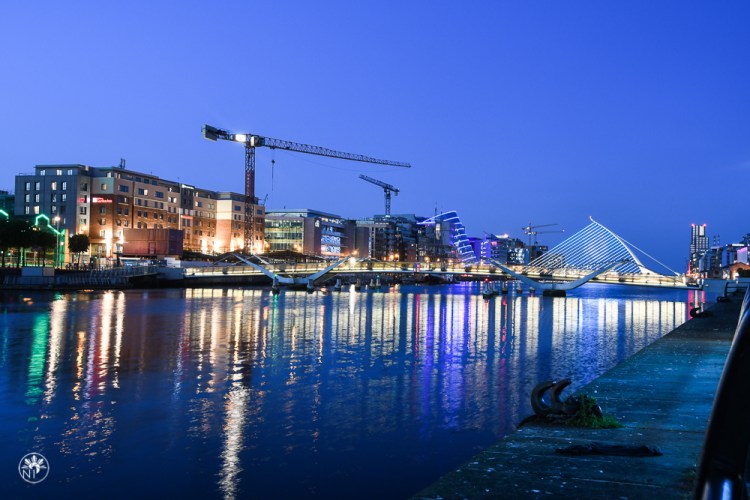
Samuel Beckett Bridge over the River Liffey
  1. Stroll along the River Liffey

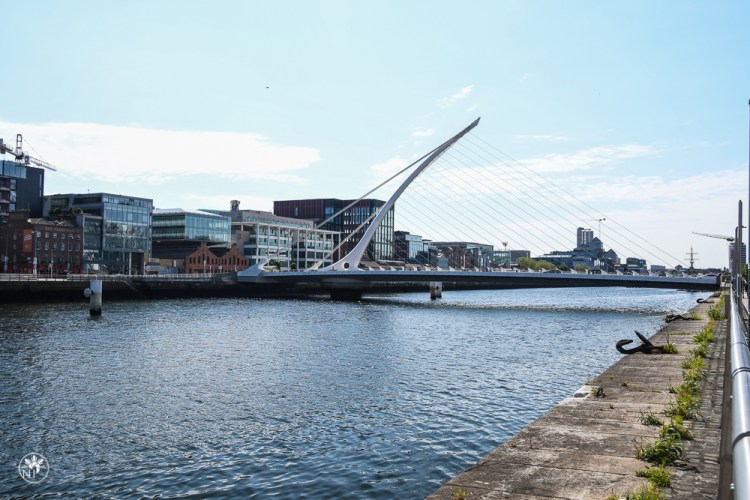
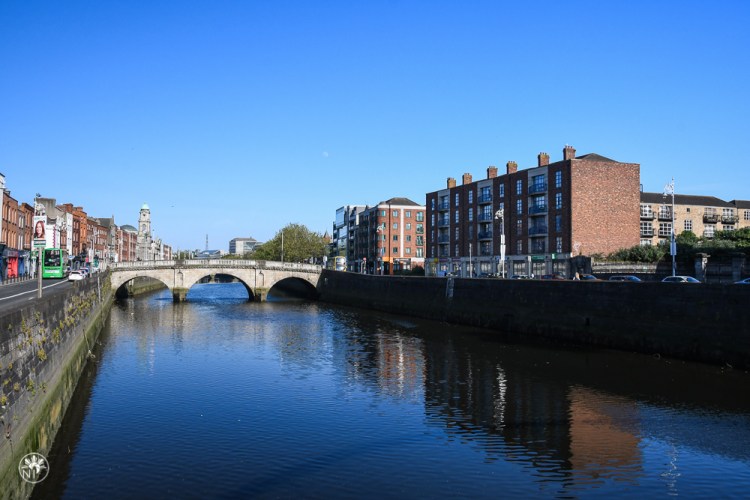
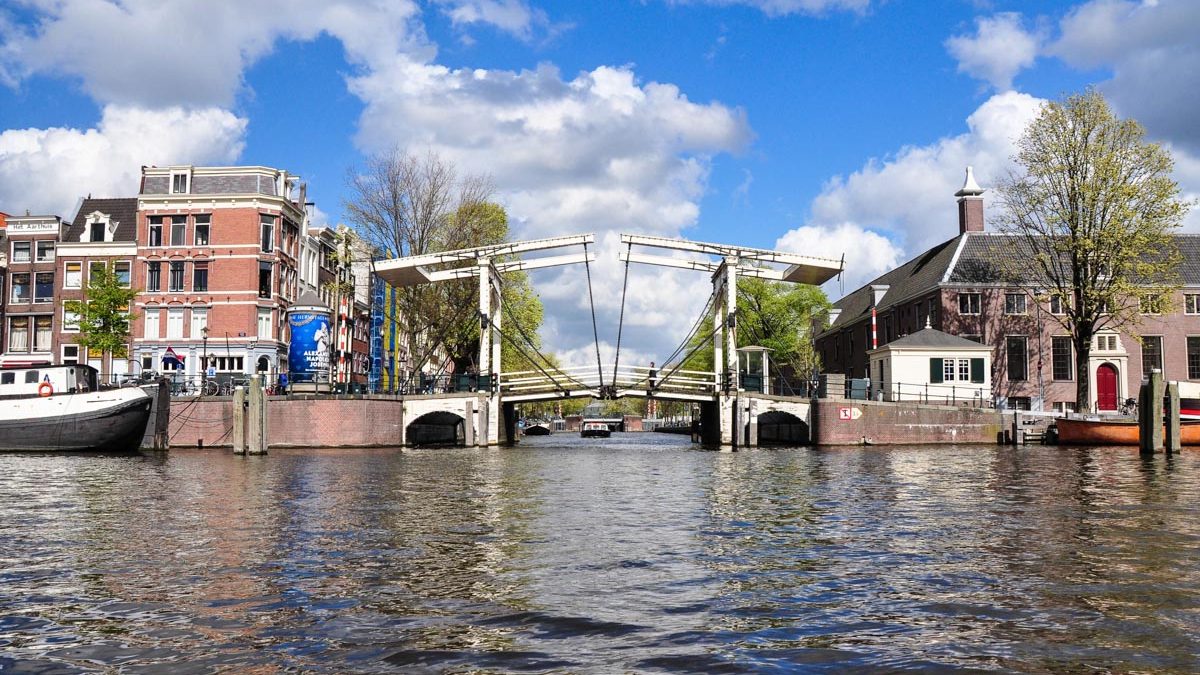
    Visitors to Dublin will inevitably stumble upon the River Liffey when wondering the city. The River Liffey flows through the heart of Dublin and acts as natural divide between the north and south. Based in the docklands area the river served as a natural compass point heading west towards the town centre. The scenic walk along the banks of the Liffey introduces visitors to some of Dublins notable landmarks including Samuel Beckett Bridge, EPIC The Irish Emigration Museum, Famine Memorial, Custom House Building and The Jeanie Johnston Tall Ship. Dublin has several bridges that Span the River Liffey offering a stunning views of the city from all perspectives. Weaving across the likes of Ha’penny (Dublins oldest pedestrian crossing) or Samuel Beckett Bridge, Millennium Bridge, Rosie Hackett and O’Connell Bridge is a must on any visit. Besides the aesthetic view and historic value the bridges serve their purpose allowing swift access to the city’s vibrant areas such as Temple Bar, The Liberties, Dublins Italian Quarter and O’Connell Street to name but a few. If trekking along the liffey isn’t your cup of tea, the river has plenty of bars to stop off and enjoy Irelands most famous beverage whilst soaking up the local atmosphere and live music.

    Dublin Mythology and Folklore Tour with Irish Stories and Legends


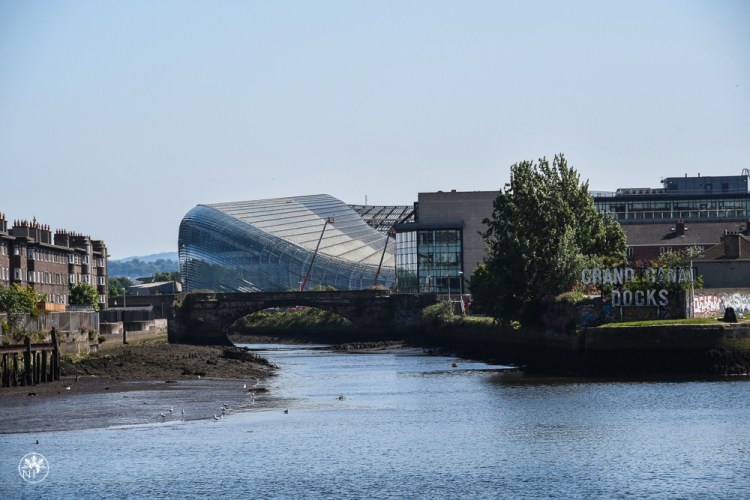
Aviva Stadium
Parliament House
River Liffey
Samuel Beckett Bridge over the River Liffey
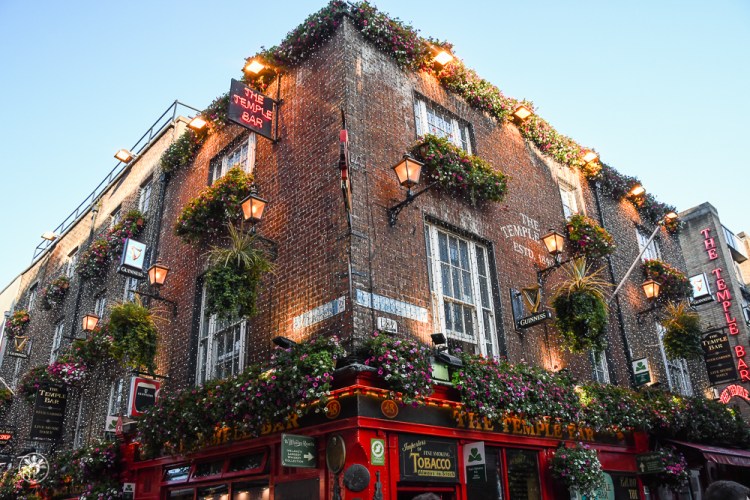
Temple Bar
  1. Temple Bar, Dine and Drink

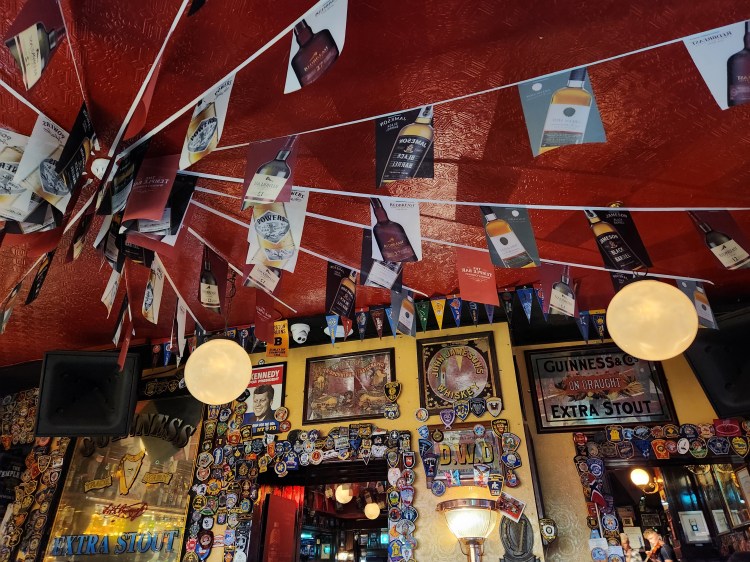
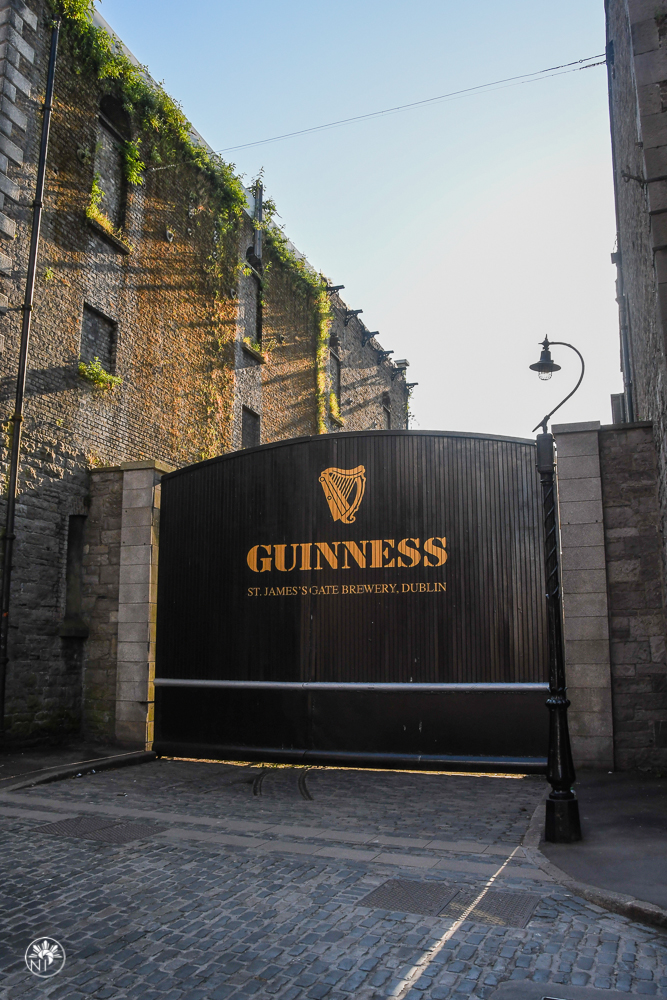
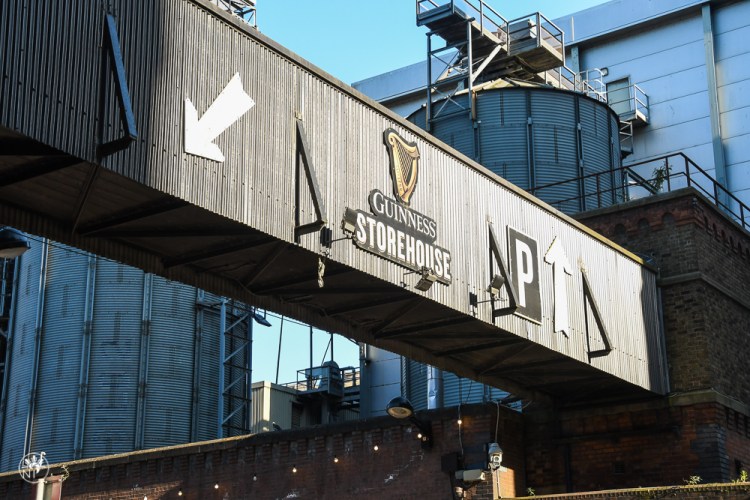
    No trip to Dublin would be complete without indulging in some of Irelands most famous exports and local cuisine. As you would expect their are no shortage of pubs serving Irish based beverages made famous the world over like Guinness, Jameson, Magners and Baileys. Many of the pubs have locally produced beer, ciders and whisky not exported which are definitely worth and try and of course a pint of Guinness always taste better in Ireland from the source. For those looking to explore the origins of Guinness further visitors can go to The Guinness storehouse, the famous brewery in Dublin when you can take the tour, learn the history and of course drink and dine to the tune of Irelands most famous export. Booking tickets in advance is recommended to avoid disappointment.

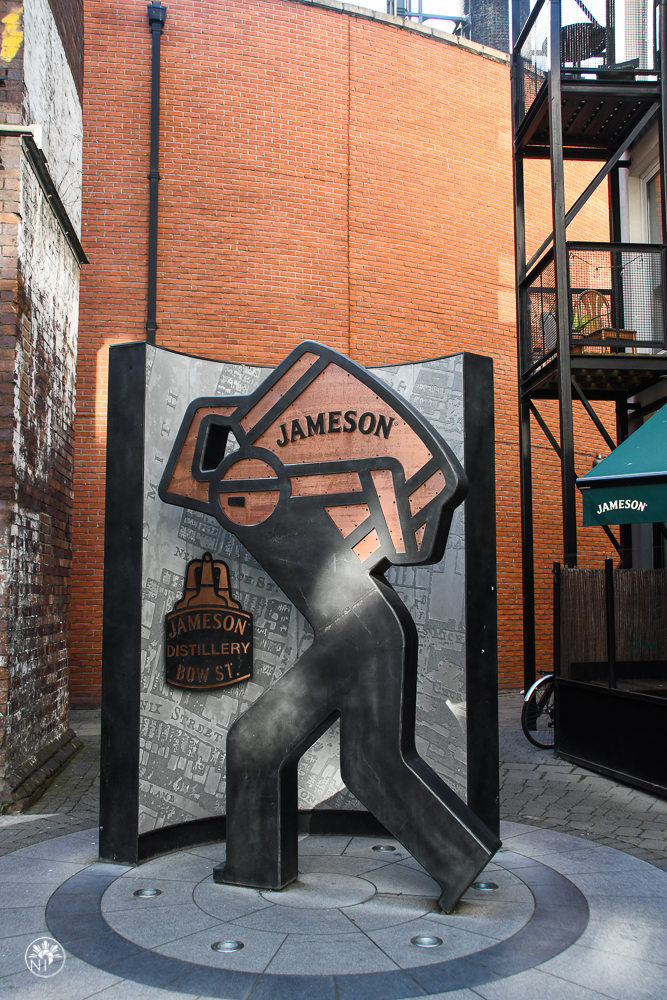
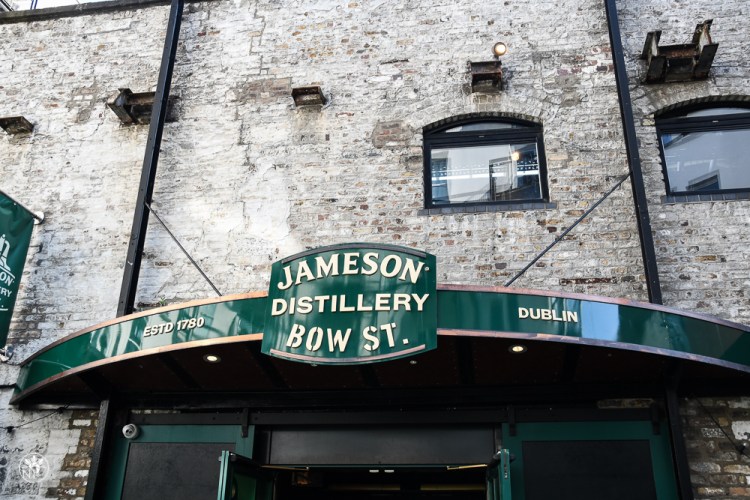
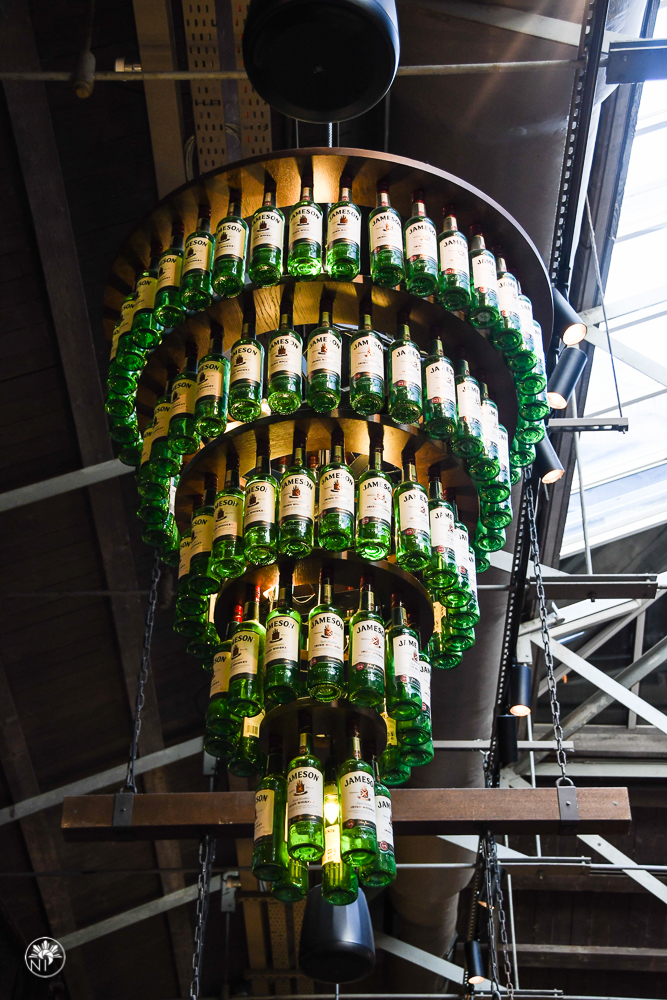
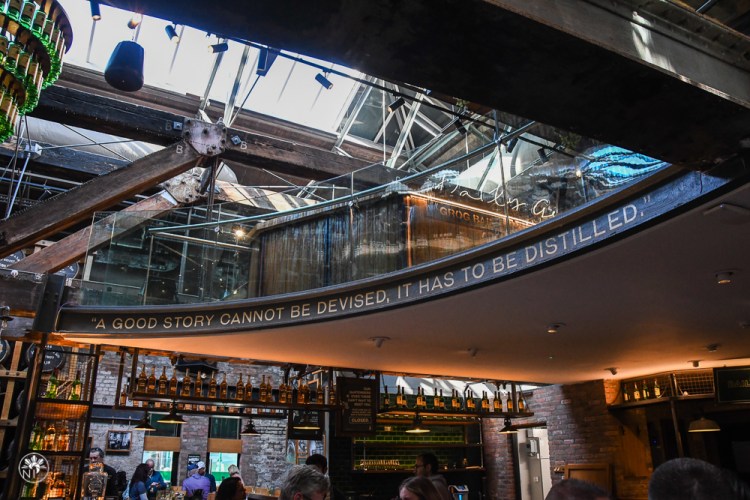
    On the other side of the river is another famous Irish export, The Jameson Distillery Founded by John Jameson in 1780, today the former factory stands as a monument to Irish Whiskey. Visit Jameson Distillery Dublin for the World’s leading distillery tours, cocktail-making classes, premium whiskey tasting sessions or to learn how to blend your own whiskey. The Jameson Distillery is also a great venue to pop in for a casual drink, craft beer as well as the customary whiskey tasting straight from the proverbial source. Inside the distillery is a gift shop where you can find all kinds of Jameson themed souvenirs, including cocktail kits, chocolate, magnets, glasses, apparel and of course every possible iteration of Jameson Whiskey many of which are only found in Dublin.

    Away from the breweries and distillery’s are plenty of establishments to soak up the inevitable flow of Irish alcohol. A hearty full Irish breakfast composing of bacon, Irish sausages, baked beans, eggs, mushroom, black pudding and Soda Bread is a great way to start a day’s exploring in Dublin. Places like O’Sheas Merchant, Jay Kays Cafe, Slattery’s, Grand Central and Keoghs Cafe are all fantastic options for an Irish breakfast. Once you’ve spent the day exploring the sites of Dublin, dinner options are soon the topic of conversation. Again the pubs are a great place to start.

    Dublin pubs come to life at night as most venues are serenated by local Irish bands blasting a blend of Irish songs and timeless classics. Temple bar would be the obvious hub to congregate in. Once you’ve battled your way through to the bar the reward of enjoying a refreshing cider or smooth Guinness as you soak up the atmosphere and live music is a truly exhilarating experience.

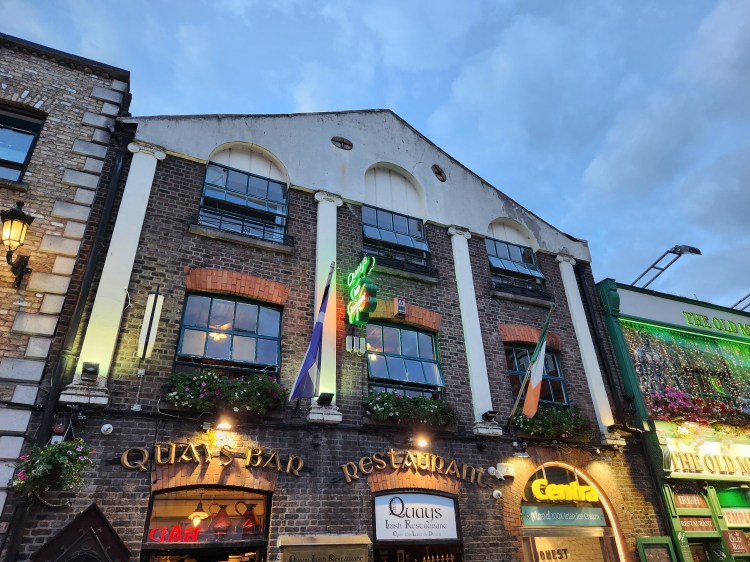
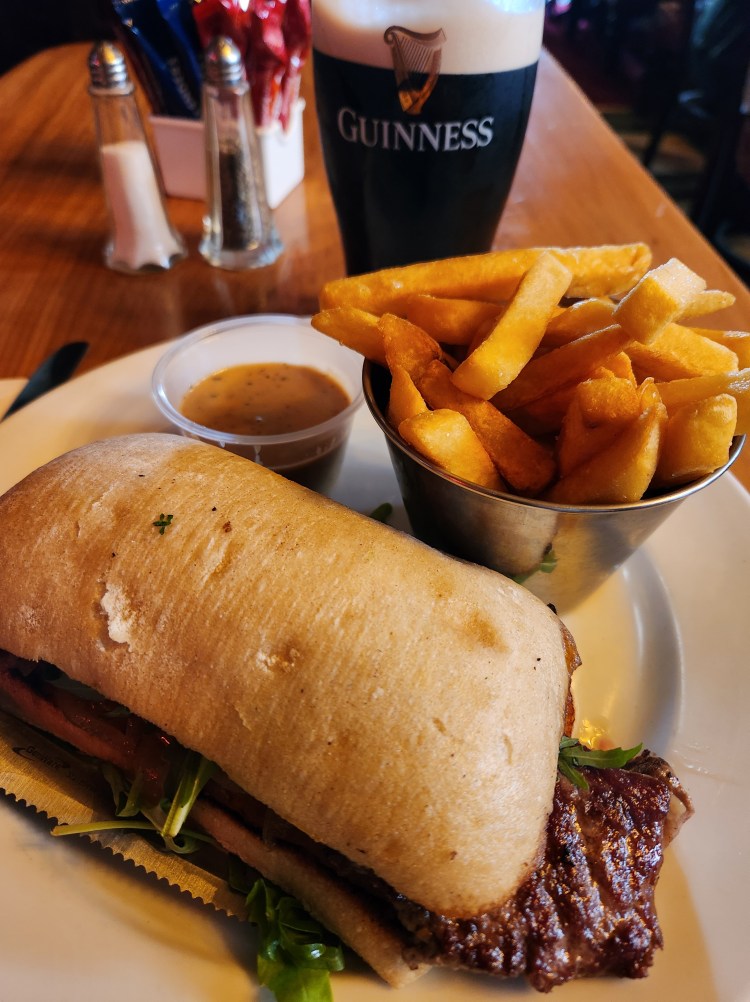
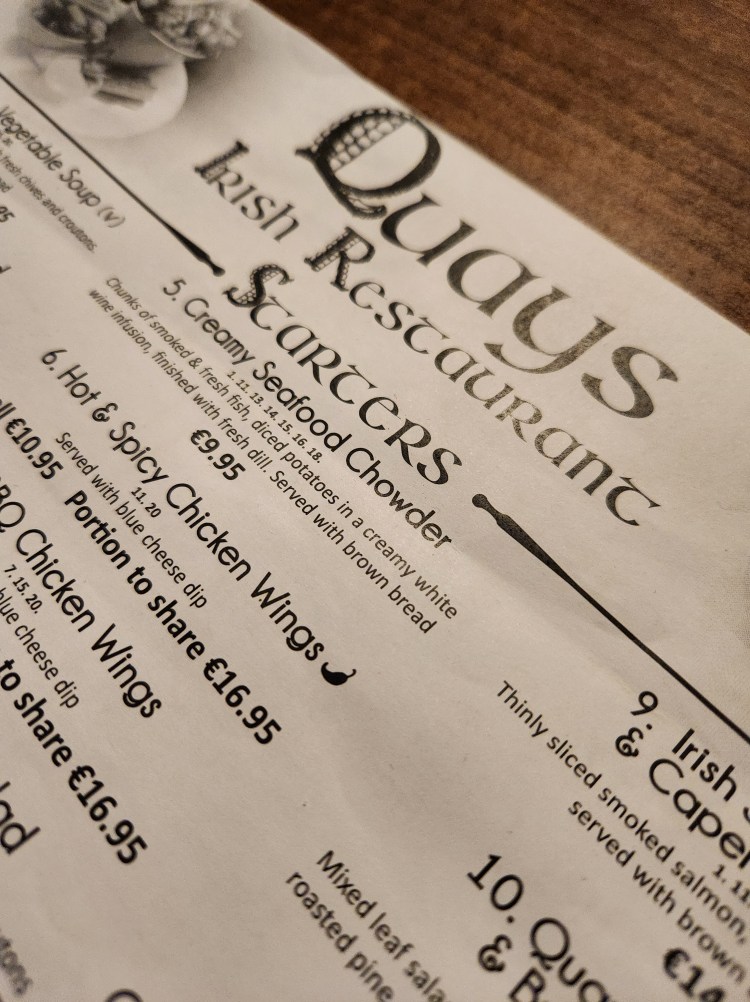
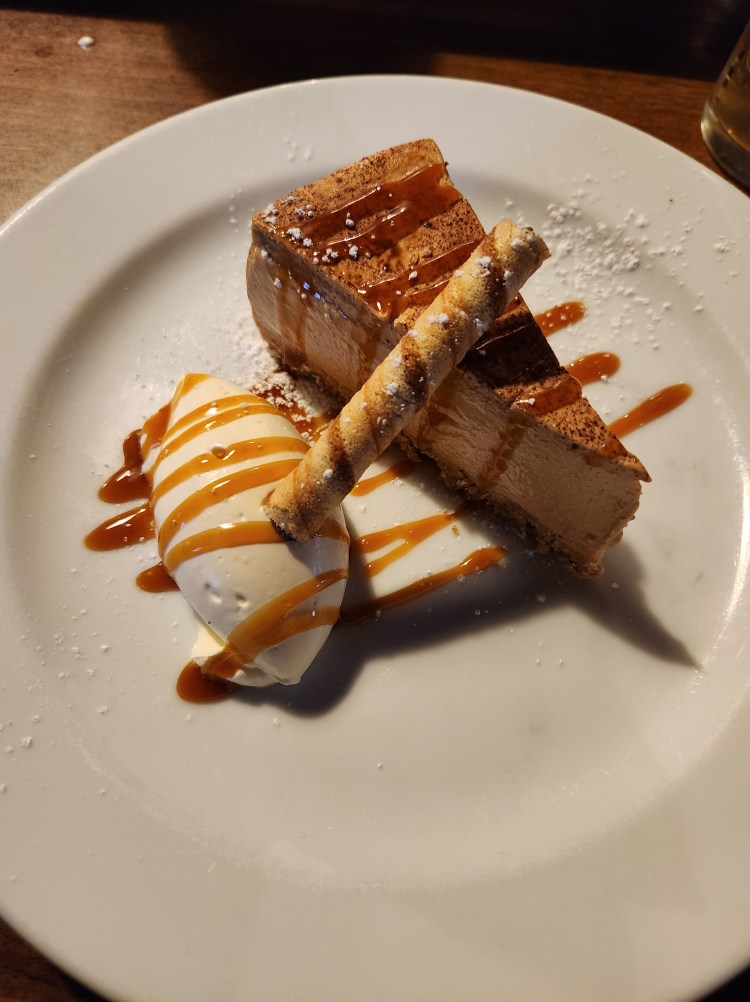
    Sticking to the food many pubs have a hearty menu including lamb shank, Guinness or Irish stew, fish and chips, mussels, Sheppard’s pie, steak sandwich’s and soups. Visitors with a sweet tooth will likely enjoy the Baileys cheesecake, bread and butter pudding and apple pie rounded off with an authentic Irish coffee. Inevitably you will tend to gravitate towards the Temple Bar area where you will find places like Quays Irish Restaurant, Old Storehouse or Trinity Bar & venue, all great choices. Crossing the river over the Ha, Penny Bridge you will notice a pub sharing the same name and beyond that the Gin Palace Dublin and Grand Central.

    Food on Food: Dublin Street Food Tour with local guide

    Away from the pubs Dublin has some great steakhouses like the Bull and Castle or Hellfire. Alternatively if your looking for a quick bite the Dublin spice bag has become somewhat of a street-food phenomenon and a take away specialty. Crispy strips of tender chicken and seasoned chips tossed in onions, peppers salt and spices is a must try in Dublin. Hunan restaurant, Chai Yo and Xian street food Dublin are both excellent places to enjoy Chinese food including the spice bag. Seafood lovers will find great restaurants in the city center like Sole Seafood & Grill, Beef and Lobster and Matt The Thresher. If you fancy an excursion out of the city center take a short trip to the costal town of Howth and check out Aqua Restaurant or Octopussy’s Seafood Tapas for amazing seafood and stunning views. For fish and chips head to Beshoff Bros Howth or Leo Burdock Christchurch back in the city center.

    Dublin Walking Food Tour With Secret Food Tours

    Dessert lovers will undoubtedly come across cloud nine temple bar literally across the road from the iconic Temple Bar. Murphys ice cream and Lemon crepe are in close proximity to one another and for chocolate lovers checkout The Sweetest Thing located on the River Liffey.


Temple Bar
Baileys Cheesecake – The Old Storehouse
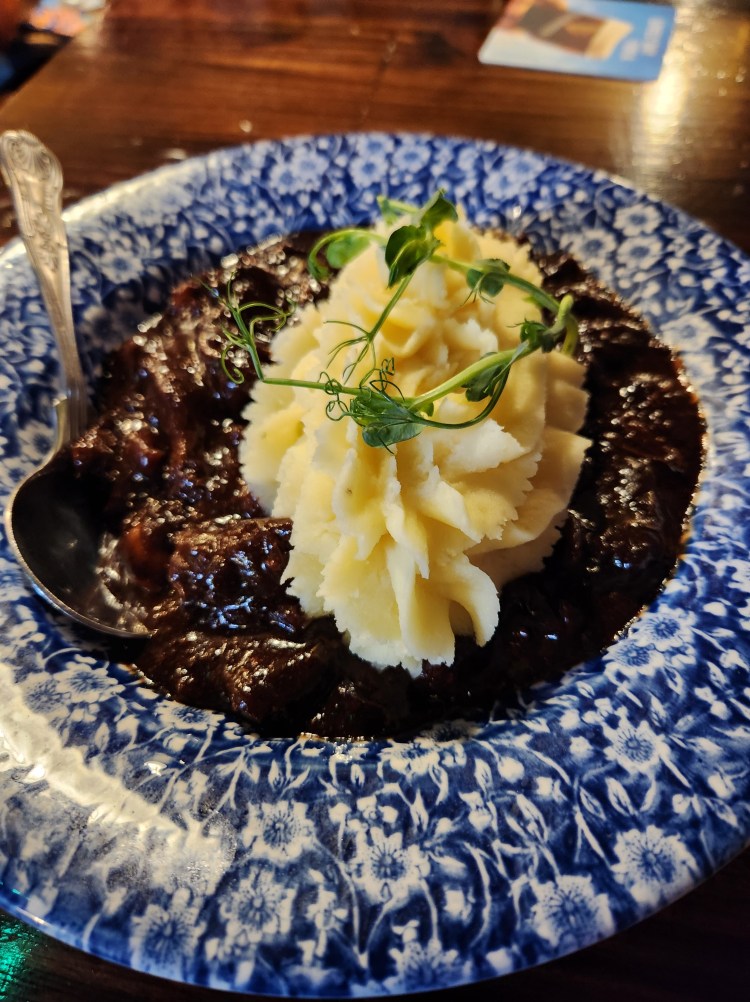
Guinness Stew – The Old Storehouse Bar and Restaurant
Steak Sandwich – Grand Central
Fish n Chips – Quays Restaurant
Baileys Cheesecake – Quays Restaurant
Guinness Storehouse
  1. Visit a Brewery

    Irelands capital has no shortage of places to enjoy a beverage and whilst their are many great pubs to visit, theirs nothing quite like drinking from the source. With a brewing heritage dating back centuries, Dublin is a mecca for beer enthusiast seeking a pint of perfection. But beyond the famous names lies a world of hidden gems waiting to be discovered.

    1. Guinness Storehouse
    It would be rude not to kick things off with our hometown icon, Guinness. The Guinness Storehouse is an unmatched brewery experience that takes you back in time, to tell the fascinating story of Ireland’s most famous stout. Journey to the top floor and find yourself in the Gravity Bar, where panoramic views of Dublin elevate your pint of freshly poured Guinness.

    2. Rascals Brewing Company
    Rascals HQ in Dublin City is a visitor destination for food and drink lovers, just minutes from Kilmainham Gaol in the heart of historic Inchicore. The building houses the award winning independent craft brewery Rascals Brewing Company, as well as a pizza restaurant, taproom and event spaces. Rascals HQ also provides immersive tours of the brewery with guided beer tasting after visitors learn all about the brewing process.

    3. Urban Brewing
    Unleash your beer-loving spirit at Dublin’s beloved Urban Brewing, a place where memorable moments are continuously brewed. This brewery, bar, and restaurant is your one-stop shop for a fantastic night out. The tantalizing tapas-style dishes complement the beers exquisitely, providing a fabulous feast for all the senses.

    4.The Porterhouse, Temple Bar
    The Porterhouse, established in Temple Bar in 1996, was at the cutting edge of micro brewery pubs in Ireland. Centrally located on Parliament Street, in the heart of the Temple Bar district, it stands three storeys high, and always guarantees a lively crowd. Passionate about all good beer, they offer a choice of ten different brews exclusive to The Porterhouse, and brewed on the premises. The Plain Porter has twice won a Gold international brewing industry award. The choice is unique, away from the mainstream. Live music added to the mix guarantees a rockin’ night out.

    5. Guinness Open Gate Brewery
    Although the Guinness Storehouse may be the main attraction, don’t sleep on the opportunity to check out Guinness Open Gate Brewery. From exclusive small-batch brews to experimental flavors, it’s one of the best ways to experience the more playful side of Ireland’s world-renowned brewery. The food is also drool-worthy, with classic pub fare that’ll keep you going back for more.


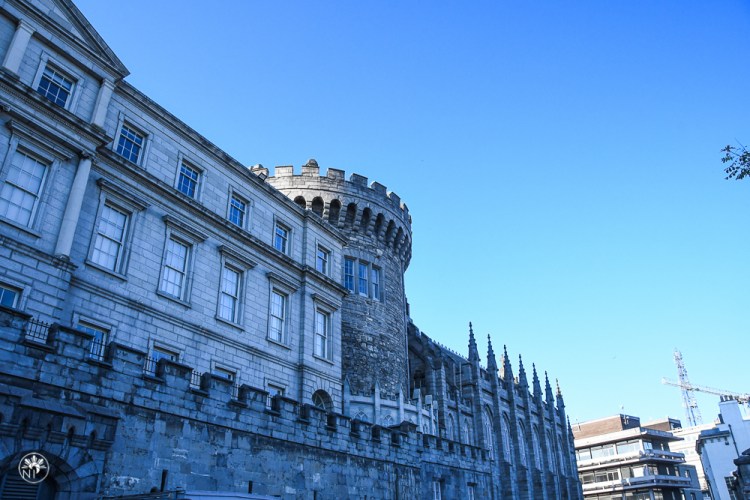
Dublin Castle
  1. Dublin Castle and Parks
    You’ll find just as much allure in Dublin’s parks as you will in the city’s lively streets and famous pubs. From cycling through the quiet glens of Phoenix Park to meandering amid orchids inside the majestic glasshouses at the National Botanic Gardens, there are many ways to enjoy Dublin’s historic green spaces.

    The Phoenix Park is the largest enclosed city park in Europe with 1,750 acres to explore all year round. The Park is home to the official residence of the President of Ireland, Áras an Uachtaráin (the “Irish White House” open on Saturdays), Farmleigh House (open for tours daily), the US Ambassador’s residence, the Dublin Zoo (est. 1831) and the Victorian People’s Flower Gardens (est. 1864).

    The Iveagh Gardens are one of Dublin City’s least known parks and gardens. The gardens display a diverse collection of landscape features which include rustic grottos, sunken formal panels of lawn with fountain centre pieces, wilderness, woodlands, a yew maze, a rosarium, an American garden, archery grounds, rockeries and rooteries.

    St. Stephen’s Green in Dublin City is a Victorian public park, with tree lined walks, shrubberies, colourful flowerbeds, herbaceous borders, rockeries, and ornamental lake and a garden for the visually impaired.

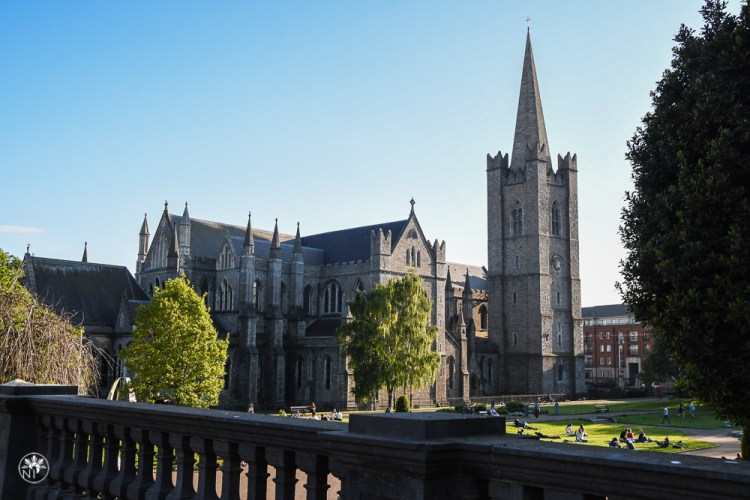
    In the shadow of St Patrick’s Cathedral, the tallest in Ireland at 101 meters, lies one of Dublin’s most peaceful and underrated green spaces. Start your exploration by grabbing a coffee at the Tram Café nearby and enjoy a picnic on the lawn, or a stroll along one of the walkways to admire the views of the Cathedral. Take a tour of the Literary Parade, created in honor of Irish poets and writers like James Clarence Mangan, William Butler Yeats and James Joyce, and see the Liberty Bell Sculpture, a nudge to the Liberties neighbourhood in which the park is located.

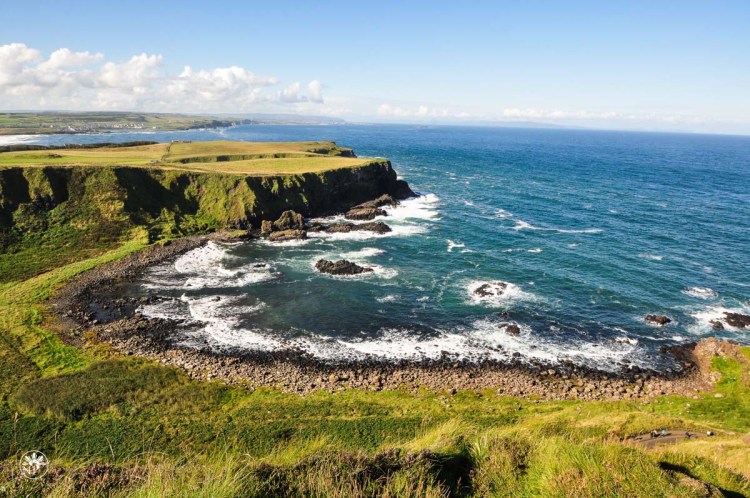
The Giants Causeway
  1. Take a day trip

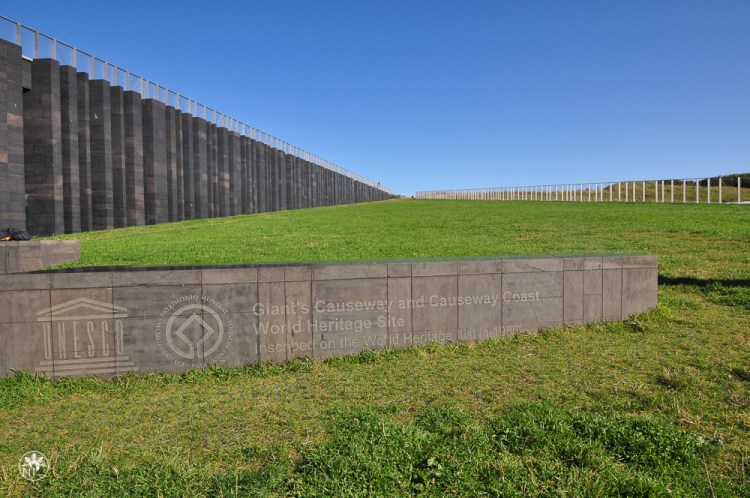
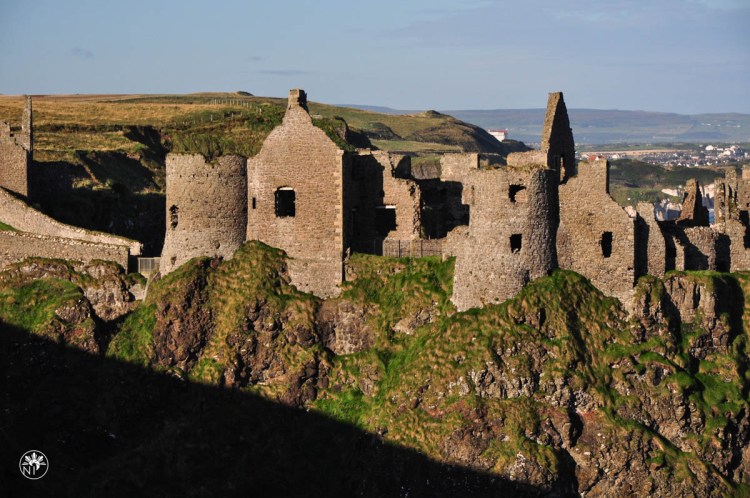
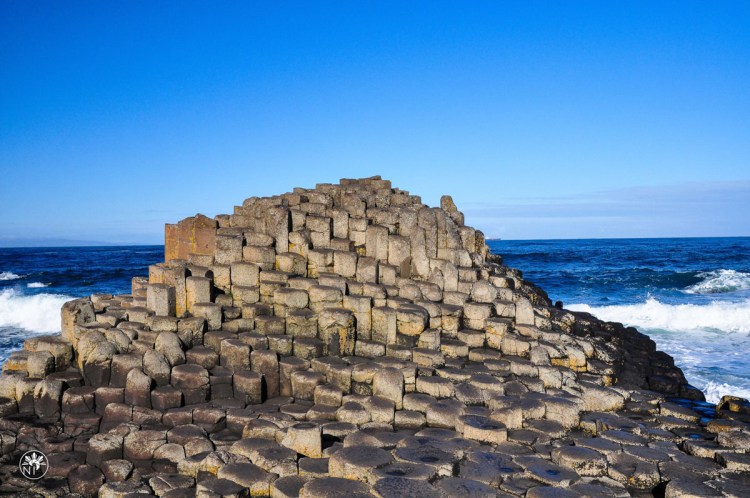
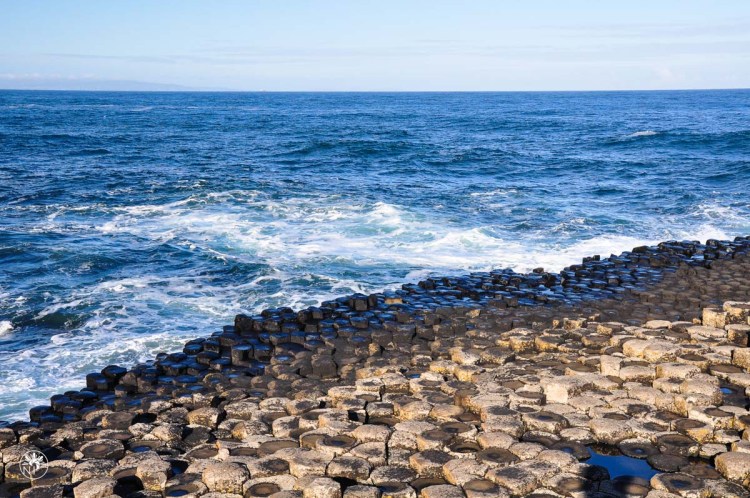
    Away from the city, Dublin acts as a gateway to visit some of Ireland’s magnificent natural wonders, picturesque towns, castles and historic landmarks. Crossing the boarder into Northern Ireland you can visit the country’s capital city Belfast, exploring its historical maritime past at the titanic museum and Harland and Wolff shipyard. One of Northern Irelands most spectacular destinations and must visit is of course the Unesco listed giants causeway and causeway coast. The most characteristic and unique feature of the site is the exposure of some 40,000 large, regularly shaped polygonal columns of basalt in perfect horizontal sections, forming a pavement. The cliff exposures of columnar and massive basalt at the edge of the antrim plateau present a spectacle of exceptional natural beauty. Game of thrones fans can visit the dark hedges and Dunluce castle usually featured on tours visiting the causeway.

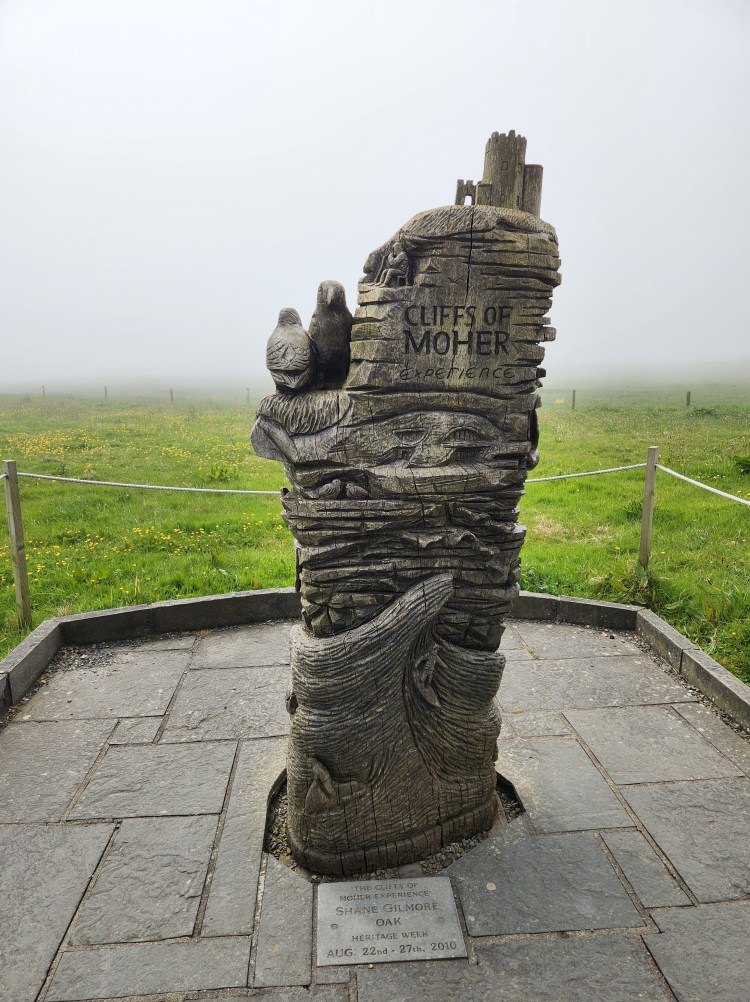
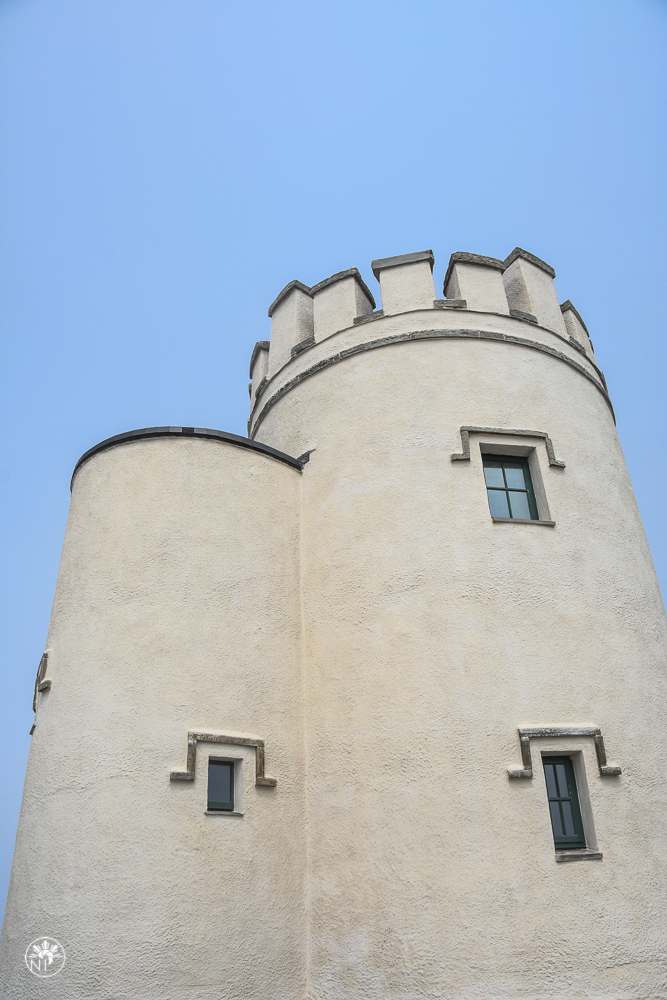
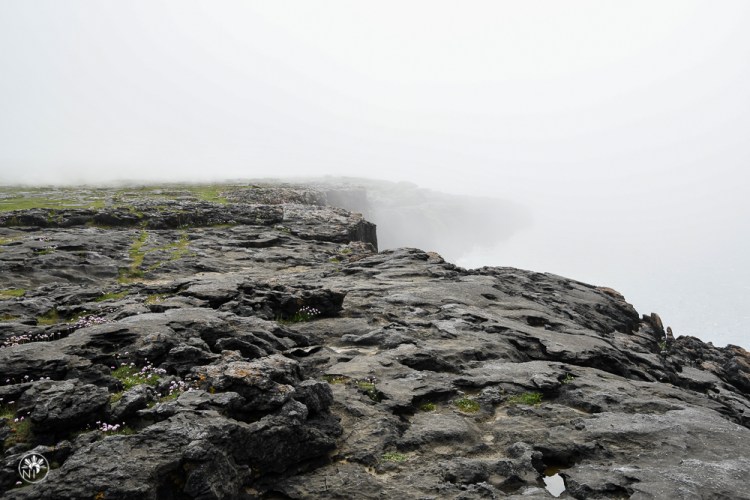
    Travelling across Irelands green and scenic countryside visitors can explore another iconic coastal landscape. The Cliffs of Moher sit astride the striking landscape of the Burren on one side and the Wild Atlantic Ocean on the other. Rising out of the Atlantic waters to a height of over 700ft at O’Brien’s Tower and running along the coast of Clare for almost 14 kilometers, or 8 miles, the Cliffs of Moher were formed over 320 million years ago, and today form part of the Burren and Cliffs of Moher UNESCO Global Geopark. From the visitor center you can walk up to O’Brien’s tower and take a relaxing walk enjoying the breathtaking views along the coast. Alternatively you can view the spectacular cliffs from the sea and explore the neighboring aran islands likely operating from Galway.

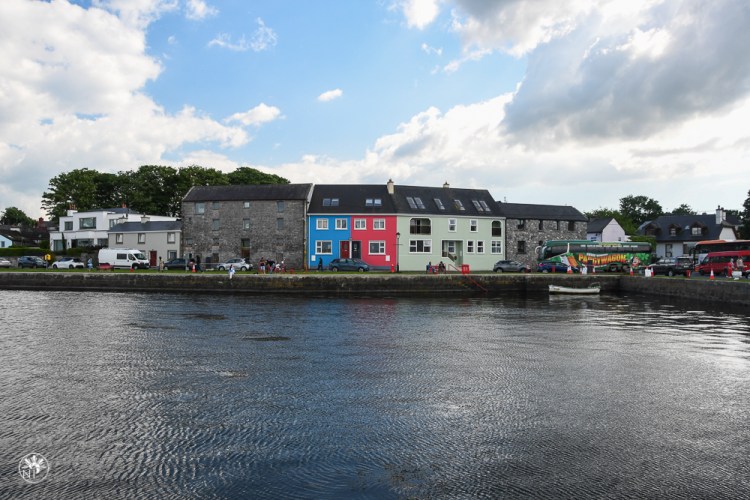
    Depending on the itinerary your route will take you on a coastal drive along the shores of Galway Bay. This dramatic road ensures we see amazing views of the Atlantic Ocean. This drive is part of the “Wild Atlantic Way” which is a driving route that follows the entire West Coast of Ireland. Along the way you will like discover the Burren – one of the famous landscapes of Ireland! It is famous for its Limestone Rock, as far as the eye can see, and reaching down to the sea shore.

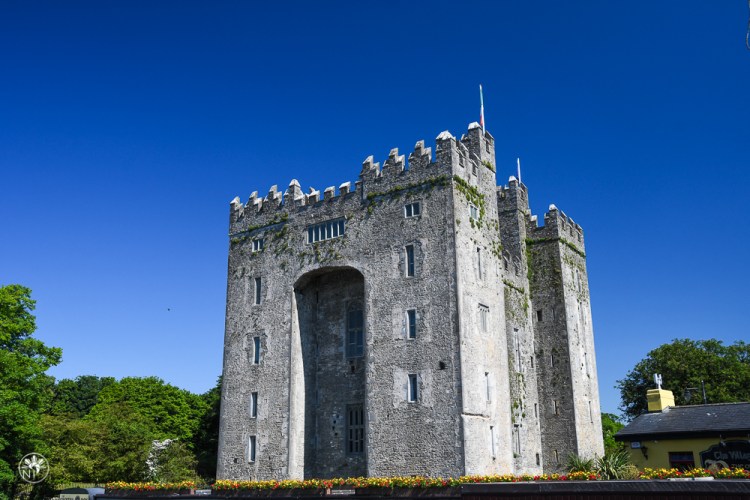
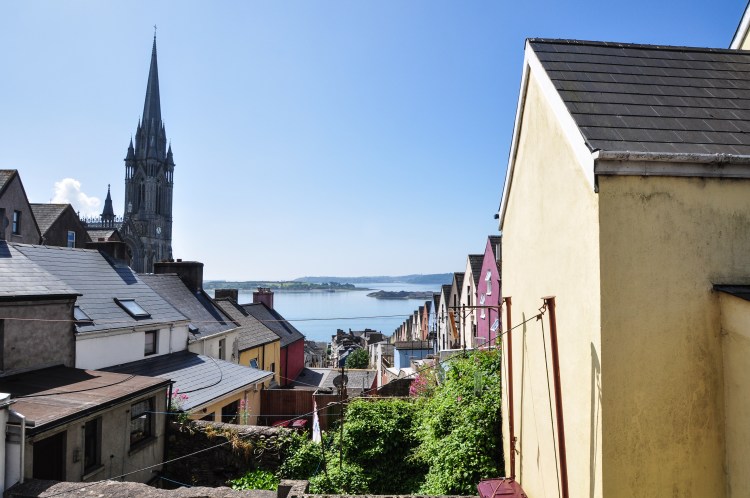
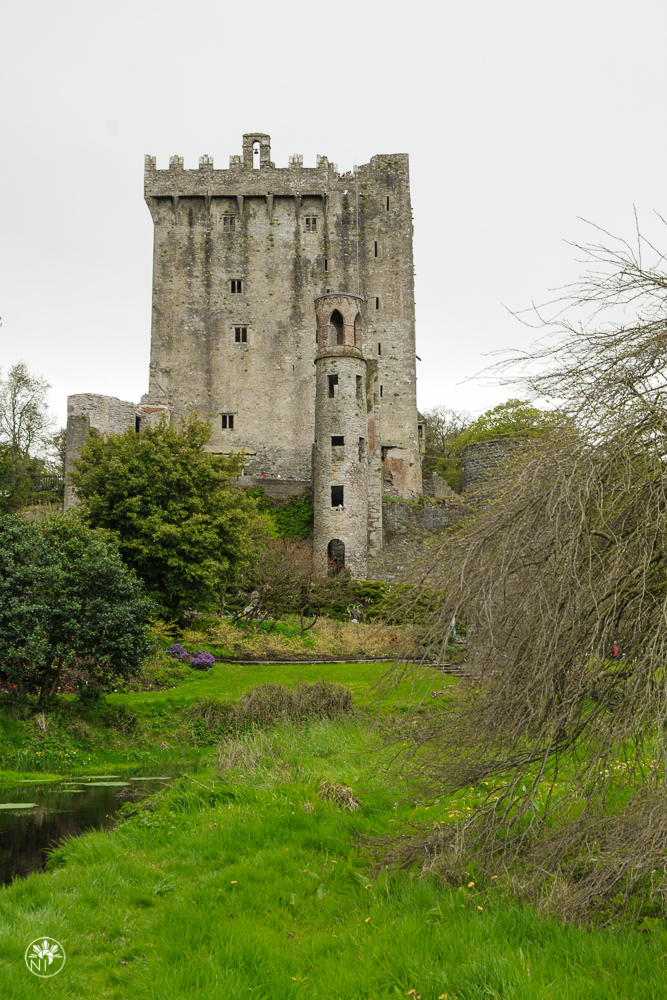
    Cruisers maybe familiar with the picturesque coast town of Cobh or Queenstown, the last port of call for the ill fated Titanic. Visitors to country cork can explore the Titanic Experience Cobh or wonder the city capturing the colorful houses (deck of cards) If you stand on the bank in the park opposite you get a perfect view of the houses, St. Colman’s Cathedral and the harbor. Travelling south towards cork and neighboring Cobh, coach tours will tend to visit Blarney Castle with its Blarney Stone, Cahir Castle as well as the monastic site, the Rock of Cashel, once home of the King of Munster. Blarney Castle, built by the McCarthy clan over 600 years ago, still retains its old world charm with its towers, battlements and gated entrance built on a rocky outcrop. Kiss the Blarney stone, situated on the parapets of the castle, to gain the gift of eloquence, that is the ability to persuade people and being able to talk yourself out of trouble.

    The Rock of Cashel is a multi-period monastic site, which was a fortress before it became the seat of the bishop of the diocese of Cashel, and venue where the historical Synod of Cashel was held. Visit the Great Cathedral, the Hall of Vicars Choral, Cormack’s Chapel (with one of Ireland’s best preserved Irish frescoes and Romanesque architecture) and a round tower, all perched on a solid rock ringed by a curtain wall- most of it dating back from before the Cambro-Norman conquerors came to Ireland in the late 12th century.

    Their is certainly no shortage of activities and experiences that will make your time in Dublin live long in the memory. For further ideas and inspiration check out the link below:
    My Favorite Dublin Experiences


Giants Causeway Visitor Center

Cliffs of Moher
Kinvara
O’briens Tower
Bunratty Castle
The Burren
Cobh

Blarney Castle

5 Things to see and do in Edinburgh

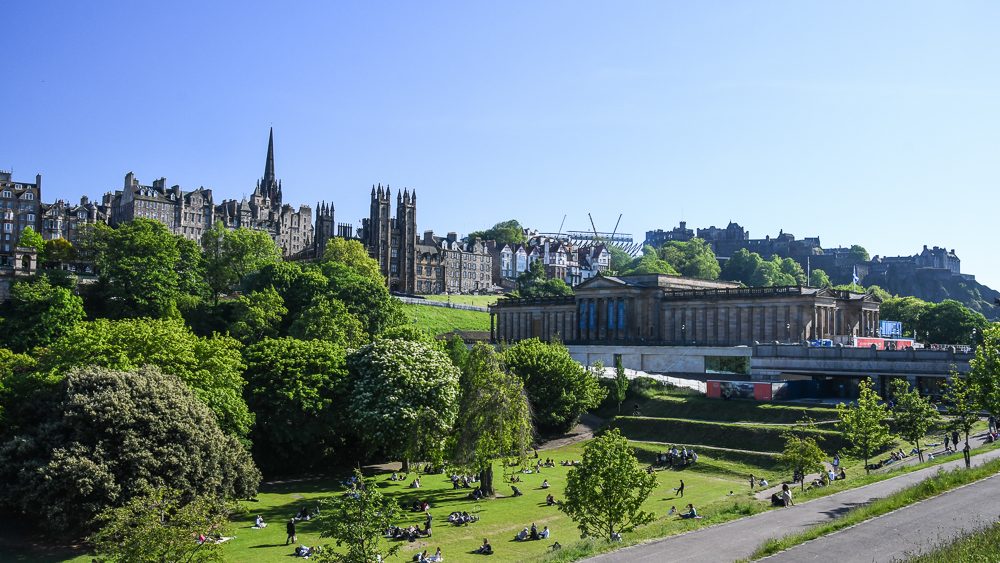
Steeped in history, Edinburgh seamlessly blends old and new, providing visitors with the perfect destination to experience the sights, sounds, tastes of a diverse vibrant city. Whether it’s an overnight stop or a day trip from a nearby town Edinburgh has something for everyone, a destination of intrigue firmly planted on the bucket list. On two occasions upon visiting Edinburgh we explored the obvious and not so obvious sites that make this city so great. Here are few ideas to get you started:

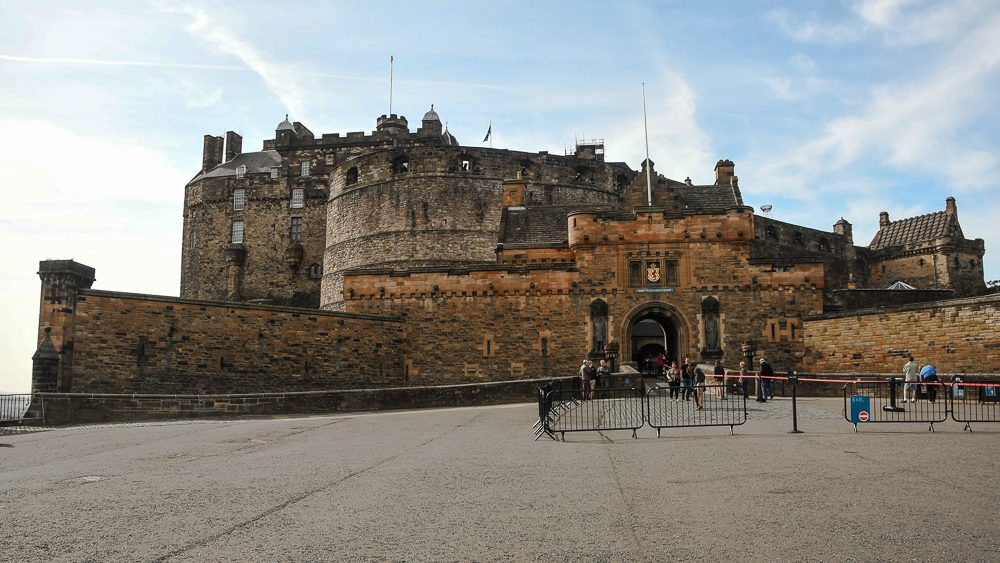
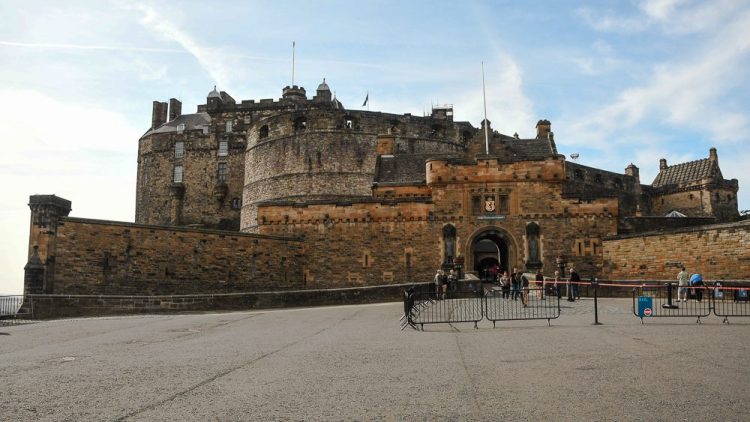
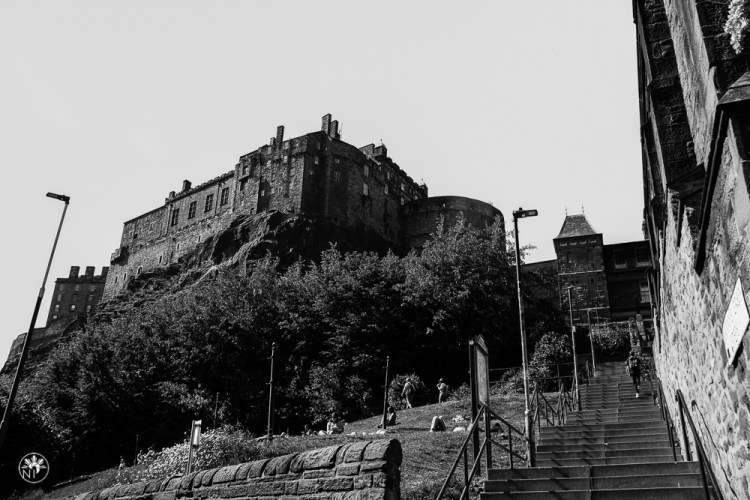
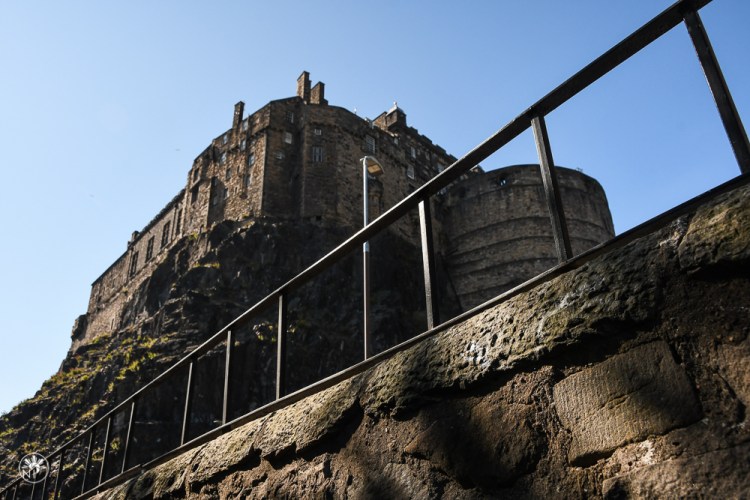
Edinburgh Castle
  1. Edinburgh Castle

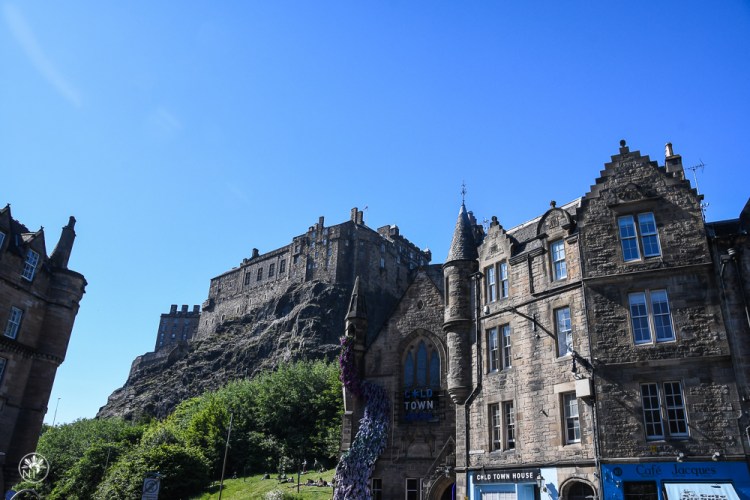
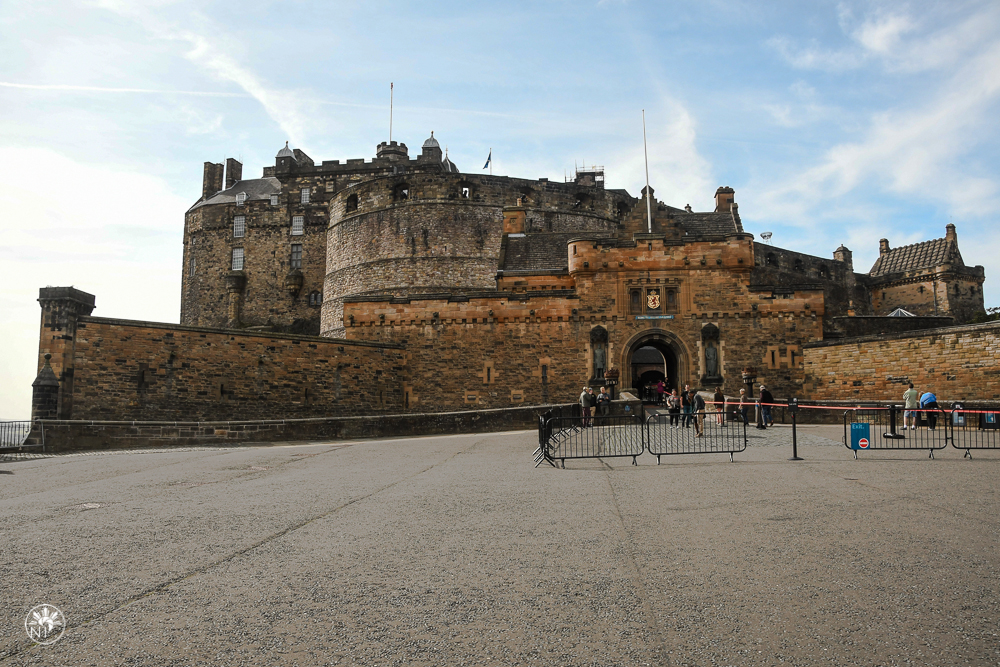
    Dominating the city skyline Edinburgh Castle was our first point of interest and the primary reason behind of our visit. During the summer months Edinburgh castle is one of the most visited tourist attractions in Scotland and with covid subsiding it is recommended you book tickets in advance. Plan your day around the castle as you are required to select a timeslot prior to your visit to guarantee your entry. Walking from the train station you can navigate the backstreets overlooking princess gardens heading uphill till you reach castle hill road and effectively the gates of the castle.

    Edinburgh Castle Guided Tour – Tickets Included

    Perched on top of an extinct volcano, the Castle and its Esplanade offers unparalleled views of Edinburgh. Once inside you can explore some of the oldest and most important buildings of the city, including St Margaret’s Chapel, The National War Memorial and the Half Moon Battery. The regal Crown Square is a real highlight, where you will find the magnificent Grand Hall and Scotland’s Crown Jewels – including the famous Stone of Destiny.

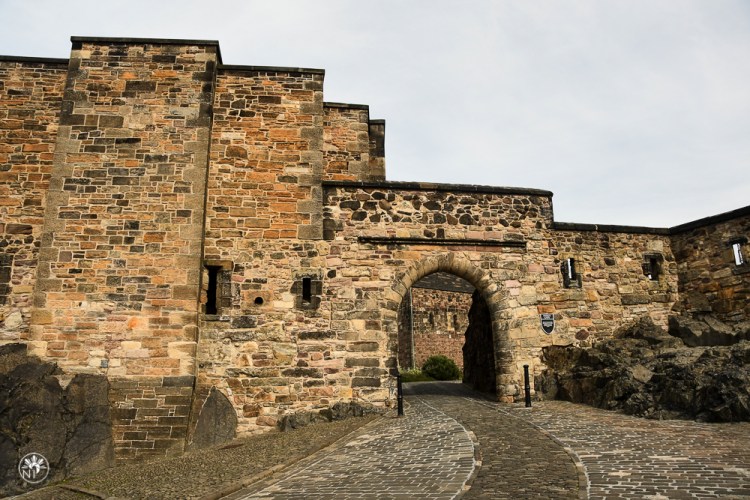
    As with most castles the walkways around the grounds are constructed from cobblestone which made for a bumpy ride for our two year in his stroller, a sturdy pair of walking boots is also recommended.

    Edinburgh Castle to Arthur’s Seat Tour: Private & Custom

    The largest tourist attraction in Edinburgh has two gift shops located in the grounds. Portcullis Shop next to the ticket office selling a variety of Scottish themed souvenirs, apparel, Jewelry and Scottish crafts. Whisky and Fine food shop next to St Margaret’s chapel offers a selection of whisky and gin from all over Scotland and even a 10-year-old whisky exclusive to Edinburgh Castle. Local treats such as fudge, shortbread and chocolate are all available for that distinct and distinguished flavor of Scotland.


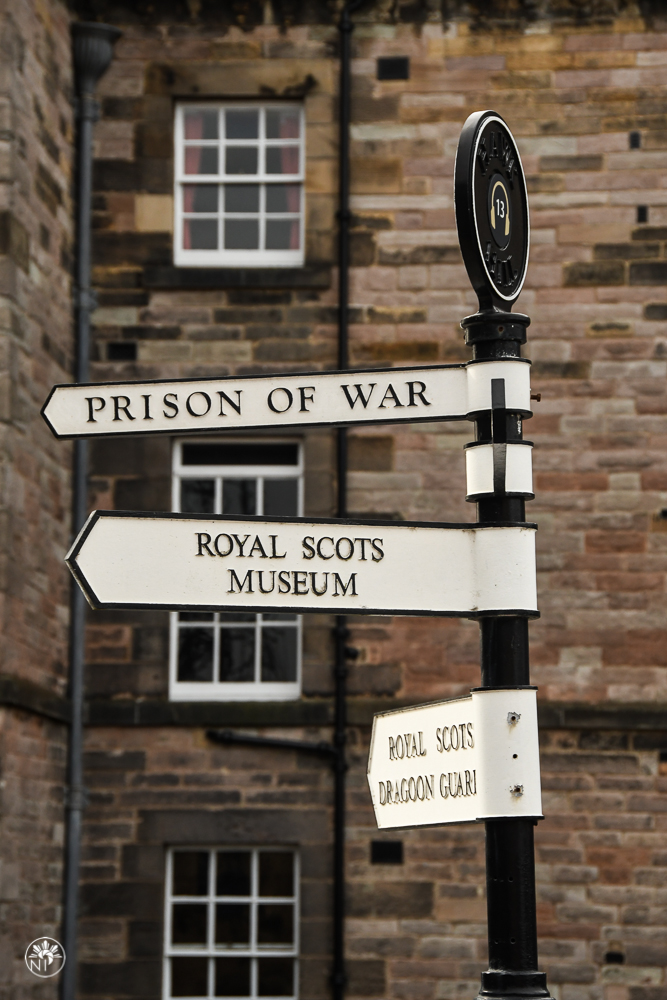
Calton Hill
  1. Calton Hill

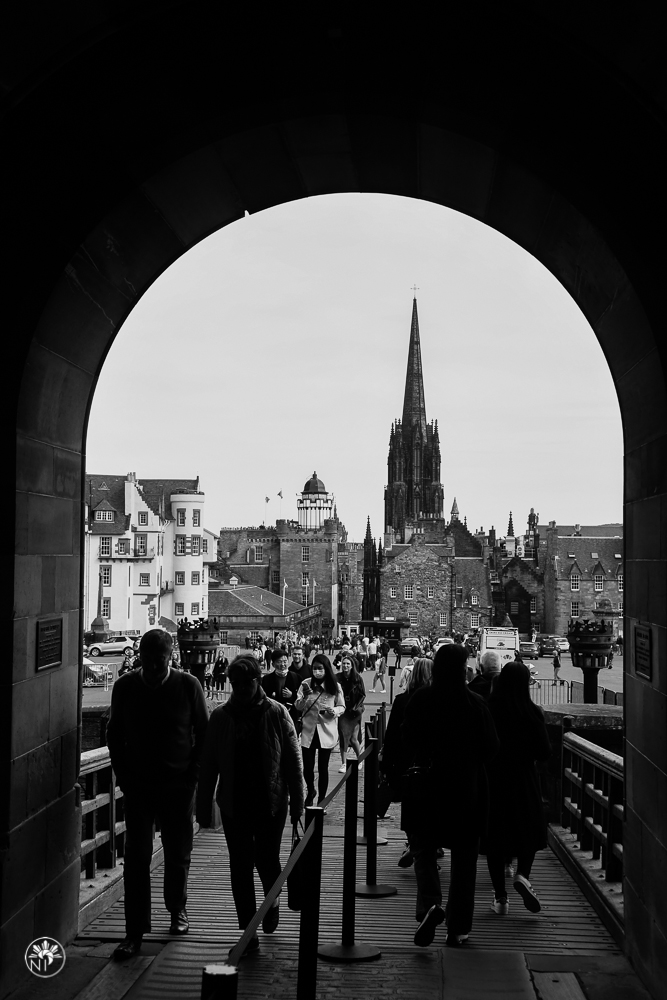
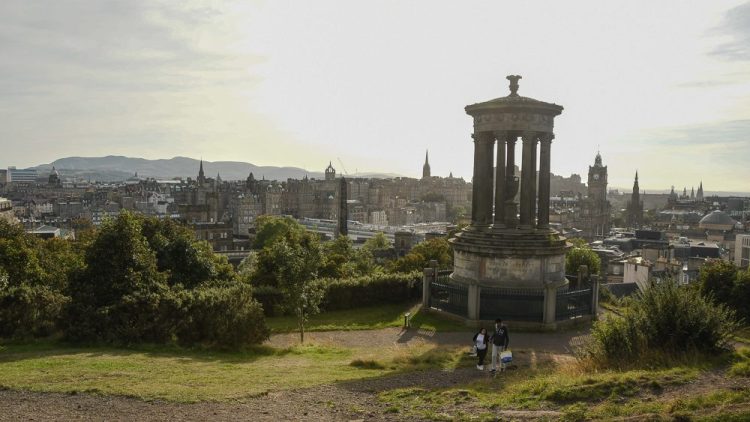
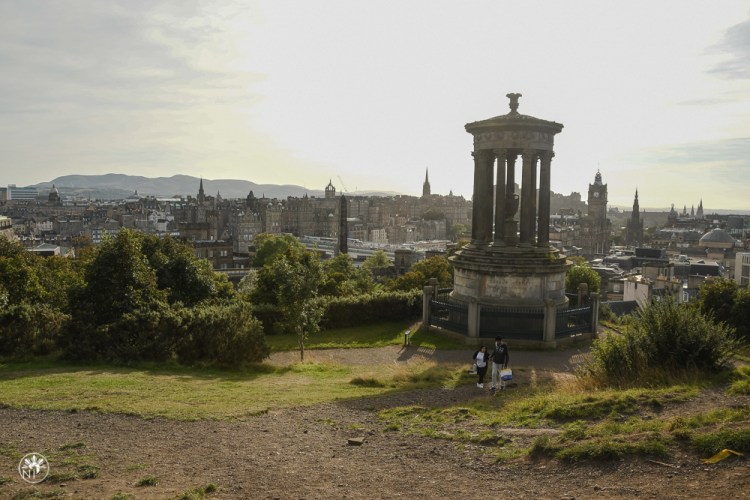
    Every avenue in Edinburgh tells its own story, an archway frames the landscape and their a several spots to gaze upon the silhouette of architecture dotted around the city. One of the best vantage points is from the top of Calton Hill. The panoramic views from Calton Hill have astonished and inspired visitors for centuries. Major landmarks can be seen from a bird’s eye view: Arthur’s Seat with the Crags behind Holyrood Palace and the Parliament, Leith and the Firth of Forth, Princes Street in its New Town grid and the Royal Mile climbing up towards the Castle.

    Edinburgh Darkside Walking Tour: Mysteries, Murder and Legends

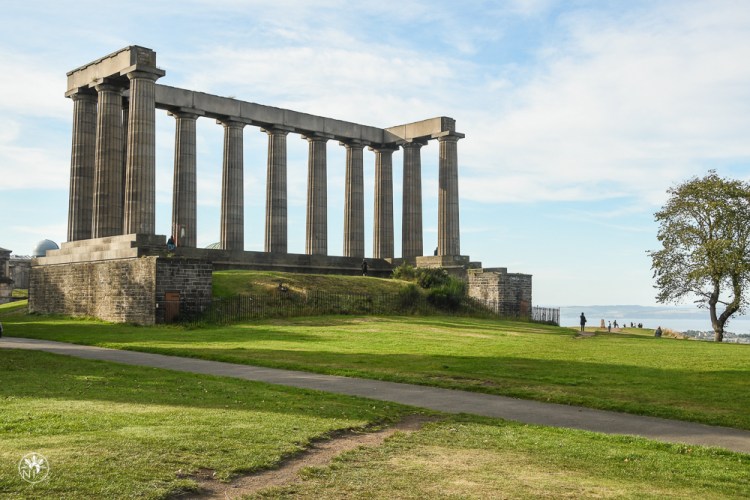
    Calton Hill is also famous for its collection of historic monuments, which form some of the most important landmarks of the city. One of the most striking is the National Monument, inspired by the Parthenon in Athens. Intended to commemorate the Scottish servicemen who died in the Napoleonic Wars, it was never completed leaving just the twelve columns you see today.

    Calton Hill Photography & History Tour, Edinburgh, Scotland

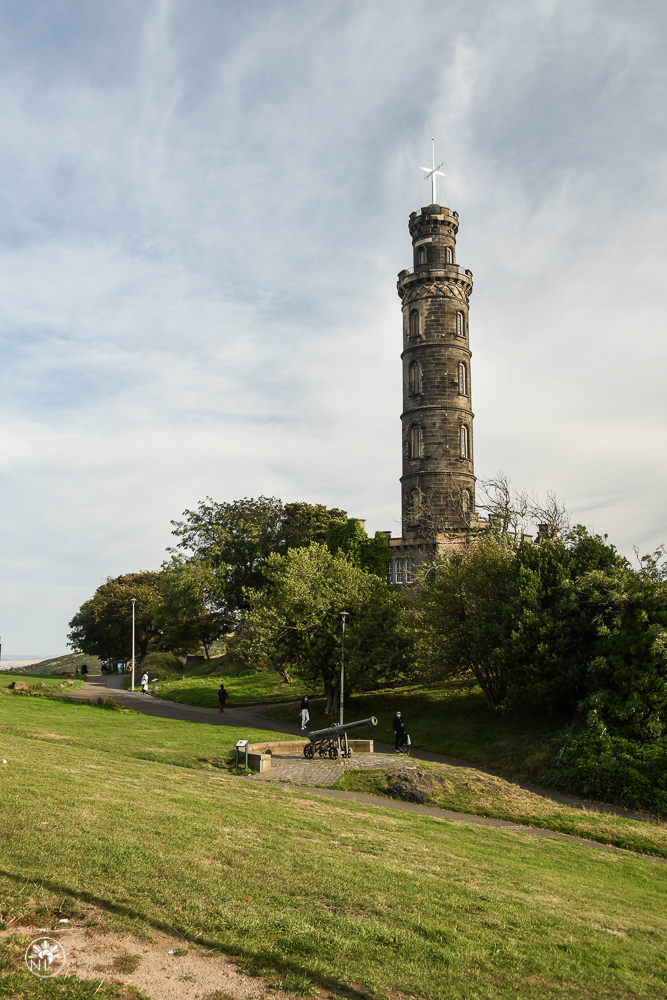
    Also look out for the Nelson Monument, shaped like an up-turned telescope. Completed in 1816 the monument commemorates the death of Admiral Lord Nelson at the Battle of Trafalgar in 1805. However, in 1852 a time ball was added to the top to enable ships moored in the Firth of Forth to set their time-pieces accurately. The Nelson Monument is open to the public, and the Time Ball still drops at one o’clock six days a week..


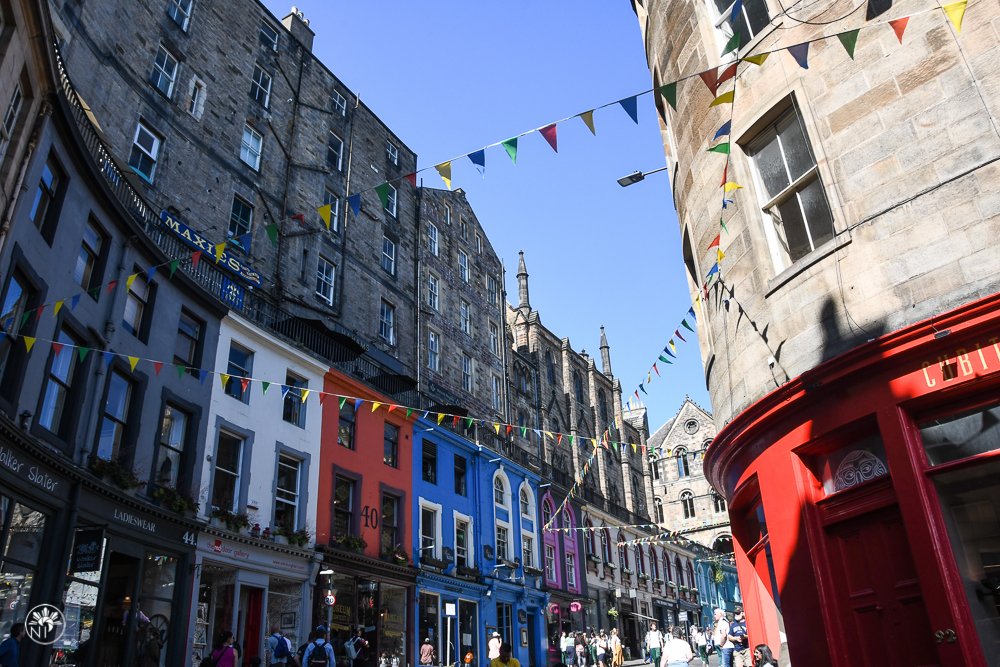
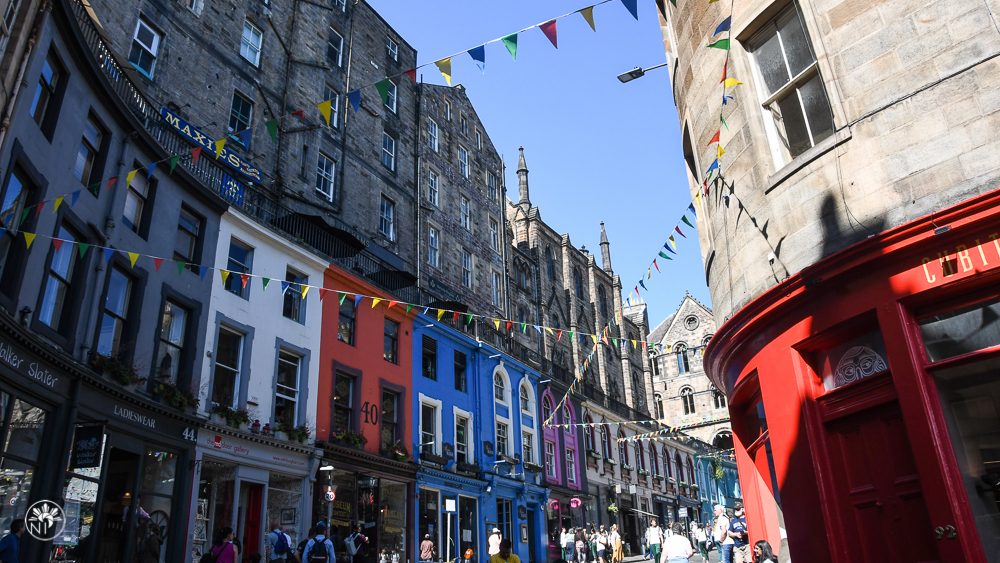
Victoria Street
  1. Eat and Drink

    Edinburgh is a city you can certainly work up an appetite, especially when navigating the many paths, steps, castles and viewpoints. Foodies can enjoy a plethora of cuisines from all over the world or indulge in local favorites. The diversity of Edinburgh’s food scene was explored by UK youtube channel Sorted Food where they embarked on food marathon around Edinburgh consuming 26.2 dishes in 24hrs. Check out Sorted food Edinburgh part 1 and part 2.

    Edinburgh Walking Food Tour With Secret Food Tours

    Despite the international choice of cuisine on offer, local flavors, home comforts, regional ingredients were firmly on the agenda. Pubs, bistro’s and Michelin restaurants offer the very best of Scottish produce in warm welcoming environment, with the aroma of whisky sure to follow. Seeking home comforts with a Scottish twist we descended on one of the many pubs that occupied the Royal Mile. Unfortunately, the pubs we walked into including The Devil’s Advocate, Deacon Brodies Tavern and Albanach were either fully booked or didn’t have a license to accommodate anyone under 18.

    Edinburgh Food Tour for Families

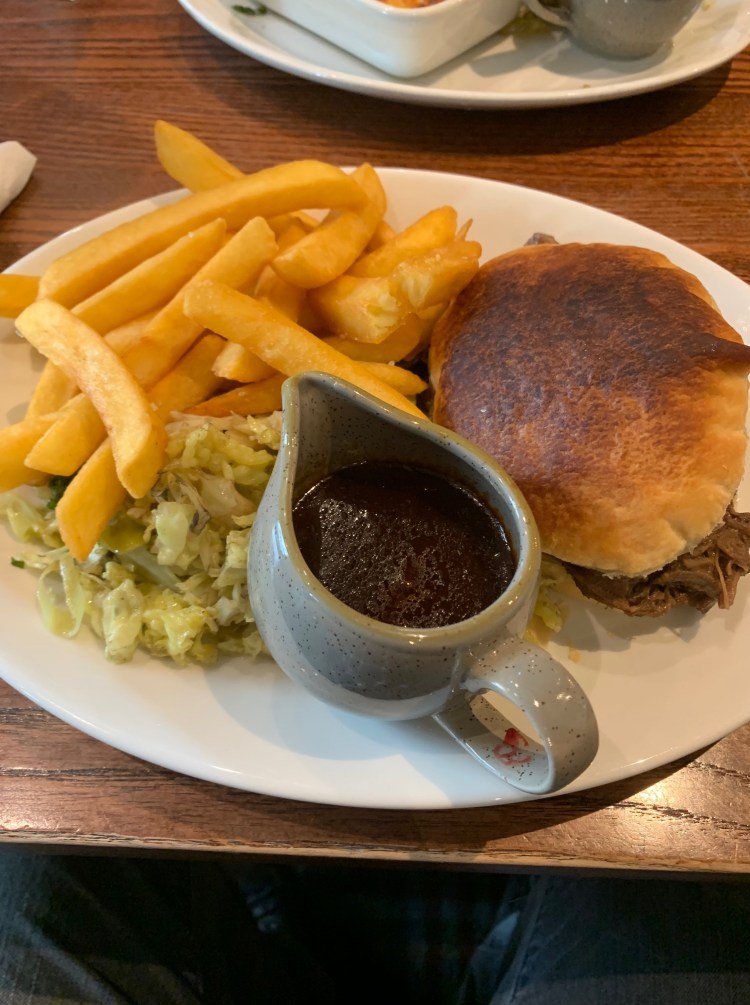
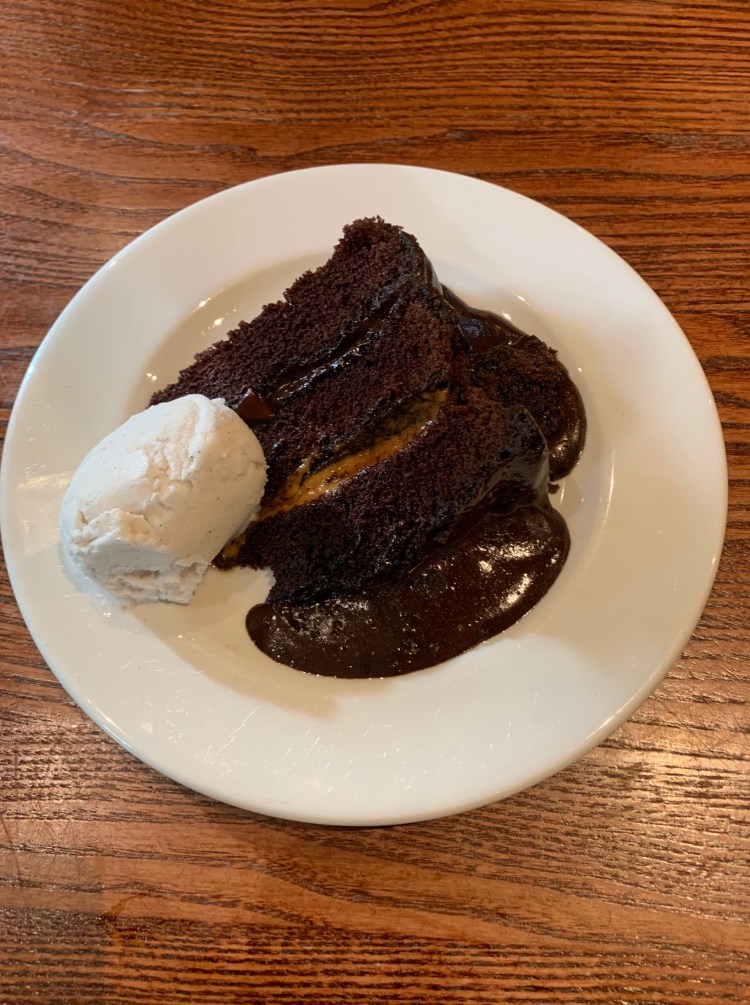
    Happily, however we stumbled upon a gem of a pub just round the corner from the Royal Mile. The Advocate was spacious, accommodating and served a variety of local beverages and classic pub favorites with a Scottish twist. Haggis, neaps and tatties or Steak and Ale Pie and Balmoral Chicken are just some of the dishes on the menu followed by classic deserts such as chocolate fudge cake and sticky toffee pudding.

    The 10 Tastings of Edinburgh With Locals: Private Food Tour

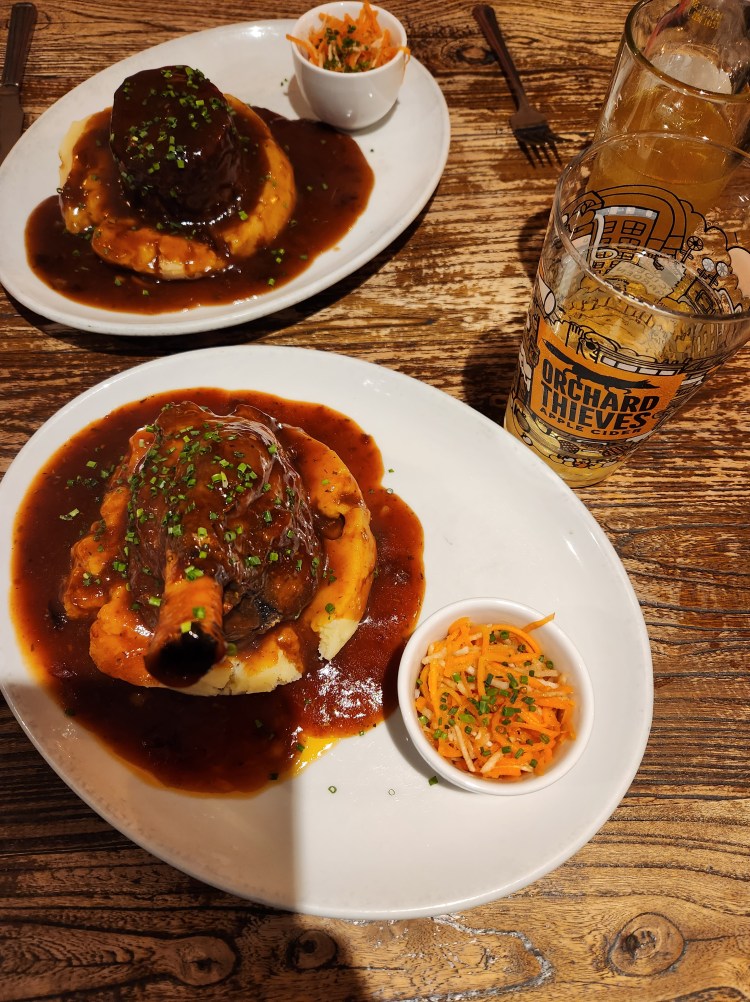
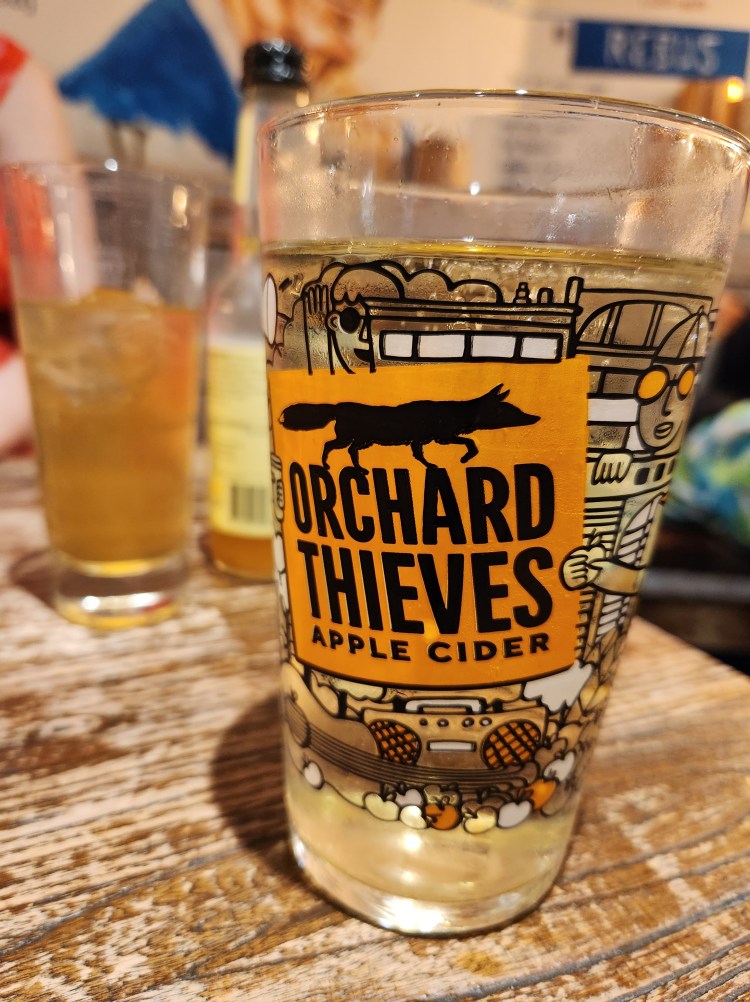
    On a second visit to Edinburgh we took inspiration from Sorted food and checked out Makars Gourmet mash. Located on Bank Street, Makars celebrates classic Scottish dishes sourced with local ingredients paired with craft beers and ciders from the area. The menu as suggested combines a variety of flavored mash paired with braised meat such as lamb shank or beef shoulder, Scottish staples like Haggis and Makars awarding winning Wild Boar Sausages. Vegans and Vegetarians are catered for with plant based alternatives to Haggis and Sausages in addition to a selection of soups, salads and sides. Makars also celebrates the mushroom with dishes created from the variety grown in their in house Mushroom Emporium.

    Discover Malt Whisky Day Tour from Edinburgh Including Admissions

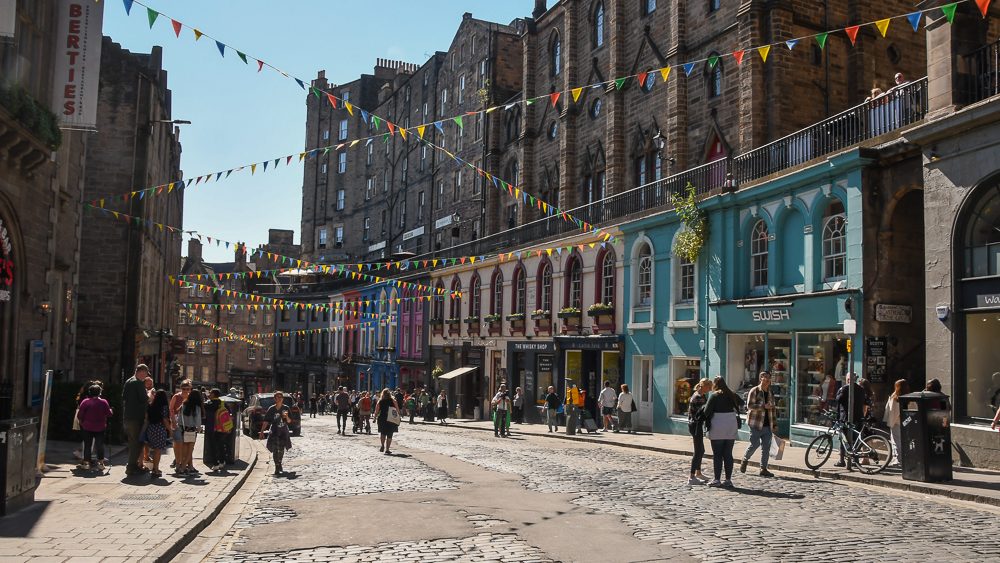
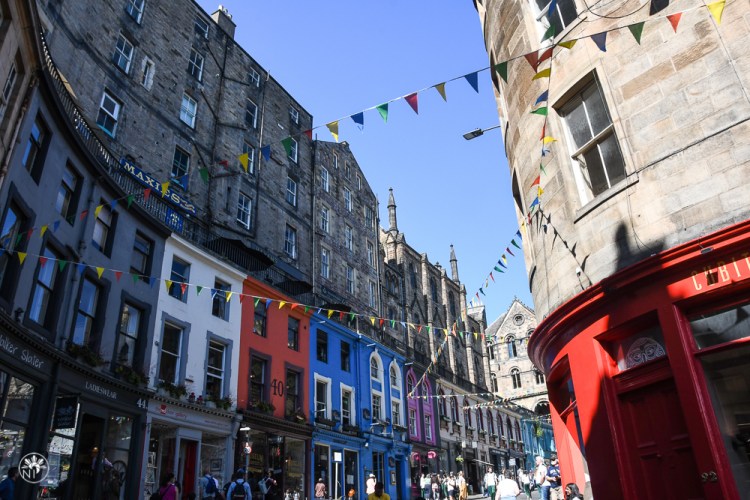
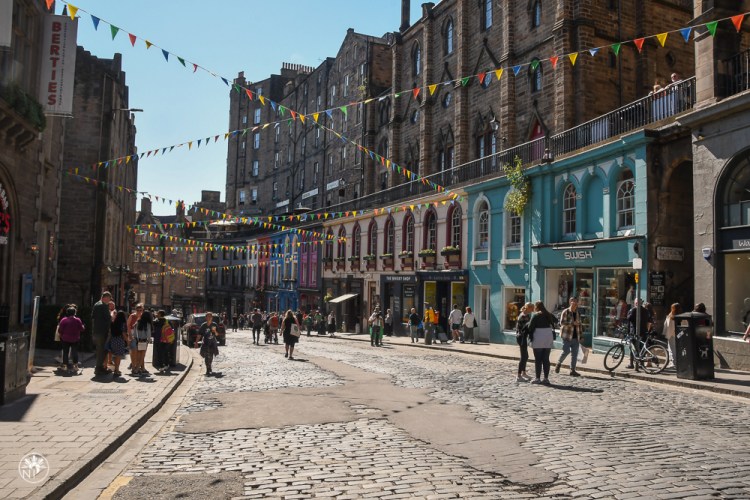
    Onwards from Makars Mash we headed towards Victoria Street sloping towards grassmarket square. Victoria street notable for its colorful buildings is lined with artisanal shops, confectionary, bakeries and restaurants. Walking down the cobblestone streets we headed onwards towards grassmarket square. The square is a vibrant hub of activity and a great place to grab lunch or enjoy a beer with bars and restaurants spilling out into the street and views gazing towards Edinburgh castle. Those with a sweet tooth can enjoy a variety of flavored donuts from Kilted Donuts or ice cream at Mary’s Milk Bar.

    The Edinburgh Cheese Crawl

    For a comprehensive list of Edinburgh culinary diversity checkout the Best places to dine and drink in Edinburgh.
Makars Mash Bar


The Advocate
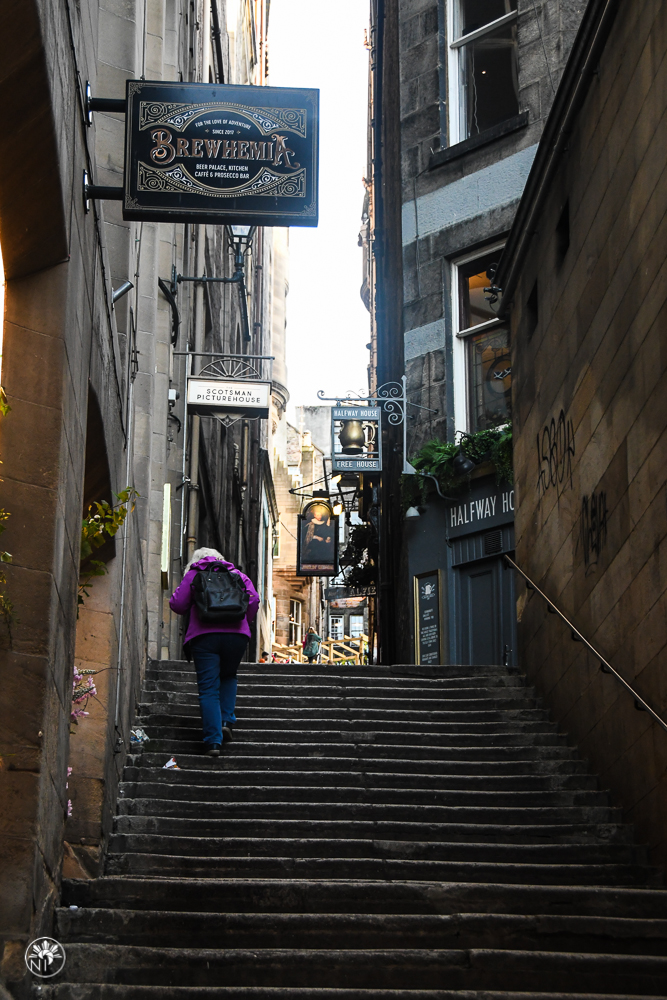
Brewhemia
  1. Royal Mile

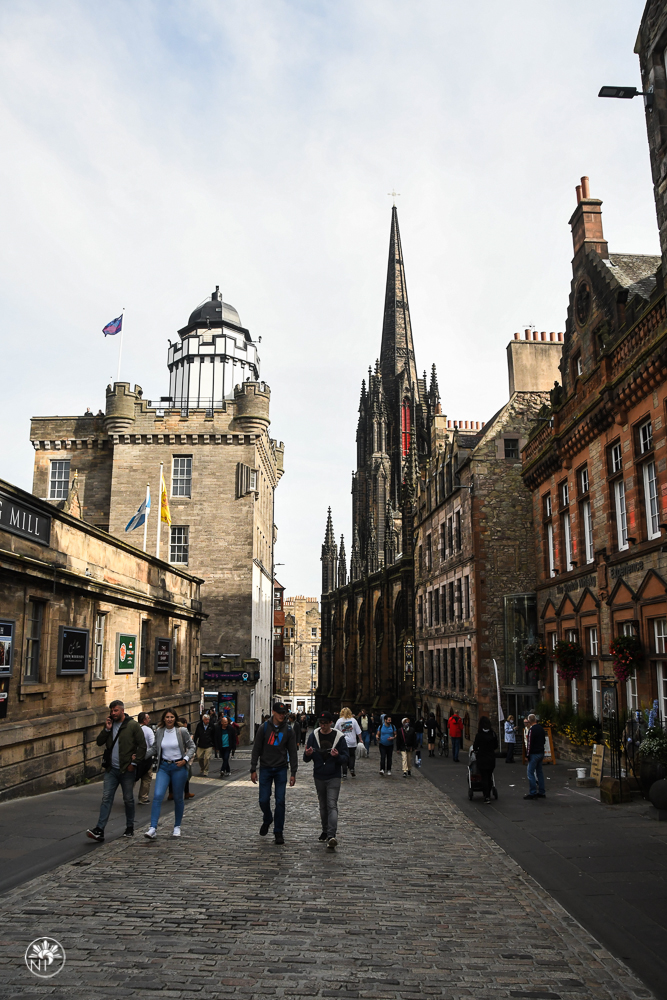
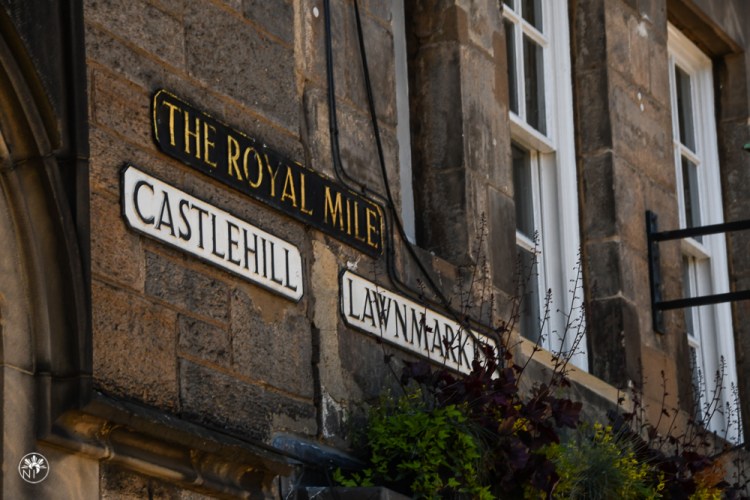
    Descending through the gates of the castle we headed down the Royal Mile. Based in the Old Town and within a World Heritage site, the area is culturally and historically important to the city and jam packed with things to see and do. A ‘Scots mile’ long, and connecting two royal residences (the Castle and the palace of Holyrood House), it is also home to parliaments old and new, law courts, a cathedral and churches, and a vast range of visitor attractions, walking tours, shops, restaurants, cafes and pubs.

    Royal Mile Guided Walking Tour in Edinburgh

    Points of interest such as Scotch Whisky Experience, the museum of childhood and camera obscure & world of illusions are all noteworthy inclusions that unfortunately we weren’t able to cram into a day’s itinerary.

    The Royal Mile offers the perfect spot to find that special souvenir of Scotland – you’ll find a range of items in your family tartan (and if you’re not sure which it might be, they can sometimes help trace your family name to find it), including kilts. You also have the chance to pick up a bottle of whisky from Royal Mile Whiskies or The Whisky Shop for that extra special something. Specialist chocolatiers such as The Chocolatarium, fudge shops like Fudge Kitchen, coffee shops The Milkman Coffee and even a Christmas Shop are located on the Royal Mile. You’ll also find a number of shops selling Harry Potter-themed memorabilia including Museum Context and The Great Wizard, and more Scottish knitwear than you can shake a stick at.
  1. Princes Street

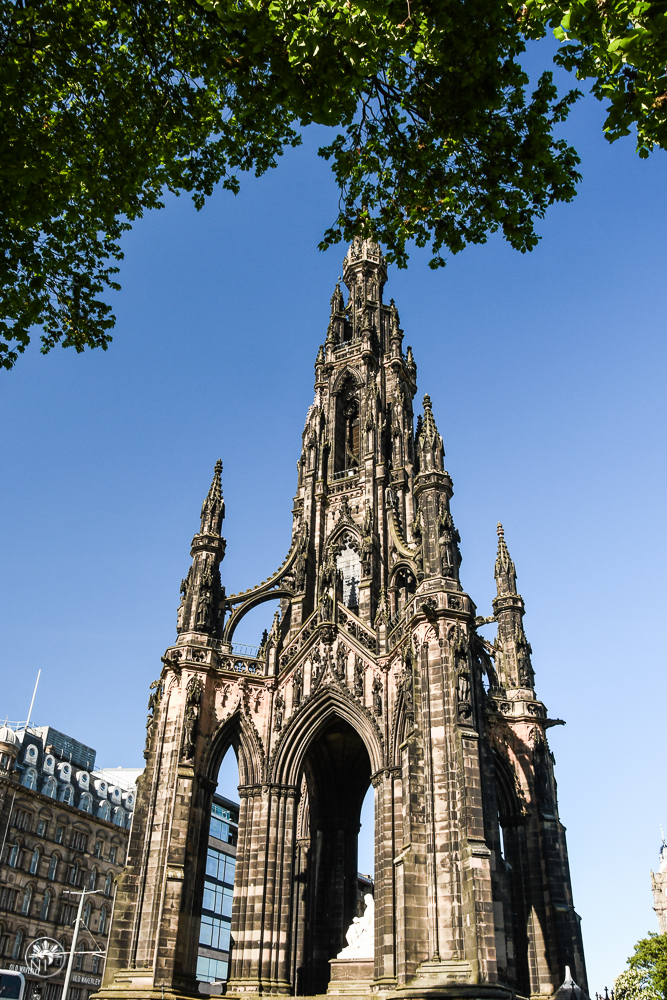
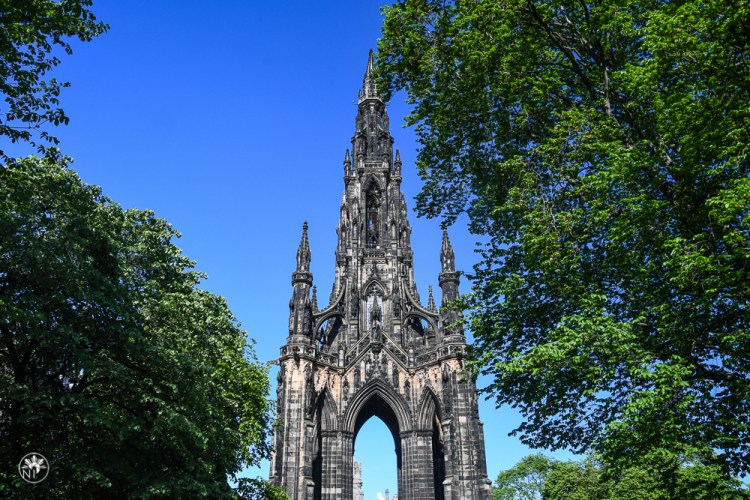
    Lined with shops on the north side, Princess Street is Edinburgh’s principal shopping street. To the south, this heavily trafficked thoroughfare borders the memorial-dotted Princes Street Gardens, a park overlooked by Edinburgh Castle. Princes Street is also known for being one of the principal venues for Hogmanay, Scotland’s famous New Year’s celebrations. Princes St is a great place to wander along or simply rest whist’s taking in the panoramic views of the gardens, buildings and castle. Venturing into the gardens you can navigate several pathways though the fountains, statues and flowers with great views of the castle and monuments. Sticking to princes st as you continue to walk towards Waverly Station you will notice one of Edinburgh’s most iconic landmarks, the Scott Monument. One of Edinburgh’s most recognizable landmarks, the Scott Monument is a tribute to celebrated Scottish author and Edinburgh native son Sir Walter Scott. This imposing gothic tower stands 200 feet (61 meters) tall and dominates the skyline of New Town. If walking around Edinburgh wasn’t strenuous enough you can climb the 287 steps to the top and enjoy spectacular views of the gardens and castle.
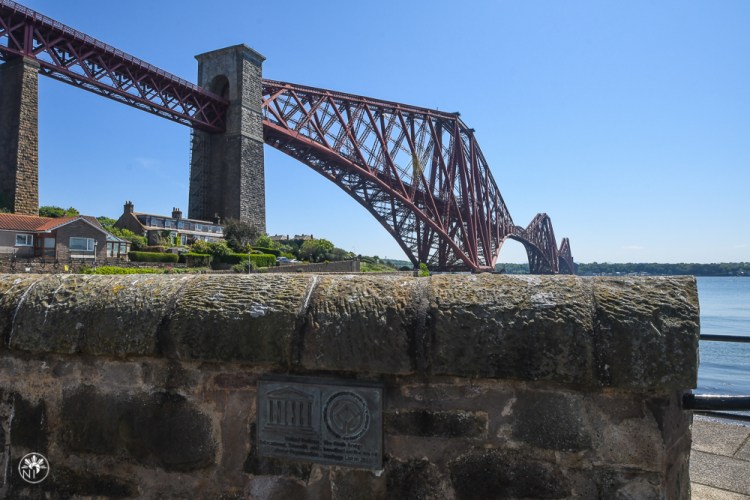
  • Forth Bridge

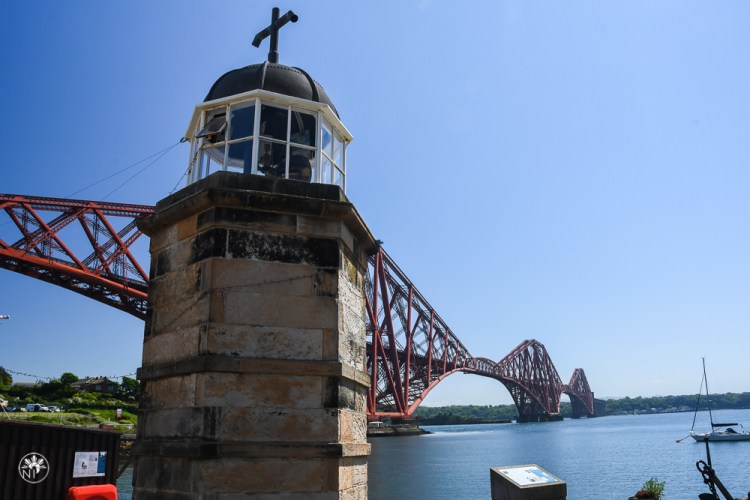
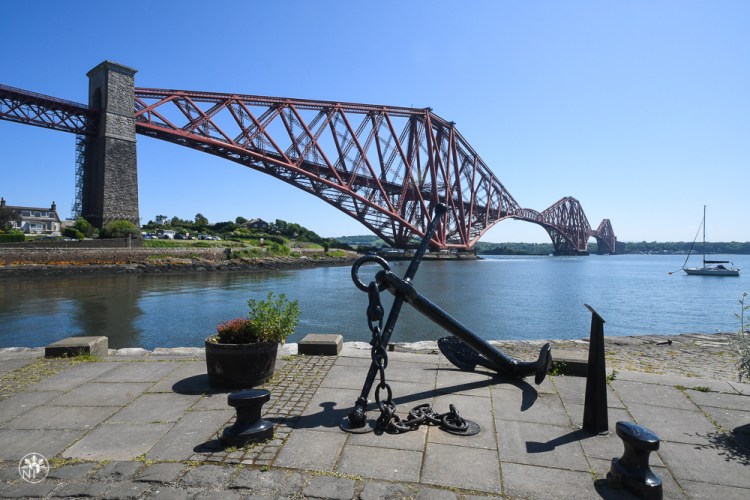
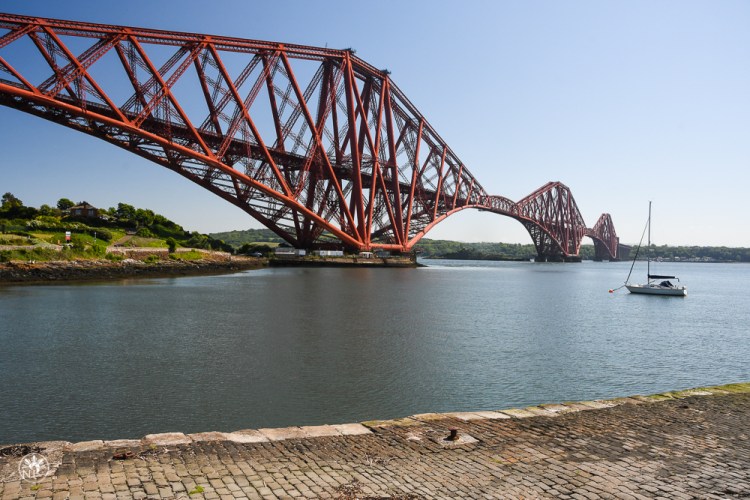
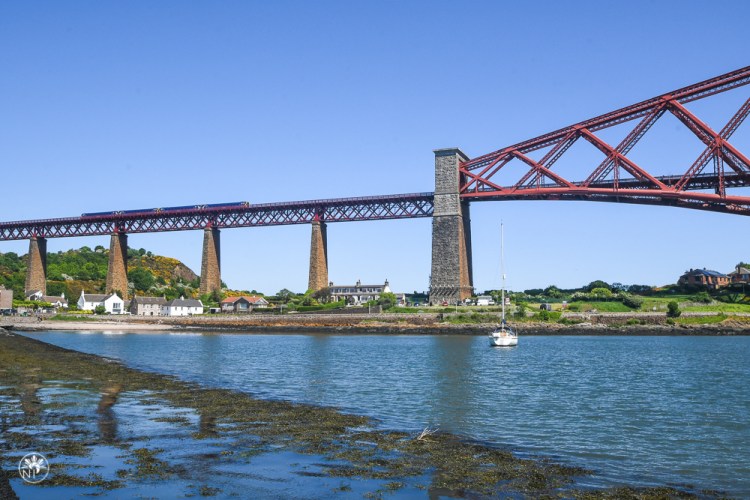
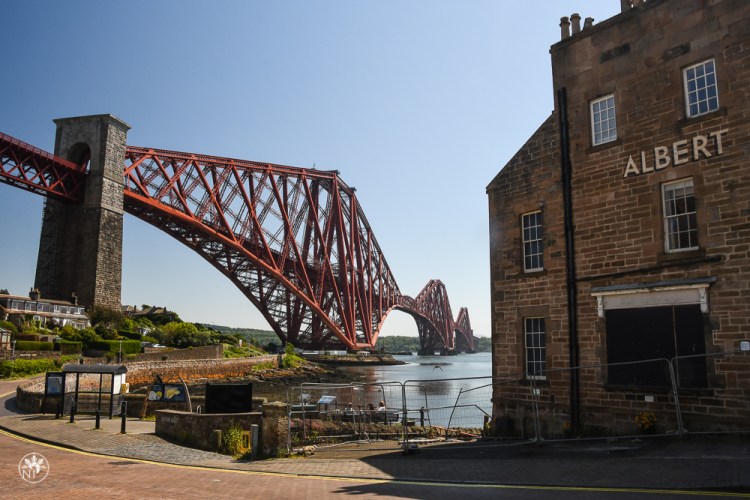
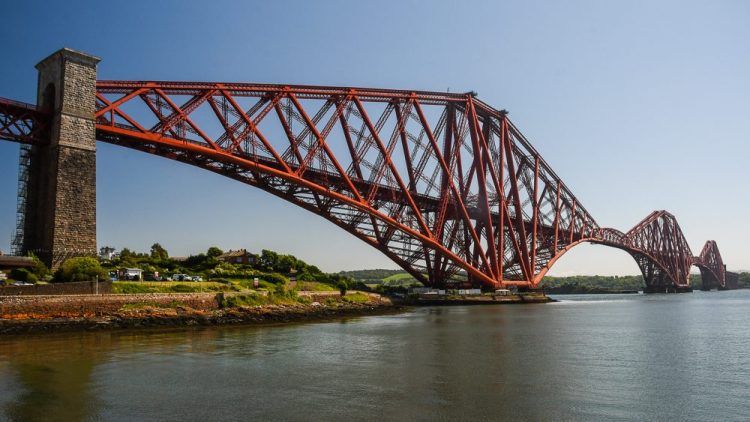
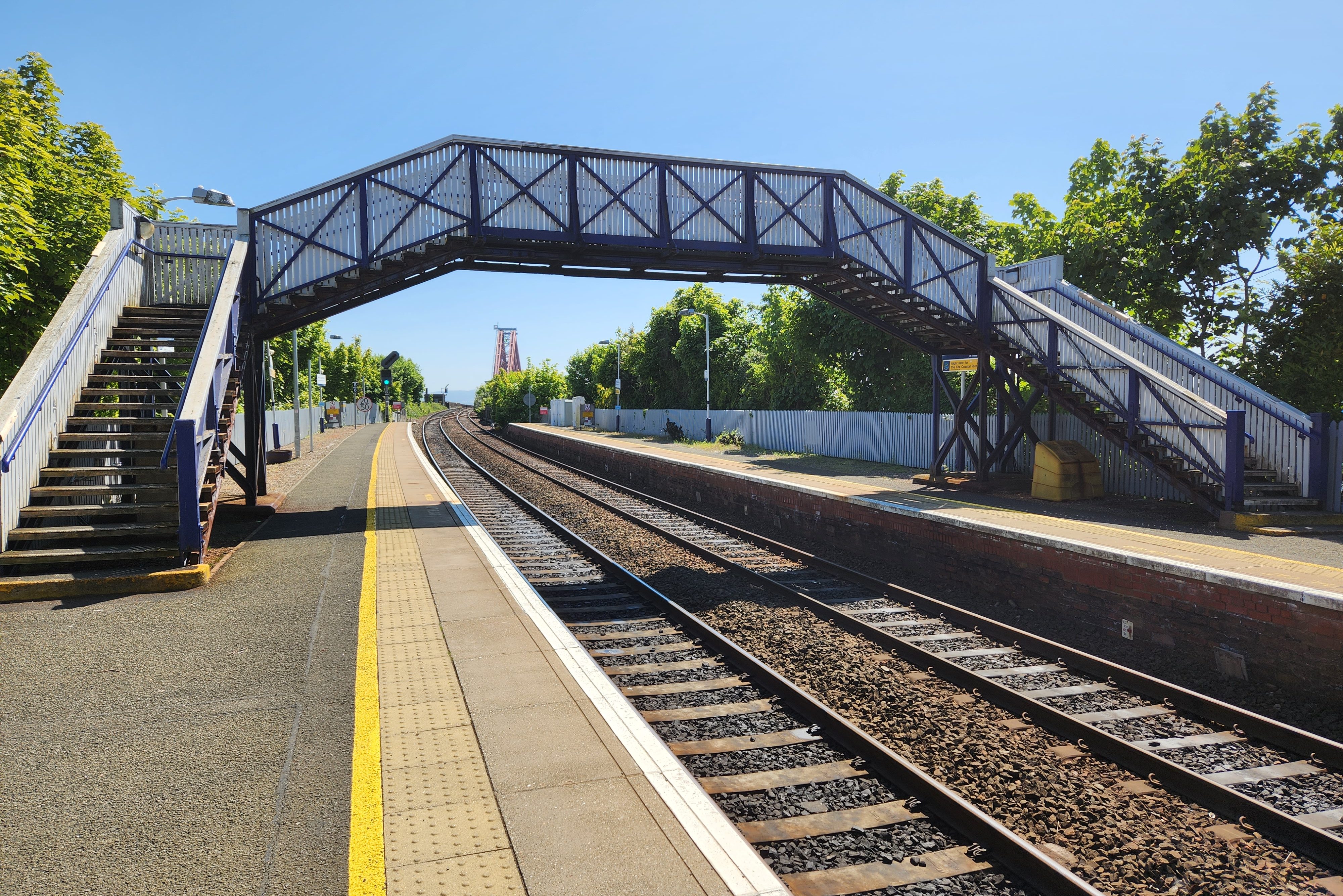
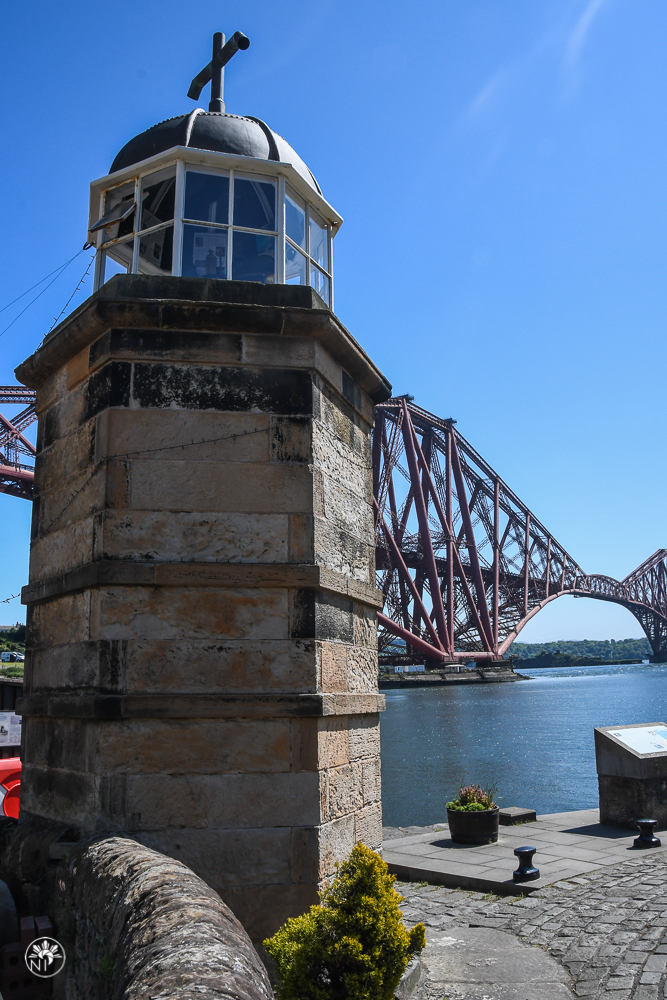
    Before setting off to wonder the streets of Edinburgh we decided to take a short ride towards Queensferry to visit The Forth Railway Bridge that crosses the Forth estuary. The Forth Bridge is a celebrated Scottish landmark and symbol of Britain’s industrial and transport heritage. A triumph of engineering, the bridge is also a UNESCO World Heritage Site. Its 1,709-foot (521-meter single cantilever span is the second-longest in the world.

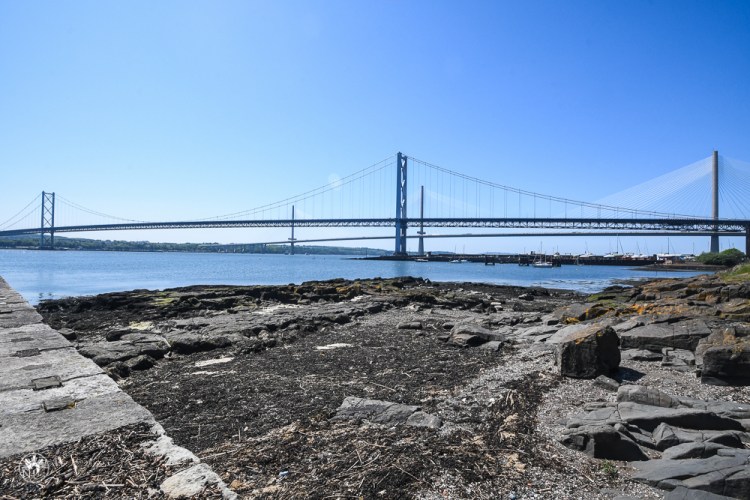
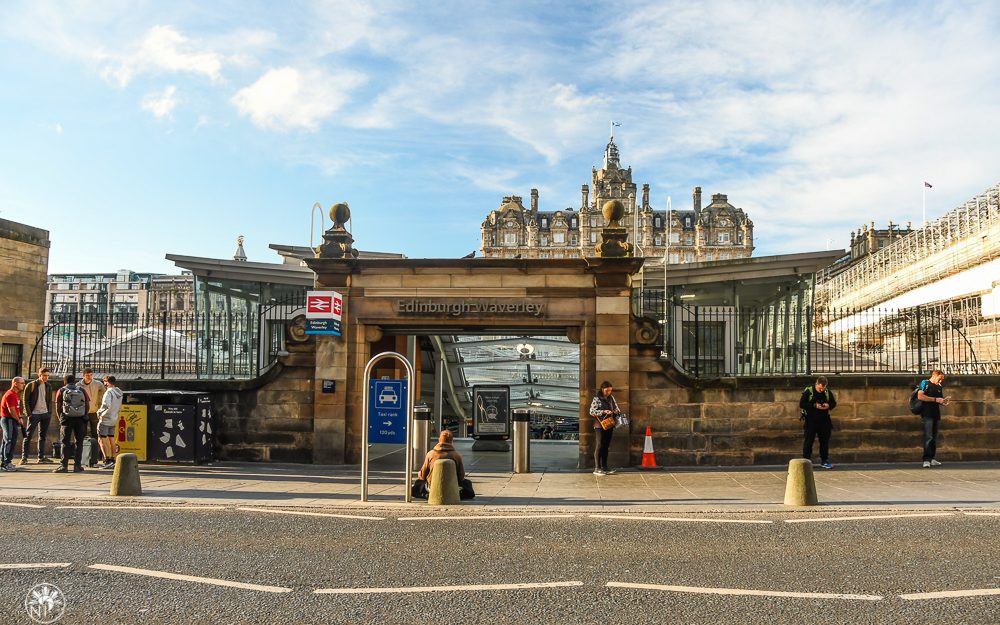
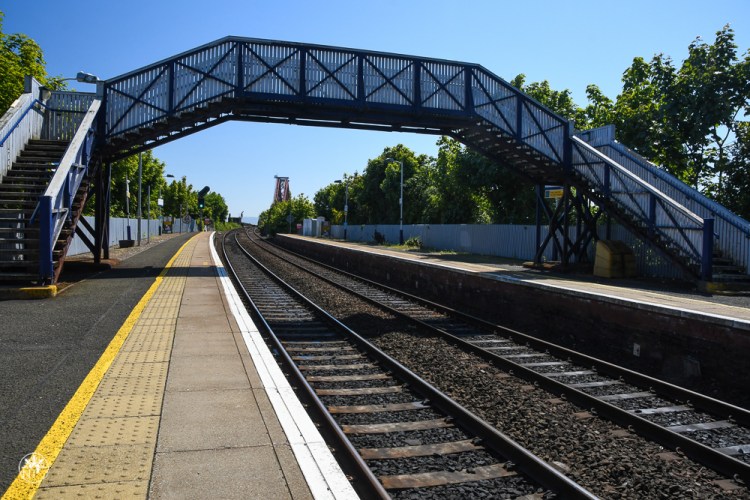
    Trains depart frequently from Edinburgh Waverly towards North Queensferry or Dalmeny depending on which side of the estuary you get off at. Personally I would exit at North Queensferry so you experience the Forth bridge for its intended purpose. Exiting the station head towards South Bay of North Queensferry located just a short 10-minute walk away. On your way to the bay area their is hidden gem of a restaurant called “The Wee Restaurant”. Nestled under the iconic Forth Railway Bridge The Michelin star rated restaurant champions seasonal Scottish produce “serving simple good food and wine since 2006”, in a truly relaxed atmosphere. The bay area is a serene and peaceful oasis that holds spectacular views of the Firth of the Forth and its three bridges. Just round the corner you will find Queensferry Light Tower, the smallest one in the world of its kind that is still in use. The pier stretches out into the estuary for a full 180 degree view and the bridges provide a stunning backdrop for any photographer when seen from the ground or the air. At this point we headed back to Edinburgh, however you can easily spend the day touring the bridges and Queensferry area by land or water.

    1.5 hour Firth of Forth Sightseeing cruise

    Just a 10 minute walk from North Queensferry South bay is the North Access bus stop. Weather permitting you can walk or cycle across the Forth Road Bridge where you’ll be treated to breathtaking views of the adjacent bridges. Once across head towards Queensferry Museum, the museum has stunning views out onto the Firth of Forth and the UNESCO World Heritage site, the Forth Bridge. Whether your interest is social history, folk traditions or civic engineering, there is something here for everyone to enjoy.

    Award winning Blackness Castle, Three Bridges Cruise with Cream Tea

    Beyond the Queensferry Museum is the Maid of the Forth, boats depart from Hawes Pier where you can embark on a scenic sightseeing cruise, encountering wildlife as you pass under all three Forth Bridges and down towards Inchcolm Island. By far the best way to view the magnificent engineering of the Forth Bridge, The Forth Road Bridge and the Queensferry Crossing. During peak season its best to book the cruise in advance to avoid disappointment. For more info on departures, itineraries and pricing check out the link: Maid of the Forth or Edinburgh Three Bridges Cruise.

    3-Day Isle of Skye and Scottish Highlands Tour Including “Hogwarts Express” Ride
    If a boat cruise isn’t your cup of tea South Queensferry has plenty of shops, bakeries, artisans and restaurants to indulge. Try fresh seafood at The Boathouse, Scottish pastries and of course whisky while you enjoy the spectacular views of the Firth of the Forth Bridges. Dalmeny station is a 15 minute walk from Hawes pier if you are heading back into Edinburgh city center.

    Scottish Highlands and Hogwarts Express Tour from Edinburgh


Best Places to Dine and Drink in Edinburgh

Edinburgh is a city you can certainly work up an appetite, especially when navigating the many paths, steps, castles and viewpoints. Foodies can enjoy a plethora of cuisines from all over the world or indulge in local favorites. The diversity of Edinburgh’s food scene was explored by UK youtube channel Sorted Food where they embarked on food marathon around Edinburgh consuming 26.2 dishes in 24hrs. Check out the videos below:

The breadth of cuisine is truly illustrated in the two videos above, however for some alternate options check out my curated list of bars, restaurants, bake shops, artisans, pubs and hidden gems located around Edinburgh and nearby Queensferry.

Forth Bridge – North Queensferry
Read more: Best Places to Dine and Drink in Edinburgh

5 Things to see and do in Buenos Aires


The Argentine capital is a hive of activity, Latin flare, colonial architecture, intense nightlife and passionate gastronomy. Every neighborhood has its own story to tell, the flavors of Argentina emanate from bakery’s, steakhouse, cafes and bars waiting to be discovered. Despite the short stay, Buenos Aires left a lasting impression and is a must visit destination when exploring South America. Here is just a taster of the sites to explore:

  1. Orientation

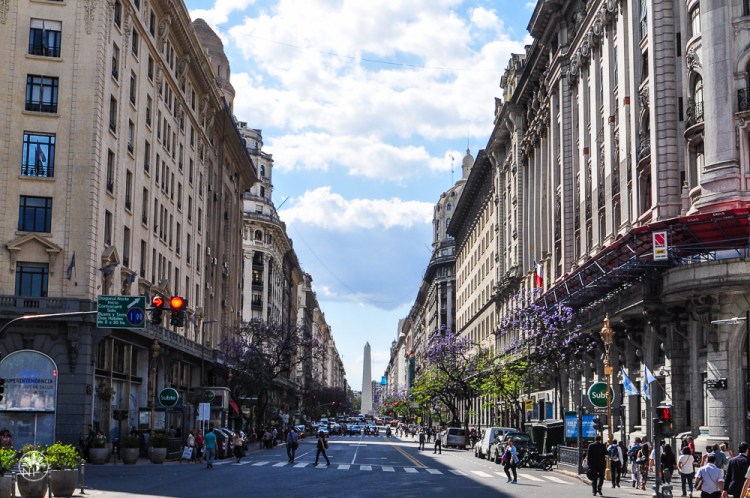
    Familiarizing yourself with a new city is all part of the fun of travelling and Buenos Aires was no different. Basing ourselves in the heart of Palermo we were within walking distance (1hr) of places like Botanical Gardens, Obelisco, Plaza de Mayo and Recoleta neighborhood. The city is connected in a grid like system similar to Manhattan with the roads distinguishable by destination place names like Costa Rica, Paraguay, Honduras. This makes navigation easy to follow with the road signs as checkpoints on your way to a particular location.

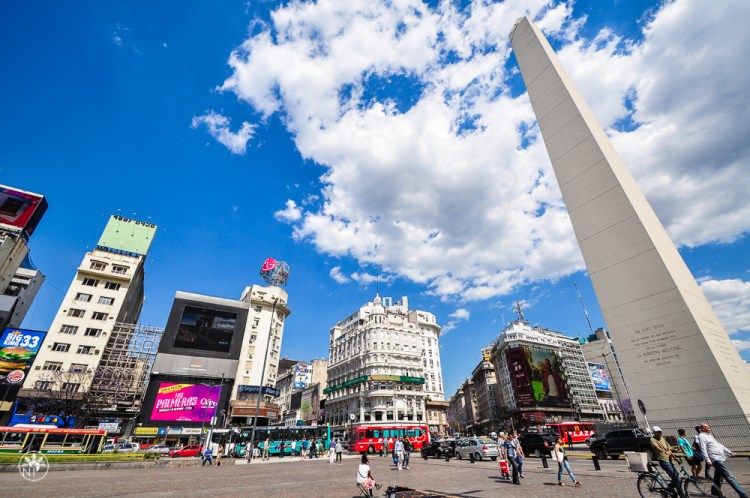
    Trekking east down Ave Cordoba will lead you to Ave 9 De Julio where you will see Obelisco and further on Diagonal Norte leading direct to Plaza De Mayo. Heading North on Av Raul Scalabrini Ortiz you will come to a large intersection Ave Sta Fe when you can go west towards the Botanical Gardens or East eventually leading towards Ave 9 De Julio. No matter what direction you take its likely to be an adventure and its on these journeys you discover that restaurant or bar for a memorable lunch stop.

    If a self guided walking tour doesn’t appeal, a hop on hop off bus tour is a great way to explore the cities sites and neighborhoods. The yellow buses hovering around the city are the official Buenos Aires tourist bus to take.
    The Tourist Bus will take you to tour the most emblematic neighborhoods of the city of Buenos Aires. Its route begins in the picturesque neighborhood of Recoleta and has 22 stops. With panoramic views, you can appreciate historical places, cultural spaces and unique neighborhoods full of Argentine culture.

    The buses run every 15 minutes and the ride within the city lasts 3 hours 20 minutes, providing a Hop On/Hop Off service so you can get on and off the Bus as many times as you want. Enjoy informative audio commentary and learn about Buenos Aires, its Plaza de Mayo, La Boca, Caminito, Puerto Madero, Teatro Colón, and Floralis Genérica. Visit La Bombonera (the home of the famous Boca Juniors football club) and many more attractions of this beautiful city.
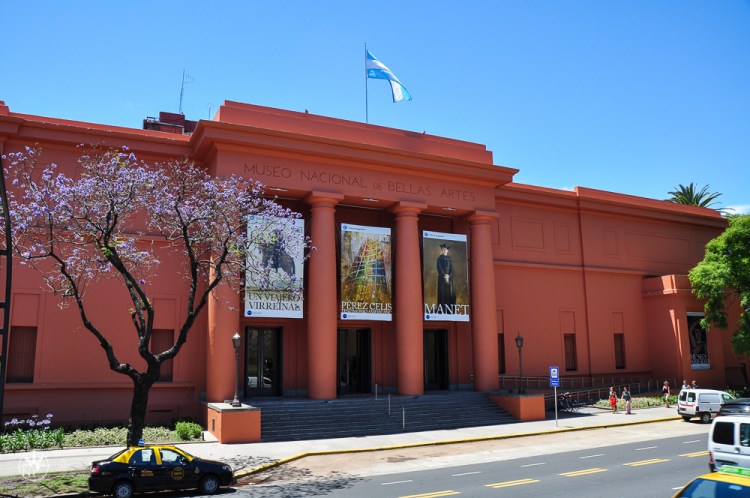
Museo Nacional de Bellas Artes
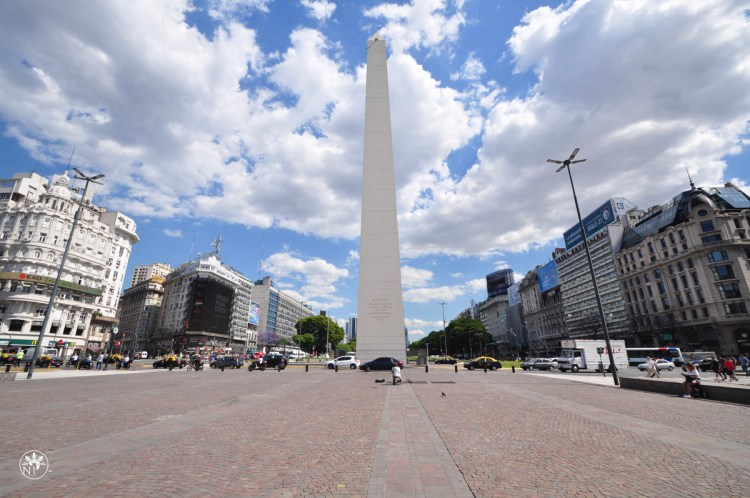
Obelsico
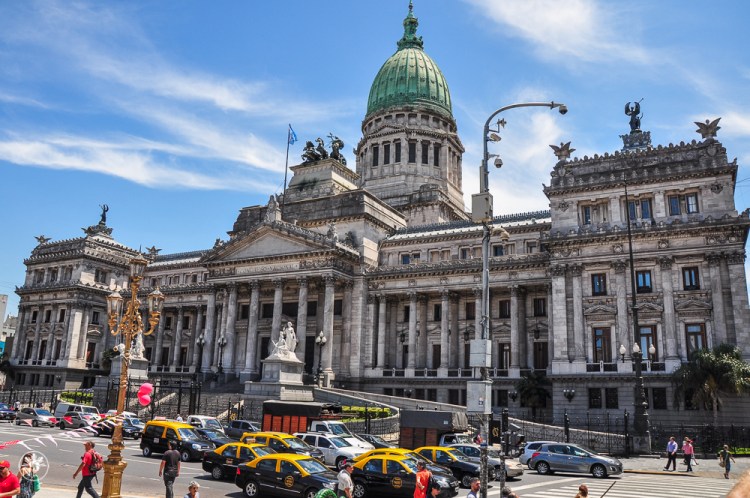
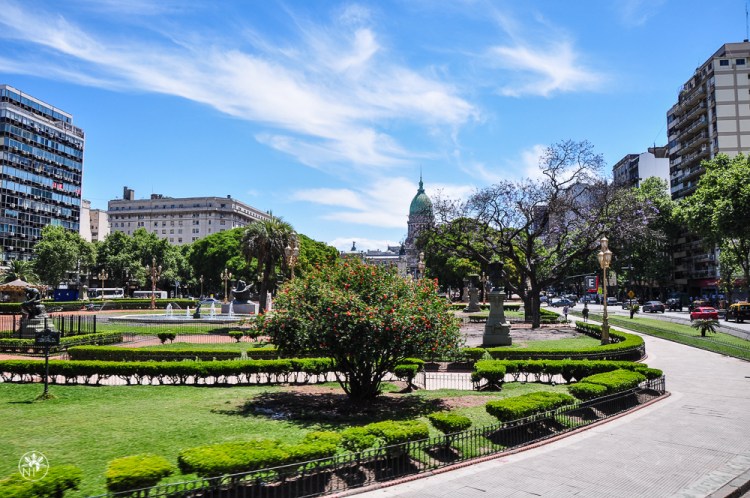
Congreso Nacional
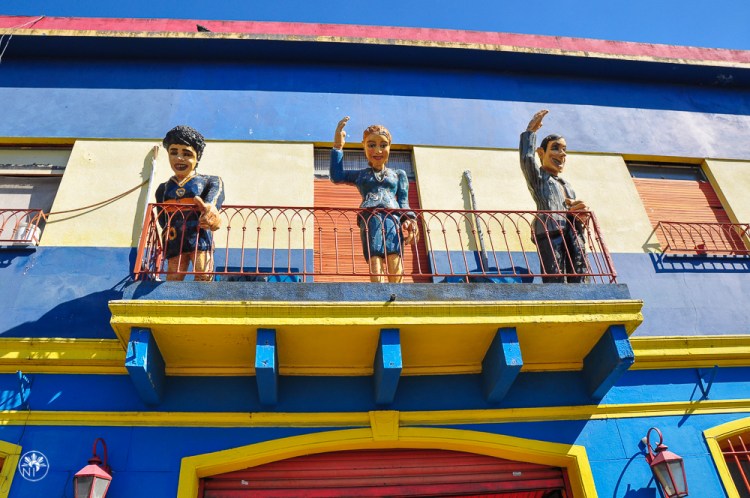
La Boca
Plaza de Mayo
Buenos Aires Metropolitan Cathedral
Floralis Generica
  1. Plaza De Mayo

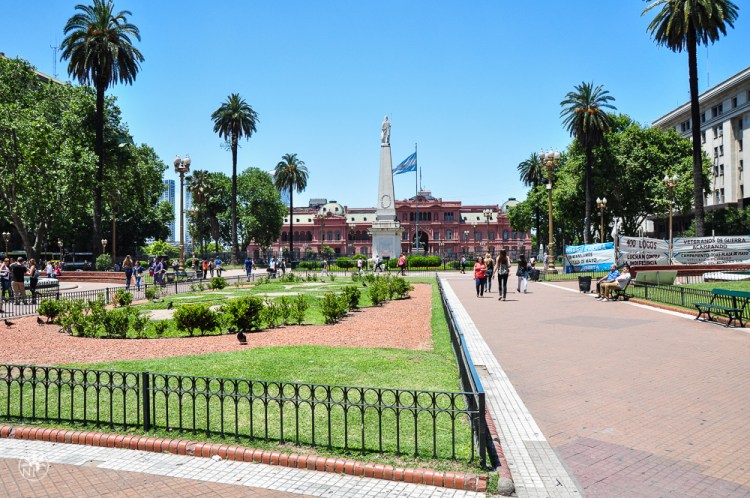
    Plaza de Mayo is located between downtown Buenos Aires and San Telmo, and can be reached on foot from many of the central sights. The closest subway (subte) stations are Plaza de Mayo (Line A), Bolivar (Line E), and Catedral (Line D), and numerous bus lines stop around the square. Most Buenos Aires sightseeing tours include a stop at Plaza de Mayo, including walking, bike, and bus tours. From the plaza, it’s an easy walk south to the markets and tango venues of San Telmo, east to the parks and bars of Puerto Madero, or north along the main shopping street, Florida Avenue.

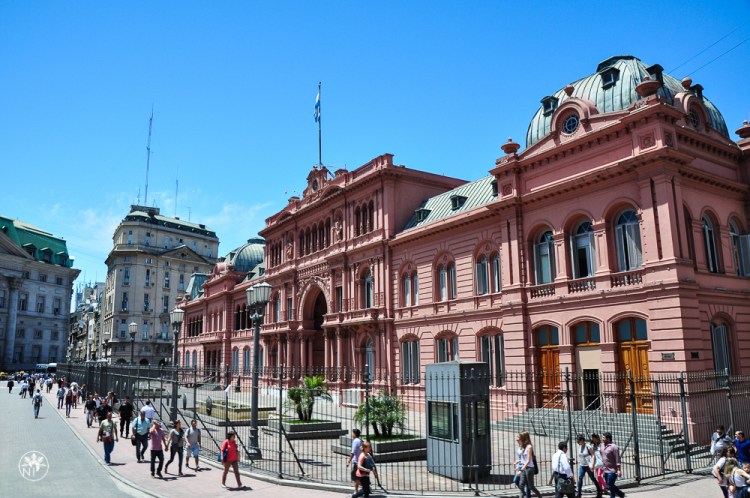
    The best way to explore Plaza de Mayo is on foot, strolling around the leafy central plaza and stopping to admire the grand 19th-century buildings. Though the most popular photo stops are the Casa Rosada and Metropolitan Cathedral, there are other notable buildings, such as the imposing Banco de la Nación (National Bank) and the Cabildo (Old City Hall).Named for the May 1810 revolution, the square’s centerpiece is the Pirámide de Mayo, an obelisk commemorating Argentina’s independence.


Casa Rosada
La Boca
  1. La Boca

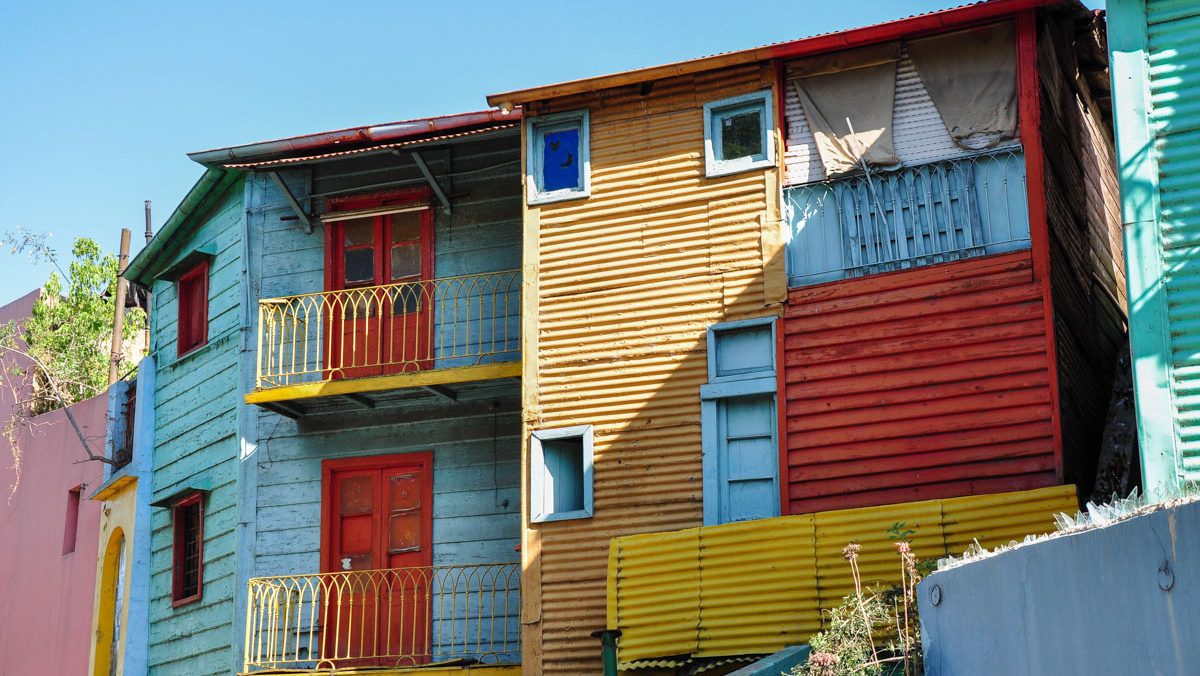
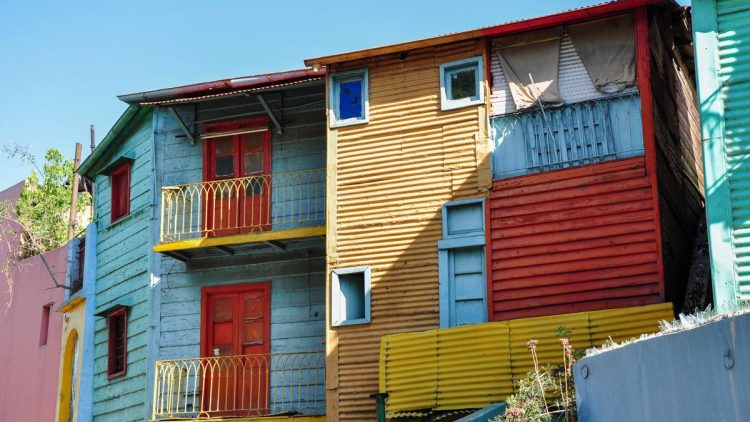
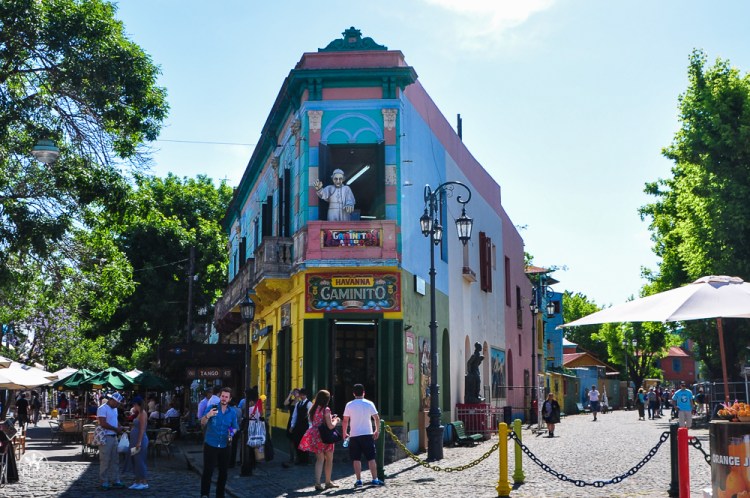
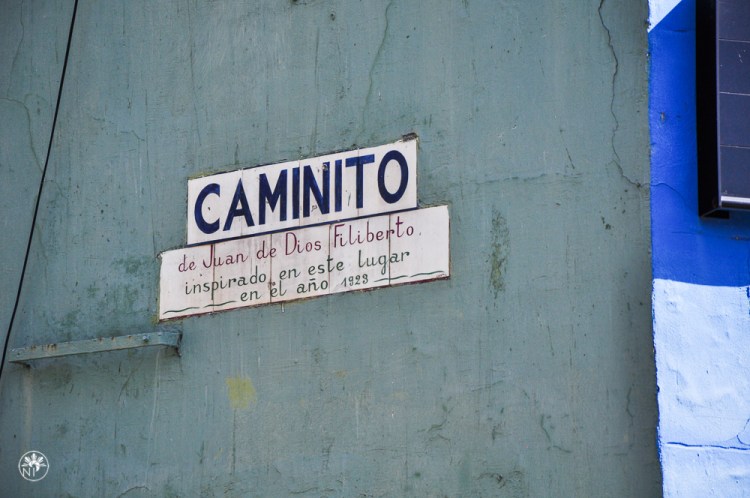
    Few places in Buenos Aires are photographed as frequently as Caminito Street. The main artery of the waterfront La Boca neighborhood is a jumble of old buildings, brightly painted facades, and street-side market stalls, with hawkers, buskers, and tango dancers adding to the atmosphere.

    Most Buenos Aires city tours stop at Caminito Street, and the buildings make a colorful backdrop for travel photos; look out for statues of Argentine political figures like Eva Perón and Che Guevara, and football hero Diego Maradona peeking out from doorways and balconies. Visitors can browse the street market, where stalls sell souvenirs and handicrafts; drink a yerba mate (tea) at one of the terrace cafés; or watch the street tango dancers.

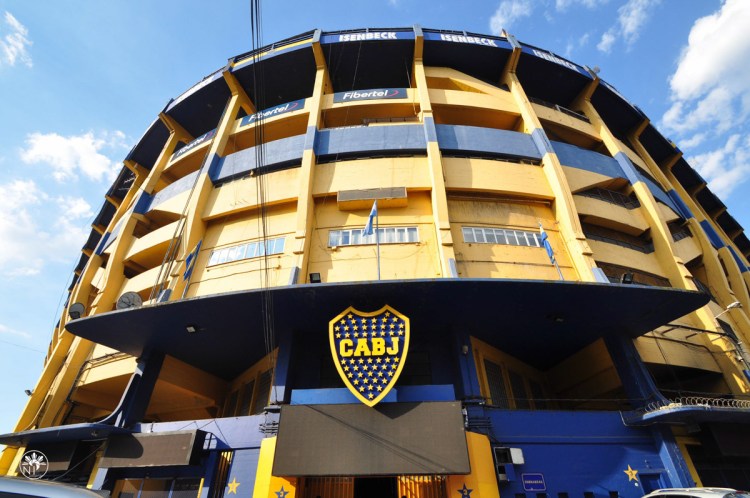
    Around the corner from Caminito street is La Bombonera the home of Boca Juniors one of Argentina’s most famous football club. Explore the streets and Murals of past great players that decorate the surrounding buildings.
La Bombonera
Caminito
  1. Palermo

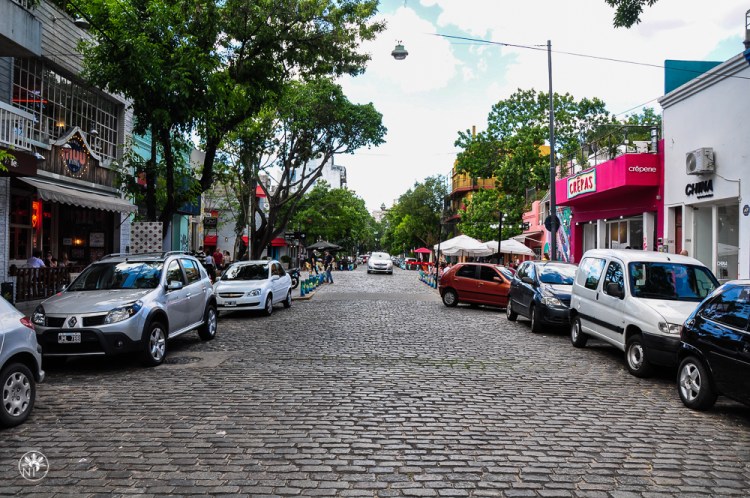
    Palermo is the neighborhood we setup base camp during our visit to Buenos Aires. Conveniently placed within walking distance of parks, plaza’s, museums with connections to public transport it was the perfect place to start exploring Buenos Aires. Bike tours are a popular way to explore, and the most scenic route takes you through the Palermo Woods, passing the Botanical Gardens, the Japanese Garden, the planetarium, and the Floralis Genérica sculpture Buenos Aires’ largest barrio, the northeastern district of Palermo is one of the city’s most affluent and fashionable neighborhoods. Known for its beautiful parks, grand monuments, and art museums, Palermo is whereporteños (locals) come to eat, shop, and party, with a buzzing nightlife and some of the city’s top restaurants, bars, and cafés.
  1. Dine and Drink

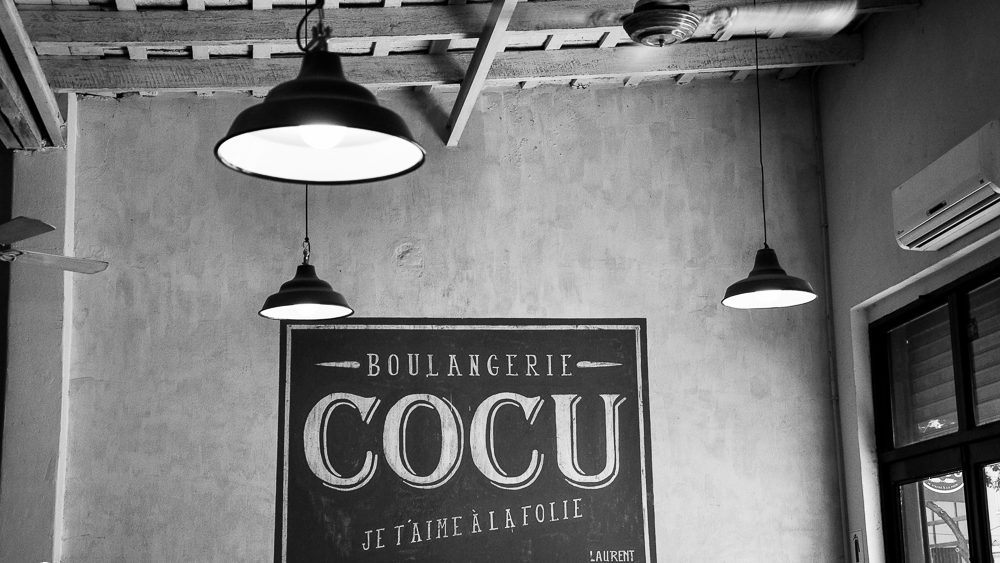
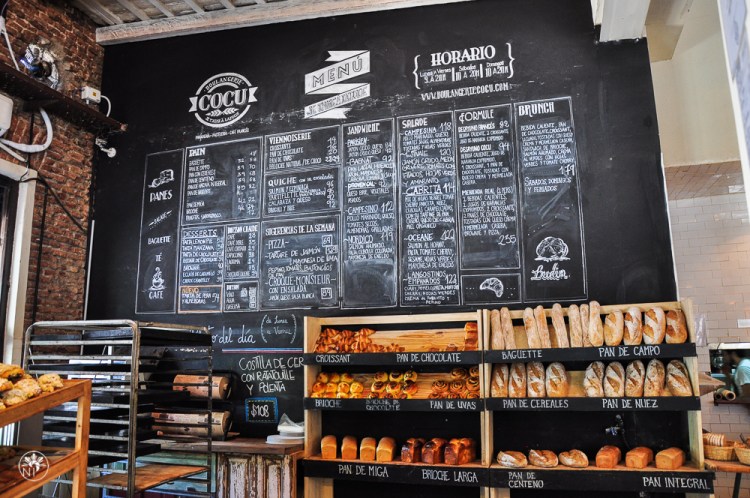
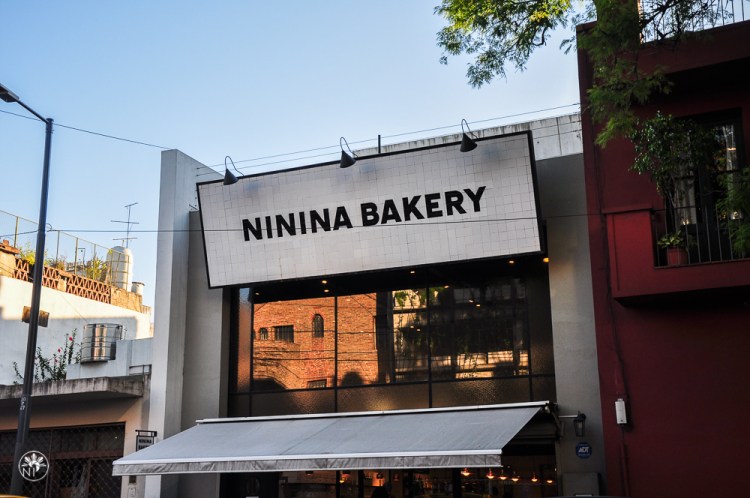
    Eating and drinking your way through a new country or city is one of the most enjoyable experiences to indulge in and Buenos Aires is no different. As mentioned earlier the neighborhood of Palermo is a great place to start. The apartment was opposite a French restaurant/cafe – Cocu serving fresh croissants, cooked breakfast, sandwiches and array of sweet pastries, the perfect way to kick off your morning. Just around the corner was another breakfast place Ninina serving croissants, sandwiches, avocado toast and every possible variation of the humble egg. Away from Breakfast we stumbled across Israeli, Armenian, South East Asian and other niche cuisines to cater for every pallet. Even the common Beef Burger is elevated at places like Burger Joint or The Burger Company and no visit would be complete without cooling off with tasty gelato at Lucciano’s or Alchemy.

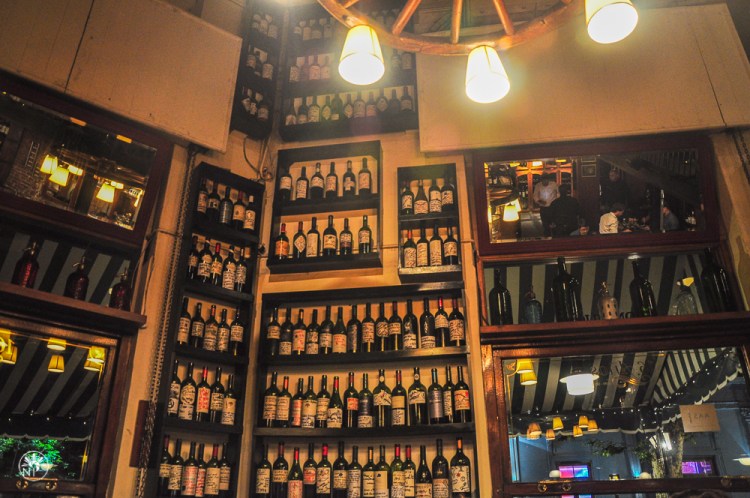
    No trip to Buenos Aires would be complete without feasting on Argentina’s famous beef accompanied by the finest Malbec. In the Palermo district the one that stood out the most was Don Julio. Every night we past the restaurant it was full, guests spilled out into the street in anticipation for the gastronomic feast that lay ahead. Once inside the atmosphere was perfumed with the aroma of flamed meat, wine bottles lined the walls the message of previous diners.

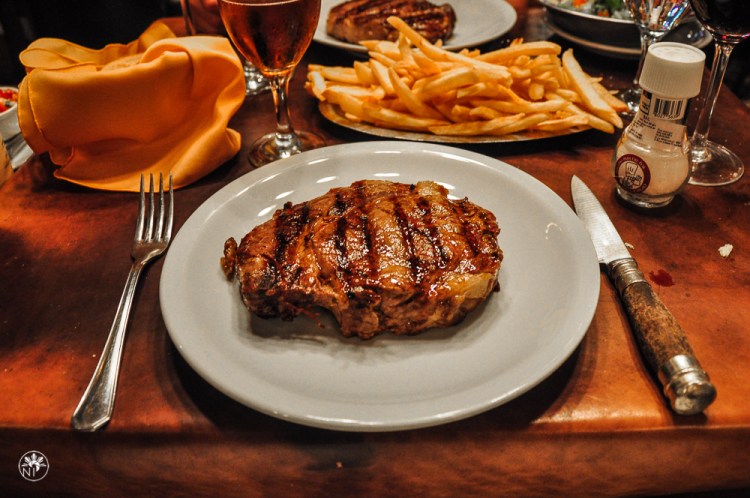
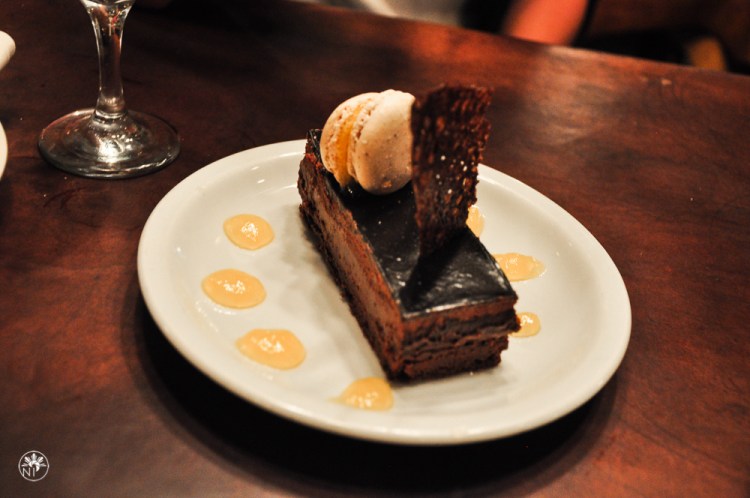
    We ordered empanadas and a selection of house charcuterie followed by the perfect flamed grilled rib eye steak accompanied with fries and chimichurri. The waiter recommended the perfect Malbec to pair and compliment the flavorful meat and their was even room to squeeze in a chocolate dessert. Quality ingredients prepared with precision, cooked with passion and to perfection made Don Julio one of the most memorable dining experiences in the world. The restaurant also features in the 50 Worlds Best Restaurants.

    San Telmo is also one of the best places in town for dinner and a tango show. For something more casual, stop at one of the cafes surrounding Plaza Dorrego to take in the sights and sounds, including a possible impromptu tango performance right on the street. To indulge on a tasty burger go to the Market Burger or feast at one of the many steakhouses such as The New Brighton, Sagardi Argentina or Parilla La Brigada for that authentic grill experiences and latin atmosphere.

    Take a day away from site seeing to eat and drink your way around theses neighborhood stumbling across gem after gem was one of highlights of the Buenos Aires.


  1. Iguazu Falls

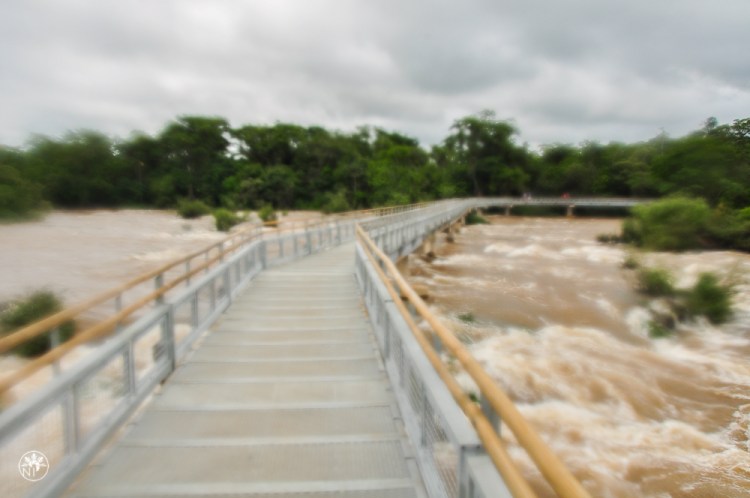
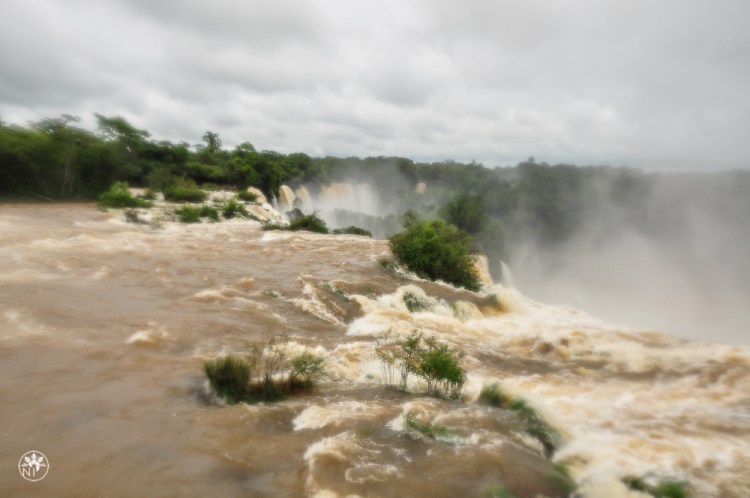
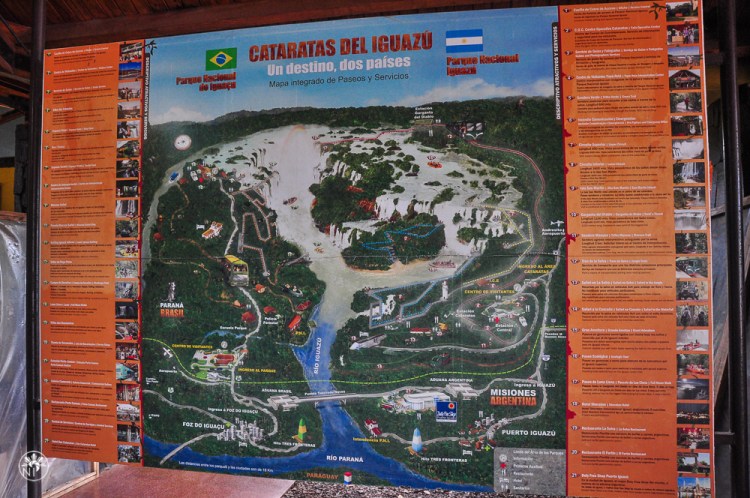
    Travelling to Buenos Aires is an epic experience in itself but it would be a shame to go all this way without visiting one of South America’s most amazing natural wonders. Planned into the itinerary was a three day trip to Puerto Iguazu.

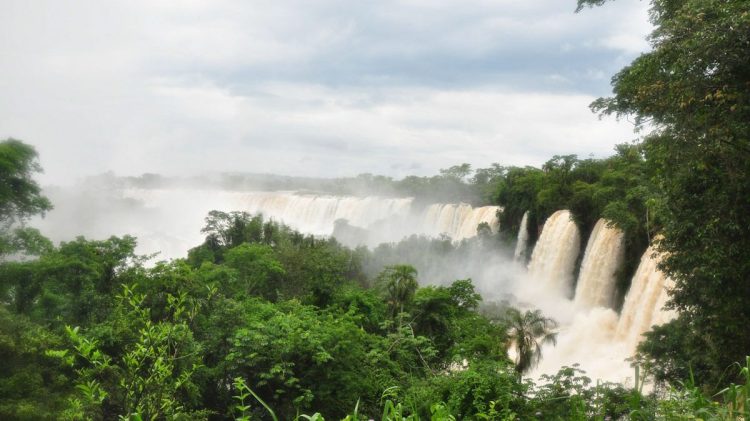
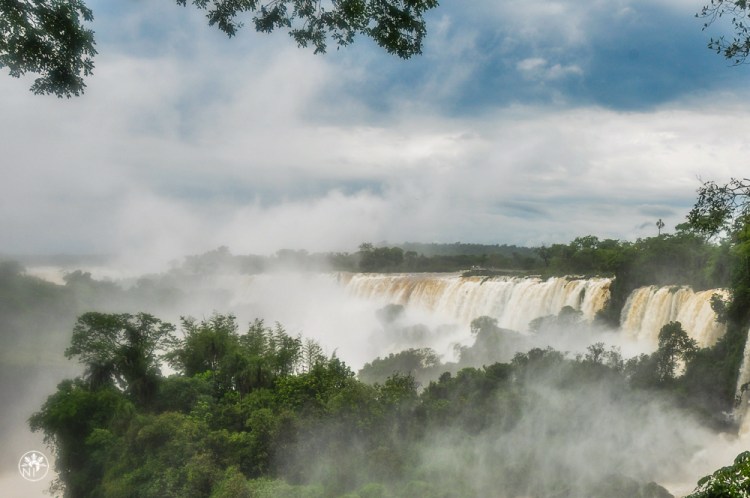
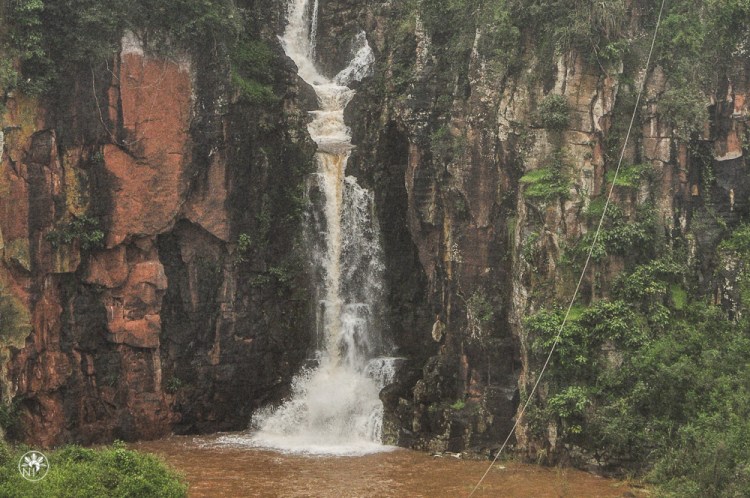
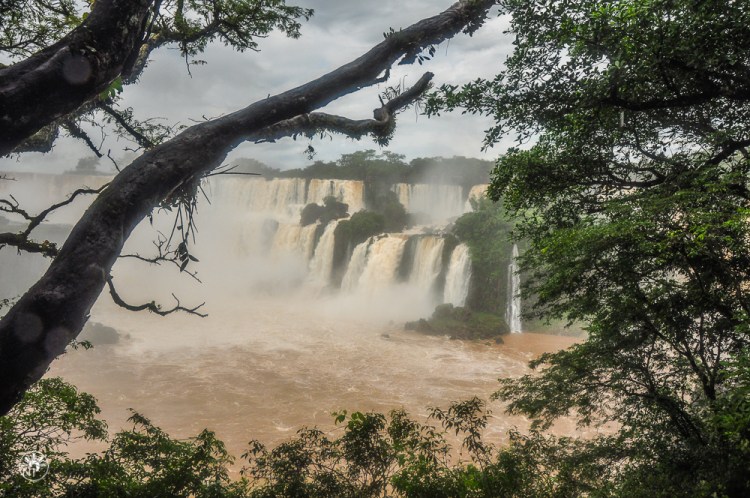
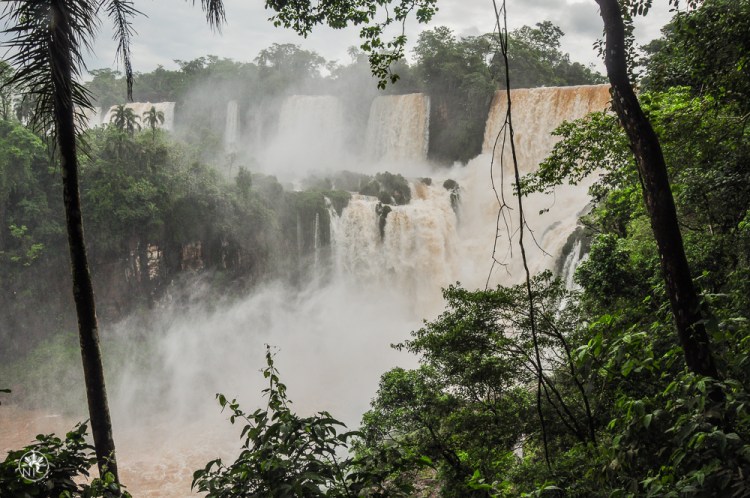
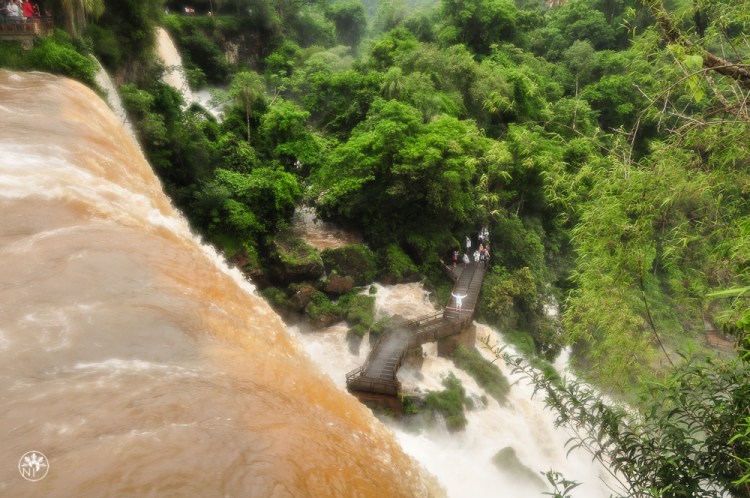
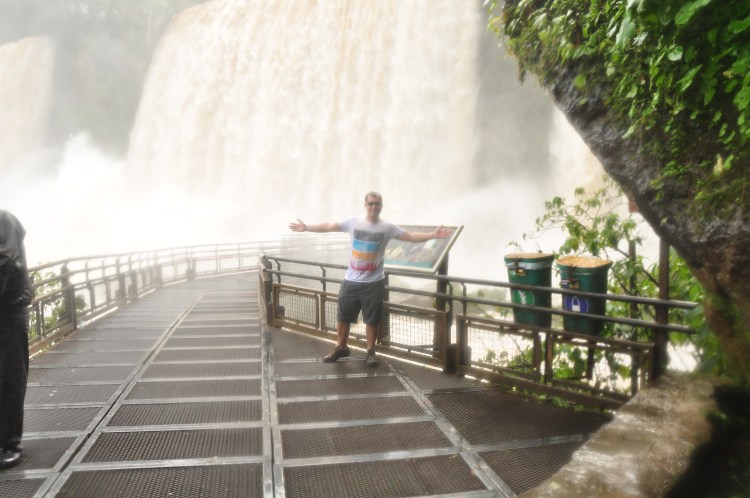
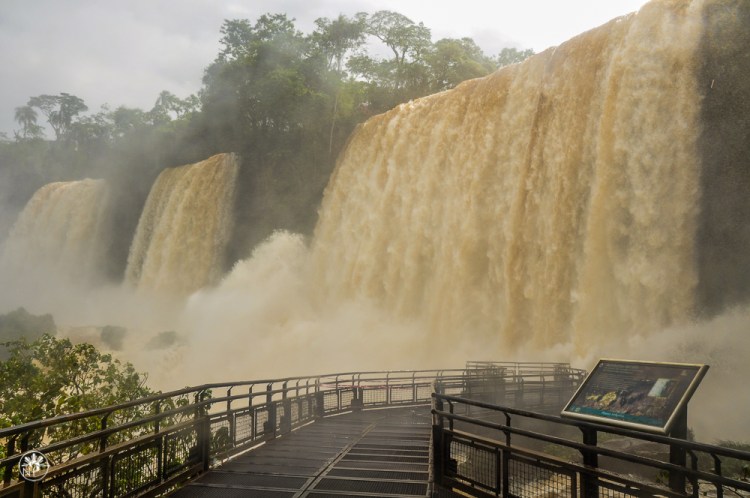
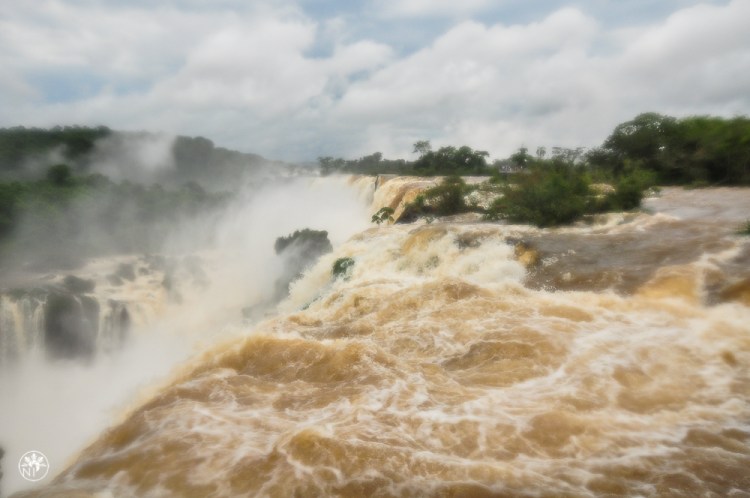
    One of the planet’s most awe-inspiring sights, the Iguazú Falls are simply astounding. A visit is a jaw-dropping, visceral experience, and the power and noise of the cascades – a chain of hundreds of waterfalls nearly 1.85 miles (3km) in extension – live forever in the memory. The falls lie split between Brazil, Argentina in a large expanse of national park, much of it rainforest teeming with unique flora and fauna. Although Paraguay is nearby, it only shares the river that Iguazu Falls feeds, but it is quite far from the falls and cannot even be seen from there.

Getting Their

The city in Argentina where the Iguazu Falls are located is called Puerto Iguazu, Iguazu Falls on the Argentine side are located 18km from Puerto Iguazu. Puerto Iguazu is located at approximately 1:50 hours by plane from Buenos Aires. 

If you want to visit Iguazu from destinations in Argentina such as Buenos Aires, Cordoba, Salta or other, you should look for flights arriving in Puerto Iguazu (airport code IGR)

Hotel

Their are plenty of accommodation options in the city of Puerto Iguazu ranging from hostels, 3-4* hotels and luxury properties located within the vicinity of the falls. We opted for the Mercure Iguazu, which worked out at $130 USD per night. Luxury and some much needed air conditioning amongst the humidity and rain of the jungle were a great relief. The hotel is located a 20 min taxi ride from the entrance to the falls, front desk have taxi’s waiting or can easily be requested to drive you the falls, into town or the airport.

Iguazu Falls National Park

The Iguazu Falls National Park on the Argentine side opens from 8am to 18hs (6:00 p.m.).

Tickets are:
Adults: $39 USD approx
Children  (6 to 16): $19 USD approx
Toddlers (Below 6): Free

The entrance to the Argentine park includes access to the park and visit of all the circuits and the use of the Ecological Train of the Forest at no extra cost.

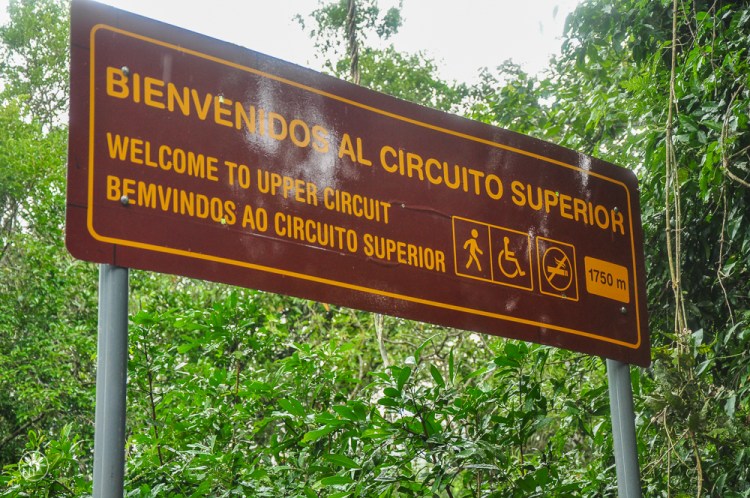
The Iguazu National Park on the Argentine side has 6 different circuits to do.

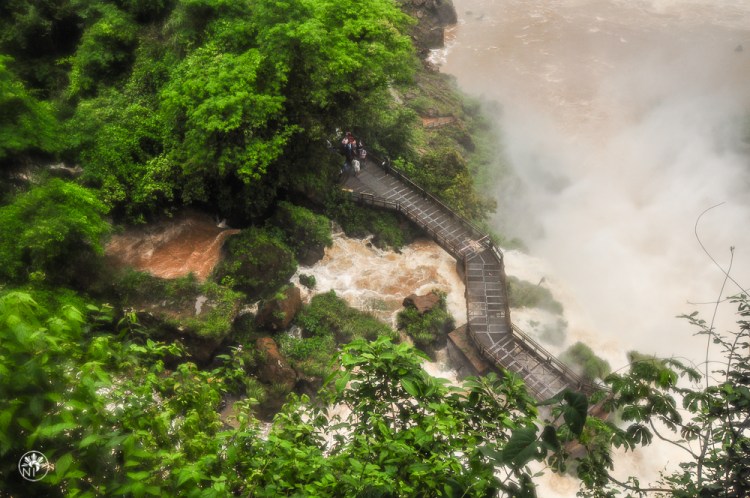
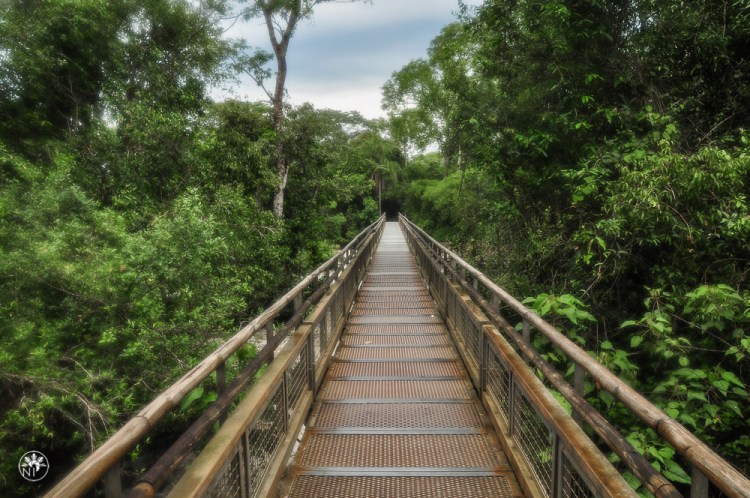
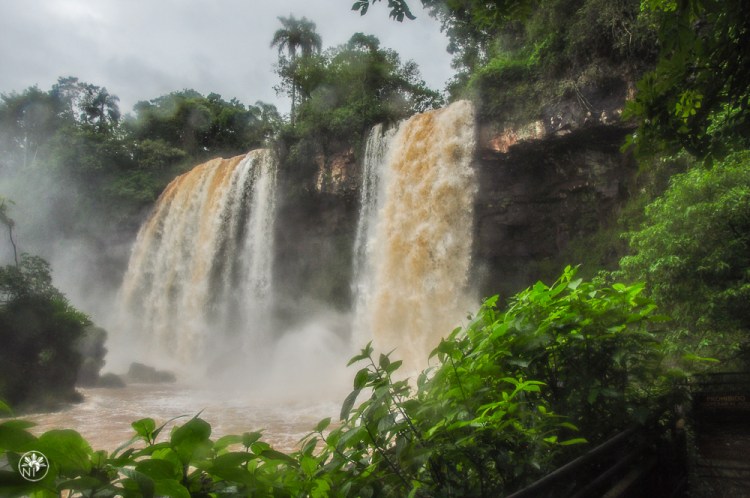
Superior Circuit – This circuit allows you to have a panoramic view of Iguazu Falls from the upper walkways (does not include the Devil’s Throat). From here you can also see a bit of the lower circuit. Through approximately 1.75 kilometers, you will have a view from above of the Dos Hermanas, Chico, Ramirez, Bosetti, Adan and Eva, Mendez, and finally Mbiguá waterfalls. Arriving at the end, you will have an impressive panoramic view of both the Argentine and Brazilian national park, being able to see, for example, the Meliá Iguazu Hotel or the Hotel Belmond Das Cataratas, San Martin Island, the lower circuit and more. At the end of the road, you will return to the Cataratas train station, which allows you to go to the devil’s throat or the visitor center.

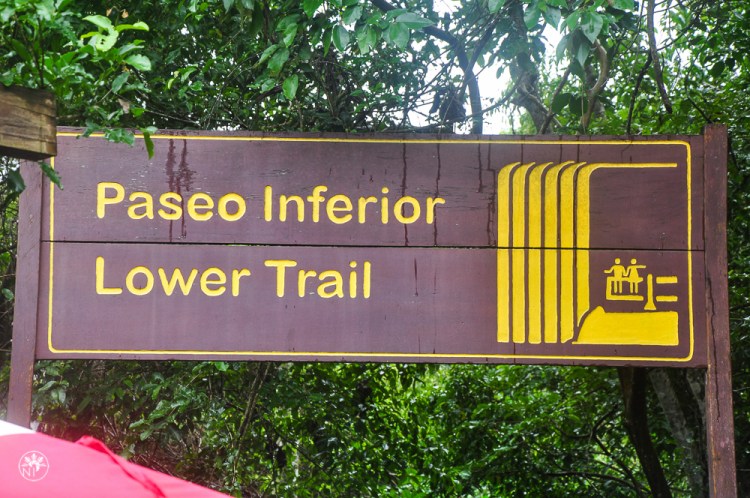
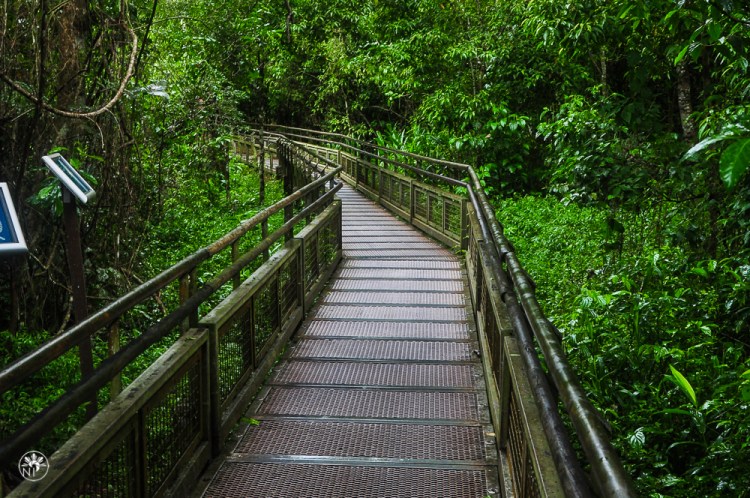
Lower Circuit – This circuit allows you to enter the jungle through various stairs and walkways, where you will see flora and fauna characteristic of the area. As you move forward you will see a beautiful panoramic view of the falls. At the same time as you visit this place, in the distance you will be able to see little by little the Devil’s Throat, along with San Martin Island and Bossetti Falls.

Devil’s Throat – The Devil’s Throat is one of the main attractions of Iguazu Falls. The Devil’s Throat allows you to be meters away from the most impressive fall and see it from above. Below you will have all the mist generated by this and the sound that catch your attention during the circuit as you get here. It is undoubtedly the highlight of this park. To get to the devil’s throat, it is necessary to take the Ecological Train of the Jungle, which takes all its visitors through the park. It is available all day and has a frequency of approximately 1 every 15 minutes.

If you want, you can also walk near the road to the Garganta Station, but keep in mind that it is a long route (approximately 2000 meters). At the Garganta Station you can take the path that takes you directly to the Devil’s Throat. From here you can take the “Ecological Ride” tour if you want. This path is approximately 2,200 meters and has several stops with seats in the middle to rest (even in some trees you can see native birds such as toucans).

Macuco Trail – The Macuco trail is a path of approximately 7.7 kilometers (round trip) that allows you to get to know a place with no human intervention. The trail has no construction or anything similar, just a clear path for visitors to walk on. Thanks to this, you can see a variety of fauna and flora that you will not see anywhere else in the national park. 

Rainforest Ecological Train – This train was designed to transport people throughout the park and, at the same time, maintain the integrity of the jungle and not damage it on the road. This train has three stations: one is in the visitor center, the other is in the middle of the park, near the lighthouse, and finally the last station is approximately 2000 meters from the devil’s throat. The train has a frequency of approximately 15 to 20 minutes depending on the flow of people in the place.

Green Trail – This trail is a small 600-meter flat, stairless path that connects the visitor center to the Cataratas train station. It is a pleasant path, where you can appreciate the nature of the place and even some animals such as birds or coatis.


Final Thoughts
Start Early - The park opens at 8 am and it will be packed with tourists. Staying at the hotel the night before was essential for resting up to maximize the day in full without feeling rushed.

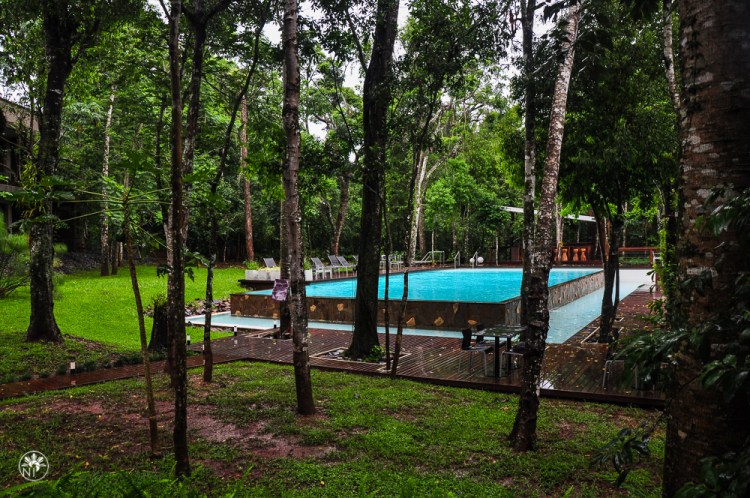
Hotel - While a falls view hotel maybe a stretch for some budgets, a 4* hotel close to the falls was worth paying the little extra for. Air conditioned rooms, refreshing shower, swimming pool, meals, poolside cocktails and even a jacuzzi helped ease the muscles after a long day navigating the falls trails.

Equipment - Walking Boots/ Trainers – You will be walking several kilometers trekking down each of the trails so bring comfortable durable walking boots, preferably waterproof. The trails are relatively safe with few gradients and bridges, but can get slippery due to prevailing weather and falls mist.

Backpack – Essential for carrying camera, spare clothes, water, snacks and ideally fitted with a rain-cover to protect your valuables inside.

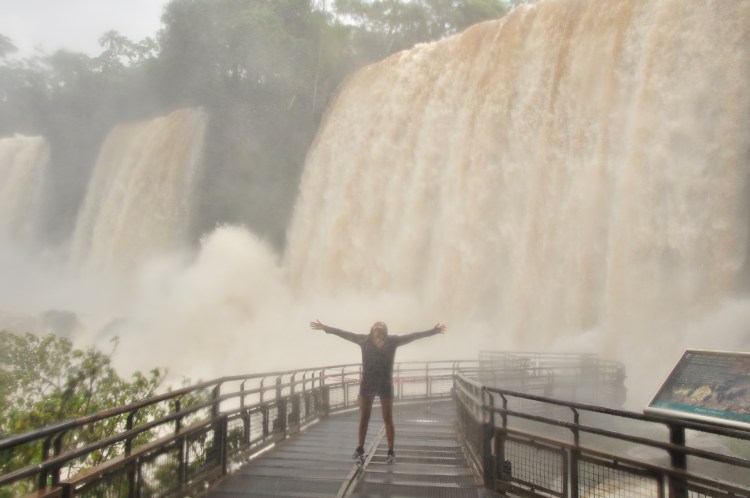
Clothing – Spare change of clothes like, t-shirts, socks, shorts and a plastic bag. Poncho or Rain coat are also recommended, however the shear volume of water spraying off from the falls and intermittent rain showers barely prevents you from staying dry. Simply getting wet is unavoidable but all part of the fun.

Camera – Obviously you want to capture these amazing moments that you will cherish forever. People using DSLR cameras should have the body out to acclimatize before they reach the falls to avoid the lens fogging up. Going from an airconditioned hotel into the vast humidity of the jungle falls will immediately cloud your lens, and its the last place to be changing lenses or trying to clean a sensor. Most cell phone cameras are weather proof to a degree and even a weather proof camera or go pro is a great way to capture the falls.

Drone – Unfortunately, it is not allowed to bring a drone to the national park. However, its recommend that you contact the administration of both parks to see if it is possible to obtain a special permit for this.

Tours and day trips – On this occasion we opted to spread the trip out over 3 days to avoid feeling rushed and to enjoy the park and its surroundings to the fullest. Guests can spend additional days in the area exploring the local town, revisiting the falls from the Brazil Side or flying over the falls in a helicopter for that added spectacle. Their is also an option to see the falls up close by boat as you sail along the Lower Iguazu River for an exhilarating 6 km, journeying toward the heart of the waterfalls area. For those short on time, Iguazu National Park is accessible within a day tour from places like Buenos Aires, that included airfare, transfer, guided tour.


16 Things to do in Osaka

Osaka is only a short shinkansen ride from Tokyo, but has a very different personality to Japan’s capital city. Hop off the bullet train into an area of exciting nightlife, delicious food and straight-talking, friendly locals. Along with plenty of shopping and modern attractions, Osaka also has a historical side, the highlight of which is Osaka Castle. The castle is a great place to discover more about Japanese history and to wander the beautiful grounds, especially during cherry blossom season in April when the sakura blooms and the weather is often at its best. Here are just some of the many attractions you should make time for on your visit:

  1. Osaka Castle

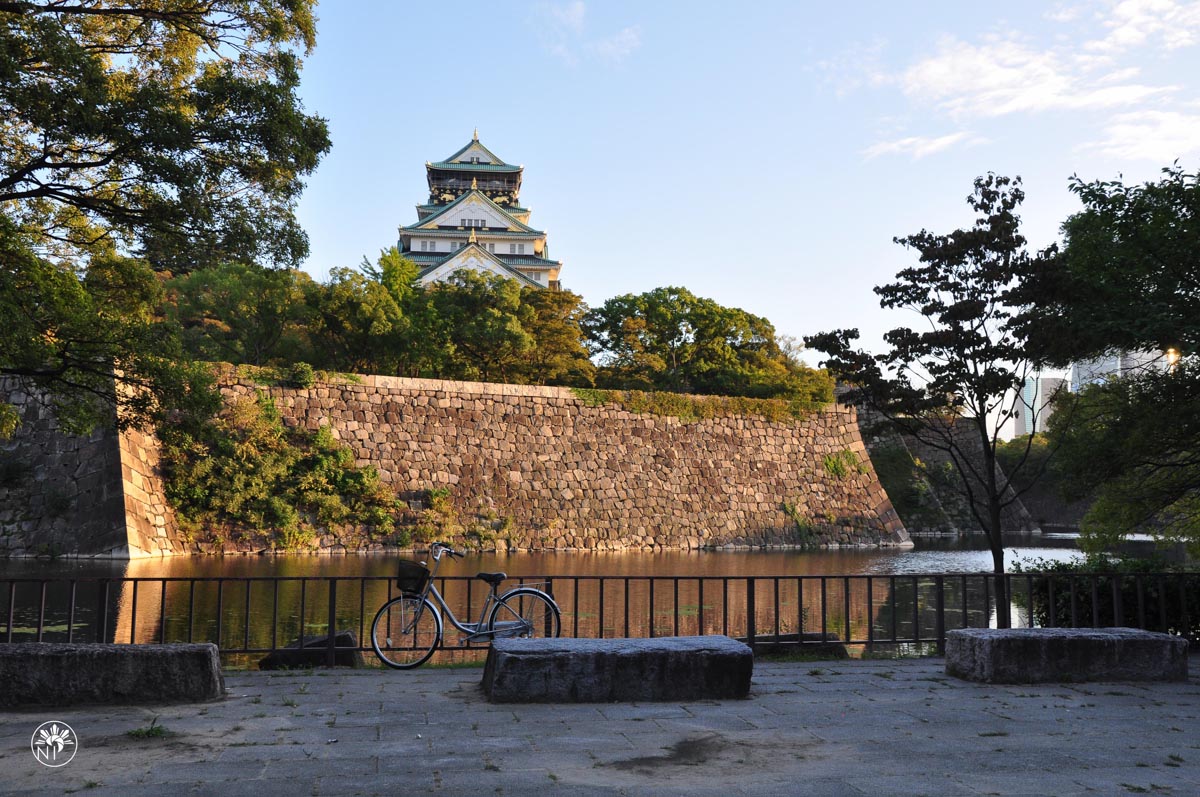
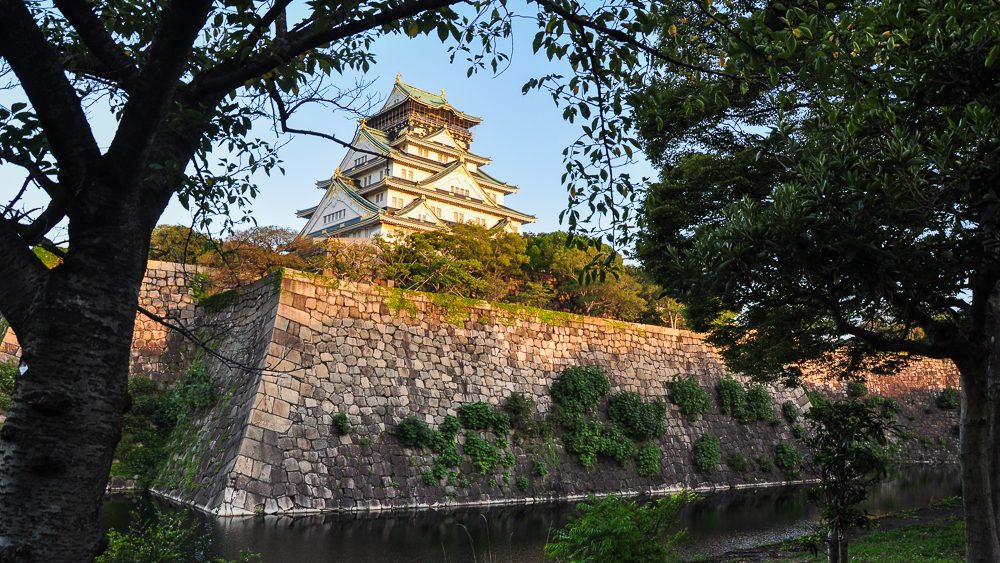
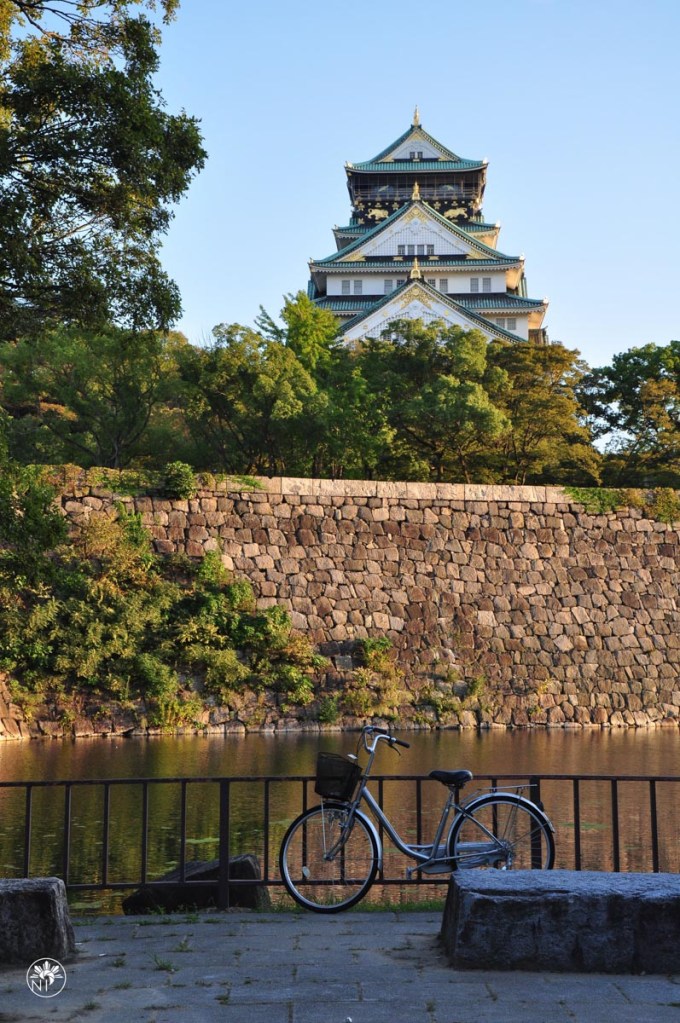
    The famous 16th century Osaka Castle, situated on grounds which cover 15 acres, is known as one of Japan’s most famous landmarks. The castle was modelled on Azuchi Castle, one of the primary castles of Oda Nobunaga, but went on to become larger and grander. At around the turn of the 17th century construction on the castle was completed, but over the subsequent years a moat elevate towers and new walls were added to strengthen its defense. Today the castle is a reproduction of the original building, while the inside is used as a modern museum. The castle tower features an informative museum which retells its history and has been completely renovated so that it even features an elevator for easy accessibility. Pay a visit to the Nishinomaru Garden which encompasses the former western citadel of the castle and features the former Osaka Guest House, a traditional teahouse, and lawns with 600 cherry trees which are a joy to visit during the cherry blossom season in early April.

    Explore Osaka castle and ground on bike by visiting: Osaka Castle


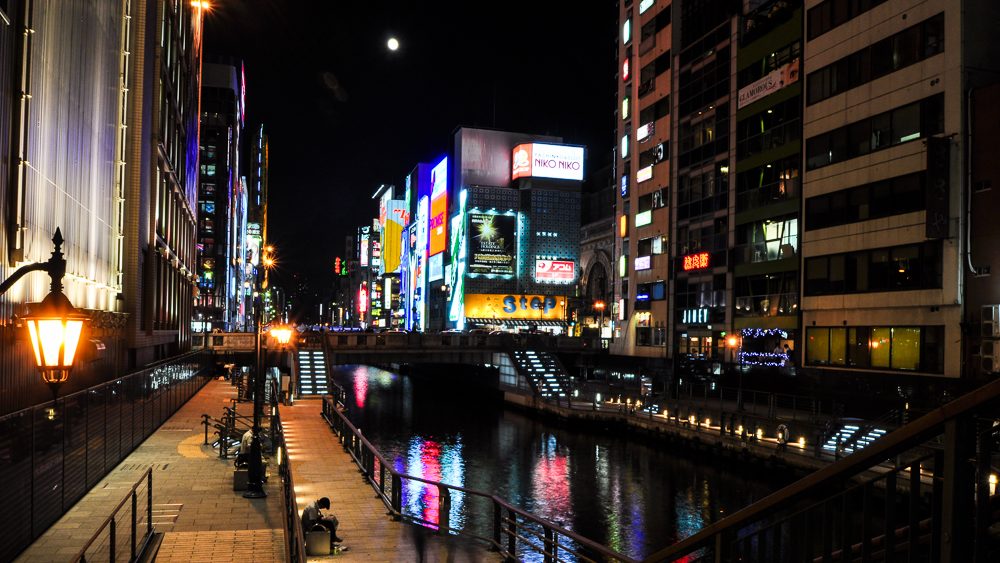
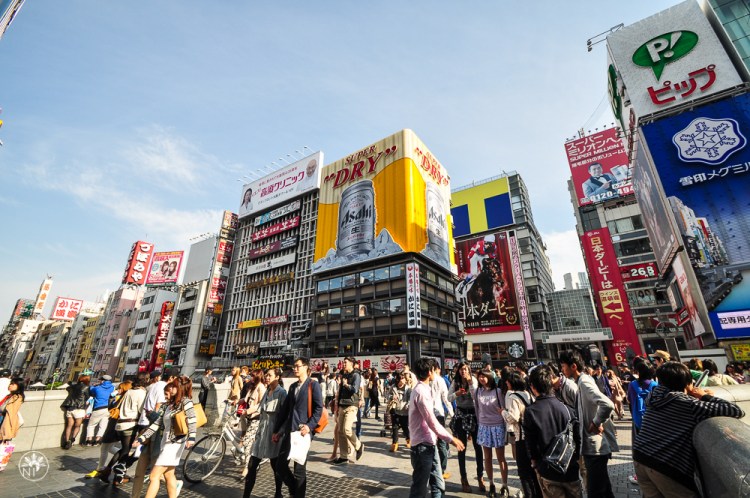
  1. Dontonbori

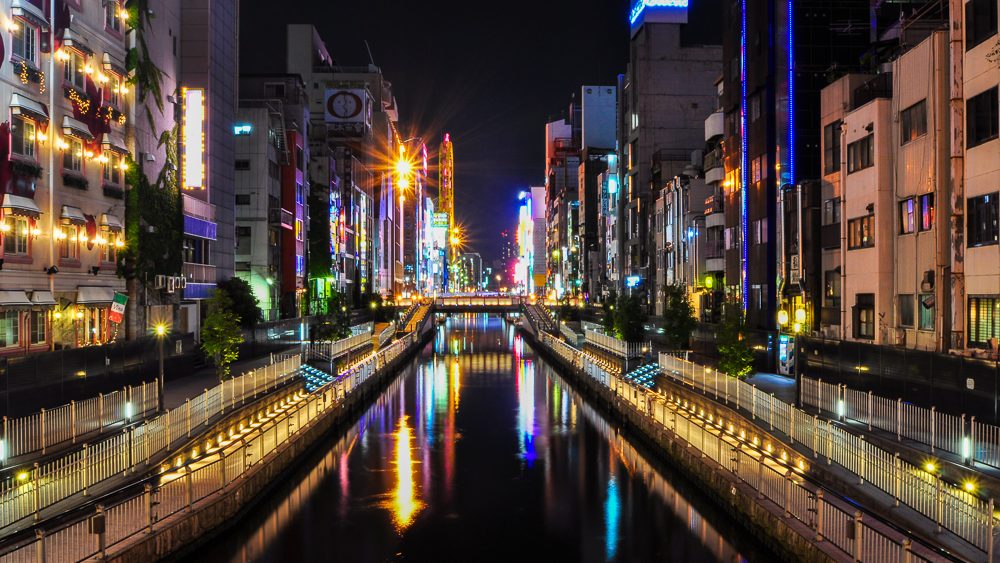
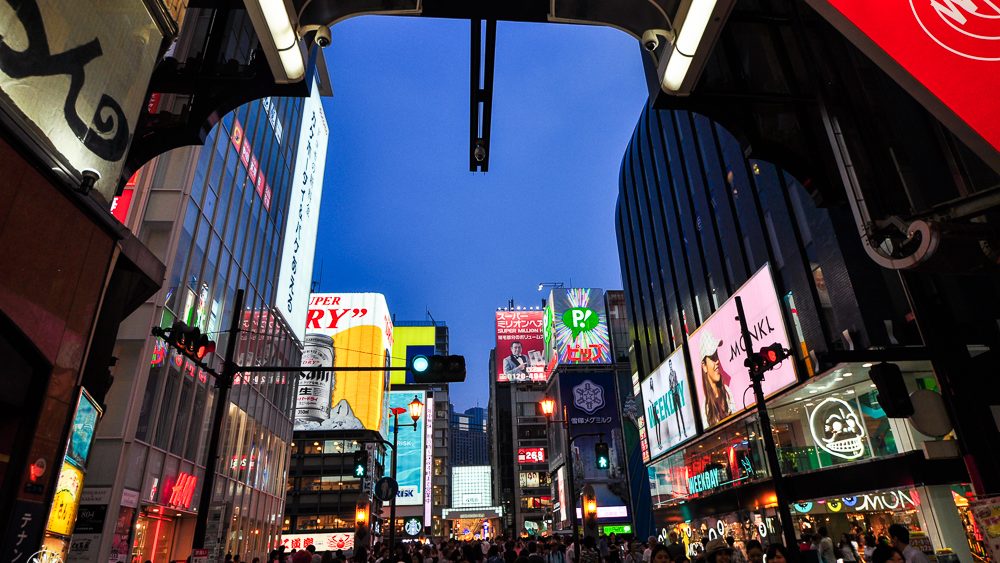
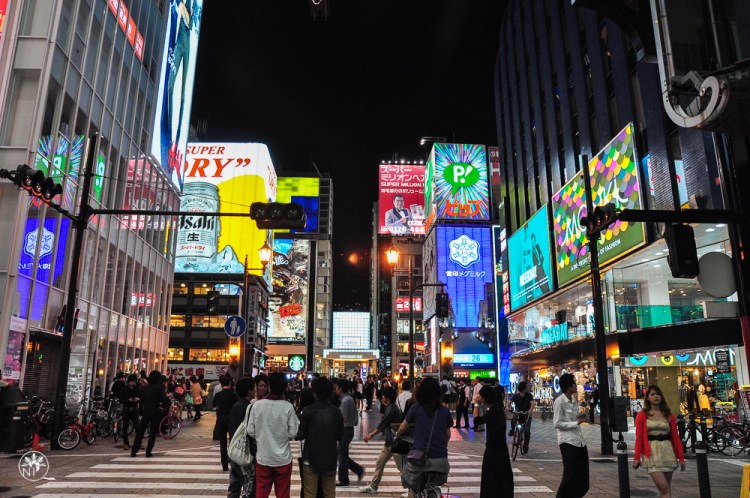
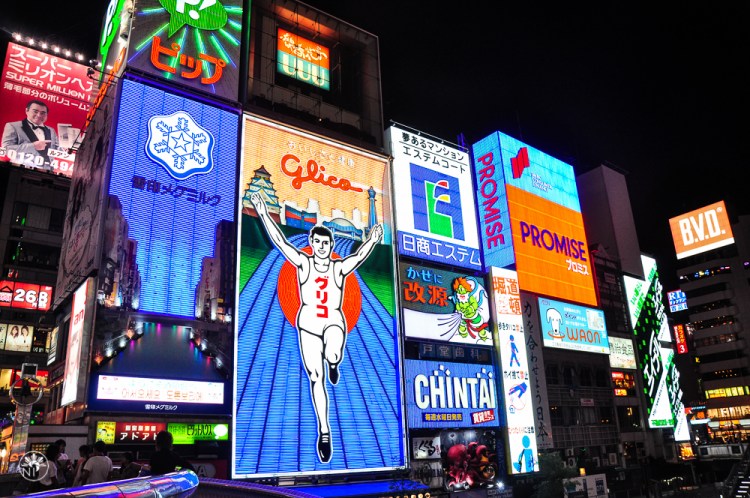
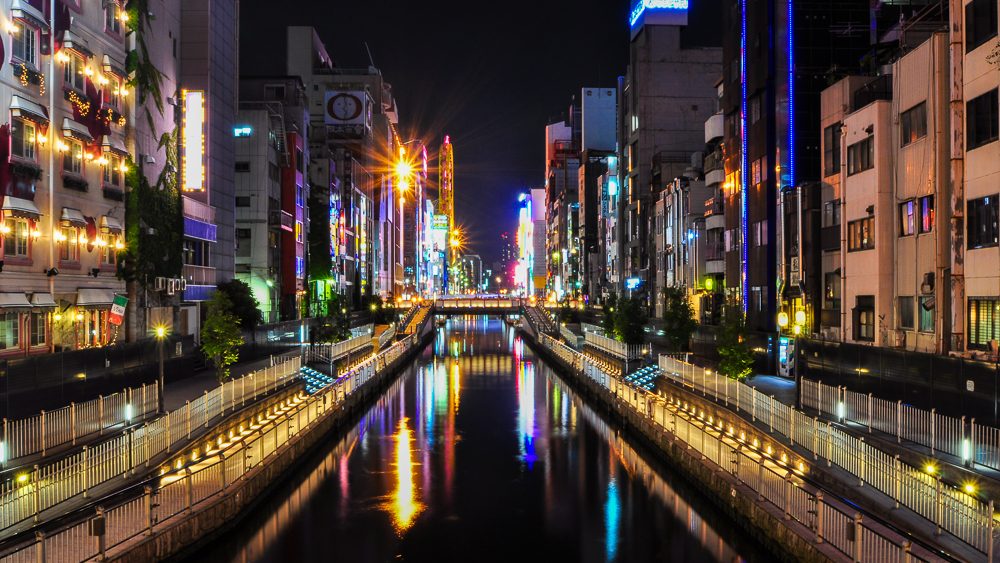
    One of Osaka’s busiest, brightest and most bustling tourist attractions in Dontonbori neighborhood, running parallel to the Dontonbori canal from the Dotonboribashi Bridge to the Nipponbashi Bridge. Dotonbori is a popular nightlife and entertainment district, made famous by the Gilco confectionary company billboard image of a runner. One of the main reasons to visit Dotonbori is the abundance of restaurants which serve traditional and modern Japanese cuisine. Notable eateries include the three restaurants from the Kinryu Ramen Chain with their outdoor seating and 24/7 service, the famous Kani Doraku crab restaurant, the Hariju beef restaurant an eight story culinary experience from cuisine from different areas of Osaka represented on each floor.

    Experience Osaka nightlife and culture by taking an: Evening Walking Tour


  1. Food Culture

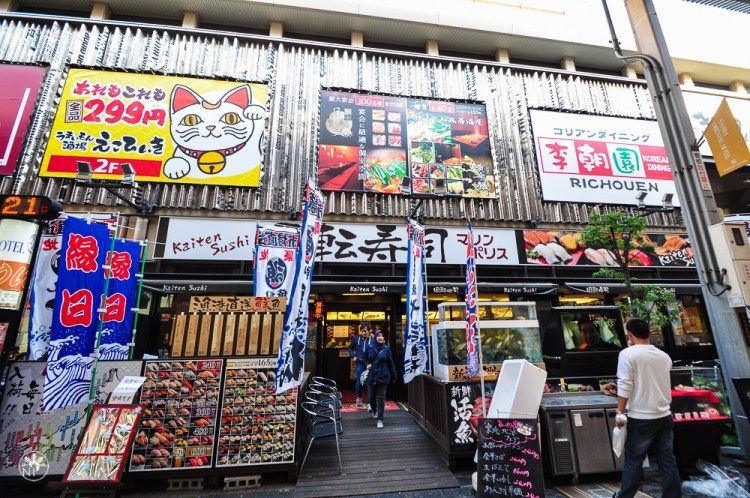
    Leading on from the Dontonburi, Osaka’s famous food culture or Kuidaore (eat until you drop) resonates all throughout the city. Osaka is the ultimate food destination, and whether it is budget food or the best possible culinary and gourmet dinners you are looking for you’re sure to find them. No matter what your budget you won’t go hungry in this city, and no matter what your taste bud are geared towards you won’t leave disappointed. There are two (Dontonbori and Shinsekai) main restaurant, or dining areas that are both chock-full of different sized places to eat, with the rest of the city sporting quite a fair number of locations. What you really want though are the dishes that the locals have perfected during the centuries that Osaka has served as a economical hub for agricultural products. This also explains why the food is so delicious and the culinary tradition so vast and varied: all kind of ingredients from seafood to vegetables spices and meat, including Kobe beef, are readily available and even quite cheap.

    For information on Osaka’s food culture please visit the link below: Half Day foodie Bike Tour or Evening Foodie Tour


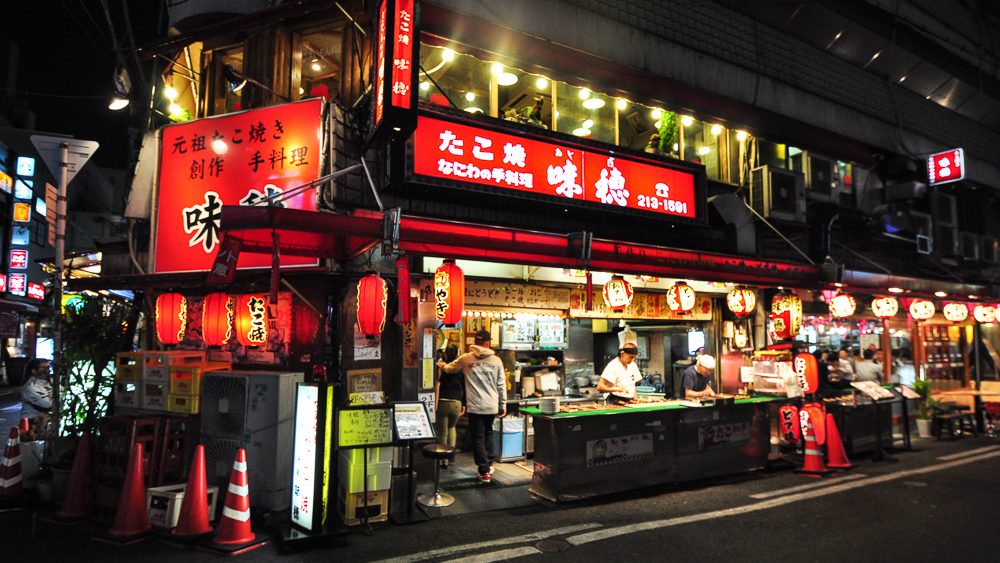
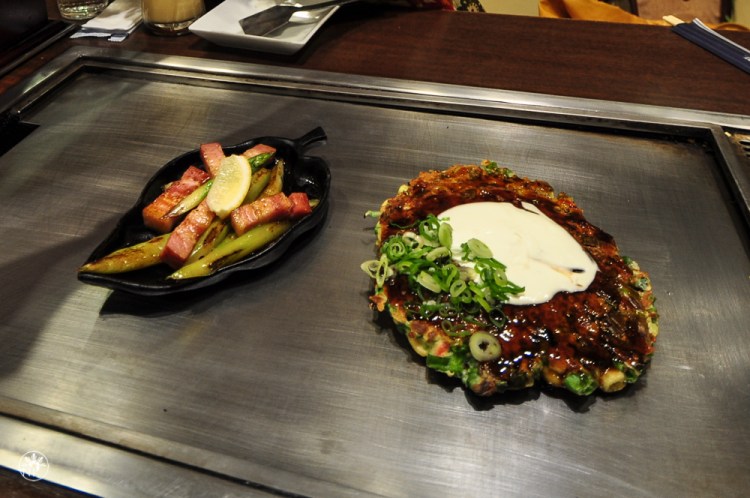
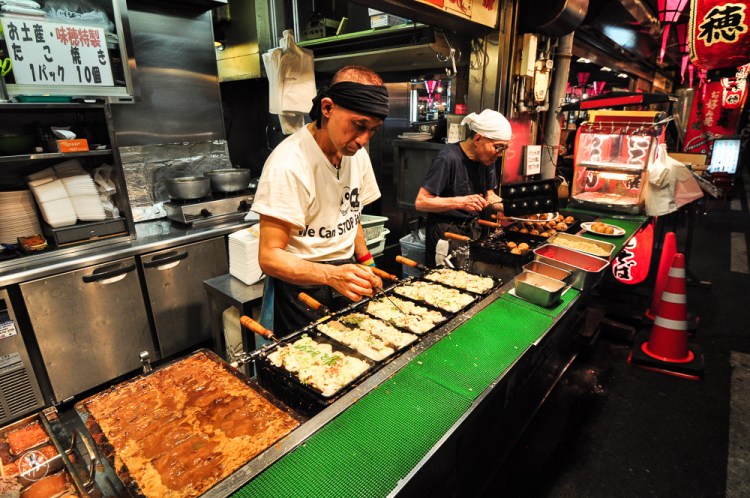
    The basic street food starts with Takoyaki, these are basically bite sized piece of octopus rolled into a ball with spices and flour, baked in a griddle cast iron pan with hemispherical molds. Best eaten on the spot piping hot and available for cheap almost anywhere. The next bite on the menu is Okonomiyaki (yaki means grilled in Japanese), a pancake like dish that can be made from various ingredients. Kushikatus in turn is a continuation to these easy eat street foods. Its basically battered and deep fried meats and vegetables on skewers. When it comes to meat you must try the different Korean and Japanese barbeque joints, these can be found in a great variety with places that range from a variety of guts to the best of Kobe beef, and from places where the chef prepares the dinner in front of you to places where you get to barbeque it yourself.

    Yakitori

    Along with sushi and sashimi, one of my favorite things to eat in Osaka are the small plates of delicious food served at Izakaya’s, Japanese pubs. Food is typically served on small plates where the focus is one flavor and quality over quantity, and dishes at Izakaya restaurants can range from slices of tuna belly to grilled skewers of chicken or pork. Yakitori, Japanese grilled skewers of chicken, is one of my favorite Izakaya foods. You won’t just get a skewer of bland chicken. The chicken will likely be some of the juiciest and most flavorful chicken you’ve ever had, always cooked over charcoal. If you’re not too picky, the best way to order yakitori is to just order the amount of skewers you want in your set, and let the chef mix and match the parts of the chicken for you. The two things that stand out most to me about eating yakitori are that the chicken is always grilled over real charcoal (giving it an always natural and delicious smoky flavor), and that the chicken is never overcooked.


  1. Universal Studios

    Similar to the Universal Orlando Resort, Universal Studios Japan is a theme park located in Osaka which attracts around 8 million visitors each year, and is the fifth most popular amusement or theme park in the world. The park is arranged into ten main areas, with the Wizarding World of Harry Potter, added in 2014. Areas include New York, themed in the city and featuring attractions such as the Amazing Adventures of Spider-Man. The Hollywood area features attractions such as Shrek’s 4-D Adventure, Hollywood Dream – the Ride and the night time Magical Starlight Parade. The back to the Future Ride stars in the San Francisco area, while Steven Spielberg’s blockbuster dinosaur trilogy is the feature attraction in the Jurassic area. Super Nintendo world is the latest addition to USJ located behind the Wizarding world of Harry Potter. Relive your childhood Mario kart adventures or engage with your favorite character’s in this highly interactive and colorful world.

    For ticket prices and pass options please visit the link: Universal Studios Japan
  1. Osaka Aquarium

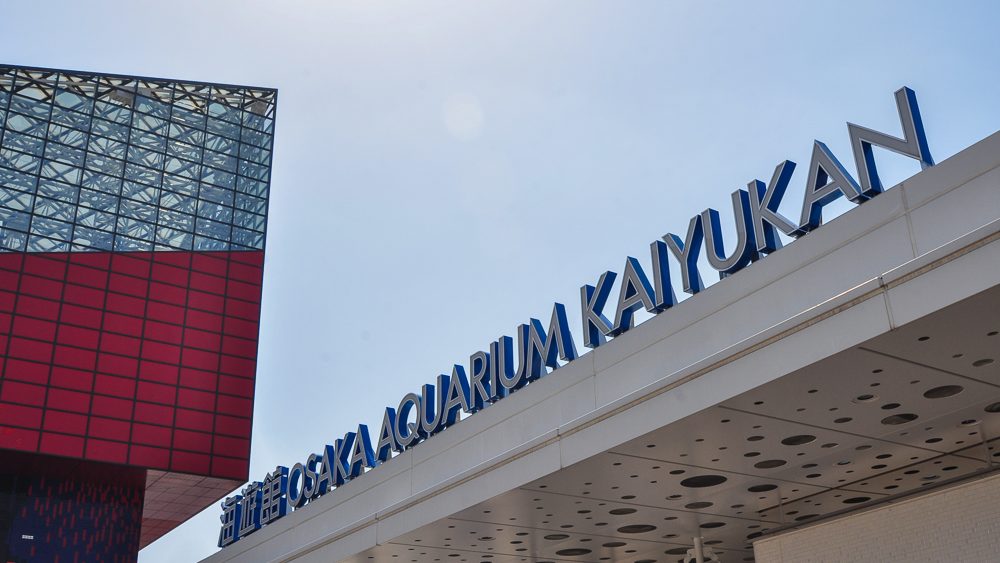
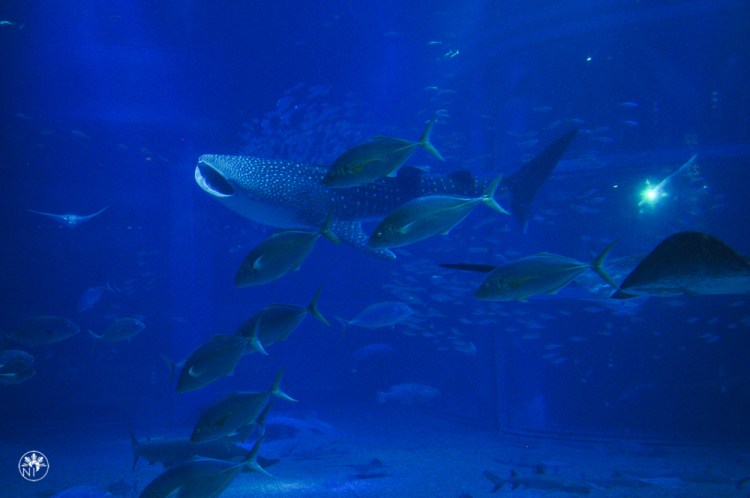
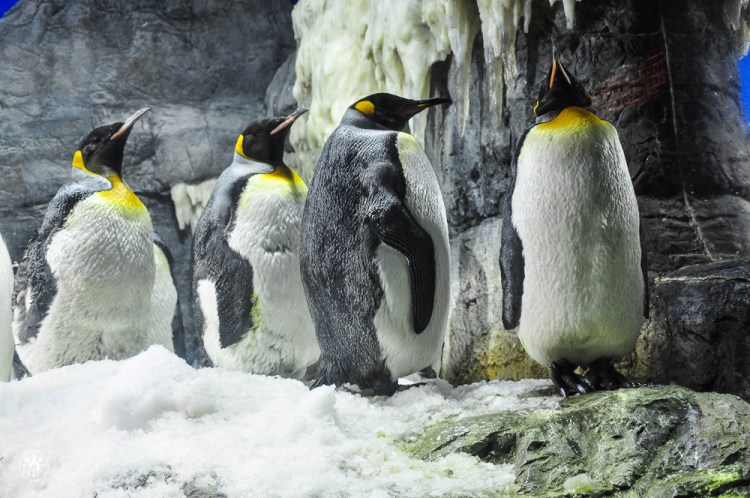
    One of the largest aquariums in the world, the Osaka Aquarium Kaiyukan showcases the aquatic creatures of the Pacific Rim in an excellent recreation of the their natural habitats. The aquarium is home to 15 large tanks which represent different areas of the region , including a Japanese Forest, home to sea otters, sea lions and seals, as well as the Antarctica where you will meet the majestic King Penguin up front.

    One of the main attractions of the aquarium is the 9 meter deep tank known as the Pacific Ocean which is home to the huge whale sharks, known as the largest fish species. You will also see interesting fish such as the scalloped hammerhead and Japanese jack fish species. The rockhopper penguins are housed in the Falkland Islands exhibition where you can see them swimming or hopping around on the rocks. The aquarium is highly interactive, and visitors are able to touch and feel the life of marine species in the exhibition known as the Maldives.


  1. Umeda Sky Building

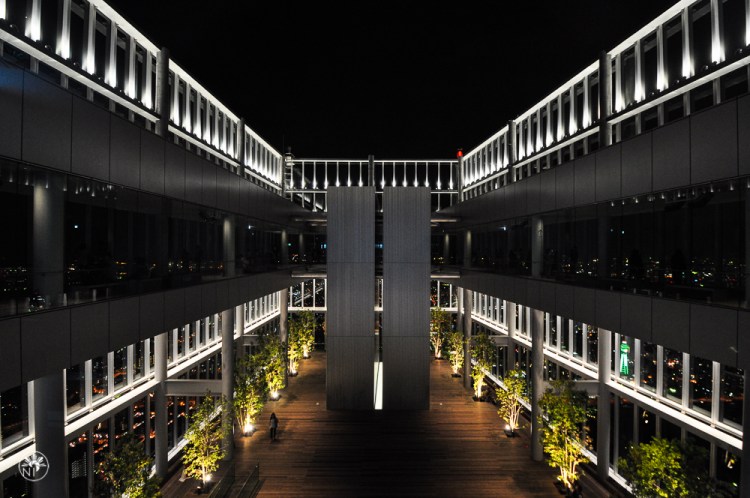
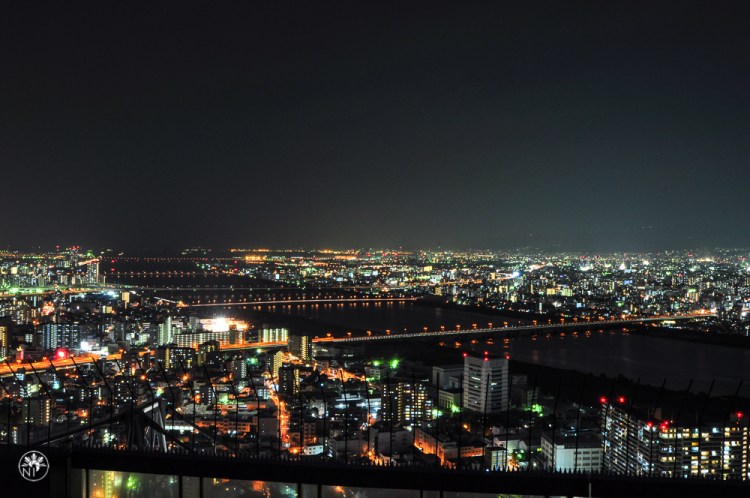
    Located between the two towers which make up Osaka’s Umeda Sky Building, the Floating Garden Observatory (also known as the Sky Garden) provides visitors with one of the best views in the city. The observatory is essentially a platform which serves as a bridge between the towers of this 173 meter tall building and provides an unobstructed view of Osaka and further on until Awaji Island. Many plan their trips so that they can visit the Floating Garden Observatory at sunset, when the views are particularly magnificent, while nighttime visits are also popular. Enter the building via the Fun Plaza entrance, and then take an elevator to the 39th floor. This ride is an experience in itself as you are actually travelling around four stories in a suspended tunnel.


  1. Tenjin Matsuri Festival

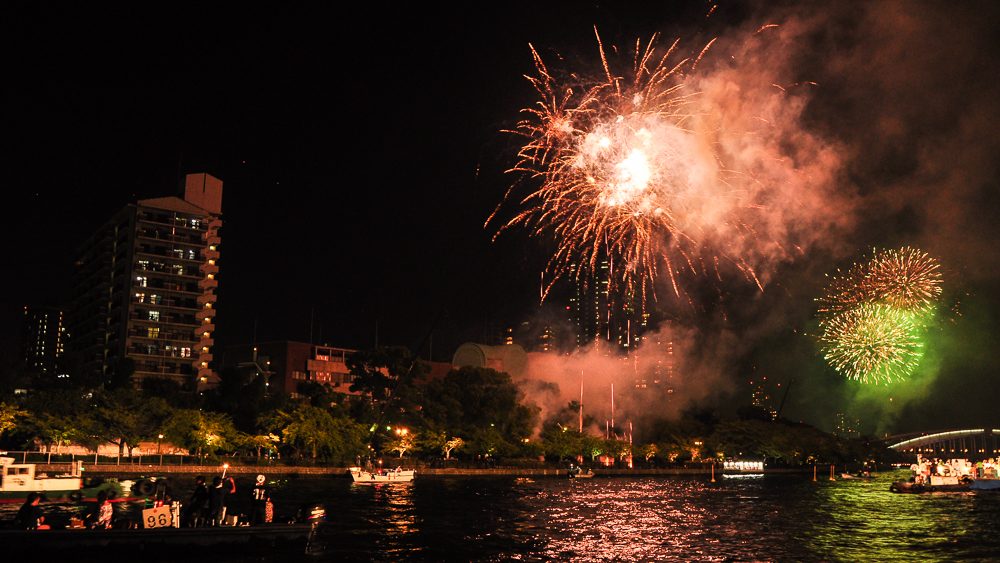
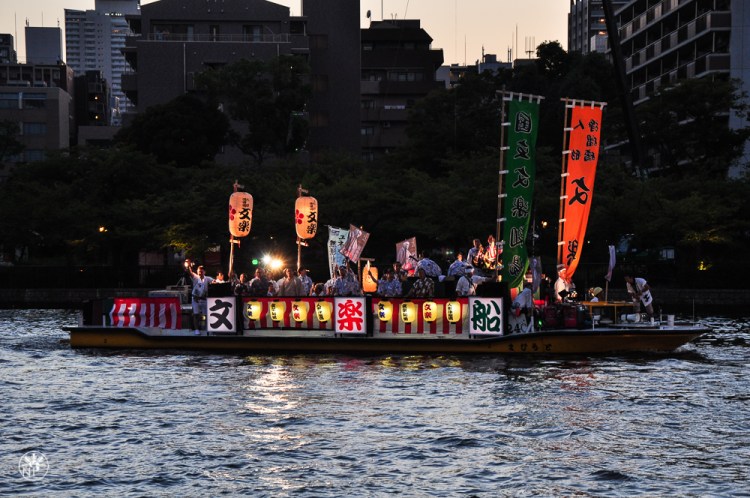
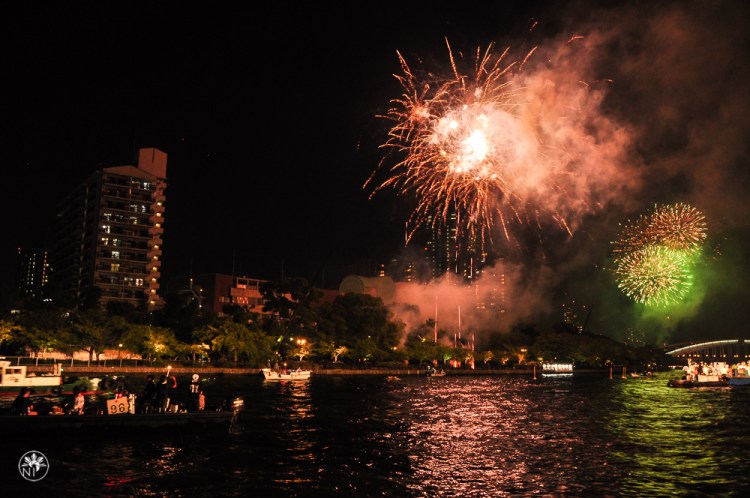
    The Tenjin Festival of Osaka is ranked as one of Japan’s top three festivals, along with the Gion Matsuri of Kyoto and the Kanda Matsuri of Tokyo. The festival started in the 10th century and today takes place on July 24 and 25 every year. The main celebrations are held on the festival’s second, July 25 including a land procession and a river procession with fireworks.

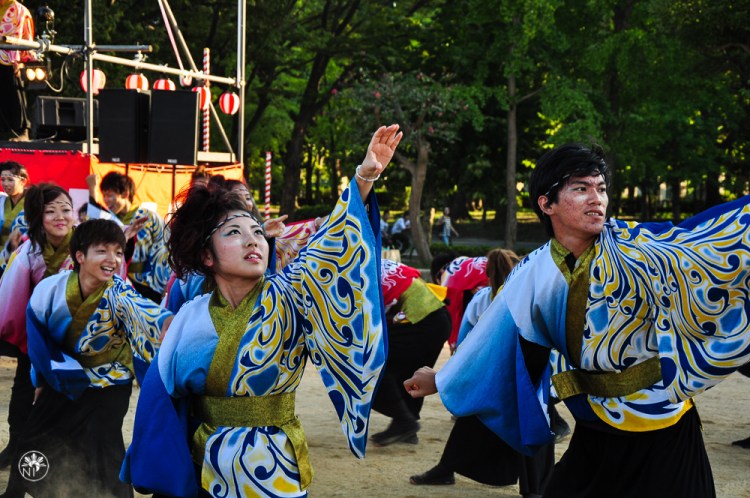
    Tenjin Matsuri is the festival of the Tenmangu Shrine and honors its principle deity Sugawara Michizane, the deity of scholarship. The festival begins by ceremonially inviting the deity out of the shrine and parading him through the city, carrying out various exuberant festivities to entertain him, before taking him back to the shrine. For the people the lively festivities manifest in a wonderful occasion to enjoy the hot summer day, filled with traditional costumes, spectacular processions and a celebratory atmosphere.

    On the morning of the first day the festival kicks off with a ritual at Tenmangu Shrine followed by prayers at the river for peace and the safety and prosperity of Osaka. In the afternoon, drums are sounded by men in tall red hats to inform everyone that preparations for the festival are complete. The highlights of the festival start at 15:30 of the second day when the red hatted drummers lead the land procession from Tenmangu Shrine through the streets of Osaka.

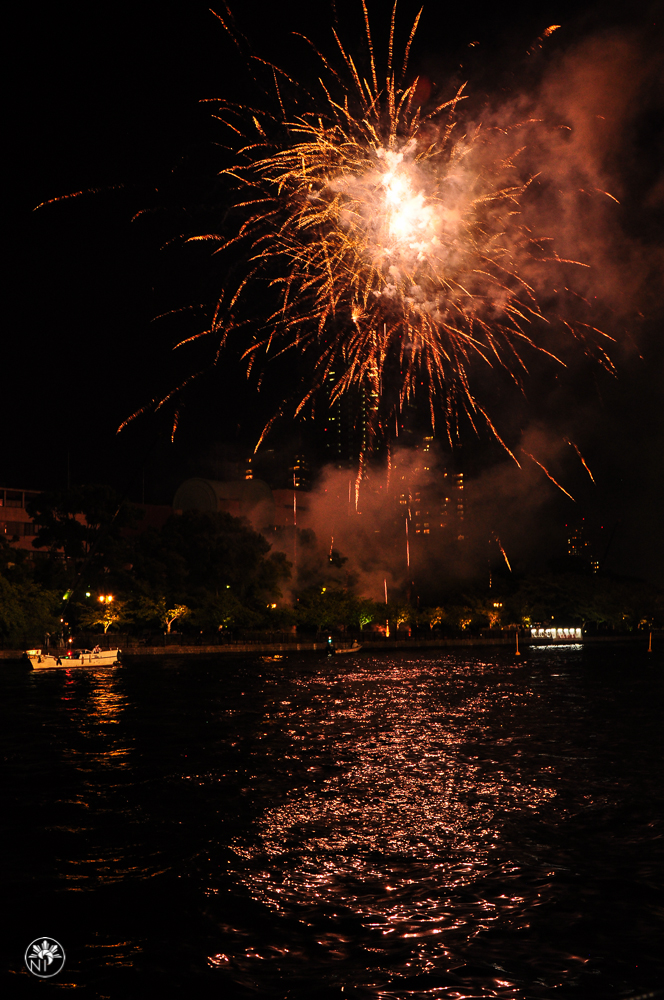
    The long procession features costumed characters including Sarutahiko a long nosed goblin riding a horse, a ceremonial float accompanied by festival music, lion dancers, umbrella dancers and other attractions. The river procession celebrations go on into the night and culminates at about 19:30 when fireworks start to go off, continuing until about 21:00. The fireworks of Tenjin Matsuri combined with the illuminated boats and their reflections off the river make for a truly unique spectacle.


  1. Shitennoji Temple

    One of oldest temples in Japan, Shitennoji was built in 593 by Prince Shotoku who was in favor of introducing Buddhism to the country. The original 6th century design and architecture has been lovingly preserved, and at time reconstructed over the years since the temples buildings have burned down a number of times. Many Japanese pay a visit to this shrine which is fondly called the Buddhist altar of Osaka. A visit to the temple begins with the exterior temple grounds which are beautiful in themselves, but nothing compared to the inner quarters, the Gokuraku-jodo Garden and the treasure house. The inner courtyard is home to a five story pagoda, which visitors are able to enter. The glorious Gokuraku-jodo Gardens design was based on the Amida Buddha’s description of paradise and built in the early Edo period. Visit Paradise Lake which has a unique blue pagoda within the gardens.
  1. Abeno Harukus

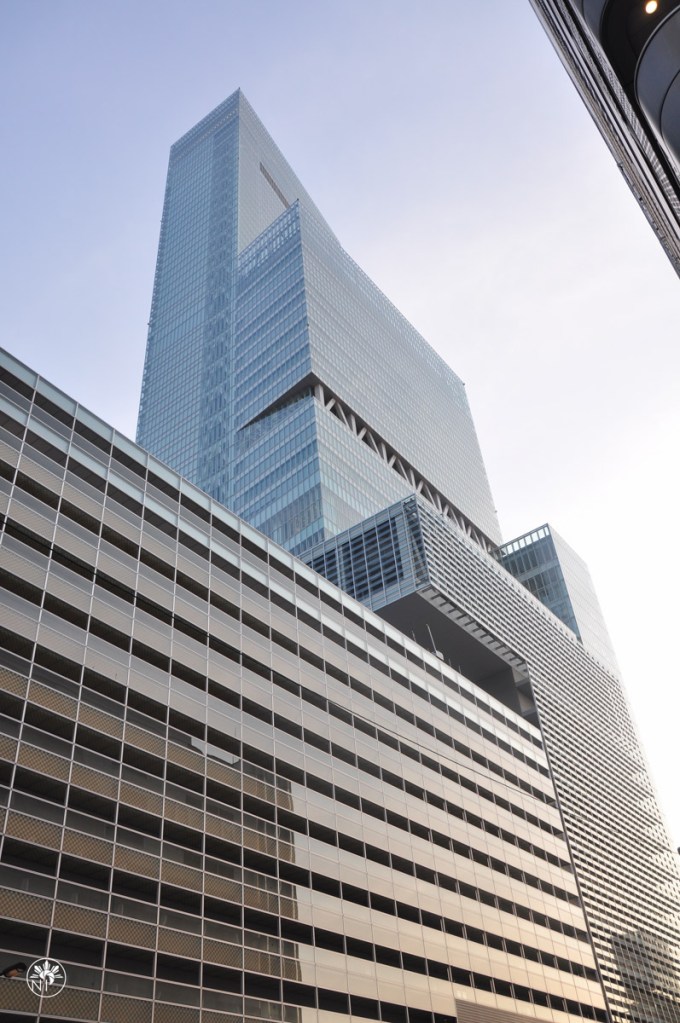
    Abeno Harukas is the 300 m tall skyscraper which forms part of the Abenobashi Terminal Building and is currently the tallest building in Japan. The name of the building is derived from the ancient Japanese word ‘harukasu’ which means to ‘clear up’ or to ‘ brighten’. Abeno Harukas has 62 floors, with 58 to 60 taken up by the Harukas 300 observatory. The 58th floor is an open air outdoor plaza in a three story atrium structure with a wooden deck, café, souvenir store and restrooms. The top floor or 60th is a 360 degrees glass enclosed observation deck which commands an exceptional view of Osaka and surrounding areas. From the basement until the 14th floor you will be able to enjoy a retail paradise, offered by the Kintetsu Department Store, sprawled across 100,000 square meters. Scores of restaurants cover three of these floors.

    For admission please visit the link: Abeno Harukus

Abeno Harukus
  1. Sumiyoshi Taisha

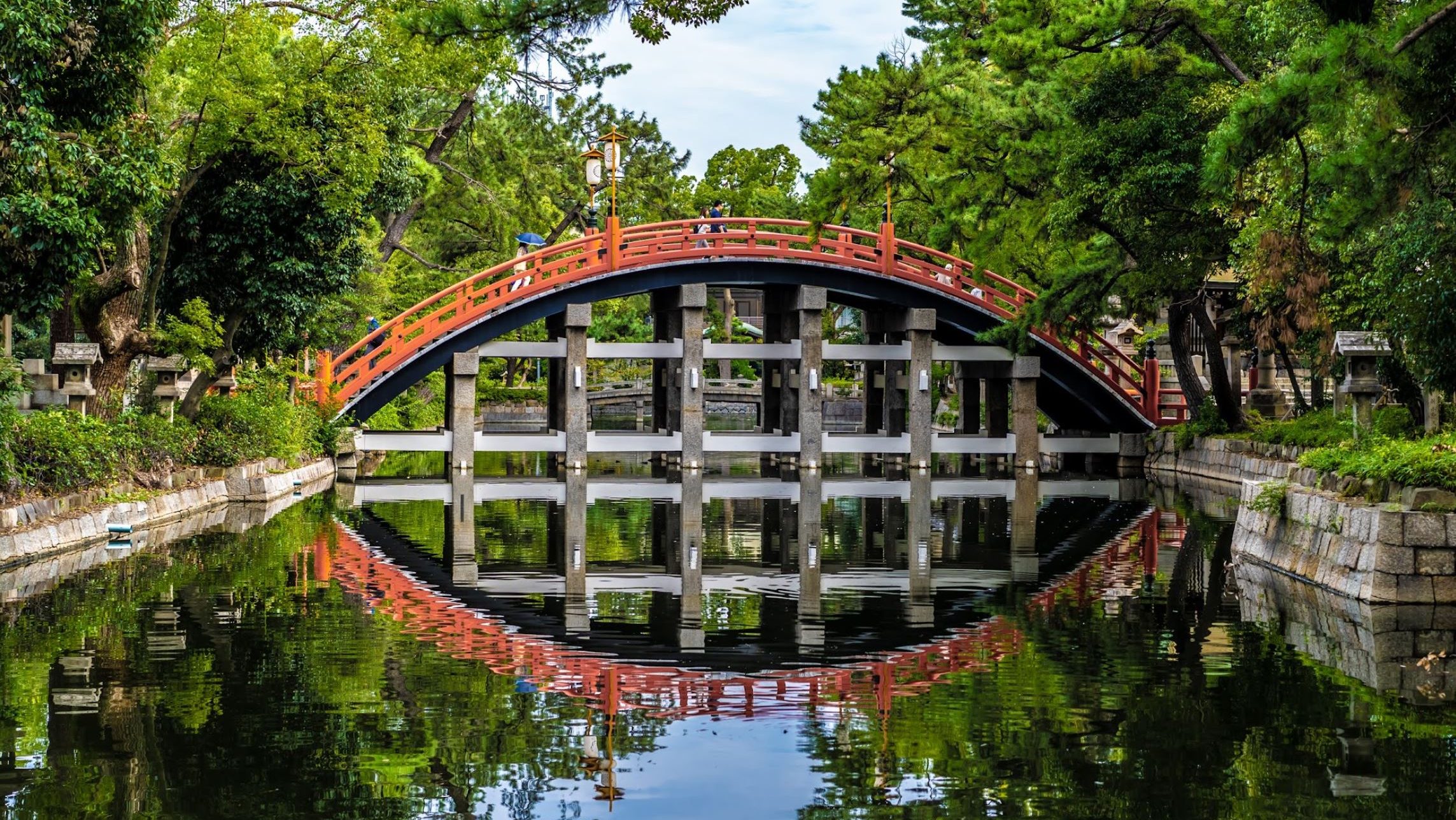
    The ancient Shinto shrine of Sumiyoshi Taisha was founded in 211 and is considered the main shrine of all Sumiyoshi shrines in the country – of which there are about 200. The shrine was built before the introduction of Buddhism to Japan and is built in an architectural style known as Simiyoshi-zukuri with its straight roofs and an entrance under a gable surrounded by a fence. Its distinct red lead and gold metal fittings of black and white coloring make this a very eye-catching structure, and the shrine has been designated a National Japanese Treasure. Sumiyoshi Taisha features four main halls with an interesting alignment of the rooms not seen in any other shrine of this kind, The Sorihashi Bridge leads to the entrance of the main shrine rounds, taking you in a perfect arch over the pond, and is known as the shrines official symbol.
  1. Minoo Park

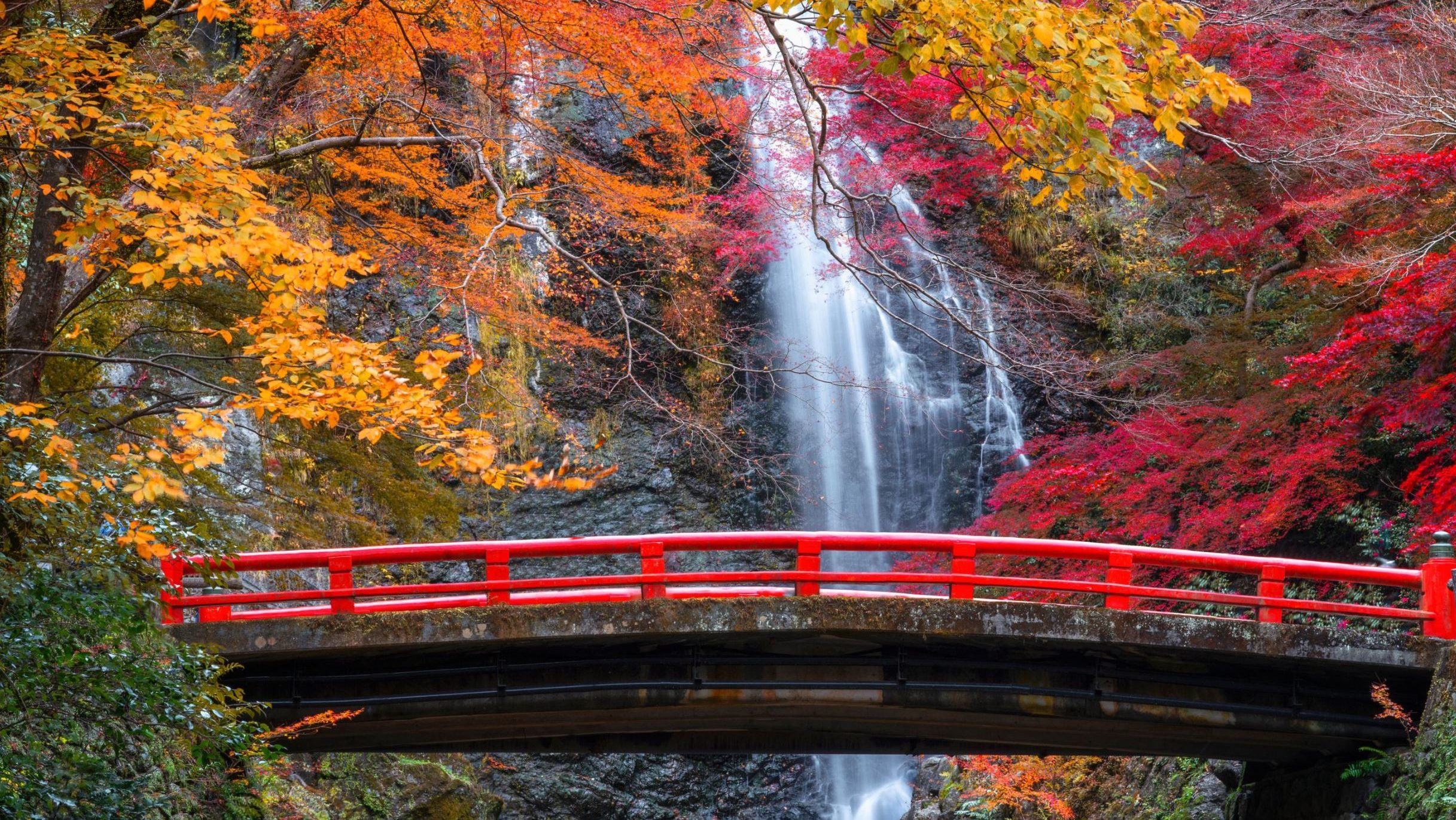
    Minoo Park is located in the northern part of Osaka and is a popular weekend excursion destination for locals. The main attraction is the 1886 Takimichi paved walking trail which leads to the majestic Minoo Taki (Minoo Falls). A walk up to the falls is not too steep and makes for an easy 2.7 km climb from the Hankyu Minoo Station. A pleasant diversion from this station (before, but preferably after your climb to the falls) is the Momiji hot spring footpath. Walking to the Takimichi trail is a delight, especially during the spring months when the cherry blossoms start to bloom. Autumn is another must-see month with the brilliant fall foliage in its full glory. Rest houses and benches along the path invite trekkers to pause for a moment and enjoy the beautiful surroundings. Butterfly fans may want to stop off at the Minoo insect Pavilion further down the path which features a butterfly park.
  1. Kuromon iciba Market

    Located in Chuo Ward, Osaka, Korumon Ichiba Market is the place to go if you are looking for some of the freshest and best quality food in the city. The market’s history spans back nearly 200 years when it was originally called Emmeiji Market due to its proximity to the nearby Emmeiji Temple. Later, its name was changed to its current one, meaning Black gate that was placed near the temple. There are around 170 different shops located in the 600 m area, most of which sell vegetables, eggs, meat and spices. To cater for the increase in visitors several restaurants have sprung up in the market which serve a range of meals at lunchtime, from sushi and ocean-fresh sea food to the highest quality meat served over rice. Despite the growing number of tourists, the market still manages to preserve its quiet charm and neighborhood feel.

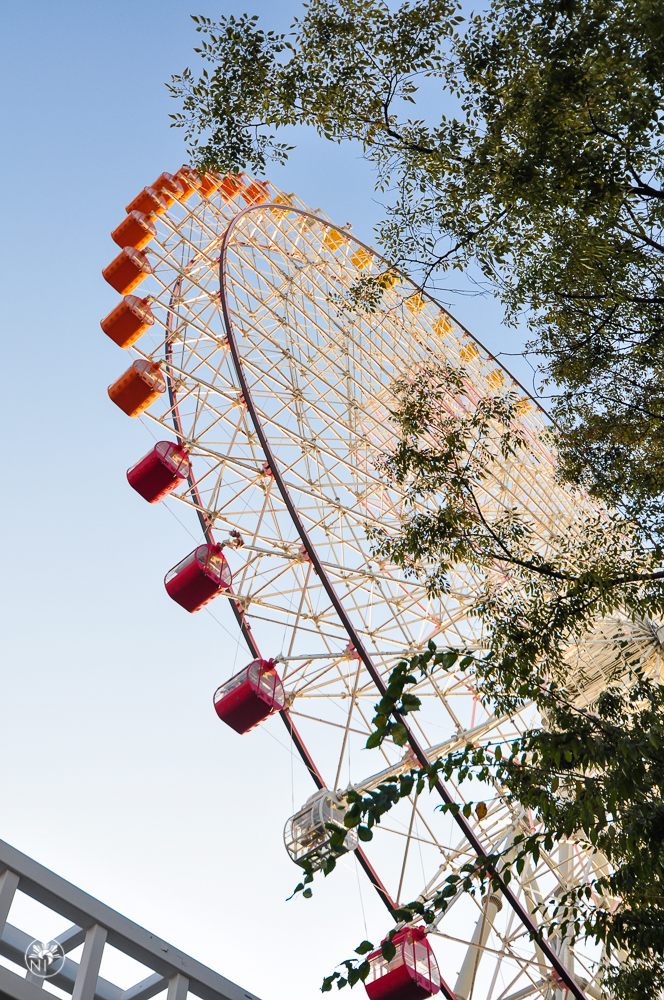
View from the Tempozan Ferris Wheel
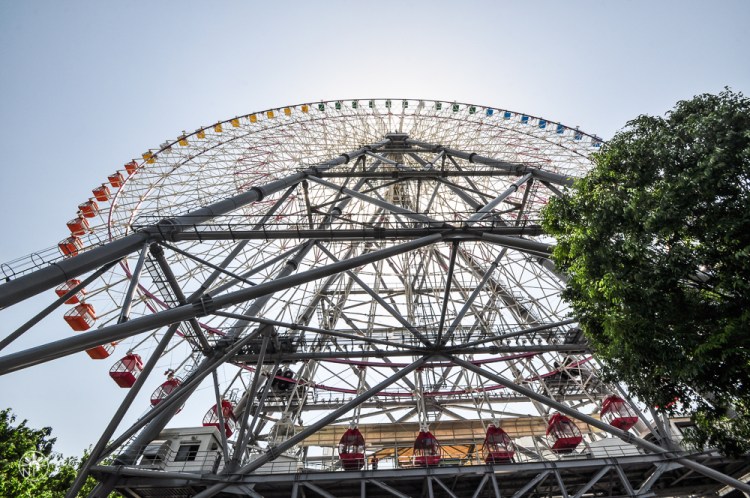
  1. Tempozan Ferris Wheel

    Built in 1997 the Tempozan Ferris Wheel is a popular attraction in Osaka. It is conveniently located next to one of the largest aquariums in the world the Osaka Aquarium Kaiyukan at Tempozan Harbor Village. The ferris wheel takes visitors on a 17 minute ride where they can enjoy stunning views of Osaka Bay and surrounding areas such as Mount Ikoma, Akashi Kaikyo Bridge, Kansai International Airport and the Rokko Mountains.

    At night the Tempozan Ferris Wheel lights up and becomes a magical location, making it a popular spot for romantics. A quirky feature is that the coloured lights provide the weather forecast for the following day. If the lights are blue you know that it will rain the next day, green lights mean clouds and orange lights indicate a sunny forecast.

  1. Shinsaibashi

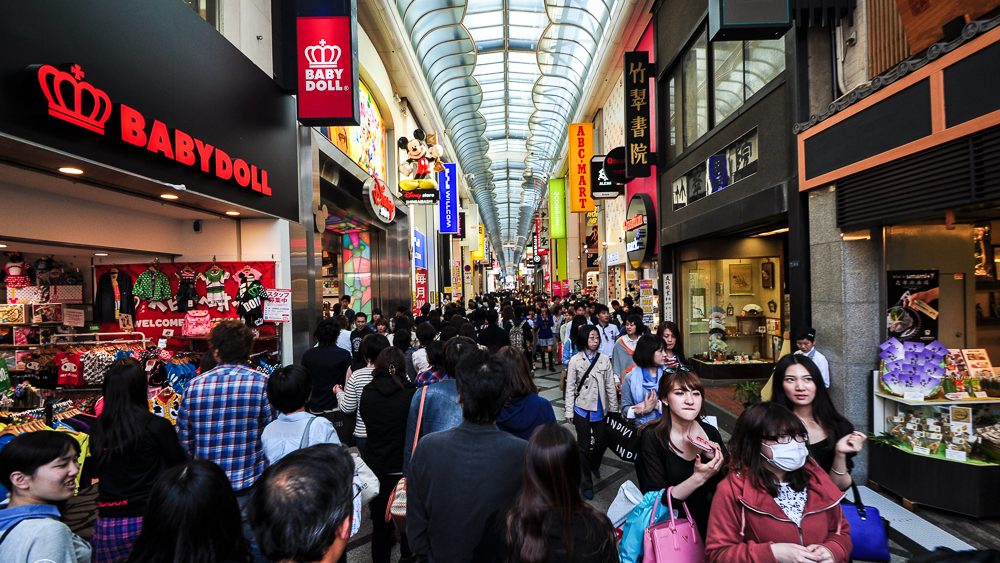
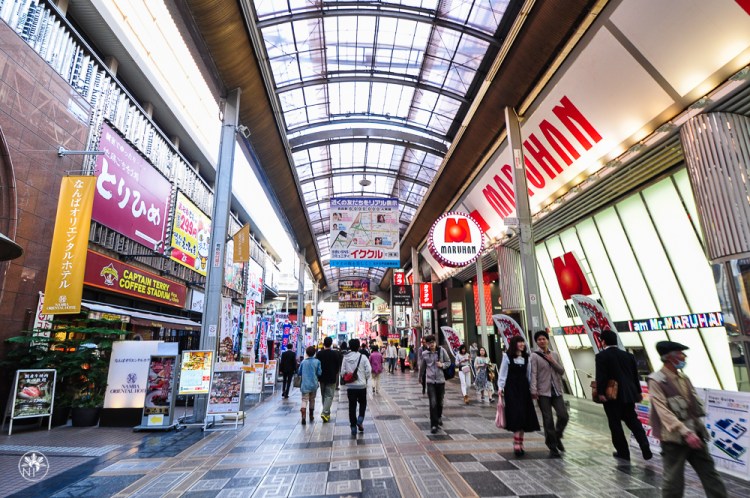
    Considered the best area to shop in Osaka, Shinsaibashi attracts tourists and locals from morning to night. The area lends its name from the landmark Shinsaibashi Bridge that was built in 1622, and rebuilt and improved on over the centuries. The area is well known for its boutiques and specialty shops, most centered around the 600 meter arcaded Shinsaibashi Shopping Street which runs east to Mido Suiji Avenue. The latter is also known as the Champs- Elysees of the East and boasts countless luxury brand stores. Here you will find a medley of brand name stores, chain stores, chain stores, second hand shops and restaurants, all covered from the elements and limited to pedestrian traffic only. The entire area is around eight blocks long which stretch from before Shinsaibashi Street to the bridge over the Dotonbori River.

  1. Nakanoshima

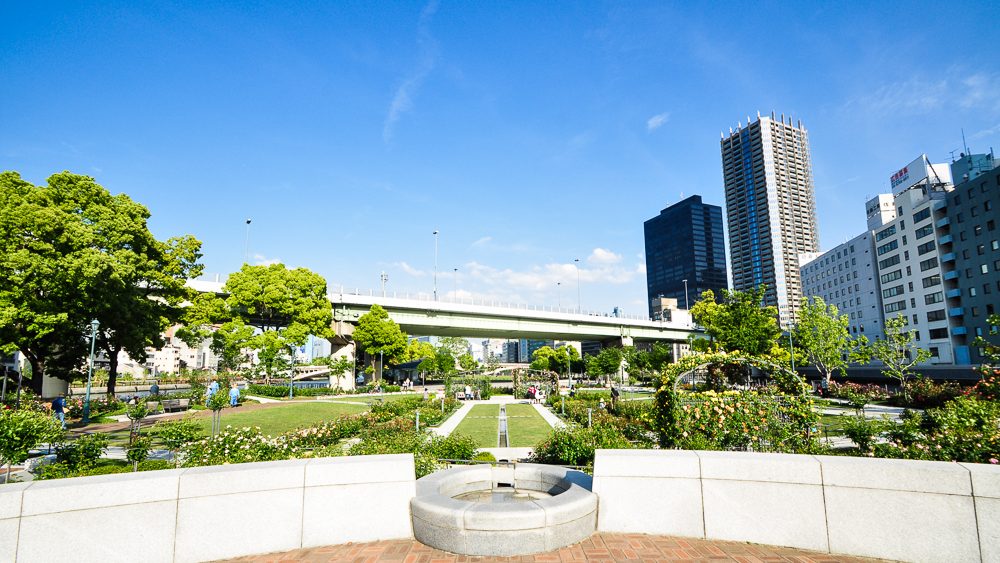
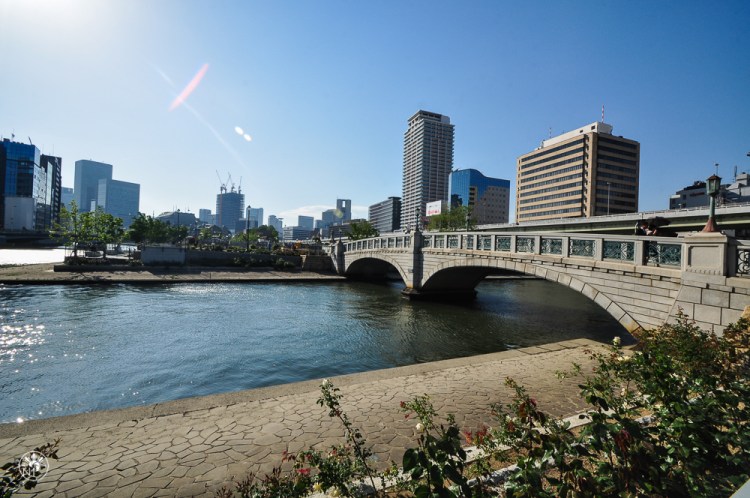
    Dividing the Kyu Yodo River into the Tosabori River and the Dojima River is a 3km long sandbank known as Nakanoshima (Island in the Centre”) This Unique 50 hectares narrow strip of land holds a number of important Osaka landmarks, including the Museum of Oriental Ceramics, the National Museum of Art, the Science Museum, City Hall, the Osaka branch of the bank of Japan and the Central Public Hall.

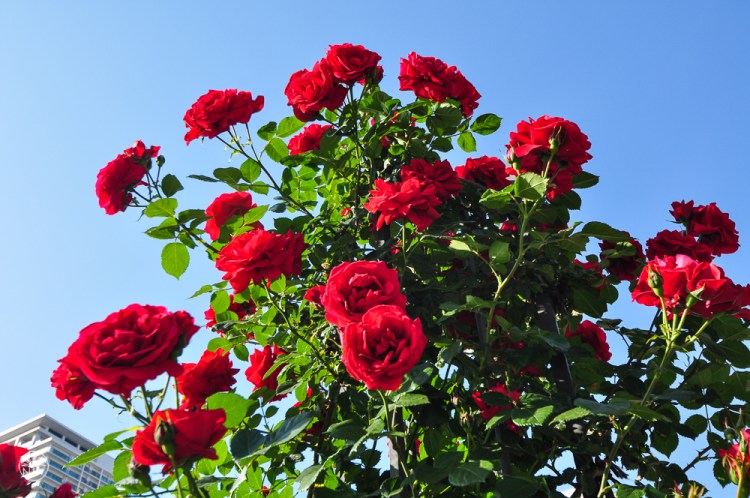
    Nakanoshima Park is also located on this sand bank, and was the first public ever built in Osaka, dating back to 1891. The beauty and serenity of the park provide a quiet green oasis among the bustle of the city. The park’s rose garden displays a collection of roses, numbering 3700 roses from over 300 species from all over the world. Rose blossoms are at their peak between May and October each year. The beauty of this landscape has earned Nakanoshima Park the title as one of the 100 most scenic green spots in the city.


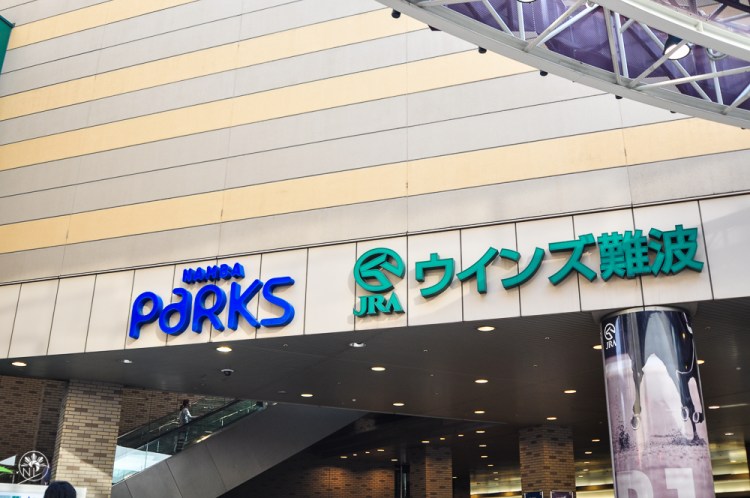
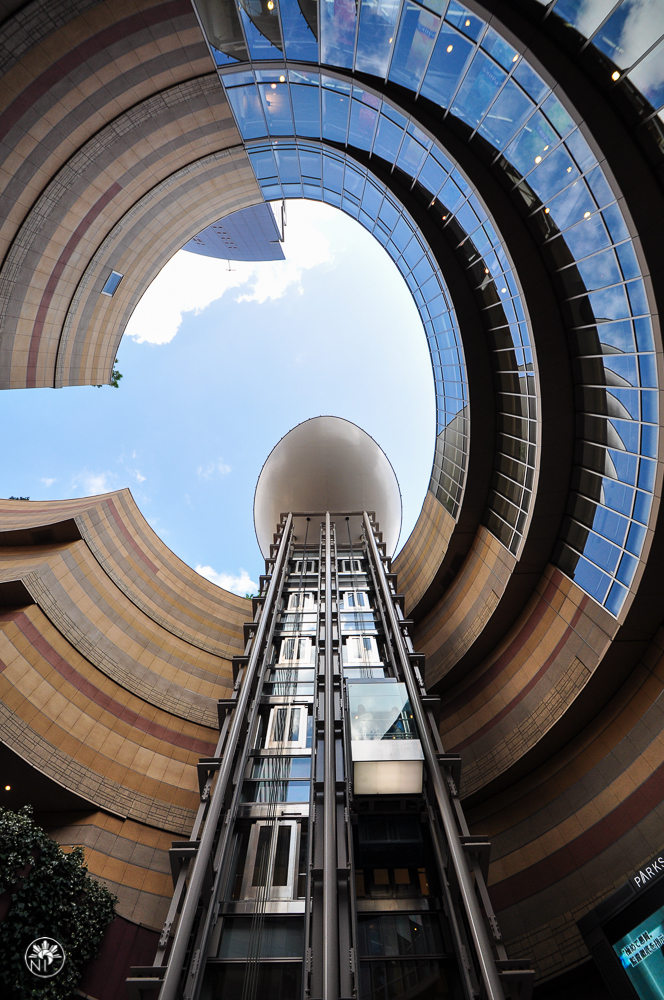
  1. Namba Parks

    Namba Parks is a huge shopping and office compound in the heart of Osaka, built by Jon Jerde of the Jerde Partnership. The idea of the park was to bring nature to the otherwise densely populated urban landscape, and the main feature of the project is a rooftop park which spans across multiple blocks as it ascends eight levels. This design enables pedestrians from the street to make their way up the different levels as they pass through trees, rock clusters, cliffs, waterfalls and outdoor terraces.

    The eight floors of Namba Parks consist of a carnival mall on the floor, with shops occupying the second to fifth floor. You will find many branded stores, as well as smaller boutiques for a truly all-encompassing shopping experience. Hungry visitors can visit the sixth floor for a wide variety of excellent dining options, with cuisines from all over the world represented here. The upper floor, the ninth, boasts a landscape garden, an amphitheater and green space for growing personal vegetable gardens.


10 Places to visit in Morocco

Perched on the North West of Africa, Morocco is a country of dazzling diversity, rugged landscapes, sweeping deserts and ancient cities. A blend of influences and tradition to invigorate the most intrepid of travelers. Whether is trekking across the atlas mountains or getting lost in the melee of the medinas, soaking up the sites, aromas and taste of local cuisine, Morocco has something for everyone. Here are some of the best sites to explore:

Jemaa el-Fnaa
  1. Explore Marrakech

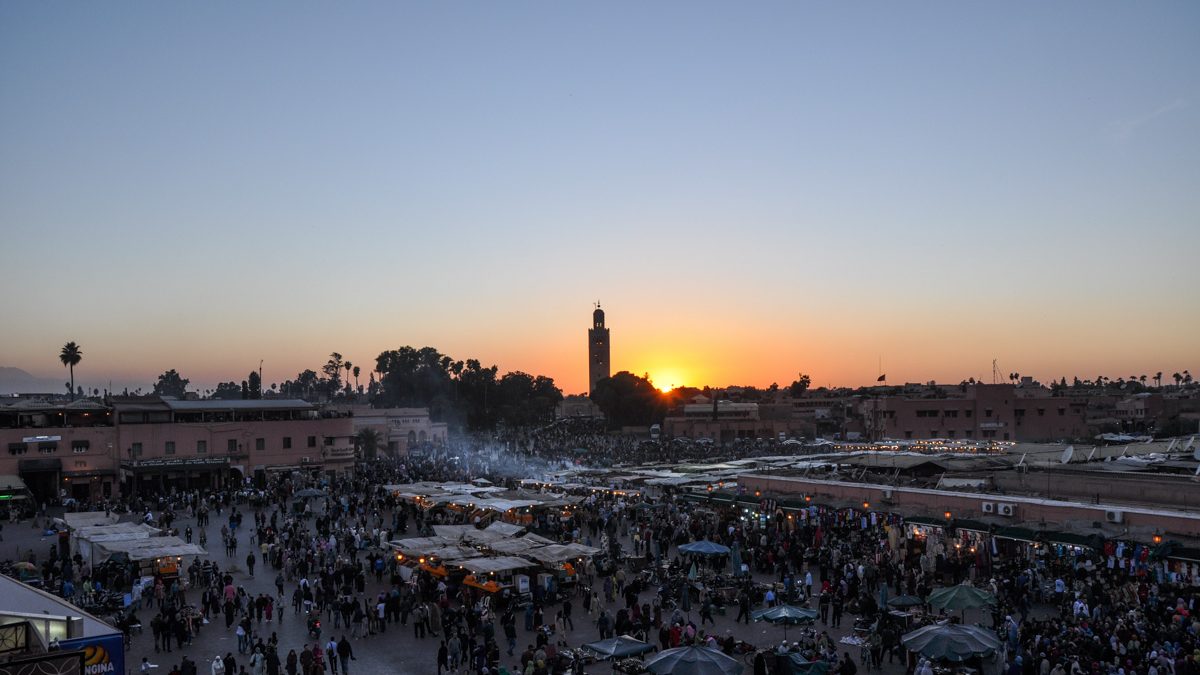
    Marrakech is great place to start and likely to be your first stop on any itinerary with flights arriving frequently from all corners of the world. Known as the Red City, is not only considered one of the most beautiful cities in Morocco, but may also be the best known in the country. A walled city full of palaces, like the Bahia Palace, one of the most important architectural works of Marrakech built with the aim of being the most impressive of all times; gardens like those of Menara, the most famous gardens of the city, and mosques like the Koutoubia Mosque the most impressive and important of Morocco and one of the biggest of the Islamic world. Outside of its impressive structures, Marrakech is a assault on the senses. Vibrant squares, medinas, street performers are in the melting pot of aromas with the fragrance of grilled meats, tajines and mint tea floating in the air. At the heart of it all is Jemaa el Fna Square which is the central square of Marrakech and the most important place in the medina.

    Marrakech: Private Guided Half-Day City Tours

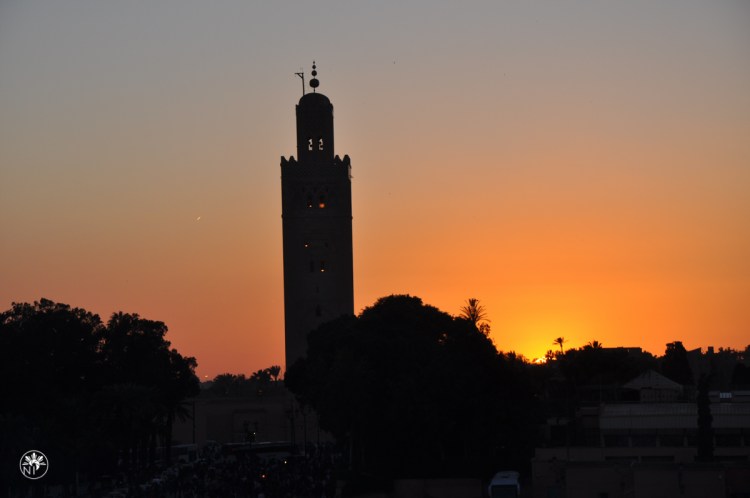
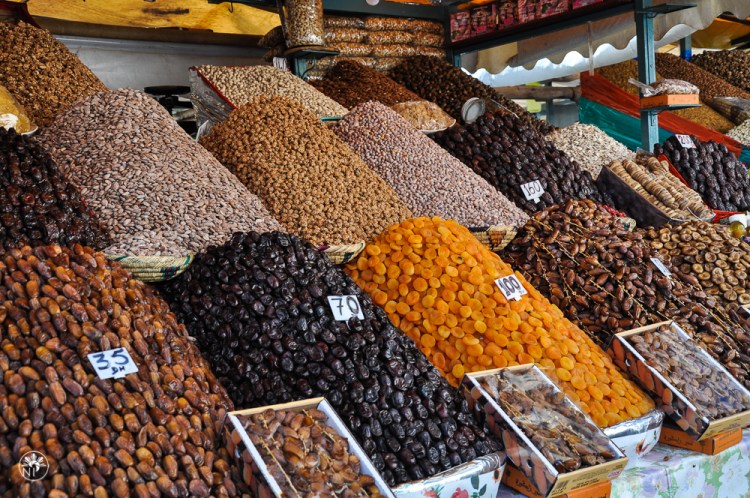
    The central square and market place in Marrakesh’s medina quarter is a huge concoction of activity with colour, aromas, sounds and ever-changing scenes. During the day the large square is frequented by snake charmers, men with Barbary apes, medicine men and water vendors, however the best time to visit is around sunset. The square comes alive when the sun goes down as stalls are set up across the square with a string of lights adding to the atmosphere. The aroma emanating around the square is an invitation to sample some of Morocco’s unique cuisine from grilled meat, fresh vegetable and meat tajines, a variety of north African salads and authentic pastille pie. Providing a moment of sanctuary and peace from the hustle and bustle I would suggest taking refuge at one of the many rooftop bars overlooking the square. Enjoy a cold beverage and relax as you absorb the atmosphere, sights, sounds and smells as the sun sets behind the Koutoubia Mosque.

    Medina Food Tasting in Marrakech

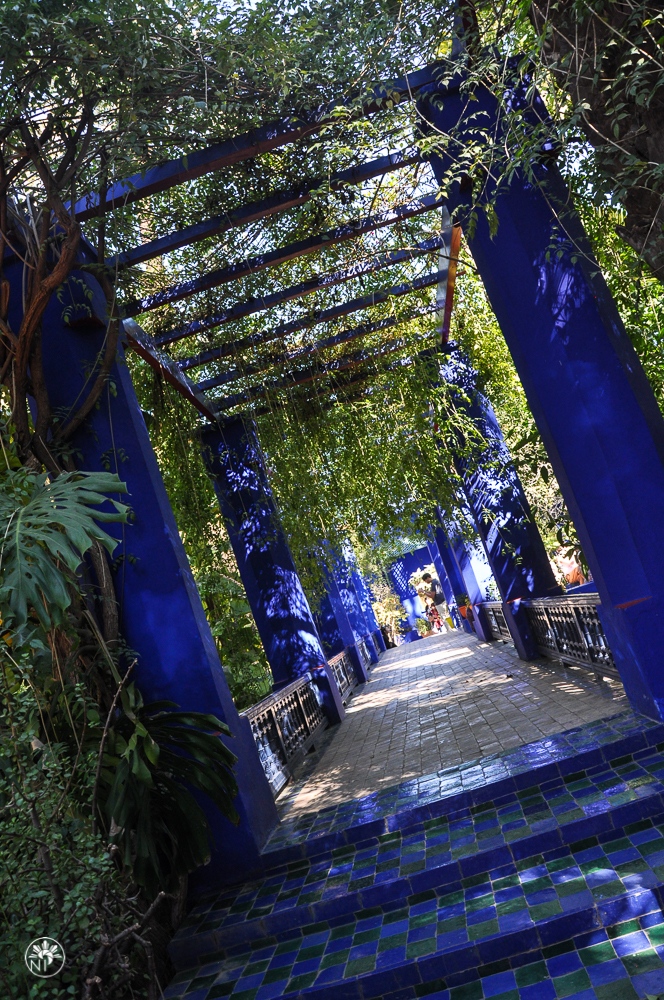
    Majorelle Garden

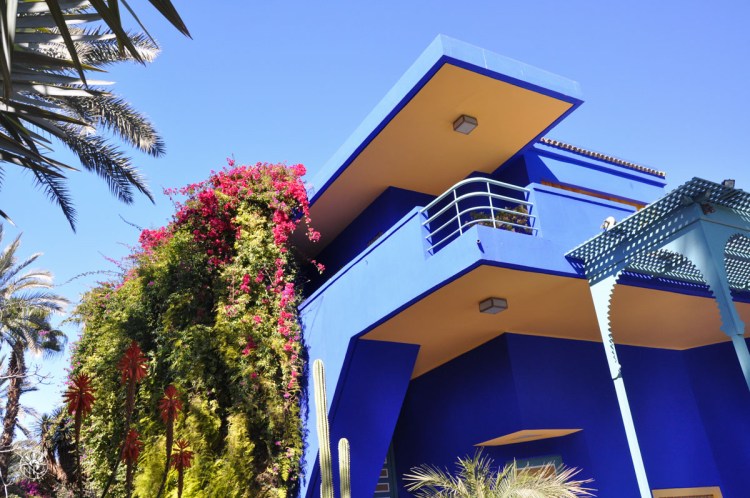
    This garden was created over the course of forty years by French painter Jacques Majorelle. The park is one of the top attractions of Marrakesh; it has many shady paths meandering between tall trees and passed exotic plants. There are water features, streams and pools of water lilies and lotus flowers. As a passionate botanist he created a luxurious garden around his house which is now the heart of Jardin Majorelle. He collected plants from across the globe building his garden as if it were a colorful painting. At the entrance there is a beautiful fountain, other feature of the garden include a cacti garden, a blue square fountain, the café Bousafsaf, exotic plant garden, Yves Saint Laurent Memorial a bamboo garden, pavilion and a collection of buildings including Boutique Majorelle, Galerie Love and the berber Museum and bookshop.

    Rahba Kedima

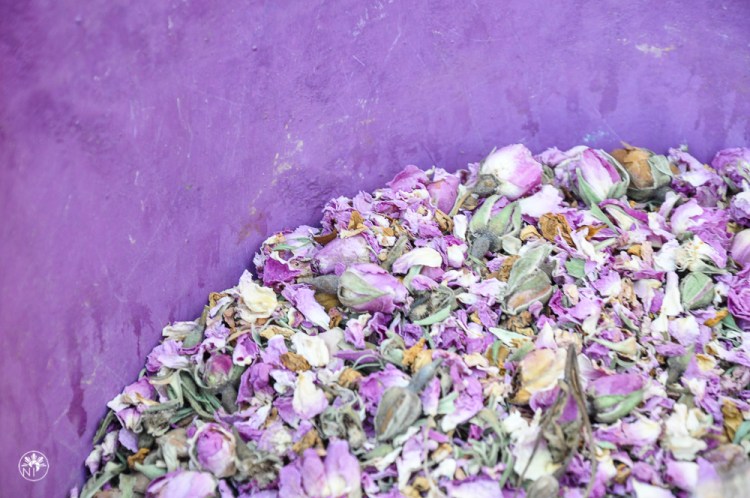
    The Rahba Square or Spice Square is a smaller square than Jemmaa el Fnaa yet just as interesting. The two squares are only a five minute walk apart in the Medina, in this square you can visit a market where stalls sell hand woven baskets, knitted goods, scarves, natural fragrances, teas amongst other products. The most colorful and photogenic stalls are those selling herbs and spices which have give the square its nickname – Spice Square. The square is a great places to see the fusion of Africa and Arabia which epitomizes Morocco.

    Shopping in the Souks of Marrakech Private Tour

    Medina (old town)

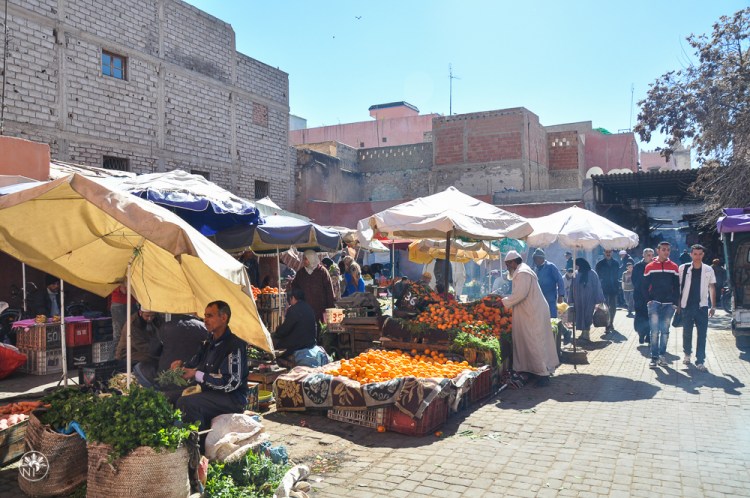
    The old Town of Marrakech is called the Medina Quarter. It is the most exciting place to be in the city and where you will probably spend a lot of your time. Several of the city’s most important landmarks are within the medina Quarter and the entire quarter is an UNESCO World Heritage site. The Medina is surrounded by the rose-colored walls which run for 19 km and have ornately decorated gates and towers. Shoppers will love the Old City’s 18 markets each focused on a particular product like slipper, rugs, glass, metal ware and clothing. From the square go off down the side streets to discover the labyrinth of markets. As you wander through the Old City you can see the traditional courtyard homes or riads which have an inner central courtyard or garden with fountains.

    Medina Walking Tour Secrets

    El Badi Palace

    The “incomparable palace” has not survived in its entirety but it is still possible to see the ruined remains. The best craftsmen of the Saadian period were used in the decoration and the finest quality materials were used in the construction. Among the special materials used there were gold, onyx and marble. The place was unfortunately destroyed by Moulay Ismail but there is still plenty to see including the sunken gardens, dungeon prison cells, subterranean passages and the main hall with 50 columns.

    Private Tour: Marrakech Medina By Night


2. Trek the Atlas Mountains

The High Atlas Mountains are North Africa’s tallest mountain range, a trekker’s paradise from spring to fall. The mountain range runs diagonally across Morocco for almost 1000km, encircling Marrakesh to the south and east from the Atlantic Coast just north of Agadir to Khenifra in the northeast. Its saw-toothed Jurassic peaks act as a weather barrier between the mild, Mediterranean climate to the north and the encroaching Sahara to the south. Imlil, sitting in the foothills of the High Atlas 90 minutes from Marrakesh, is the jumping-off point for scaling Toubkal, North Africa’s highest peak at 4167m (13670ft), a two-day ascent. For even less-trodden trails, the region around Tafraoute is Morocco’s Amazigh heartland, where tribes and traditions hold firm. Surrounded by lush palm groves and hilltop kasbahs, the Anti Atlas makes the perfect base for hikers – at 2359m (7740ft), Jebel El Kest is the region’s highest peak, but there are more gentle hiking and cycling routes passed the picturesque villages of the Ameln Valley. At the time of our visit in February the peaks were still laden with snow in the shadows yet the weather was warm to be trekking comfortably in shorts and a t-shirt. The rugged landscape requires a tough set of walking boots and a reasonable level of fitness to navigate the trail and return to base before the sun sets.

Atlas Mountains Hot Air Balloon Ride from Marrakech with Berber Breakfast and Desert Camel Experience

Atlas mountains & three valleys, waterfalls, full day guided tour from Marrakech

3. Explore Fez

Although Fez lost its influence at the beginning of the 19th century, it remains a supremely self-confident city whose cultural and spiritual lineage beguiles visitors. Something of the medieval remains in the world’s largest car-free urban area: donkeys cart goods down the warren of alleyways, and while there are still ruinous pockets, government efforts to restore the city are showing results. The Fez medina is the maze and while getting lost will seem inevitable, the experience is not to be missed. Seemingly blind alleys lead to squares with exquisite fountains and streets bursting with aromatic food stands, rooftops unveil a sea of minarets, and stooped doorways reveal tireless artisans.

Unforgettable Cooking Class in Fez

Private walking tours Fez Medina


4. Sahara Desert

Few places on earth compare to the Sahara Desert, a natural wonder of vast plains and sunbaked dunes that dominates the south and east of Morocco. The world’s largest hot desert, the Sahara stretches a staggering 5.6 million square miles (9 million square kilometers) over several countries. Hemmed in by the Atlas mountain range, the Saharan sands are one of Morocco’s many highlights.

3-Day Marrakech to Merzouga Sahara Desert Adventure

Popular Morocco Sahara Desert experiences include trekking along ancient trade routes on a camel, sleeping out under the desert stars, and rising at the break of dawn to watch the sunrise over a sea of orange dunes.

Tips

At the time of writing this was my third camel ride and despite the discomfort trekking across the desert is the most authentic experience. Even in the winter months the desert heat is intense, whilst at night the temperatures tend to plummet.

  • A long scarf that can cover your head and face (the locals will show you how)
  • Sunglasses
  • A hat, again for the shade
  • Tennis shoes or hiking boots, not a good idea to wear sandals on the camels.
  • Loose fitting comfortable pants/trousers/ fleece for the nights.

    Camel & Quad Combo In Douz Sahara Desert


Ait Ben Haddou

5. Explore the ancient ruins of Ait Ben Haddou

Located in the foothills on the southern slopes of the High Atlas in the Province of Ouarzazate, the site of Ait-Ben-Haddou is the most famous ksar in the Ounila Valley. The Ksar of Aït-Ben-Haddou is a striking example of southern Moroccan architecture. This Unesco-protected red mudbrick ksar (fortified village) seems frozen in time, still resembling its days in the 11th century as an Almoravid caravanserai. Movie buffs may recognize it from Lawrence of Arabia, Jesus of Nazareth (for which much of Aït Ben Haddou was rebuilt), Jewel of the Nile (note the Egyptian towers) and Gladiator. A less retouched kasbah can be found 6km north along the tarmac from Aït Ben Haddou: the Tamdaght kasbah, a crumbling Glaoui fortification topped by storks’ nests.

Ouarzazate One Day Trip from Marrakech

6. Visit the ruins of Voloubis

Sitting in the middle of a fertile plain, the ruined Roman city of Volubilis is the best-preserved archaeological site in Morocco. Its most amazing features are the many beautiful mosaics preserved in situ, and it was declared a Unesco World Heritage site in 1997. Volubilis is about 33km north of Meknes and can easily be combined with nearby Moulay Idriss Zerhoun to make a fantastic day trip from Meknes or Fez. Only about half of the 40-hectare site at Volubilis has been excavated. The better-known monuments are in the northern part of the site, furthest from the entrance in the south. In the heat of a summer day, the sun can be incredibly fierce, so bring a hat and plenty of water. Spring is the ideal season, when wildflowers blossom amid the abandoned stones, and the surrounding fields are at their greene st. The best time to visit is either first thing in the morning or late afternoon; at dusk, when the last rays of the sun light the ancient columns, Volubilis is at its most magical. Although parts of certain buildings are roped off, you are free to wander the site at will. Just beyond the entrance gate lies a small on-site museum, which displays the ancient city’s most celebrated finds and includes some of the prized discoveries, such as some fine bronzes, although many remain in the Archaeology Museum in Rabat.

Full-day Historical Meknes Volubilis and Moulay Idriss Tour


7. Explore Chefchaouen

Chefchaouen is undoubtedly one of Morocco’s most picturesque towns and one of the world’s most colorful cities. The locals simply call it Chaouen but to foreigners, it’s known as “the Blue City.” The streets and most of the buildings in the old part of town are painted sky blue, giving the entire city a postcard-like quality that is stunning to see in person. It’s located in the Rif Mountains and is relaxed compared to other Moroccan cities, so it’s a nice way to take a break from the commotion of Marrakesh or Casablanca.

Excursion to the waterfalls & God’s Bridge of Akchour

The blue buildings are what attract travelers to the city, but it’s the laidback lifestyle and mountain backdrops that make them fall in love with it. The best part of visiting Chefchaouen is getting lost in the labyrinth of blue-tinted streets. The color of the houses against the mountain backdrop makes the entire city feel dream-like, and whether you’re a photographer or not you’ll want to bring a camera along. Get lost in the medina, which is the name for the old part of town, where you can shop for souvenirs, get scrubbed down in a hammam, or get a hand-drawn henna tattoo. The Plaza Uta el-Hammam is the heart of the medina and is the spot to take a break, drink some mint tea, and watch the world go by.

Private walking tour of Chefchaouen (The blue city)

8. Visit Casablanca

The coastal city of Casablanca is the largest in Morocco, with a cosmopolitan atmosphere, an eclectic culinary scene, and unique architecture that draws inspiration from both Moorish and French Art Deco styles. There are many reasons to visit Casablanca. Some come to visit Hassan II Mosque, home to the largest religious minaret in the world, others come to unwind on the Atlantic beaches or to surf the winter swell.

Casablanca and Rabat Day Tour including Lunch

Some visitors are drawn by the romance of the iconic movie “Casablanca” but stay for the city’s gritty, authentic insight into modern Moroccan life. Feast on fresh seafood and rich tagines in hidden restaurants, or wander through the Old Medina to the port and the remains of the city’s 16th-century Portuguese fortress. Throughout the city, architectural landmarks abound, from those built in classic Moorish style like Makhama du Pacha to graceful European structures like L’Église du Sacre-Cœur.


Casablanca City Tour


9. Relax in a traditional Moroccan hammam

One of the most memorable experiences of our visit to Morocco, indulging in a traditional hammam after several days of exploration was truly rewarding. The Hammam is an incredibly important part of Moroccan culture and life for Men, women and children. Enjoy some rest and relaxation with a visit to a Moroccan spa, revel in a soothing Hammam, beautify yourself with essential Moroccan beauty products, including the renowned Argan oil, beldi soap, and rhassoul, and experience a comforting body scrub and massage.

Mouassine the real traditional Moroccan Hammam

Every neighborhood has one, and they come in all shapes, sizes, and levels of luxury, from a simple steam and scrub at a no-frills public bathhouse to a higher-price private hammam at a swanky hotel with more elaborate wraps and massages on offer. Wherever you go, you’ll emerge squeaky clean with baby-soft skin.

Traditional Hammam experience


10. Essaouira

Essaouira, Morocco, is a laid-back coastal town that offers travelers a nice break from the intense atmosphere of Marrakesh which is just a few hours away. Buses from Marrakech take around 2.5 hours and several companies travel this route. The bus station at Bab Doukkala in Marrakech is where the buses leave from. CTM is Morocco’s biggest and most reliable bus company, so check with their offices first about prices and availability.

Essaouira Guided Tour: 3 on 1 – Nightlife tour, Live like a local & Street food

Visitors to Essaouira are attracted to its beaches, fresh seafood, and medina. Essaouira’s biggest attraction may be its relaxing atmosphere. Wander through the spice-scented lanes and palm-lined avenues of the fortified medina, browse the many art galleries and boutiques, relax in some of the country’s best hotels and watch fishing nets being mended and traditional boats being constructed in the hugely atmospheric port.

Walk between Argan Forest, Ocean & Waterfalls.

Edinburgh Day Trip Review Part 2


A return trip to Edinburgh beckoned as soon as the flights were booked home. As mentioned in the first Edinburgh day trip, their is simply too much to see and do in a 6hr window. On this occasion we explored more of the city center as well venturing off to nearby Queensferry to visit the UNESCO listed Forth Bridge.

The Forth Bridge – North Queensferry

Itinerary

As with all day trips prior planning allows you to coordinate your activities into a logical sequence maximizing the time without exerting too much energy. Deciding on what to do and when to do it was the tricky part. During our first visit we spent the morning exploring Edinburgh castle and the Royal Mile, you should budget a good 2 hours to fully appreciate the grounds and scenery surrounding Edinburgh castle. Following lunch we would trek towards Princess street gardens and climb up Calton Hill for spectacular views of the city as the sun sets over a majestic Edinburgh. At a relaxed pace you can enjoy two of the city’s most popular attractions. On this occasion we decided to explore the old town, picturesque streets and staircases that dissect the labyrinth of buildings.


Scott Monument

Getting Their

Edinburgh is well connected from most major towns or cities within the UK requiring very little deviation. Traveling north from Preston there is a direct train that will get you to Edinburgh in 2hrs – 3hrs, arriving at Edinburgh Waverley station right in the heart of the city. Tickets per adult range from $65 CAD or 40 GBP for a same day return depending on whether or not you take peak trains. Tickets should be booked in advance as this train is usually busy due to commuters as well as being the direct link from London. Trainline is a safe and secure way of getting tickets within the UK.

For the latest prices and timetables please visit trainline.

Preston Station
Edinburgh Waverley
North Queensferry

Points of Interest – Forth Bridge

Before setting off to wonder the streets of Edinburgh we decided to take a short ride towards Queensferry to visit the Forth Railway Bridge that crosses the Forth estuary. Designated a UNESCO world Heritage site in 2015 the Forth Bridge is a celebrated Scottish landmark and symbol of Britain’s industrial and transport heritage. The worlds first major steel structure is recognized as the most famous cantilever-trussed bridges and continues to operate daily as an integral part of the rail network transporting passengers and freight.

Getting Their

Trains depart frequently from Edinburgh Waverly towards North Queensferry or Dalmeny depending on which side of the estuary you get off at. Personally I would exit at North Queensferry so you experience the Forth bridge for its intended purpose.

Explore the area

Exiting the station head towards South Bay of North Queensferry located just a short 10-minute walk away. The bay area is a serene and peaceful oasis that holds spectacular views of the Firth of the Forth and its three bridges. Just round the corner you will find Queensferry Light Tower, the smallest one in the world of its kind that is still in use. The pier stretches out into the estuary for a full 180 degree view and the bridges provide a stunning backdrop for any photographer when seen from the ground or the air. At this point we headed back to Edinburgh, however you can easily spend the day touring the bridges and Queensferry area by land or water.

Just a 10 minute walk from North Queensferry South bay is the North Access bus stop. Weather permitting you can walk or cycle across the Forth Road Bridge where you’ll be treated to breathtaking views of the adjacent bridges.

Once across head towards Queensferry Museum, the museum has stunning views out onto the Firth of Forth and the UNESCO World Heritage site, the Forth Bridge. Whether your interest is social history, folk traditions or civic engineering, there is something here for everyone to enjoy.

Beyond the Queensferry Museum is the Maid of the Forth, boats depart from Hawes Pier where you can embark on a scenic sightseeing cruise, encountering wildlife as you pass under all three Forth Bridges and down towards Inchcolm Island. By far the best way to view the magnificent engineering of the Forth Bridge, The Forth Road Bridge and the Queensferry Crossing. During peak season its best to book the cruise in advance to avoid disappointment. For more info on departures, itineraries and pricing check out the link: Maid of the Forth or Edinburgh Three Bridges Cruise.

If a boat cruise isn’t your cup of tea South Queensferry has plenty of shops, bakeries, artisans and restaurants to indulge. Try fresh seafood, Scottish pastries and of course whisky while you enjoy the spectacular views of the Firth of the Forth Bridges.

Dalmeny station is a 15 minute walk from Hawes pier if you are heading back into Edinburgh city center.

Lunch

After spending the morning exploring the Forth Bridge and its surroundings, we had certainly worked up an appetite. On a previous trip to Edinburgh we visited the advocate for some comforting Scottish pub grub. On this occasion we checked out a venue I saw on the UK youtube channel, Sortedfood. In this particular episode they embarked on food marathon around Edinburgh consuming 26.2 dishes in 24hrs. Check out the video below:


Makars Gourmet Mash

While the video explores the diversity of Edinburgh’s restaurant scene, again local flavors, comfort food and Scottish beverages prevailed. Makars Gourmet mash located on Bank Street celebrates classic Scottish dishes sourced with local ingredients paired with craft beers and ciders from the area. The menu as suggested combines a variety of flavored mash paired with braised meat such as lamb shank or beef shoulder, Scottish staples like Haggis and Makars awarding winning Wild Boar Sausages. Vegans and Vegetarians are catered for with plant based alternatives to Haggis and Sausages in addition to a selection of soups, salads and sides. Makars also celebrates the mushroom with dishes created from the variety grown in their in house Mushroom Emporium.

Victoria Street

Explore Edinburgh

After an hearty lunch, burning off some calories and taking in the surrounding sites seemed a pleasant way to spend the rest of the afternoon. From Makars Mash we headed towards Victoria Street as pictured above, the street slopes towards grassmarket square and is lined with artisanal shops, confectionary, bakeries and restaurants. An Instagram hotspot synonymous with Edinburgh the colorful buildings make a great photo op and as with most places, wake up early to avoid the crowds to get that serene photo. Walking down the cobblestone streets we headed onwards towards grassmarket square. The square is a vibrant hub of activity and a great place to grab lunch or enjoy a beer with bars and restaurants spilling out into the street and views gazing towards Edinburgh castle. Those with a sweet tooth can enjoy a variety of flavored donuts from Kilted Donuts or artisanal ice cream at Mary’s Milk Bar.

Grassmarket Square
Granny’s Green Steps
Edinburgh Castle
Victoria Street

Vennel Viewpoint

Around the corner from grassmarket square hidden away from the city center is the Vennel viewpoint, a landmark sandstone stairway between tenement buildings with a great view of Edinburgh Castle at the top. Crossing over back towards grassmarket square we ascended up Granny’s Green Steps meandering our way towards Princes St Gardens and the Scott Monument.

Vennel View Point

Scott Monument – Princes Gardens

Princes St is a great place to wander along or simply rest whist’s taking in the panoramic views of the gardens, buildings and castle. Venturing into the gardens you can navigate several pathways though the fountains, statues and flowers with great views of the castle and monuments. Sticking to princes st as you continue to walk towards Waverly Station you will notice one of Edinburgh’s most iconic landmarks, the Scott Monument. Dedicated to Sir Walter Scott it is one of the largest monuments to a writer anywhere in the world. If walking around Edinburgh wasn’t strenuous enough you can climb the 287 steps to the top and enjoy spectacular views of the gardens and castle. Tickets can be purchased from the Scott Monument kiosk on arrival. This concluded our day trip to Edinburgh as we casually strolled towards Waverly Station, whiskey and souvenirs in hand to catch the train back to Preston.

Scott Monument
Princes Street Gardens

Final Thoughts

Overall Edinburgh did not disappoint, exploring other areas of the city and a neighboring UNESCO world heritage site made for a truly memorable day out. Edinburgh has a great food scene to explore all year round and simply just walking the backstreets between the lower and upper town is an experience itself. As previously mentioned the Edinburgh Tattoo is a spectacular performance to witness and whilst making the most of an overnight stay photographers can capture Edinburgh and the Forth Bridge at its majestic best before the crowds arrive. Edinburgh makes for a great basecamp to explore nearby loch Lomond, Stirling castle, the Scottish Highlands and Loch Ness. Harry Potter fans can take the Harry Potter and Horrible Histories Walking Tour in Edinburgh or venturing further afield journey across the Glenfinnan Viaduct on the “Hogwarts Express”.

Highlights of Exploring Edinburgh day trip part 2

5 Places to visit in Kyoto

Just 60 Kilometers from Osaka in the Kansai Region is Kyoto. The old ancient capital of Japan from 794 to 1869, Kyoto is a medley of atmospheric temples, sublime gardens and traditional teahouses. In fact, there are more than 2000 temples here, inviting visitors to breathe deeply of Japan’s rich traditions. Kyoto has Tack a fabulous food scene best experienced in foodie Nishiki Market – and you’ll find almost as many reasons to linger as there are types of sushi and toppings for ramen noodles. This is a city with oodles to see, and despite Japan’s expensive reputation, you can see much of it for free. It would be easy to spend a lifetime exploring Kyoto’s historic quarters and serene natural surroundings, but with less time to spare, it pays to prioritize. Plan a trip around the following don’t-miss sights and experiences.

  1. Kinkaku-ji

    One of many UNESCO world heritage sites, Kyoto’s magnificent Golden Pavilion is one of the most iconic sights in the country. The top two tiers of this Zen temple are completely gilded in dazzling gold leaf, a reflection of the opulent tastes at the time it was first constructed. Kinkaku-ji has been burned down several times during its long history, but the reconstruction is largely faithful to the 14th-century original. When you see it from afar, surrounded by pine trees and reflected in the pristine waters of the pond below, it’s a spectacular and otherworldly sight. Go early or late on a weekday to avoid the inevitable crowds its beauty draws. The golden pavilion is possibly the most famous sight in Kyoto. So, even though it’s mentally touristic, this place is definitely a must-see.

    10 Must-see Spots in Kyoto One Day Private Tour (up to 7 people)
  1. Fushimi Inari Taisha shrine

    Kyoto’s iconic sites don’t come more photographed than Fushimi Inari Shrine. The image adorned on the cover of Japan Lonely Planet guide book is Fushimi Inari shrine. It’s dedicated to Inari – the god of rice, good harvest and business success – and the gates are all donations from individuals and companies, erected to encourage the gods to be generous with luck and prosperity (the black kanji characters indicate who donated each one). With its thousands of torii gates creating a vermilion tunnel up the mountainside, Fushimi Inari is a great place to explore and discover. The photographs are iconic and instantly instagrammable as you trek through hundreds of red gates that edge the path all the way up the hill to the shrine at the top. The hike up the many steps winds its way up the hillside but the view from the top of the sun setting over the old city is pretty special. It is also known as the ‘fox shrine’ because foxes are believed to be Inari’s messengers.

    Fushimi Inari Hidden Hiking Tour
  1. Kiyomizu-dera Temple

    This UNESCO World Heritage Site is set at the top of a hill and is surrounded by cherry trees, which is why it’s widely considered to be one of the most beautiful sites in the city. It’s also known as a magical temple, where you can find true love or drink from streams symbolizing love, success, or a long life. The name of this popular Buddhist temple translates as “pure water temple”, a nod to the sacred Otowa Waterfall. Spilling into the grounds of Kiyomizu-dera, the falls are split into three sections, and drinking from them is said to bestow either longevity, academic success, or luck in love depending on which stream you choose.

    Sagano Romantic Train & Arashiyama, Kiyomizudera, Fushimi Inari Taisha Day Tour

    For extra help in your love life, head to Jishu shrine behind the main hall. In front of it are two large stones, and walking between them with your eyes closed is said to bless you with true love. You’ll want to keep your eyes open on the temple’s wooden veranda; it juts out 13m above the hillside, offering panoramic views over Kyoto.


  1. Arashiyama Bamboo Forest

    Another iconic image associated with Kyoto is the evergreen Bamboo Forest. The scenic, temple-filled district of Arashiyama in the west of Kyoto is a beguiling place to explore. Centered on the Togetsukyo bridge, this historic neighborhood is famous for its bewitching bamboo grove, where the air is cool and the light takes on a mystical green hue. To get the best from a stroll beneath its towering canopy of bamboo stems, get here early in the morning, before the Instagrammers gather. Nearby is the splendid Tenryū-ji temple, whose sprawling landscaped gardens perfectly encapsulate the concept of shakkei (borrowed scenery), co-opting nearby mountains into the design.

    Arashiyama Walking Tour – Bamboo Forest, Monkey Park & Secrets
Yasaka Shrine
  1. Gion District

    The city’s most famous geisha district, Gion, is an atmospheric labyrinth of charming backstreets and traditional townhouses. Geisha – known here as geiko – still scurry around around the narrow lanes in immaculate kimonos and make-up, as they have since the Edo period. On one level, it’s a museum piece, but the interiors of many of the buildings have been transformed into art galleries, charming teahouses, and shops selling specialist local arts and crafts. Despite Gion’s fame, it’s still the best place in Kyoto to escape the 21st century. Early rises should head towards Hokan-ji Temple before the crowds descend. The five storied pagoda is journeys end as you navigate the narrow streets and wooden houses that transport you back to ancient Japan. This street is also one of many iconic photo ops symbolizing Kyoto’s majestic beauty. A short distance from Hokan-ji Temple is Yasaka Shrine, also known as Gion Shrine is one of the most famous shrines in Kyoto. Yasaka Shrine is well known for its Summer festival, the Gion Matsuri and becomes busy during cherry blossom season in early April.

    Explore Gion and discover the arts of geisha

10 UNESCO world heritage sites to visit in Europe

Travelling around the world leads to you to inevitably seek out landmarks, national parks, historic sites that invite and demand your attention. Intentionally visited or a curious sense of discovery these outstanding feats of human ingenuity and spectacular natural environments are part of the joy of what makes travelling great. While it may not be in the best interest of everyone concerned these sites are of significant importance and visiting these locations helps preserve them for future generations. Outlined as part of UNESCO’s mission statement ” The United Nations Educational, Scientific and Cultural Organization (UNESCO) seeks to encourage the identification, protection and preservation of cultural and natural heritage around the world considered to be of outstanding value to humanity. Heritage is our legacy from the past, what we live with today, and what we pass on to future generations. Our cultural and natural heritage are both irreplaceable sources of life and inspiration. “

Within Europe their are hundreds of UNESCO sites, some of which are instantly recognizable and some you’ve probably visited. The list below is a just a snapshot of the wonders you have at your disposal that may not spring to mind when planning your vacation. From natural rock formations, ancient monuments to waterways and quaint towns the sites and scenery are just waiting to be discovered.

  1. Bryggen – Bergen, Norway

    Bryggen is a historic harbor district in Bergen, one of North Europe’s oldest port cities on the west coast of Norway. The buildings are made of wood in keeping with vernacular building traditions. The original compact medieval urban structure is persevered with its long narrow rows of buildings facing the harbor, separated by narrow wooden passages.

    Food and Culture walk

    Today some 62 buildings remain of this former townscape and these contain sufficient elements to demonstrate how this colony of bachelor German merchants lived and worked, and illustrate the use of space in the district. It is characterized by the construction of buildings along the narrow passages running parallel to the docks. The world heritage site consist of the old Hanseatic wharf and buildings, and one of the best known urban areas from the middle ages in all of Norway.

    Walking Tour in Bergen of the Past and Present

    Hidden behind the iconic Bryggen front lies a hidden world of passages, small shops, galleries and artists studios ready to explore. Just a stones throw away is the is the Bergen fish market which has been a meeting place for merchants and fishermen since the 1200’s. Today you can find fresh fish, seafood, local farm food and several restaurants serving a variety of Nordic delicacies.

    Guided Tour To Nærøyfjorden, Flåm And Stegastein – Viewpoint Cruise


2. Giants Causeway – Northern Ireland

The giants causeway and causeway coast is a spectacular area of global geological importance on the sea coast of the Antrim plateau in Northern Ireland. The most characteristic and unique feature of the site is the exposure of some 40,000 large, regularly shaped polygonal columns of basalt in perfect horizontal sections, forming a pavement. The cliff exposures of columnar and massive basalt at the edge of the antrim plateau present a spectacle of exceptional natural beauty. Explore six must see sites at the Giants Causeway.

Giant’s Causeway with the Titanic Exhibition and the best of Northern Ireland

Grand Causeway – the grand causeway is the largest of three rock outcrops which make up the giants causeway. These collections of curious columns contributed to the causeway being designated Northern Irelands only world heritage site by Unesco in 1986.

  • Giants Boot – in Port Noffer you’ll find a small path leading towards the sea. This takes you to what is perhaps the bay’s most famous feature – the giant’s boot. Apparently lost by Finn as he fled from the wrath of Scottish giant, Benandonner, the boot is reputed to be a size 93.5.
  • Wishing chair – if you thought the giants causeway couldnt get any more magical then take a seat in the famous wishing chair. An essential stop on any visit the wishing chair is a natural throne formed from a perfectly arranged set of coloumns.
  • The camel – is a basaltic dyke, formed from cooling lava which has pushed its way through other layers of rock.
  • Clifftop trails – experience a birds eye view of the giants causeway with clifftop trails. Dramatic coast views its a unique way to the see the world heritage site and explore the stunning north coast of Ireland. Choose from the red, blue, green and yellow trails designed to suit every ability.
  • Visitor center – Officially opened in July 2012, the giants causeway was the result of an international architecture competition. The building won many prestigious awards for design innovation and sustainability. Having racked up your step count on the trails the café is the perfect place to enjoy a tasty treat and the shop is an ideal location to pick up something unique to take home.

    Giant’s Causeway Tour Including Game of Thrones Locations

3. Canals of Amsterdam – Netherlands

In recent years Amsterdam has developed a reputation for the ongoing happening after dusk, the seedy backstreet nightclubs, red light district and special coffee shops attract visitors from all over the world. The charming nightlife entertainment should not overshadow the engineering marvel that is synonymous with Amsterdam. The Amsterdam Canal District illustrates exemplary hydraulic and urban planning on a large scale through the entirely artificial creation of a large-scale port city. In the 17th and 18th centuries, Amsterdam was seen as the realization of the ideal city that was used as a reference urban model for numerous projects for new cities around the world.

Amsterdam Evening Canal Cruise with Live Guide and Onboard Bar

The network of canals in concentric arcs of a circle that forms the basis of the urban layout, along with the radial waterways and streets, survives in its entirety, with its old embankments and historic façade alignments. Discovering the canals and waterways that meander through the city is must on any visit to Amsterdam. Traditional boat cruises will pass by standout landmarks, though narrow tunnels, gates and openings as you take in the historic city views along the embankment. If you’ve already done the boat cruises, take a bicycle like the locals and navigate the streets that line the canals to discover sites that await round every corner.

Keukenhof’s Tulips and Windmills Small-Group Tour from Amsterdam


4. Cinque Terre – Italy

Cinque Terre is a string of five old fishing villages perched high on the Italian Riviera in the region Liguria, which until recently were linked only by mule tracks and accessible only by rail or water. Cinque Terre is noted for its beauty, over centuries people have carefully built terraces to cultivate grapes and olives on the rugged steep landscape right up to the cliffs that overlook the Mediterranean sea. The breathtaking views of harbors far below the wild but hospitable coastline along with the medieval fortresses and plentiful vines and vibrant colors make this a memorable holiday. Sinuous path traverse seemingly impregnable cliff sides, and a 19th century railway line that’s cut through a series of coastal tunnels moves people from village to village. The five villages are no longer the isolated hamlets they one were but there’s still a feeling of authenticity here with few roads perfectly preserved architecture and a network of stunning coastal and mountain trails.

Riomaggiore is the largest of the five and acts as its unofficial headquarters. Its peeling pastel buildings march down a steep ravine to a tiny harbor – the regions favorite postcard view – and glow romantically at sunset, which is best appreciated from the sea.

Manarola – bequeathed with more grapevines than any other Cinque Terre village, Manarola is famous for it its sweet Sciacchetra wine. Its also awash with priceless medieval relics, supporting claims that its the oldest village of the five. The bustling main street and waterfront promenade are still lined with fishing boats and other such reminders of everyday village life. Punta Bonfiglio is a short uphill hike for fabulous scenic views.

7-Hour Guided Tour of Cinque Terre with aperitif

Corniglia is the quiet middle village that sits atop a 330ft high rocky promontory surrounded by vineyards. It is the only Cinque Terre settlement with no direct sea access, although steep steps lead down to a rocky cove. Narrow alleys and colorfully painted four story houses characterize the ancient core, a timeless streetscape that was namechecked in Boccaccios Decameron. Its tranquil tangled streets lead to a broad and breezy sea-facing terrace, the only vantage point from where you can see and photograph all five villages at once.

Vernazza’s small harbor – the only secure landing point on teh Cinque Terre coast guards what is perhaps the quaintest and steepest of the five villages. Lined with little cafes, a main cobbled street links seaside Piazza Marconi with the train station. Side streets lead to the villages trademark Genoa-style caruggi, where sea views pop at every turn.

Monterosso – the only cinque terre settlement to sport a proper stretch of beach, the westernmost village of Monterosso is the least quintessential of the quintet. The village known for its leon trees and anchovies, is delightful. Split in two, its new and old halves are linked by an underground tunnel burrowed beneath the blustery San Cristoforo promontory.

Cinque Terre Day Trip from Florence with Optional Hiking


5. Acropolis – Greece

The Greek capital is usually the gateway to Mediterranean cruises and island exploration. Despite its touristic nature the ruins of the acropolis is a fascinating piece of history to discover. The mythical Acropolis The Acropolis of Athens and its monuments are universal symbols of the classical spirit and civilization and form the greatest architectural and artistic complex bequeathed by Greek Antiquity to the world. In the second half of the fifth century bc, Athens, following the victory against the Persians and the establishment of democracy, took a leading position amongst the other city-states of the ancient world. In the age that followed, as thought and art flourished, an exceptional group of artists put into effect the ambitious plans of Athenian statesman Pericles and, under the inspired guidance of the sculptor Pheidias, transformed the rocky hill into a unique monument of thought and the arts. The most important monuments were built during that time: the Parthenon, built by Ictinus, the Erechtheon, the Propylaea, the monumental entrance to the Acropolis, designed by Mnesicles and the small temple Athena Nike. Today the ruins stands as a reminder of the past, the acropolis provides a great vantage point and panoramic view surveying modern day Athens.

6. The Historic Old Town – Tallinn, Estonia

Estonia’s capital is a blend of old and new, Tallinn Old Town is one of the best preserved Hanseatic town centers in the world. A stone’s throw away you’ll find the city’s business center with modern towers and luxurious hotels, trendy neighborhoods and large shopping centers. Divided between a fortified upper portion and lively lower section, Tallinn Old Town, now a World Heritage Site, represents the historic heart of Estonia. Walking from the port it takes around 15 mins to arrive at the Viru Gates. Navigating onwards through the cobblestone streets into the old town square onwards to the upper town you’ll be rewarded with sweeping views of the city and the Gulf of Finland, accented by a multitude of church spires and towers.

Tallinn 3-Hour Estonian Food Tour

For the clearest panoramas, head to the viewing platforms around the edges of the walls. As you descend through the narrow streets be sure to visit the historic Alexander Nevsky Cathedral that serves as the dominating landmark in Palace Square. Witness the cathedral’s cupolas and golden crosses rising high above the rooftops. A short walk from the old town is Kalamaja, often considered a hipster area of Tallinn, this once closed off Soviet border zone is conveniently located between the scenic Tallinn coast and Old Town and features some real architectural gems.


7. Ephesus – Turkey

Turkey has many prominent sites of historic significance, natural marvel and cultural wonder. One of the standout sites of archeological excavation is Ephesus. The city was once a Roman provincial capital and trading center. Ephesus is also home to several of Christendom’s holiest sites. St. Paul preached at the Great Theater and the ruins of Ephesus’ Basilica cover the tomb of Christ’s most beloved disciple, St. John the Apostle. The three-arched Magnesian Gates are the starting point to your slow, downhill walk into the ancient city of Ephesus, once the trade center of the ancient world and the site of a succession of great civilizations. Your knowledgeable guide will take you back in time and highlight such structures as the beautifully preserved Temple of Hadrian, the magnificent Trajan Fountain, the Odeon Theater, once used for both political and entertainment purposes, and the beautiful Celsus Library with its imposing façade and two-story Corinthian-style columns. See the dramatic Great Theater, once the home of gladiator games, which seats twenty-five thousand. Strolling through the streets, it is easy to see that Ephesus is one of the best-preserved classical cities in the world and why it is considered one of the great outdoor museums of Turkey. As with many of these arkeological sites wear sturdy walking boots as the stone is smooth, slippery and in some parts unstable as your guide will make you aware.

8. Historic Centre of Saint Petersburg – Russia

The ‘Venice of the North’, with its numerous canals and more than 400 bridges, is the result of a vast urban project begun in 1703 under Peter the Great. Its architectural heritage reconciles the very different Baroque and pure neoclassical styles, as can be seen in the Admiralty, the Winter Palace, the Marble Palace and the Hermitage. The greatness of Russia’s northern capital, with its horizontal silhouette coupled with vertical landmarks and its ensembles of embankments and squares, lies in the heart of the city’s “imperial” spirit. The main feature and attraction of Saint Petersburg’s historical centre is characterized by a perfect harmony of architecture and waterscapes.


The full-flowing Neva bequeathed the city an exceptional spatial scale and wealth of spectacle. The Neva water spaces were natural extensions of the system of city squares. The regularly-spaced network of streets superimposed on this natural background endowed the city with an artistic contrast and perceptual richness. With its “view of stern and grace”, Saint Petersburg required a unified construction as an ensemble with Teutonic unity, qualities which emerged simultaneously with its birth. The unique urban landscape of the port and capital city of Saint Petersburg, rising out of the Neva estuary where it meets the Gulf of Finland, was the greatest urban creation of the 18th century. Today the historic sites of St Petersberg have become a popular port for cruise ships to stop on their exploration of the baltic sea. The overnight stop gives guest to explore this historic city to the fullest including the sites around the centre and banks of the neva.


9. Verona – Italy

Overshadowed somewhat prematurely by more prominant historic cities such as Rome, Florence or Venice, Verona in its own right is an intriguing blend of nature and historical relevance. The city is situated in northern Italy at the foot of the Lessini Mountains on the River Adige. It dates from prehistoric times: a small built-up area that developed between the 4th and 3rd century BCE became a Roman municipium in the 1st century BCE after which it rose rapidly in importance. The core of the city consists of the Roman town nestled in the loop of the river containing one of the richest collections of Roman remains in northern Italy. Surviving remains of this era include the city gate, Porta Borsari, the remains of the Porta Leoni, the Arco dei Gavi, which was dismantled in the Napoleonic period and rebuilt next to Castelvecchio in the 1930s, the Ponte Pietra, the Roman theatre, and the Amphitheatre Arena.

Verona Food & Wine Walking Tour in Small-group

The Scaligers rebuilt the walls during the Middle Ages, embracing a much larger territory in the west and another vast area on the east bank of the river. This remained the size of the city until the 20th century. The heart of Verona is the ensemble consisting of the Piazza delle Erbe (with its picturesque fruit and vegetable market) and the Piazza dei Signori, with historic buildings that include the Palazzo del Comune, Palazzo del Governo, Loggia del Consiglio, Arche Scaligere, and Domus Nova. The Piazza Bra has a number of buildings dating back to different epochs. Verona’s surviving architecture and urban structure reflects the evolution of this fortified town over its 2,000 year history.

Verona Small Group Walking Tour with Cable Car and Arena Tickets

Navigating the bridges, streets, plaza and castles that make up the labyrinth that is Verona is truly spectacular. The vantage point from the castle or many bridges that cross Adige river provide idyllic photo opportunities to capture the magical moment. Outside of Rome Verona is is one of most well preserved historical centers and definitely worth the visit.


10. Dubrovnik – Croatia

The ‘Pearl of the Adriatic’, situated on the Dalmatian coast, became an important Mediterranean sea power from the 13th century onwards. Although severely damaged by an earthquake in 1667, Dubrovnik managed to preserve its beautiful Gothic, Renaissance and Baroque churches, monasteries, palaces and fountains. No visit to Dubrovnik is complete without a walk around the spectacular city walls that encircle its historic core. They’re among the finest in the world and are the city’s defining feature. As you circulate the walls from the top, the view over the old town and the shimmering Adriatic is sublime. From the sea, the juxtaposition of pinkish-grey stone and azure waters is mesmerizing, while from above the tight maze of church steeples and terracotta roofs is the setting for a fairy tale. Points of interest to explore include the historic city gates including the Pile Gate to the west and the Ploče Gate to the east. Both have drawbridges that were raised at sunset when the doors were locked and the keys handed to the rector. A third entrance, the Buža Gate, was added to the northern wall at the top of Boškovićeva street in 1907.

Discover the Old Town Walking Tour

Dubrovnik 45 minute Panoramic Cruise

Notable landmarks that catch the eye are the forts perched emerging out of the coastline. Round Fort Minčeta protects the landward edge of the city from attack. Fort Bokar is the westernmost tower, built to protect Pile Gate. Fort Lawrence, a large, free-standing fortress, was built to guard the city’s western approach from invasion by land and sea, with walls from 13ft to 39ft (4m to 12m) thick. The views back over the old town from here are wonderful. Fort Revelin is the largest of the old-town forts. It sits separately from the city walls, overlooking the Old Harbor and the eastern entrance to the old town. The massive battlement of Fort St John dates to the 16th century, but you may be able to spot the outline of the original square tower (built in 1346) that predated it. You can pose on cannons along the upper terrace during a city walls walk, but you’ll need separate tickets to visit the attractions within.

‘Game of Thrones’ Walking Tour in Dubrovnik


Conclusion

Europe’s UNESCO sites are some of the most well preserved natural environments and symbols of human ingenuity deserving of this prestigious accolade. Wherever your travels take you in Europe be mindful of the UNESCO sites in that area, theirs nothing worse that coming home knowing you was close to something magical that was inadvertently overlooked. Every visit helps preserve, protect and conservate the sites for future generations while experiencing the splendored and wonder first hand. Returning to these sites alongside the next generation reiterates the importance of conservation, preservation and joy to be had in engaging positively within this environment.

To discover and inspire trips to other Unesco sites in Europe please visit the link :

10 UNESCO world heritage sites to visit in Asia

Travelling around the world leads to you to inevitably seek out landmarks, national parks, historic sites that invite and demand your attention. Intentionally visited or a curious sense of discovery these outstanding feats of human ingenuity and spectacular natural environments are part of the joy of what makes travelling great. While it may not be in the best interest of everyone concerned these sites are of significant importance and visiting these locations helps preserve them for future generations. Outlined as part of UNESCO’s mission statement ” The United Nations Educational, Scientific and Cultural Organization (UNESCO) seeks to encourage the identification, protection and preservation of cultural and natural heritage around the world considered to be of outstanding value to humanity. Heritage is our legacy from the past, what we live with today, and what we pass on to future generations. Our cultural and natural heritage are both irreplaceable sources of life and inspiration. “

Within Europe their are hundreds of UNESCO sites, some of which are instantly recognizable and some you’ve probably visited. The list below is a just a snapshot of the wonders you have at your disposal that may not spring to mind when planning your vacation. From natural rock formations, ancient monuments to waterways and quaint towns the sites and scenery are just waiting to be discovered.

  1. Petra – Jordan

    Put in-front of a global audience in the film ” Indiana Jones and the Last Crusade” The lost city of Petra has become a pilgrimage for adventurers, travelers, geologist and budding archeologists. Situated between the Red Sea and the Dead Sea and inhabited since prehistoric times, the rock-cut capital city of the Nabateans, became during Hellenistic and Roman times a major caravan center for the incense of Arabia, the silks of China and the spices of India, a crossroads between Arabia, Egypt and Syria-Phoenicia. Petra is half-built, half-carved into the rock, and is surrounded by mountains riddled with passages and gorges. It is one of the world’s richest and largest archaeological sites set in a dominating red sandstone landscape.

    The 1.2km Siq, or canyon, with its narrow, vertical walls, is undeniably one of the highlights of Petra. Walking through this magical corridor, as it snakes its way towards the hidden city, is one full of anticipation for the wonders ahead. Just as you start to think there’s no end to the Siq, you catch breathtaking glimpses ahead of the most impressive of Petra’s sights, the Treasury, known locally as Al Khazneh. Our guide pointed out to keep left until 50 ft approximately from the end and take one step to the right. The treasury appears in frame by the exit of the gorge, a truly inspiring experience. For a small price you can climb a narrow path leading to the top of the gorge for a panoramic view of the treasury and its nearby surroundings, the Petra Instagram hotspot. From the Treasury, the way broadens into the Outer Siq, riddled by more than 40 tombs known collectively as the Street of Facades. Just before you reach the weather-worn 7000-seat Theatre, notice a set of steps on the left. These ascend to the High Place of Sacrifice, a hilltop altar, an easy but steep 45-minute climb. Descend on the other side of the mountain via the Garden Tomb, Roman Soldier’s Tomb and Garden Triclinium and follow your nose back to the Street of Facades, not far after the Theatre.

    Venturing off into the hills, the Monastery is one of the legendary monuments of Petra. Similar in design to the Treasury but far bigger (50m wide and 45m high), it was built in the 3rd century BCE as a Nabataean tomb. It derives its name from the crosses carved on the inside walls, suggestive of its use as a church in Byzantine times. The ancient rock-cut path of more than 800 steps starts from the Basin Restaurant and follows the old processional route. The easy-to-follow trail from the Basin Restaurant to the Monastery takes about 40 minutes. The trip is best started in mid-afternoon when there is welcome shade and the Monastery is at its most photogenic. The path follows the old processional route and is a spectacle in its own right, with flights of eroded steps scooped out of the weird and wonderfully tortured stone.

    Cost – Entrance Ticket

    Entrance to Petra is only permitted with a valid entry ticket and these can be purchased at the ticket office at the entrance to the site. The proceeds of the Petra Entry Fees are used to preserve and develop the visitor infrastructure at the site which is one of the 7 Wonders of the World and a UNESCO World Heritage Site.

    Entry Fees to Petra for those sleeping one or more nights in Jordan

    1-day entry to Petra – 50 JOD
    2-day entry to Petra – 55 JOD
    3-day entry to Petra – 60 JOD

    Entry fees to Petra for those visiting Jordan for one day
    (via the borders)

    1-day entry to Petra – 90 JOD

    Entry fees to Petra for those sleeping one or more nights in Jordan – visiting on their first day in Jordan

    If you visit Petra on your first day in Jordan, arriving from the border, the entry fee will be as if you did not stay in Jordan, and then after staying overnight in Jordan you will receive a refund of the difference.

    Private Full Day Petra and Wadi Rum Tour from Amman


2. Angkor Archaeological Park – Cambodia

Thrust into the limelight by the movie Tomb Raider, Siem Reap is home to the world famous Angkor Archaeological Park. Located in Cambodia, the Angkor complex is one of the stand out destinations in South East Asia and a must visit for any traveler. Located 6km north of Siem Reap the huge complex is made up of several man-made temples varying in size and structure spread out over a vast distance. Exploring the temple complex in one day is possible for those with limited time and having a local guide that will transport and wait for you at different sites is well worth the small fee. Start you exploration early so you catch the magnificent sunrise that emerges behind the iconic temple. Even in South East Asia the mornings can be a little crisp so bringing a thin jacket or fleece would be recommended. After exploring Angkor Wat you guide will drive you to the other temple ruins imbedded in the overgrown jungle surroundings. Be sure to check out Angkor Thom, Ta Prohm, Pre Rup, Bayon Temple, Preah Khan and round the day off by viewing the sunset from the top of Phnom Bakheng.

Full-Day Angkor Wat Sunrise Private Tour with Guide from Siem Reap


3. Kiyomera – deru – Historic Sites of Ancient Kyoto – Japan

Japan’s ancient capital is home to many UNESCO sites and arguably one that stands out the most is the temple of Kiyomera-deru. Kiyomizu-dera’s most famous aspect is its wooden stage complex, made of 168 pillars. This structure was built using a rather special method: 12-meter high keyaki (Japanese Zelkova) pillars made from thick, centuries-old trees and a floor made of 410 cypress boards was assembled and installed without using a single nail, instead relying on locking wooden joints. The temple’s wooden stage is undoubtedly what the temple is most famous for, offering an outstanding panoramic view of Kyoto rising out of a sea of maples. It’s also known as a magical temple, where you can find true love or drink from streams symbolizing love, success, or a long life.

10 Must-see Spots in Kyoto One Day Private Tour (up to 7 people)


The name of this popular Buddhist temple translates as “pure water temple”, a nod to the sacred Otowa Waterfall. Spilling into the grounds of Kiyomizu-dera, the falls are split into three sections, and drinking from them is said to bestow either longevity, academic success, or luck in love depending on which stream you choose. For extra help in your love life, head to Jishu shrine behind the main hall. In front of it are two large stones, and walking between them with your eyes closed is said to bless you with true love.


4. The Great Wall – China

No trip to China would be complete without a visit to the Great Wall. An incredible piece of engineering, the wall stretches 6000 km west from the mountain ridges north of Beijing. It was originally constructed to protect Chinese empires from nomadic northern tribes, and even though it failed in this purpose it’s still one of the country’s most remarkable achievements and an iconic destination. Its main body consists of walls, horse tracks, watch towers, and shelters on the wall, and includes fortresses and passes along the Wall. Trekking the great wall is a strenuous activity to say the least, steep inclines and triecious paths require a reasonable level of fitness and sturdy walking boots.

Badaling Great Wall Tickets Booking

The wall sweeps majestically as far as the eye can see with stunning panoramic views rewarding each strenuous ascent. You will undoubtedly see images of mass crowds holding umbrellas crammed like sardines scrambling for a half decent photo, don’t let this deter you from visiting. Taking an small organized tour with a local guide will place you far away from the mass crowds, only a handful of people are likely to be present leaving you to fully enjoy the view and walk along the great wall.

Mutianyu Great Wall Private Tour


5. Ellora and Ajanta Caves – India

India has notable UNESCO sites such as the Taj Mahal or Golden Temple in Amritsar which are ever present on most travelers itinerary to this intriguing country. So a suggestion by a group of geologists staying at a the same hostel a visit to Ellora and Ajanta caves was met with some interest and excitement. A bold claim reiterated as a must visit with the precedence its stature is more impressive than Petra.

Ajanta and Ellora Caves Same Day from Aurangabad


Ellora Caves

Ellora is composed of 34 monasteries and temples, extending over more than 2 km, were dug side by side in the wall of a high basalt cliff, not far from Aurangabad, in Maharashtra. Ellora, with its uninterrupted sequence of monuments dating from A.D. 600 to 1000, brings the civilization of ancient India to life. Not only is the Ellora complex a unique artistic creation and a technological exploit but, with its sanctuaries devoted to Buddhism, Hinduism and Jainism, it illustrates the spirit of tolerance that was characteristic of ancient India.

Ellora Caves Guided Day Tour with Other Attractions


Ajanta Caves

The caves at Ajanta are excavated out of a vertical cliff above the left bank of the river Waghora in the hills of Ajanta. They are thirty in number, including the unfinished ones, of which five (caves 9, 10, 19, 26 and 29) are chaityagrihas (sanctuary) and the rest, sangharamas or viharas (monastery). The caves are connected with the river by rock-cut staircases. The excavation activity was carried out in two different phases separated by an interval of about four centuries. The first phase coincides with the rule of the Satavahana dynasty from about the 2nd century BCE to the 1st century BCE, while the second phase corresponds to the Basim branch of the Vakataka dynasty with their Asmaka and Rishika feudatories in the 5th to 6th centuries CE.

Day tour of Ajanta caves

6. Chitwan National Park – Nepal

Nestled at the foot of the Himalayas, Chitwan has a particularly rich flora and fauna and is home to one of the last populations of single-horned Asiatic rhinoceros and is also one of the last refuges of the Bengal Tiger. Chitwan National Park (CNP), established in 1973, was Nepal’s first National Park. Located in the Southern Central Terai of Nepal, it formerly extended over the foothills, the property covers an area of 93,200 hectares, extends over four districts: Chitwan, Nawalparasi, Parsa and Makwanpur. The journey from Kathmandu to the Chitwan is an adventure in itself traversing steep mountain roads passes and rivers with breathtaking views.

3 Nights 4 Days Comfortable Chitwan Safari Tour

This World Heritage–listed reserve protects more than 932 sq km of forests, marshland and grassland containing sizeable animal populations, making it one of the best national parks for viewing wildlife in Asia. You’ll have an excellent chance of spotting one-horned rhinos, deer, monkeys, warthogs and some of the more than 500 species of birds. If you’re extremely lucky, you may spot a leopard, wild elephant or sloth bear – though it’s the once-in-a-lifetime chance to spot a majestic royal Bengal tiger that is the premier attraction. Whether its riding or bathing elephants, canoeing across a river or trekking through the jungle like a scene from Jurassic Park the Chitwan won’t disappoint.

Chitwan Jungle Safari Tour


7. Philippines – Puerto Princesa

Puerto-Princesa Subterranean River National Park encompasses one of the world’s most impressive cave systems, featuring spectacular limestone karst landscapes, pristine natural beauty, and intact old-growth forests and distinctive wildlife. It is located in the south-western part of the Philippine Archipelago on the mid western coast of Palawan, approximately 76 km northwest of Puerto Princesa and 360 km southwest of Manila.

Puerto Princesa: UNESCO Underground River Day Tour

The highlight of this 8.2 km subterranean river system is that it flows directly into the sea, with its brackish lower half subjected to tidal influence, distinguishing it as a significant natural global phenomenon. The river’s cavern presents remarkable, eye catching rock formations. The property contains a full mountain-to-sea ecosystem which provides significant habitat for biodiversity conservation and protects the most intact and noteworthy forests within the Palawan biogeographic province. Holding the distinction of being the first national park devolved and successfully managed by a local government unit, the park’s effective management system is a symbol of commitment by the Filipino people to the protection and conservation of their natural heritage.

Full-Day Puerto Princesa Underground River Tour

8. Sigiriya – Sri Lanka

Sri Lanka is home to many ancient ruins scattered across the island, no more famous than Sigiriya, also called Lion Rock or Lion Mountain. The site in central Sri Lanka consisting of the ruins of an ancient stronghold that was built in the late 5th century CE on a remarkable monolithic rock pillar. The rock, which is so steep that its top overhangs the sides, rises to an elevation of 1,144 feet (349 meters) above sea level and is some 600 feet (180 meters) above the surrounding plain. The Sinhalese king Kashyapa I (reigned 477–495) built a palace in the shape of a monumental lion on the several acres of ground at the summit, intending it to be a safeguard against his enemies. However, the king was defeated in 495, and the palace fell into ruin.

Private Dambulla Sigiriya Tour from Kandy with Lunch

The site soon became a pilgrimage destination and now a popular tourist spot. The site is surrounded by ingenious garden and water systems at the foot of the rock are what make it a national treasure. The gardens at Sigiriya are not only the best-preserved water gardens in South Asia but some of the oldest landscaped gardens in the world. Visitors begin the final ascent to the top through the open paws of the lion, one of the few remaining portions of the palace that are still intact. The view from the summit is a full 360 breathing panorama surveying the jungle, paths and landscape gardens that lead up to the entrance. As the sun sets you get that Lion King Moment and iconic line springing to mind “everything the light touches….” placing the whole experience in perspective.


9. Ayutthaya – Thailand

The Historic City of Ayutthaya, founded in 1350, was the second capital of the Siamese Kingdom. It flourished from the 14th to the 18th centuries, during which time it grew to be one of the world’s largest and most cosmopolitan urban areas and a center of global diplomacy and commerce. Ayutthaya was strategically located on an island surrounded by three rivers connecting the city to the sea. This site was chosen because it was located above the tidal bore of the Gulf of Siam as it existed at that time, thus preventing attack of the city by the sea-going warships of other nations. The location also helped to protect the city from seasonal flooding.

UNESCO’s Ayutthaya Historical Park Full Day: Small Group Tour

Once an important center of global diplomacy and commerce, Ayutthaya is now an archaeological ruin, characterized by the remains of tall prang (reliquary towers) and Buddhist monasteries of monumental proportions, which give an idea of the city’s past size and the splendor of its architecture. Ayutthaya was the final stop on a UNESCO discovery across Asia and despite seeing many temples, ruins and monuments the splendor of the location never diminished. The temples also provided a filming backdrop for several scenes in Mortal Kombat movie during the 90’s.

Full-Day Private Ayutthaya and Bang Pa-In Summer Palace from Bangkok


10. Ha Long Bay – Vietnam

Ha Long Bay, in the Gulf of Tonkin, includes some 1,600 islands and islets, forming a spectacular seascape of limestone pillars. Because of their precipitous nature, most of the islands are uninhabited and unaffected by a human presence. The site’s outstanding scenic beauty is complemented by its great biological interest. The islands are best explored by boat cruise or sea kayak if your feeling adventurous. Most tours will include sailing through the island archipelago where you will experience shear cliffs, local fisherman and unique floating markets, bars and settlements. Explore the longest, biggest and the most beautiful grotto of Ha Long bay(Sung Sot Cave – Surprising Grotto). ” Sung Sot cave is the largest, perhaps the most renowned, and likely the most visited of all. ” Vietnam has a rich history and while the remnants of the war are scattered across the country, the beauty found in Ha Long bay is tells its own story about the people and culture of this country.

Ha Long Bay Cruise Day Tour – best selling: Kayaking, Swimming, hiking & Lunch


To discover and inspire trips to other Unesco sites in Asia please visit the link :