
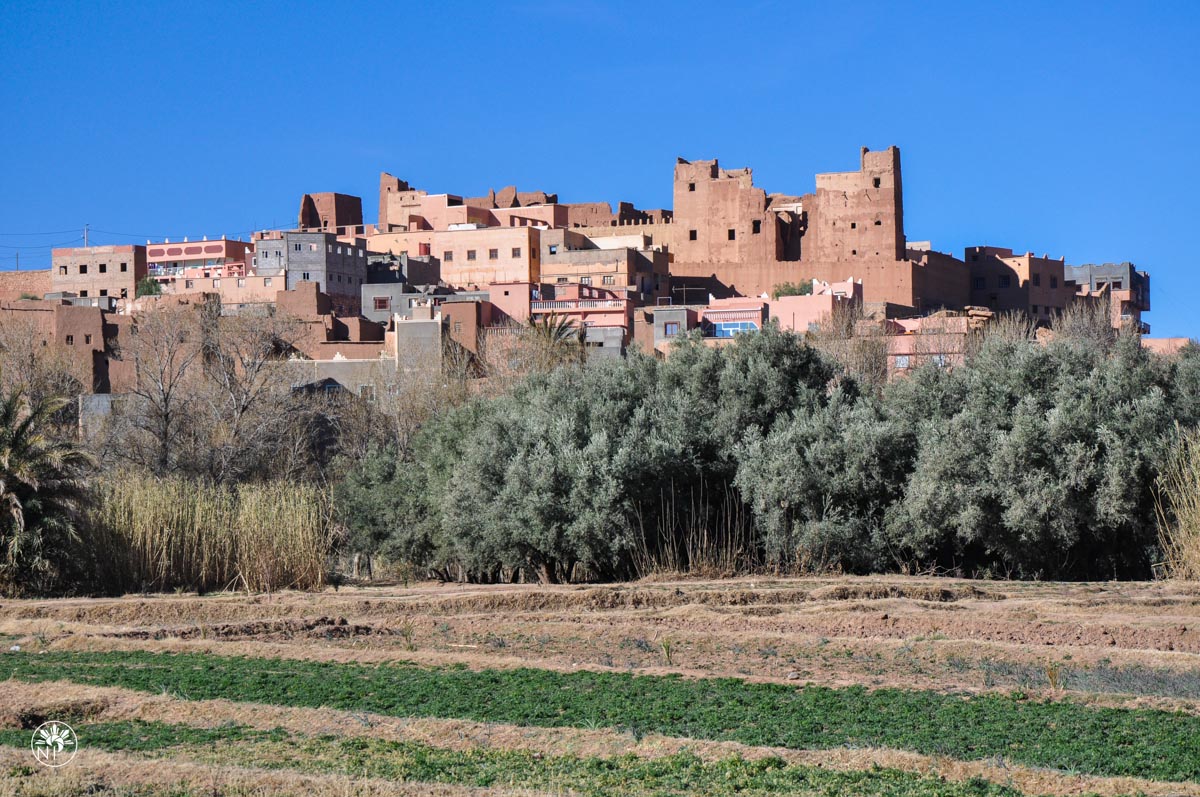
Perched on the North West of Africa, Morocco is a country of dazzling diversity, rugged landscapes, sweeping deserts and ancient cities. A blend of influences and tradition to invigorate the most intrepid of travelers. Whether is trekking across the atlas mountains or getting lost in the melee of the medinas, soaking up the sites, aromas and taste of local cuisine, Morocco has something for everyone. Here are some of the best sites to explore:
- Explore Marrakech
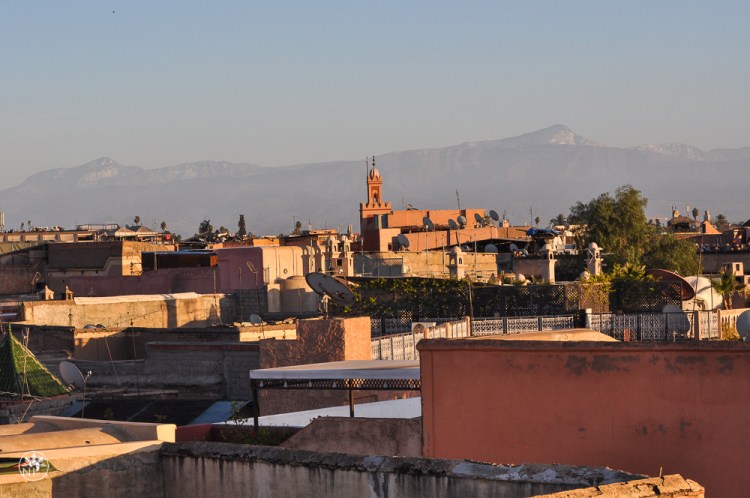
Marrakech is great place to start and likely to be your first stop on any itinerary with flights arriving frequently from all corners of the world. Known as the Red City, is not only considered one of the most beautiful cities in Morocco, but may also be the best known in the country. A walled city full of palaces, like the Bahia Palace, one of the most important architectural works of Marrakech built with the aim of being the most impressive of all times; gardens like those of Menara, the most famous gardens of the city, and mosques like the Koutoubia Mosque the most impressive and important of Morocco and one of the biggest of the Islamic world. Outside of its impressive structures, Marrakech is a assault on the senses. Vibrant squares, medinas, street performers are in the melting pot of aromas with the fragrance of grilled meats, tajines and mint tea floating in the air. At the heart of it all is Jemaa el Fna Square which is the central square of Marrakech and the most important place in the medina.
Marrakech: Private Guided Half-Day City Tours
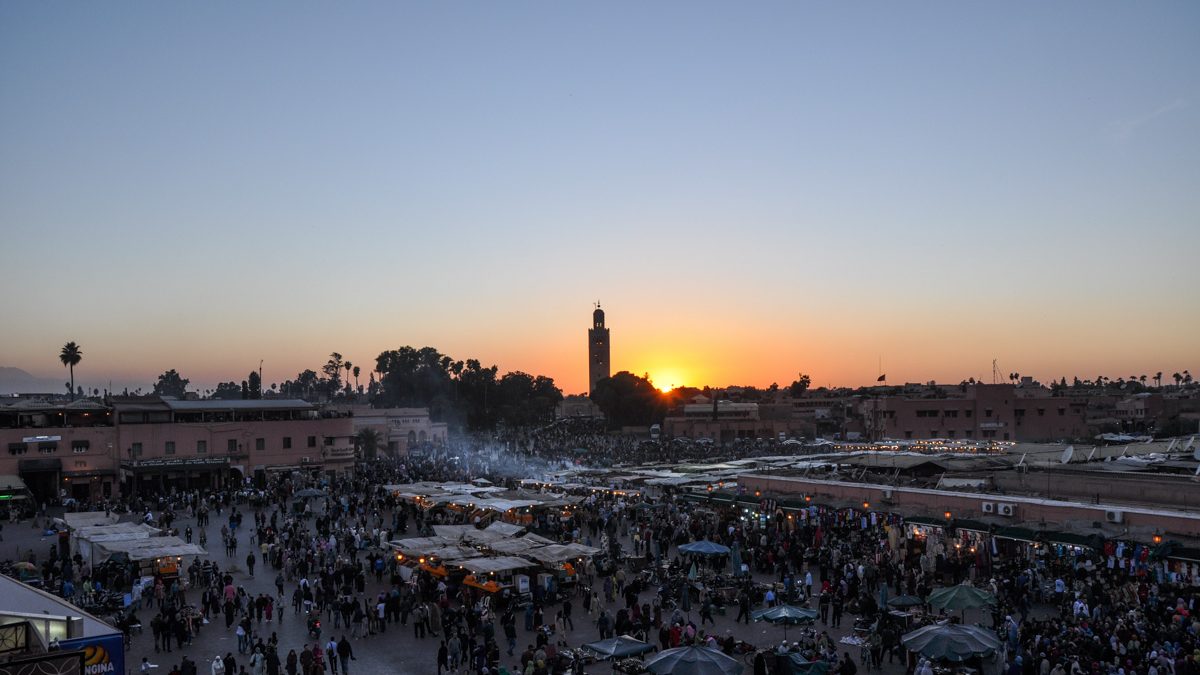
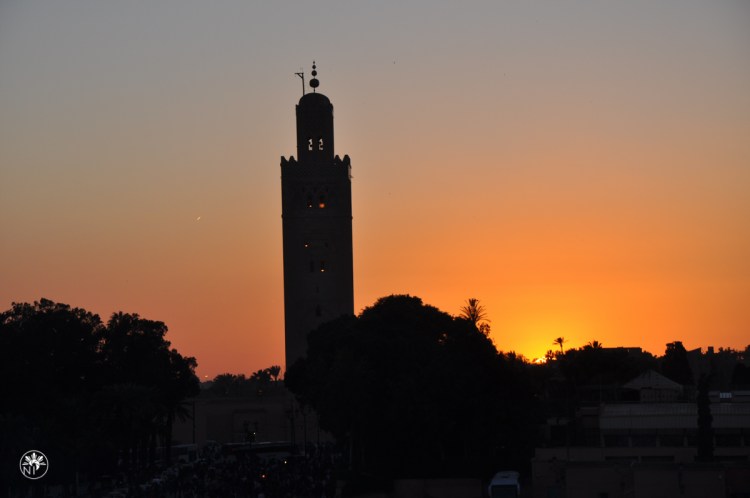
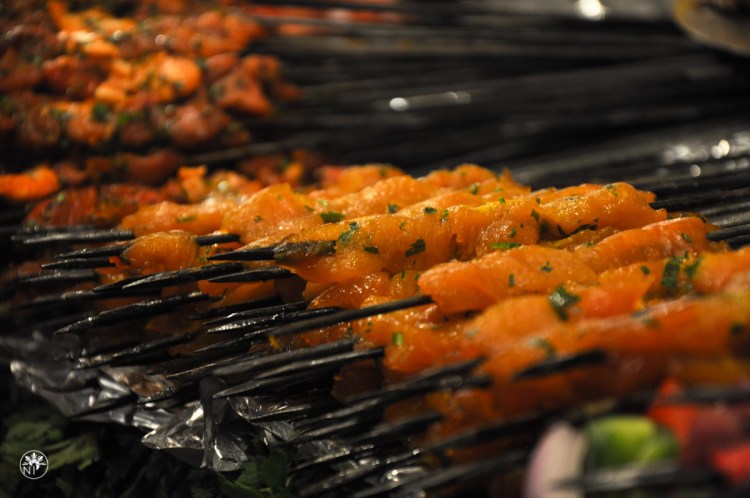
The central square and market place in Marrakesh’s medina quarter is a huge concoction of activity with colour, aromas, sounds and ever-changing scenes. During the day the large square is frequented by snake charmers, men with Barbary apes, medicine men and water vendors, however the best time to visit is around sunset. The square comes alive when the sun goes down as stalls are set up across the square with a string of lights adding to the atmosphere. The aroma emanating around the square is an invitation to sample some of Morocco’s unique cuisine from grilled meat, fresh vegetable and meat tajines, a variety of north African salads and authentic pastille pie. Providing a moment of sanctuary and peace from the hustle and bustle I would suggest taking refuge at one of the many rooftop bars overlooking the square. Enjoy a cold beverage and relax as you absorb the atmosphere, sights, sounds and smells as the sun sets behind the Koutoubia Mosque.
Medina Food Tasting in Marrakech
Majorelle Garden
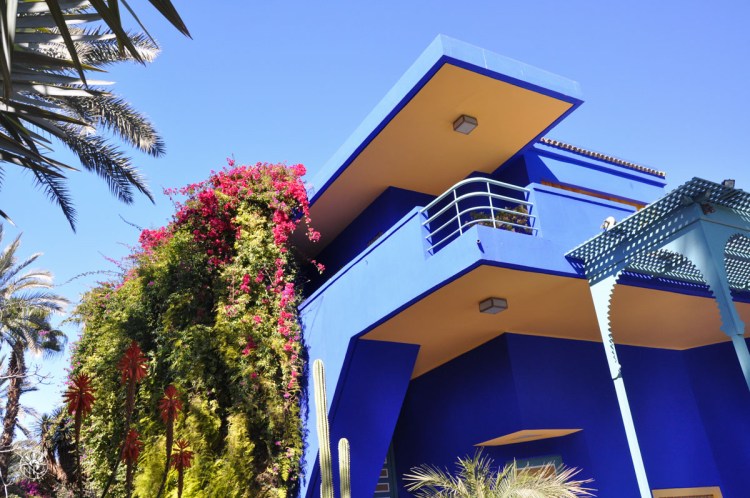
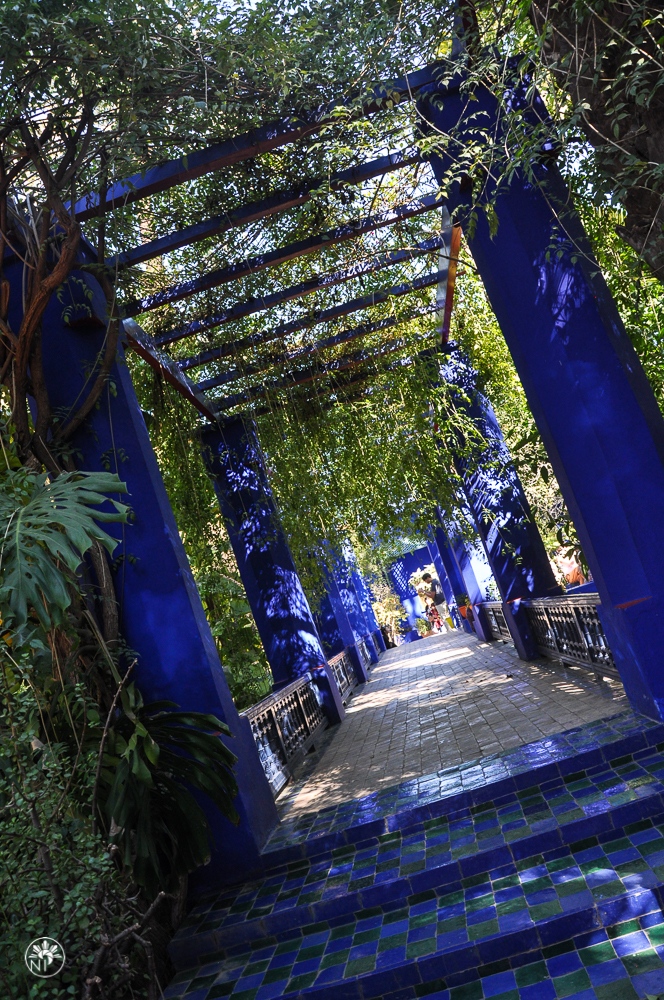
This garden was created over the course of forty years by French painter Jacques Majorelle. The park is one of the top attractions of Marrakesh; it has many shady paths meandering between tall trees and passed exotic plants. There are water features, streams and pools of water lilies and lotus flowers. As a passionate botanist he created a luxurious garden around his house which is now the heart of Jardin Majorelle. He collected plants from across the globe building his garden as if it were a colorful painting. At the entrance there is a beautiful fountain, other feature of the garden include a cacti garden, a blue square fountain, the café Bousafsaf, exotic plant garden, Yves Saint Laurent Memorial a bamboo garden, pavilion and a collection of buildings including Boutique Majorelle, Galerie Love and the berber Museum and bookshop.
Rahba Kedima
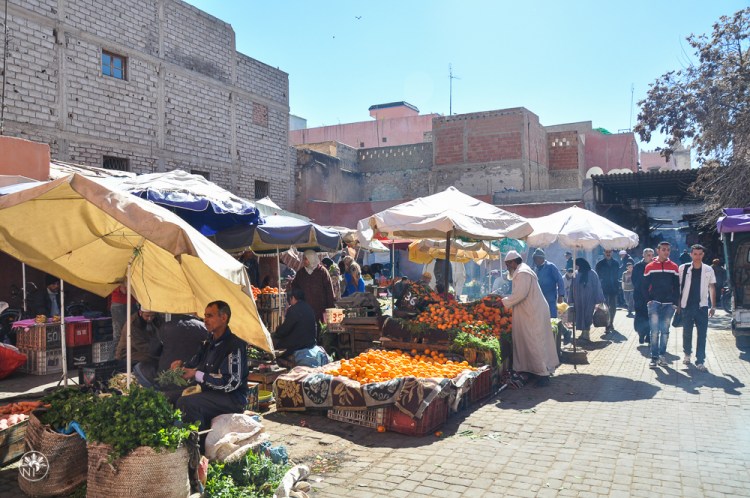
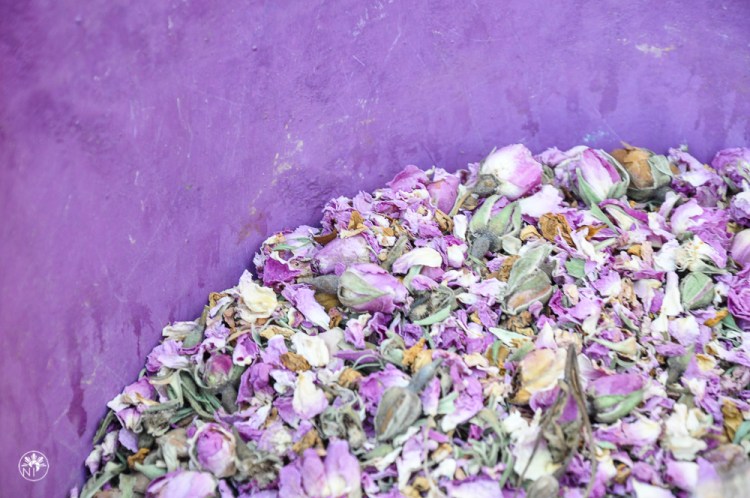
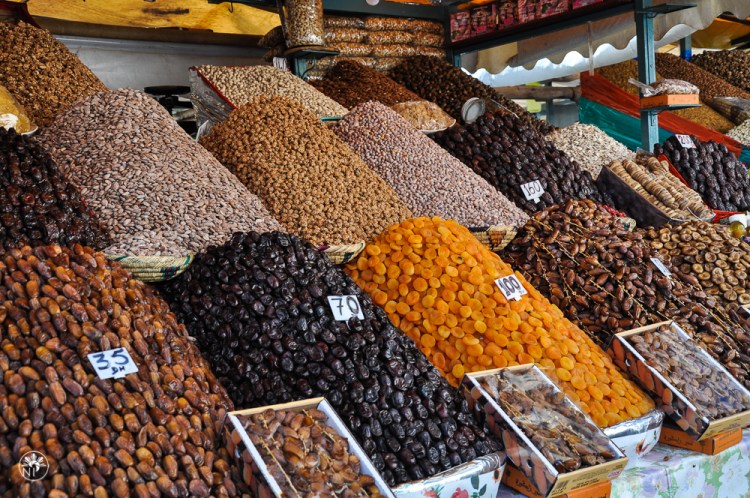
The Rahba Square or Spice Square is a smaller square than Jemmaa el Fnaa yet just as interesting. The two squares are only a five minute walk apart in the Medina, in this square you can visit a market where stalls sell hand woven baskets, knitted goods, scarves, natural fragrances, teas amongst other products. The most colorful and photogenic stalls are those selling herbs and spices which have give the square its nickname – Spice Square. The square is a great places to see the fusion of Africa and Arabia which epitomizes Morocco.
Shopping in the Souks of Marrakech Private Tour
Medina (old town)
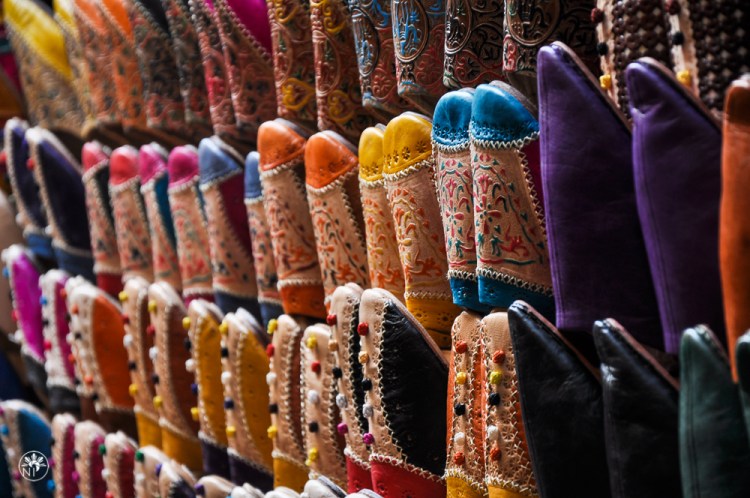
The old Town of Marrakech is called the Medina Quarter. It is the most exciting place to be in the city and where you will probably spend a lot of your time. Several of the city’s most important landmarks are within the medina Quarter and the entire quarter is an UNESCO World Heritage site. The Medina is surrounded by the rose-colored walls which run for 19 km and have ornately decorated gates and towers. Shoppers will love the Old City’s 18 markets each focused on a particular product like slipper, rugs, glass, metal ware and clothing. From the square go off down the side streets to discover the labyrinth of markets. As you wander through the Old City you can see the traditional courtyard homes or riads which have an inner central courtyard or garden with fountains.
Medina Walking Tour Secrets
El Badi Palace
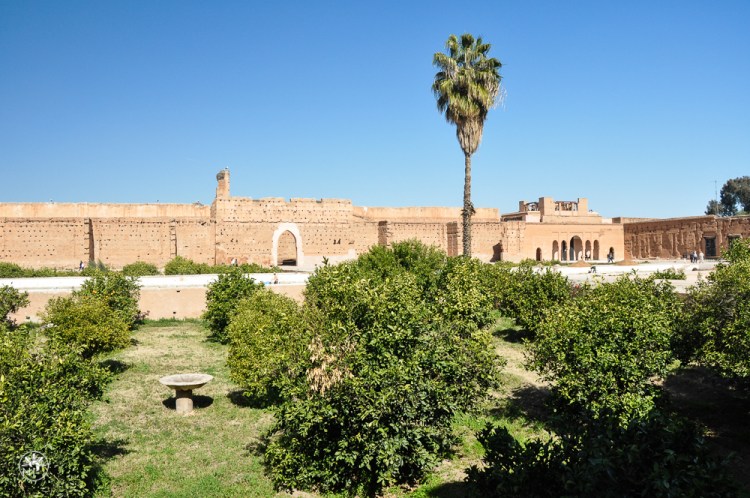
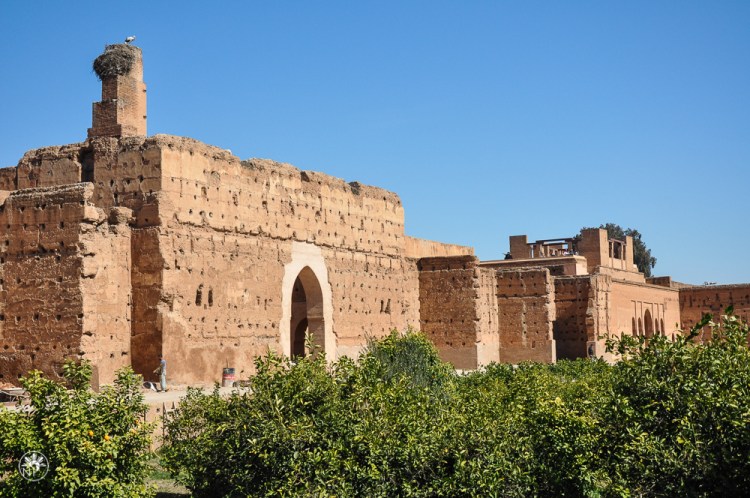
The “incomparable palace” has not survived in its entirety but it is still possible to see the ruined remains. The best craftsmen of the Saadian period were used in the decoration and the finest quality materials were used in the construction. Among the special materials used there were gold, onyx and marble. The place was unfortunately destroyed by Moulay Ismail but there is still plenty to see including the sunken gardens, dungeon prison cells, subterranean passages and the main hall with 50 columns.
Private Tour: Marrakech Medina By Night


2. Trek the Atlas Mountains
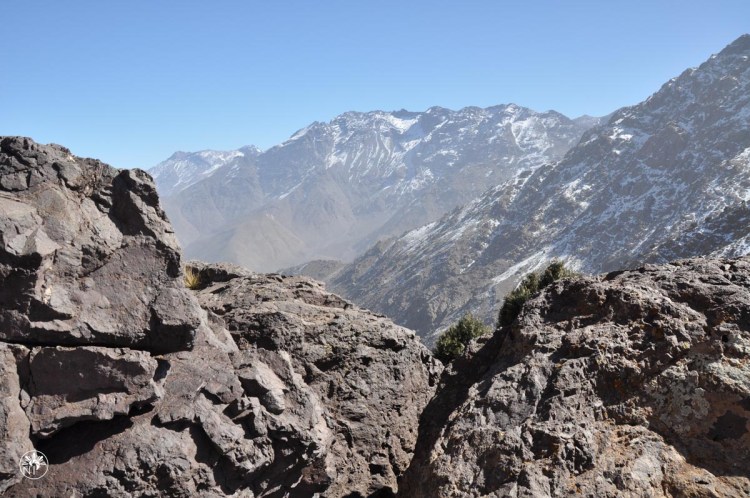
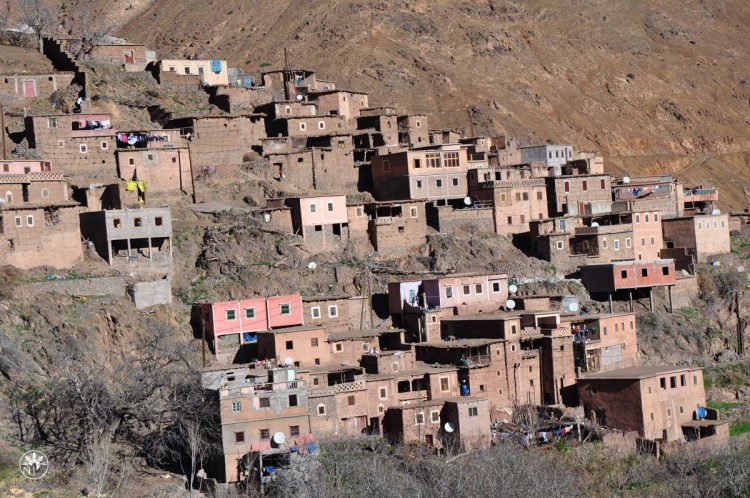
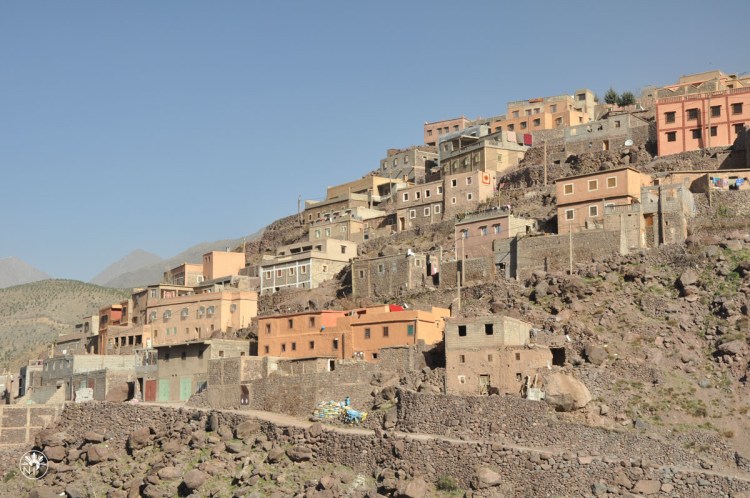
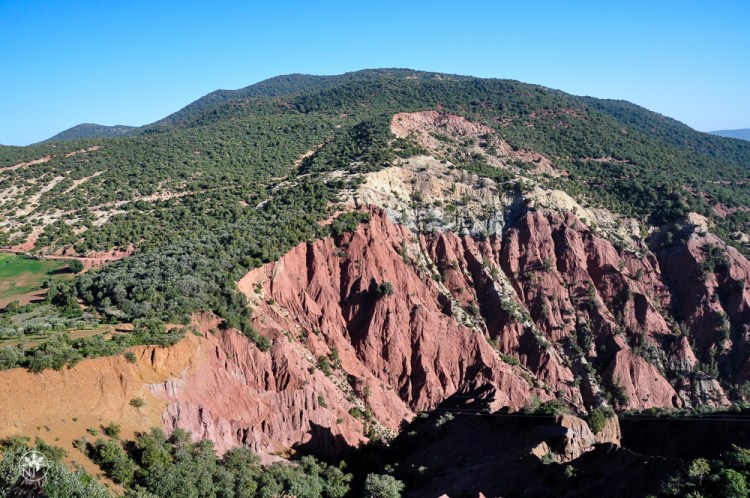
The High Atlas Mountains are North Africa’s tallest mountain range, a trekker’s paradise from spring to fall. The mountain range runs diagonally across Morocco for almost 1000km, encircling Marrakesh to the south and east from the Atlantic Coast just north of Agadir to Khenifra in the northeast. Its saw-toothed Jurassic peaks act as a weather barrier between the mild, Mediterranean climate to the north and the encroaching Sahara to the south. Imlil, sitting in the foothills of the High Atlas 90 minutes from Marrakesh, is the jumping-off point for scaling Toubkal, North Africa’s highest peak at 4167m (13670ft), a two-day ascent. For even less-trodden trails, the region around Tafraoute is Morocco’s Amazigh heartland, where tribes and traditions hold firm. Surrounded by lush palm groves and hilltop kasbahs, the Anti Atlas makes the perfect base for hikers – at 2359m (7740ft), Jebel El Kest is the region’s highest peak, but there are more gentle hiking and cycling routes passed the picturesque villages of the Ameln Valley. At the time of our visit in February the peaks were still laden with snow in the shadows yet the weather was warm to be trekking comfortably in shorts and a t-shirt. The rugged landscape requires a tough set of walking boots and a reasonable level of fitness to navigate the trail and return to base before the sun sets.
Atlas Mountains Hot Air Balloon Ride from Marrakech with Berber Breakfast and Desert Camel Experience
Atlas mountains & three valleys, waterfalls, full day guided tour from Marrakech
3. Explore Fez
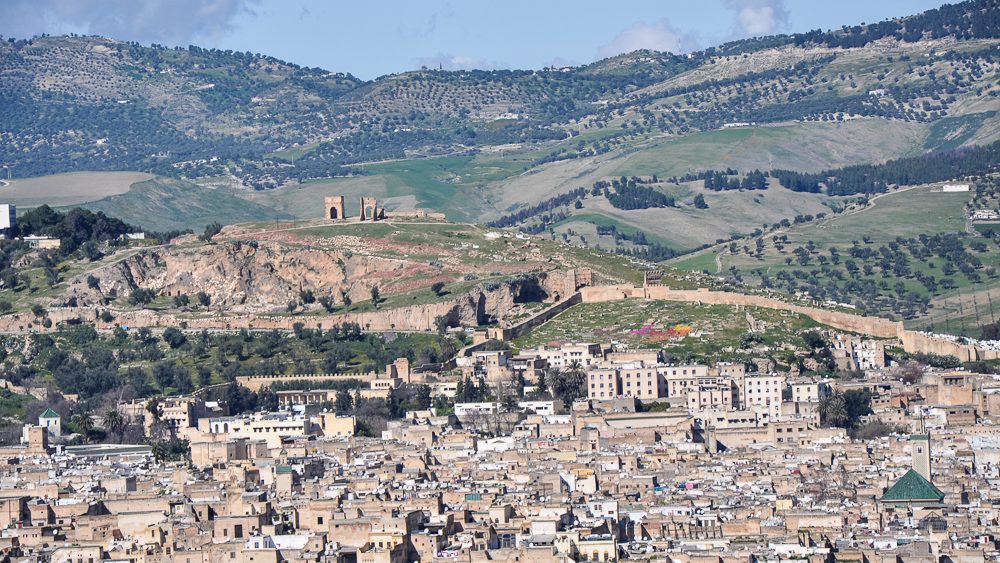
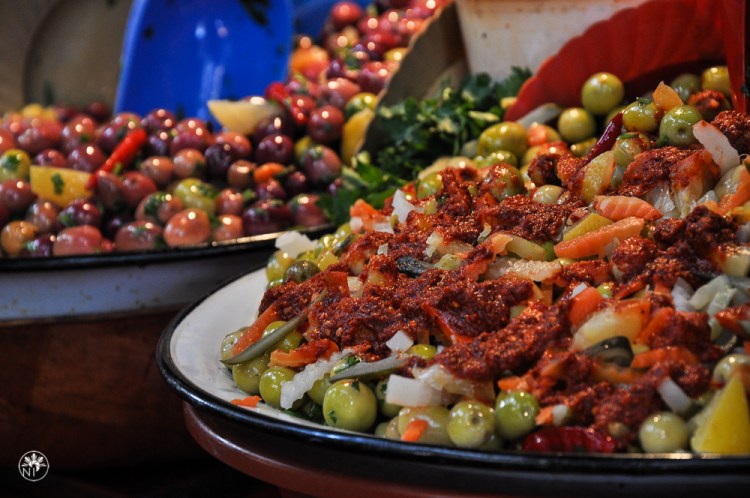
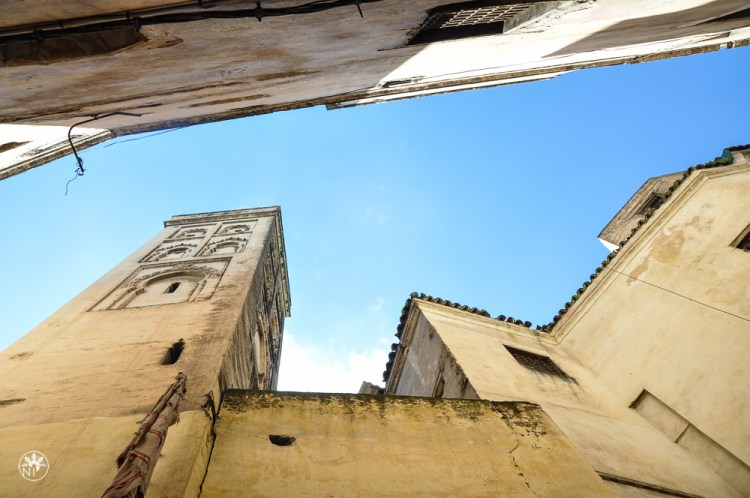
Although Fez lost its influence at the beginning of the 19th century, it remains a supremely self-confident city whose cultural and spiritual lineage beguiles visitors. Something of the medieval remains in the world’s largest car-free urban area: donkeys cart goods down the warren of alleyways, and while there are still ruinous pockets, government efforts to restore the city are showing results. The Fez medina is the maze and while getting lost will seem inevitable, the experience is not to be missed. Seemingly blind alleys lead to squares with exquisite fountains and streets bursting with aromatic food stands, rooftops unveil a sea of minarets, and stooped doorways reveal tireless artisans.
Unforgettable Cooking Class in Fez
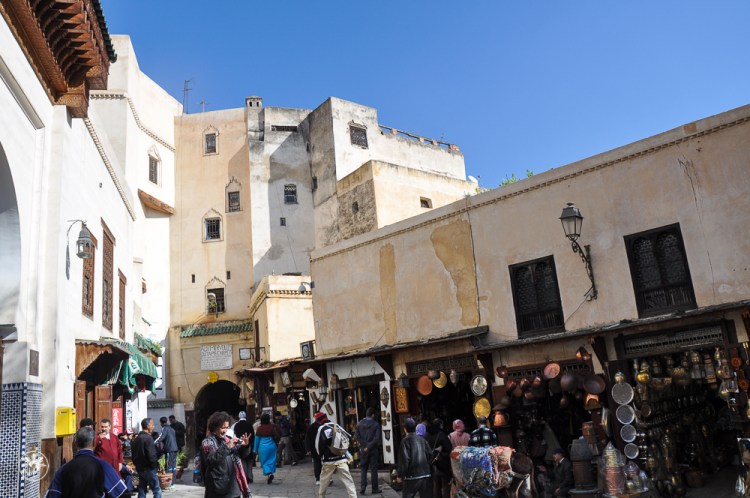
Private walking tours Fez Medina
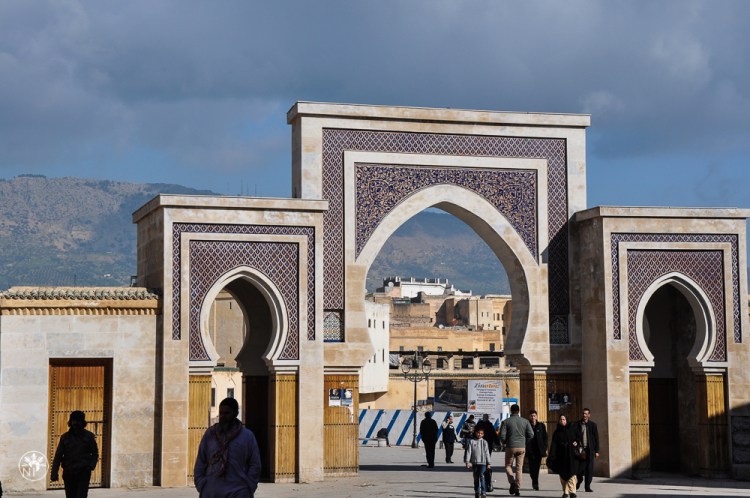

4. Sahara Desert
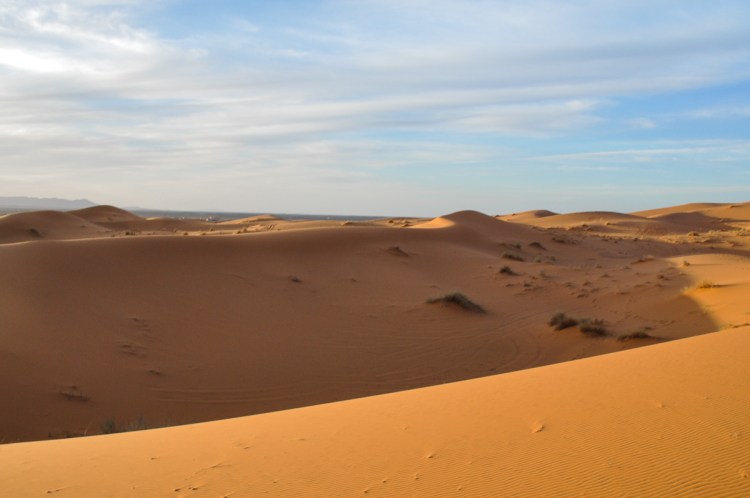
Few places on earth compare to the Sahara Desert, a natural wonder of vast plains and sunbaked dunes that dominates the south and east of Morocco. The world’s largest hot desert, the Sahara stretches a staggering 5.6 million square miles (9 million square kilometers) over several countries. Hemmed in by the Atlas mountain range, the Saharan sands are one of Morocco’s many highlights.
3-Day Marrakech to Merzouga Sahara Desert Adventure
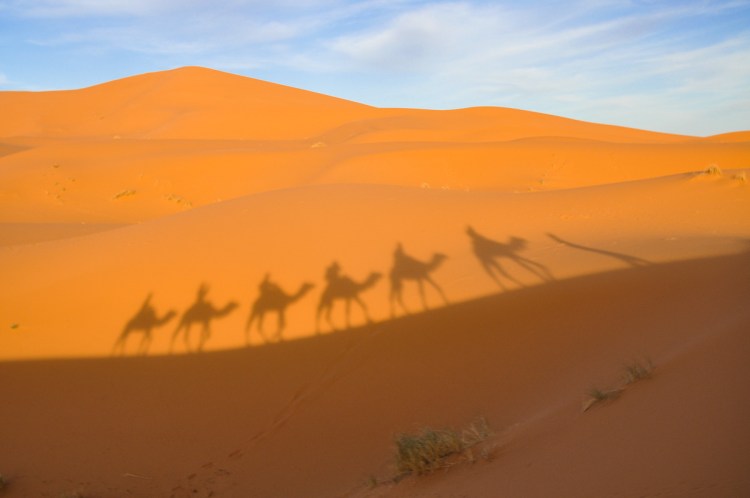
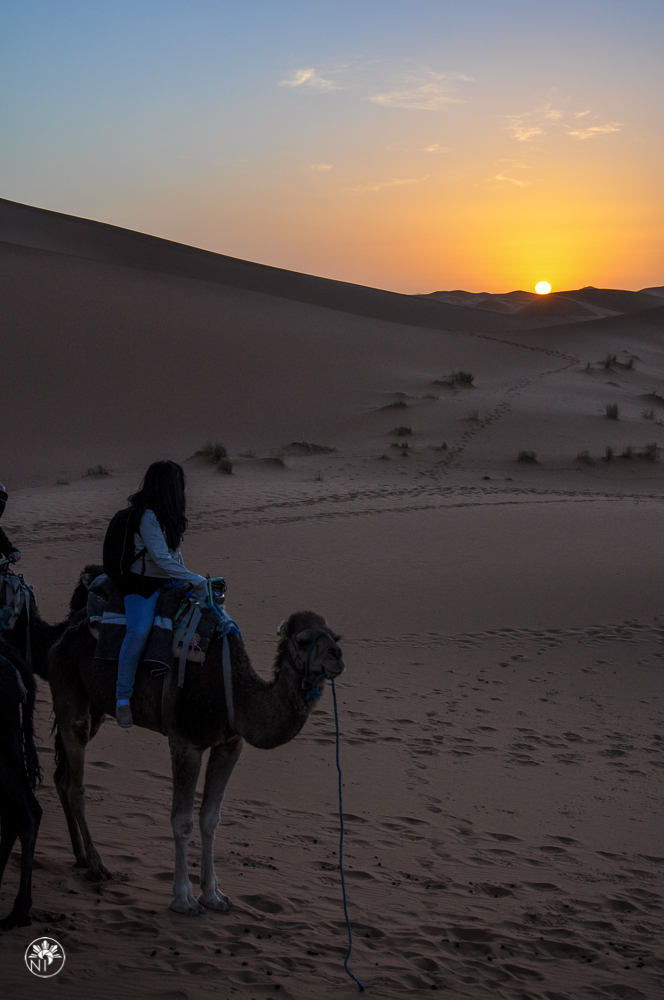
Popular Morocco Sahara Desert experiences include trekking along ancient trade routes on a camel, sleeping out under the desert stars, and rising at the break of dawn to watch the sunrise over a sea of orange dunes.
Tips
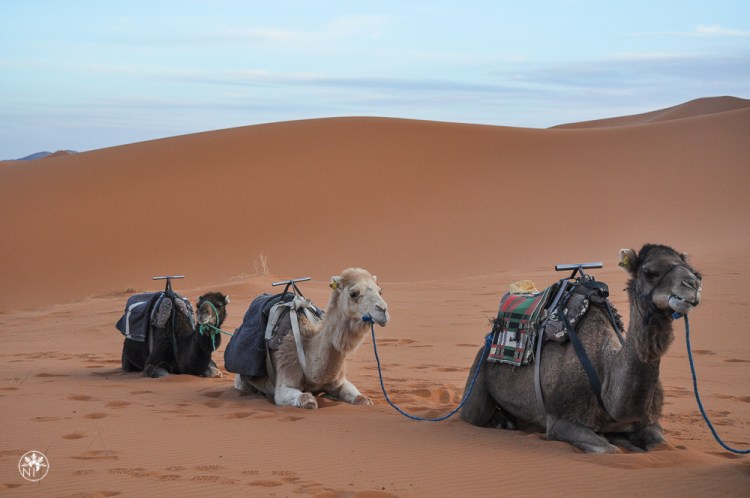
At the time of writing this was my third camel ride and despite the discomfort trekking across the desert is the most authentic experience. Even in the winter months the desert heat is intense, whilst at night the temperatures tend to plummet.
- A long scarf that can cover your head and face (the locals will show you how)
- Sunglasses
- A hat, again for the shade
- Tennis shoes or hiking boots, not a good idea to wear sandals on the camels.
- Loose fitting comfortable pants/trousers/ fleece for the nights.
Camel & Quad Combo In Douz Sahara Desert
5. Explore the ancient ruins of Ait Ben Haddou
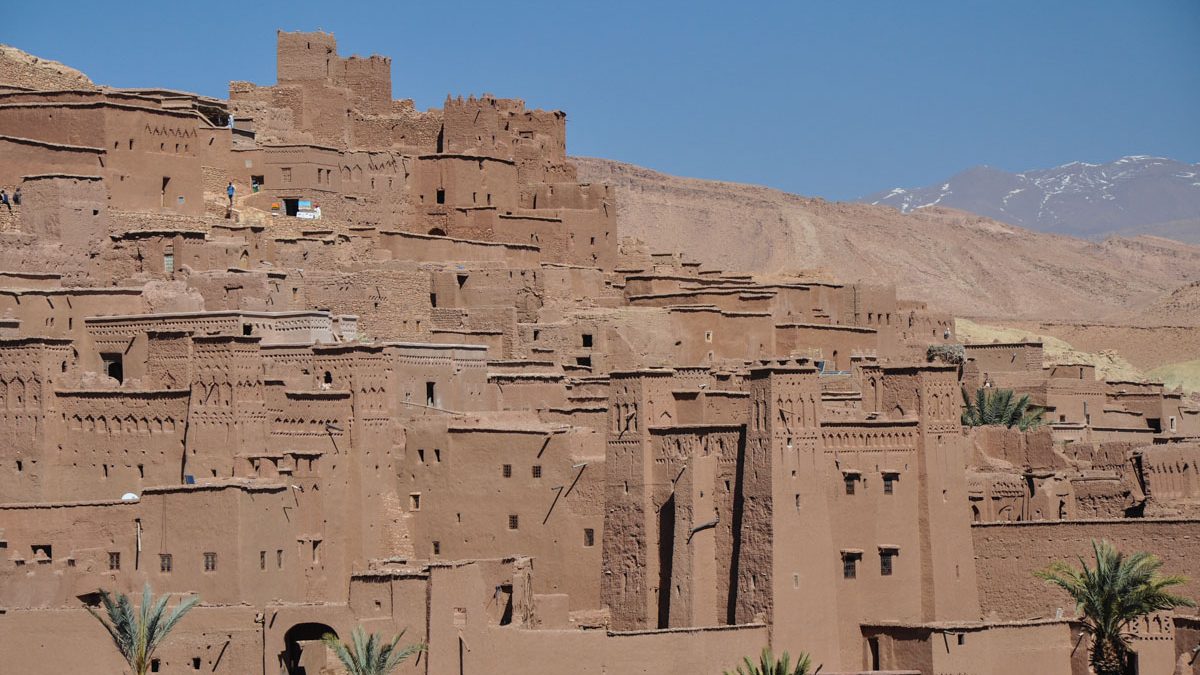
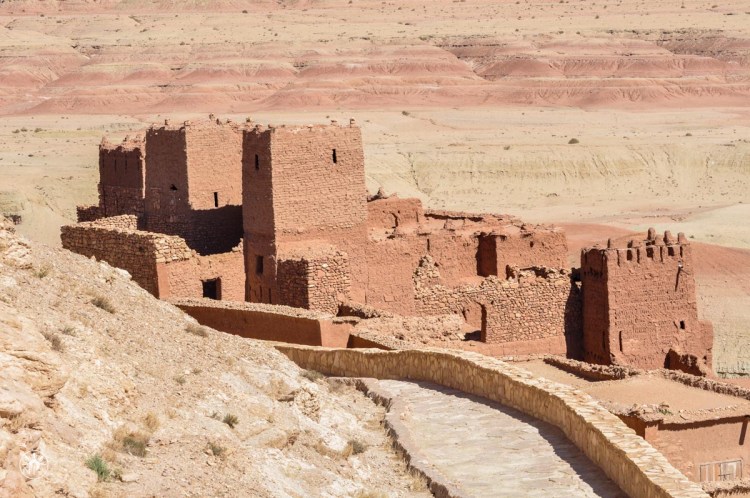
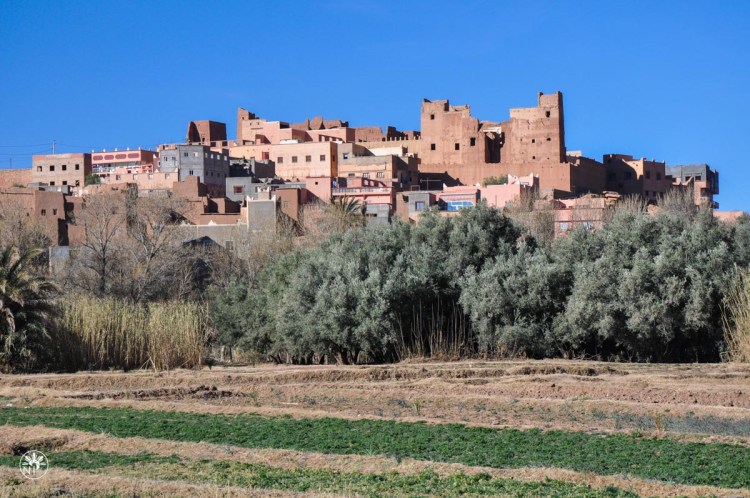
Located in the foothills on the southern slopes of the High Atlas in the Province of Ouarzazate, the site of Ait-Ben-Haddou is the most famous ksar in the Ounila Valley. The Ksar of Aït-Ben-Haddou is a striking example of southern Moroccan architecture. This Unesco-protected red mudbrick ksar (fortified village) seems frozen in time, still resembling its days in the 11th century as an Almoravid caravanserai. Movie buffs may recognize it from Lawrence of Arabia, Jesus of Nazareth (for which much of Aït Ben Haddou was rebuilt), Jewel of the Nile (note the Egyptian towers) and Gladiator. A less retouched kasbah can be found 6km north along the tarmac from Aït Ben Haddou: the Tamdaght kasbah, a crumbling Glaoui fortification topped by storks’ nests.
Ouarzazate One Day Trip from Marrakech

6. Visit the ruins of Voloubis
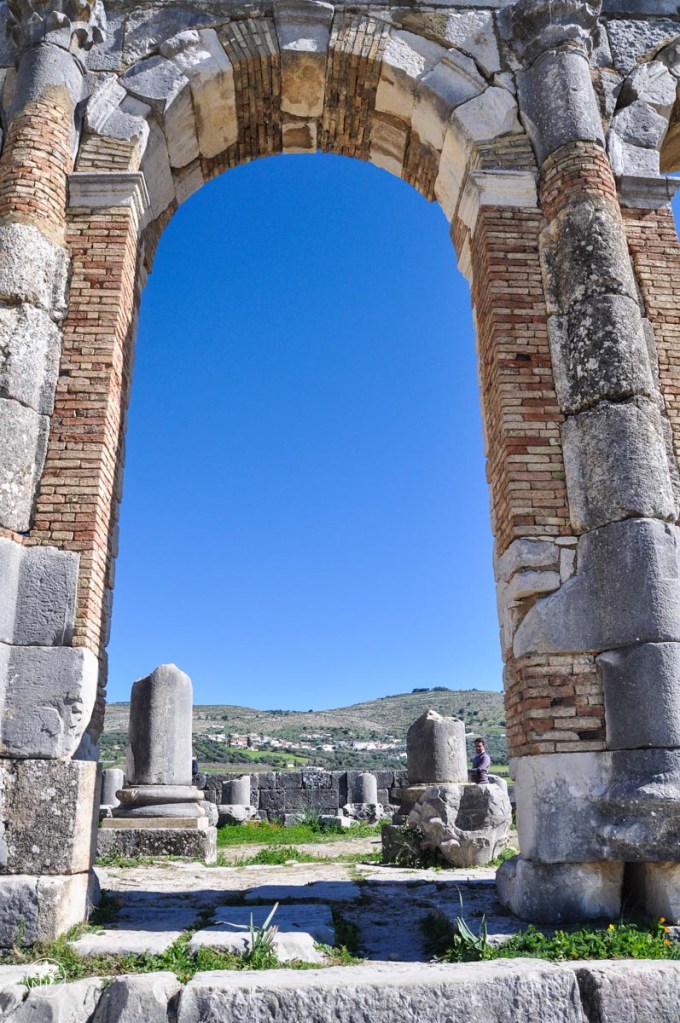
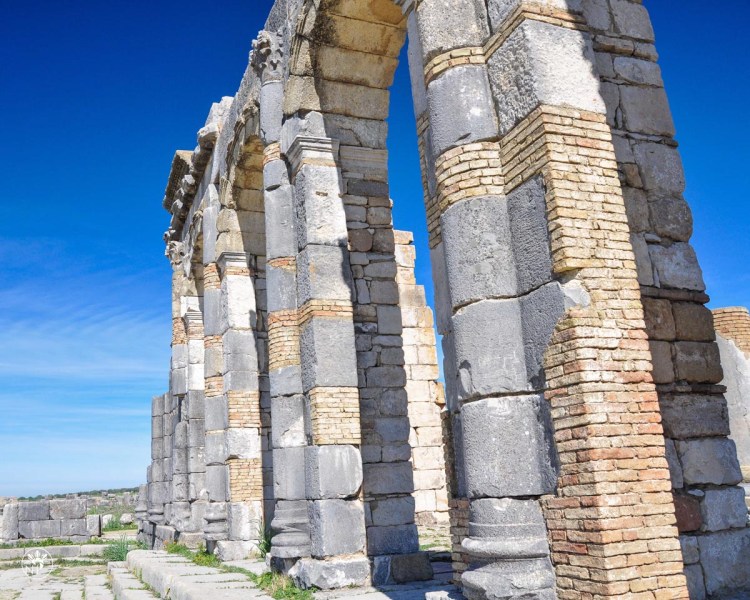
Sitting in the middle of a fertile plain, the ruined Roman city of Volubilis is the best-preserved archaeological site in Morocco. Its most amazing features are the many beautiful mosaics preserved in situ, and it was declared a Unesco World Heritage site in 1997. Volubilis is about 33km north of Meknes and can easily be combined with nearby Moulay Idriss Zerhoun to make a fantastic day trip from Meknes or Fez. Only about half of the 40-hectare site at Volubilis has been excavated. The better-known monuments are in the northern part of the site, furthest from the entrance in the south. In the heat of a summer day, the sun can be incredibly fierce, so bring a hat and plenty of water. Spring is the ideal season, when wildflowers blossom amid the abandoned stones, and the surrounding fields are at their greene st. The best time to visit is either first thing in the morning or late afternoon; at dusk, when the last rays of the sun light the ancient columns, Volubilis is at its most magical. Although parts of certain buildings are roped off, you are free to wander the site at will. Just beyond the entrance gate lies a small on-site museum, which displays the ancient city’s most celebrated finds and includes some of the prized discoveries, such as some fine bronzes, although many remain in the Archaeology Museum in Rabat.
Full-day Historical Meknes Volubilis and Moulay Idriss Tour
7. Explore Chefchaouen
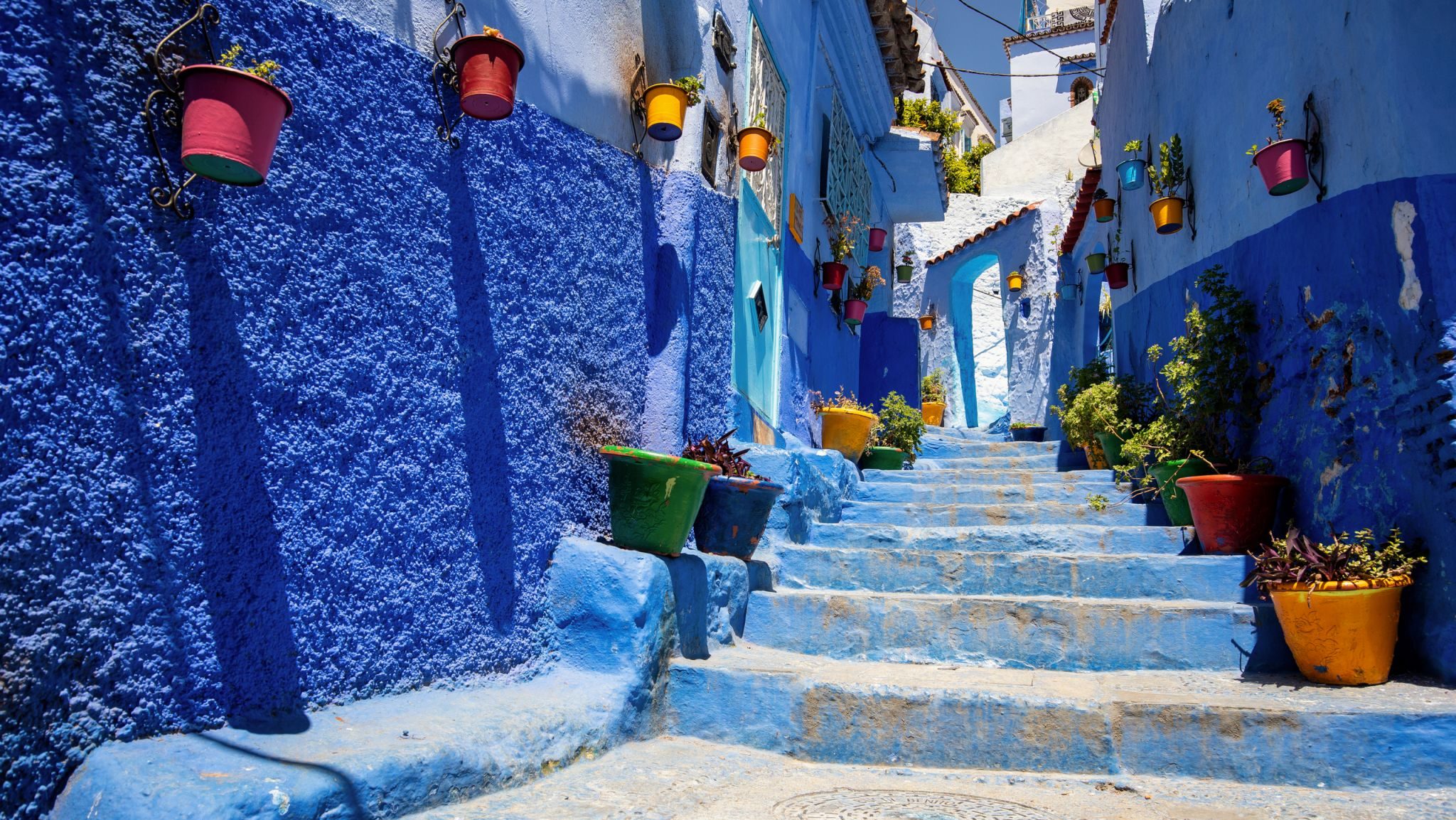
Chefchaouen is undoubtedly one of Morocco’s most picturesque towns and one of the world’s most colorful cities. The locals simply call it Chaouen but to foreigners, it’s known as “the Blue City.” The streets and most of the buildings in the old part of town are painted sky blue, giving the entire city a postcard-like quality that is stunning to see in person. It’s located in the Rif Mountains and is relaxed compared to other Moroccan cities, so it’s a nice way to take a break from the commotion of Marrakesh or Casablanca.
Excursion to the waterfalls & God’s Bridge of Akchour
The blue buildings are what attract travelers to the city, but it’s the laidback lifestyle and mountain backdrops that make them fall in love with it. The best part of visiting Chefchaouen is getting lost in the labyrinth of blue-tinted streets. The color of the houses against the mountain backdrop makes the entire city feel dream-like, and whether you’re a photographer or not you’ll want to bring a camera along. Get lost in the medina, which is the name for the old part of town, where you can shop for souvenirs, get scrubbed down in a hammam, or get a hand-drawn henna tattoo. The Plaza Uta el-Hammam is the heart of the medina and is the spot to take a break, drink some mint tea, and watch the world go by.
Private walking tour of Chefchaouen (The blue city)
8. Visit Casablanca
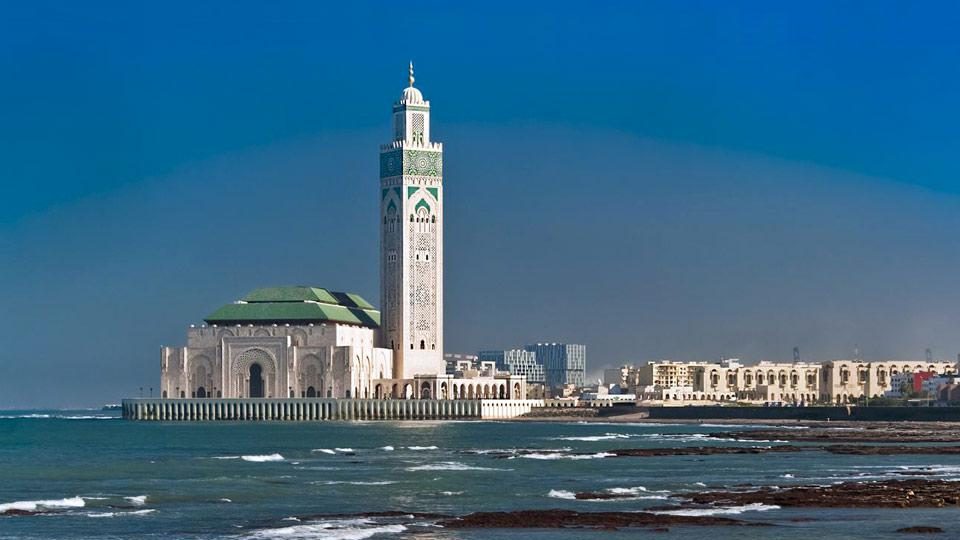
The coastal city of Casablanca is the largest in Morocco, with a cosmopolitan atmosphere, an eclectic culinary scene, and unique architecture that draws inspiration from both Moorish and French Art Deco styles. There are many reasons to visit Casablanca. Some come to visit Hassan II Mosque, home to the largest religious minaret in the world, others come to unwind on the Atlantic beaches or to surf the winter swell.
Casablanca and Rabat Day Tour including Lunch
Some visitors are drawn by the romance of the iconic movie “Casablanca” but stay for the city’s gritty, authentic insight into modern Moroccan life. Feast on fresh seafood and rich tagines in hidden restaurants, or wander through the Old Medina to the port and the remains of the city’s 16th-century Portuguese fortress. Throughout the city, architectural landmarks abound, from those built in classic Moorish style like Makhama du Pacha to graceful European structures like L’Église du Sacre-Cœur.
Casablanca City Tour

9. Relax in a traditional Moroccan hammam
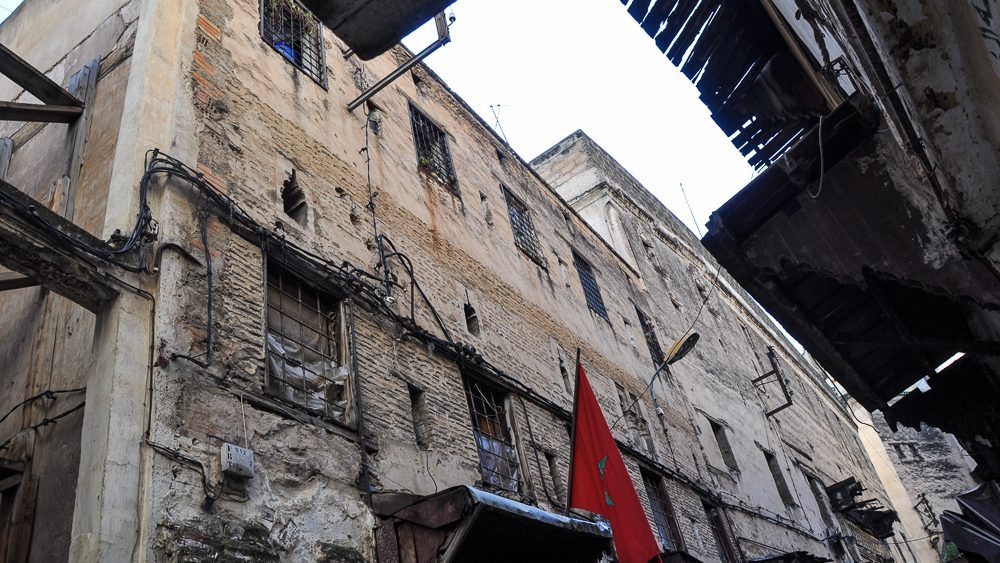
One of the most memorable experiences of our visit to Morocco, indulging in a traditional hammam after several days of exploration was truly rewarding. The Hammam is an incredibly important part of Moroccan culture and life for Men, women and children. Enjoy some rest and relaxation with a visit to a Moroccan spa, revel in a soothing Hammam, beautify yourself with essential Moroccan beauty products, including the renowned Argan oil, beldi soap, and rhassoul, and experience a comforting body scrub and massage.
Mouassine the real traditional Moroccan Hammam
Every neighborhood has one, and they come in all shapes, sizes, and levels of luxury, from a simple steam and scrub at a no-frills public bathhouse to a higher-price private hammam at a swanky hotel with more elaborate wraps and massages on offer. Wherever you go, you’ll emerge squeaky clean with baby-soft skin.
Traditional Hammam experience

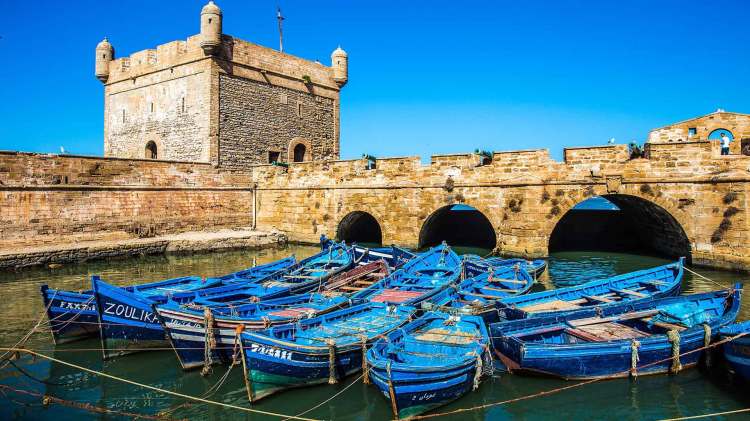
10. Essaouira
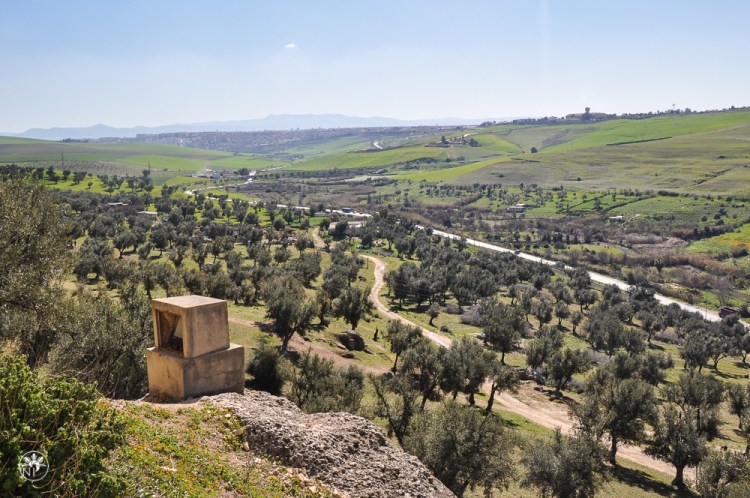
Essaouira, Morocco, is a laid-back coastal town that offers travelers a nice break from the intense atmosphere of Marrakesh which is just a few hours away. Buses from Marrakech take around 2.5 hours and several companies travel this route. The bus station at Bab Doukkala in Marrakech is where the buses leave from. CTM is Morocco’s biggest and most reliable bus company, so check with their offices first about prices and availability.
Essaouira Guided Tour: 3 on 1 – Nightlife tour, Live like a local & Street food
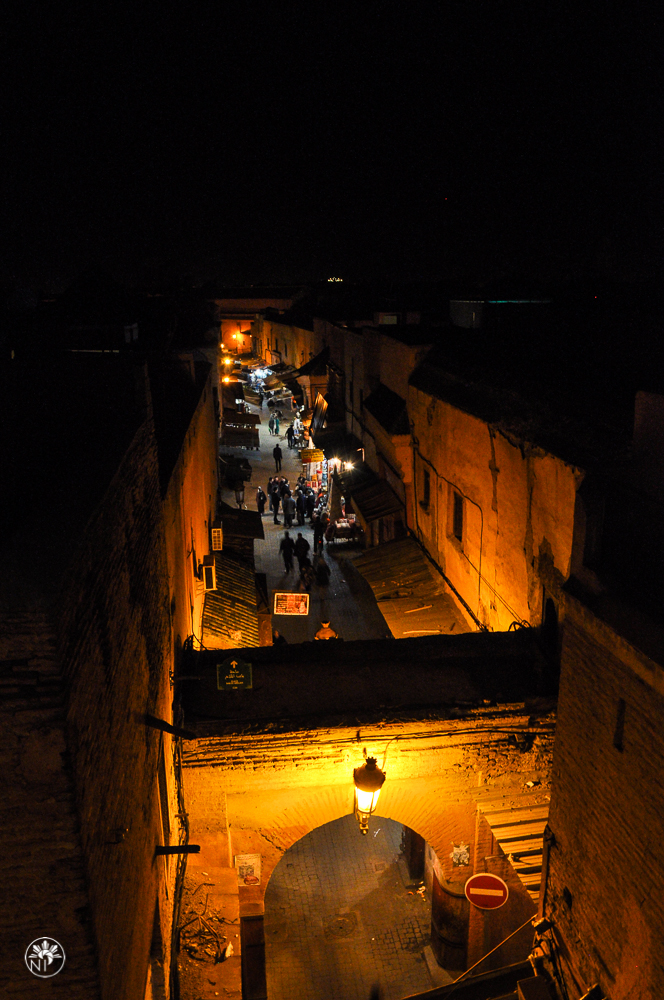
Visitors to Essaouira are attracted to its beaches, fresh seafood, and medina. Essaouira’s biggest attraction may be its relaxing atmosphere. Wander through the spice-scented lanes and palm-lined avenues of the fortified medina, browse the many art galleries and boutiques, relax in some of the country’s best hotels and watch fishing nets being mended and traditional boats being constructed in the hugely atmospheric port.
Walk between Argan Forest, Ocean & Waterfalls.
- 5 Things to see and do in Dublin
 Dublin is a great place to visit whether its quickContinue reading “5 Things to see and do in Dublin”
 - 5 Things to see and do in Edinburgh
 Steeped in history, Edinburgh seamlessly blends old and new, providingContinue reading “5 Things to see and do in Edinburgh”
 - Best Places to Dine and Drink in Edinburgh
 Edinburgh is a city you can certainly work up anContinue reading “Best Places to Dine and Drink in Edinburgh”
 kaydencloud.com