
Just 60 Kilometers from Osaka in the Kansai Region is Kyoto. The old ancient capital of Japan from 794 to 1869, Kyoto is a medley of atmospheric temples, sublime gardens and traditional teahouses. In fact, there are more than 2000 temples here, inviting visitors to breathe deeply of Japan’s rich traditions. Kyoto has Tack a fabulous food scene best experienced in foodie Nishiki Market – and you’ll find almost as many reasons to linger as there are types of sushi and toppings for ramen noodles. This is a city with oodles to see, and despite Japan’s expensive reputation, you can see much of it for free. It would be easy to spend a lifetime exploring Kyoto’s historic quarters and serene natural surroundings, but with less time to spare, it pays to prioritize. Plan a trip around the following don’t-miss sights and experiences.

- Kinkaku-ji
One of many UNESCO world heritage sites, Kyoto’s magnificent Golden Pavilion is one of the most iconic sights in the country. The top two tiers of this Zen temple are completely gilded in dazzling gold leaf, a reflection of the opulent tastes at the time it was first constructed. Kinkaku-ji has been burned down several times during its long history, but the reconstruction is largely faithful to the 14th-century original. When you see it from afar, surrounded by pine trees and reflected in the pristine waters of the pond below, it’s a spectacular and otherworldly sight. Go early or late on a weekday to avoid the inevitable crowds its beauty draws. The golden pavilion is possibly the most famous sight in Kyoto. So, even though it’s mentally touristic, this place is definitely a must-see.
10 Must-see Spots in Kyoto One Day Private Tour (up to 7 people)

- Fushimi Inari Taisha shrine
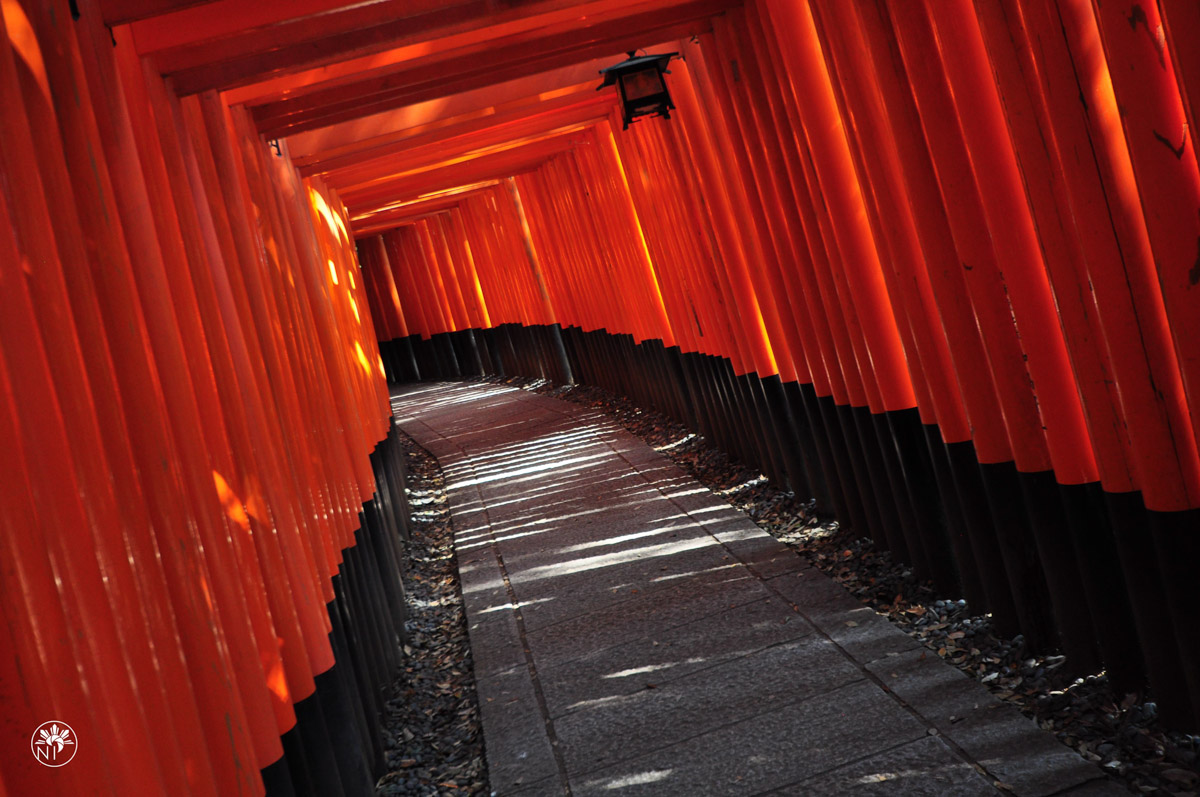
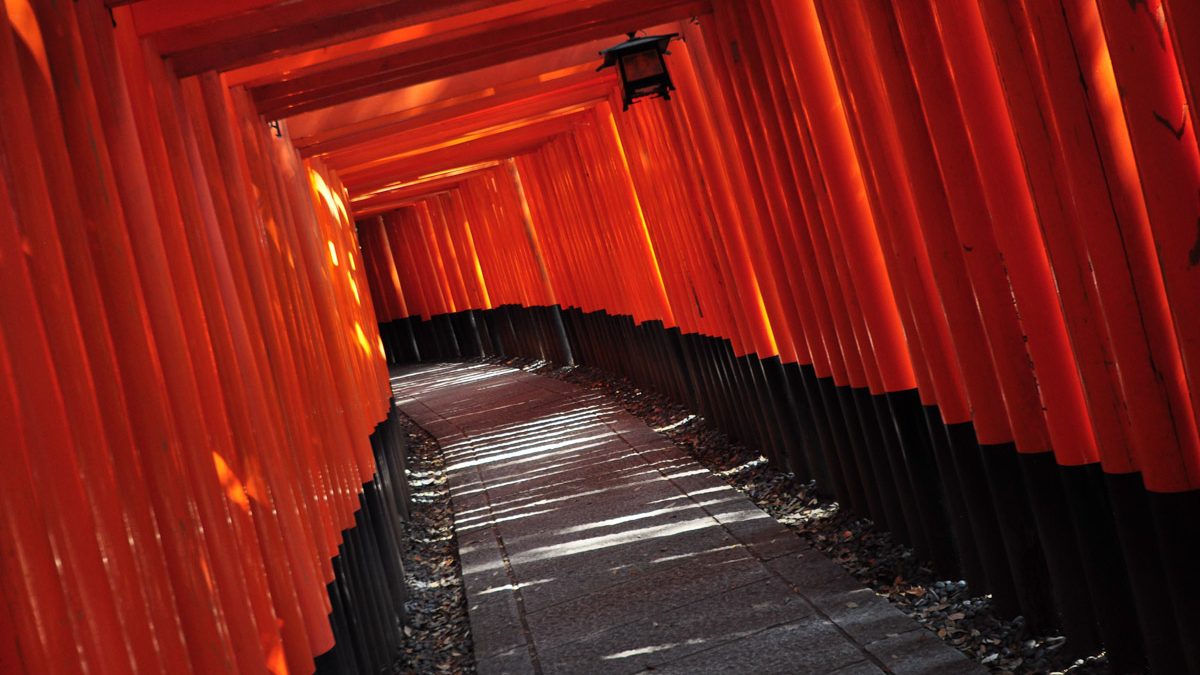
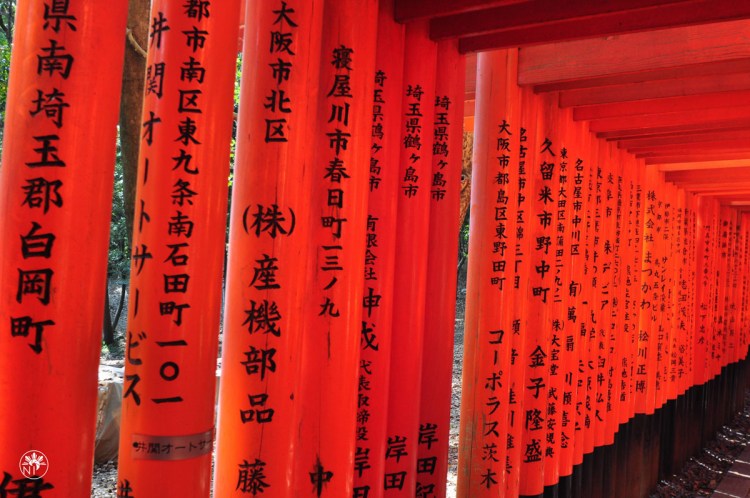
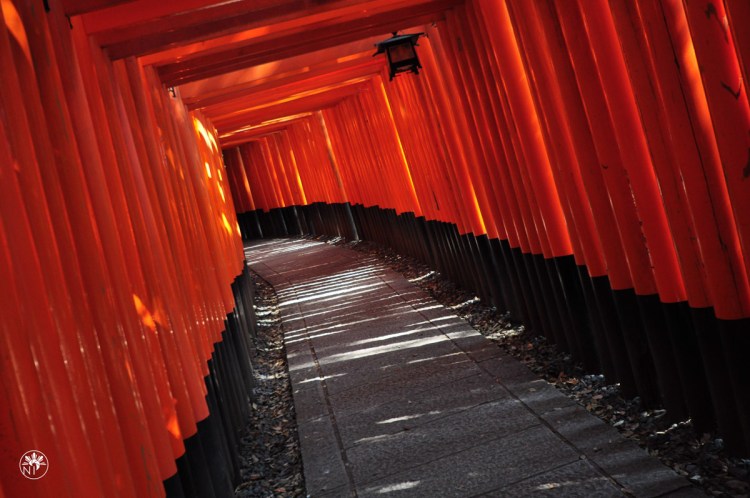
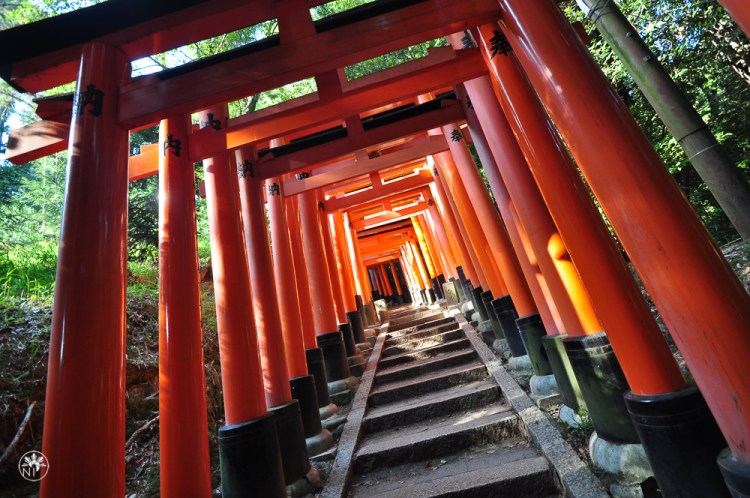
Kyoto’s iconic sites don’t come more photographed than Fushimi Inari Shrine. The image adorned on the cover of Japan Lonely Planet guide book is Fushimi Inari shrine. It’s dedicated to Inari – the god of rice, good harvest and business success – and the gates are all donations from individuals and companies, erected to encourage the gods to be generous with luck and prosperity (the black kanji characters indicate who donated each one). With its thousands of torii gates creating a vermilion tunnel up the mountainside, Fushimi Inari is a great place to explore and discover. The photographs are iconic and instantly instagrammable as you trek through hundreds of red gates that edge the path all the way up the hill to the shrine at the top. The hike up the many steps winds its way up the hillside but the view from the top of the sun setting over the old city is pretty special. It is also known as the ‘fox shrine’ because foxes are believed to be Inari’s messengers.
Fushimi Inari Hidden Hiking Tour

- Kiyomizu-dera Temple
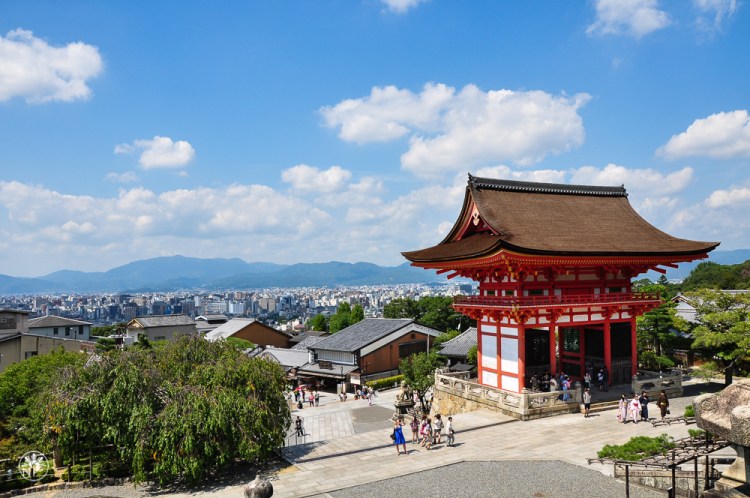
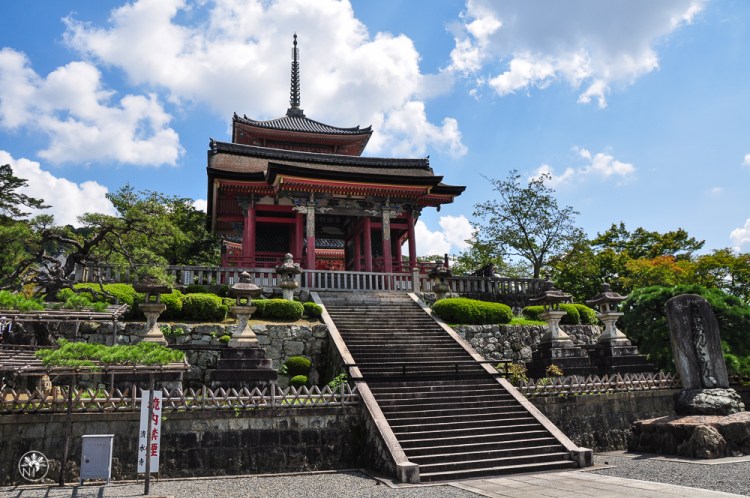
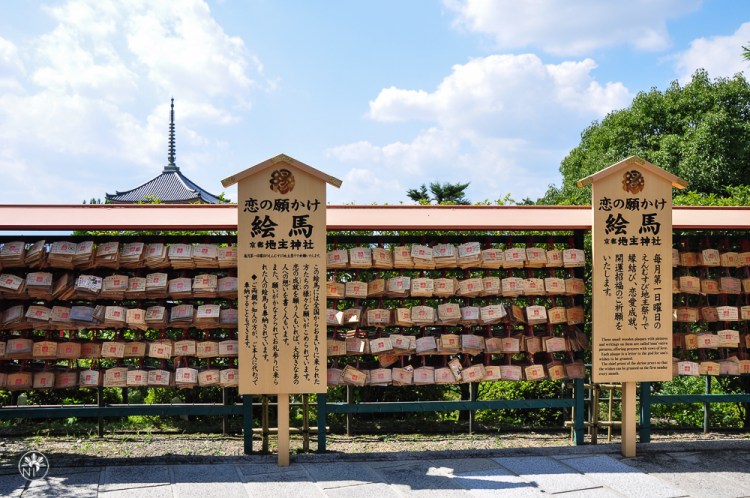
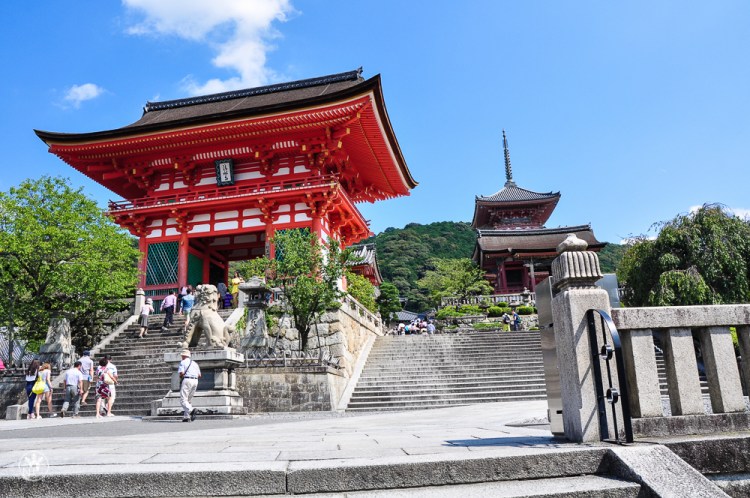
This UNESCO World Heritage Site is set at the top of a hill and is surrounded by cherry trees, which is why it’s widely considered to be one of the most beautiful sites in the city. It’s also known as a magical temple, where you can find true love or drink from streams symbolizing love, success, or a long life. The name of this popular Buddhist temple translates as “pure water temple”, a nod to the sacred Otowa Waterfall. Spilling into the grounds of Kiyomizu-dera, the falls are split into three sections, and drinking from them is said to bestow either longevity, academic success, or luck in love depending on which stream you choose.
Sagano Romantic Train & Arashiyama, Kiyomizudera, Fushimi Inari Taisha Day Tour
For extra help in your love life, head to Jishu shrine behind the main hall. In front of it are two large stones, and walking between them with your eyes closed is said to bless you with true love. You’ll want to keep your eyes open on the temple’s wooden veranda; it juts out 13m above the hillside, offering panoramic views over Kyoto.

- Arashiyama Bamboo Forest
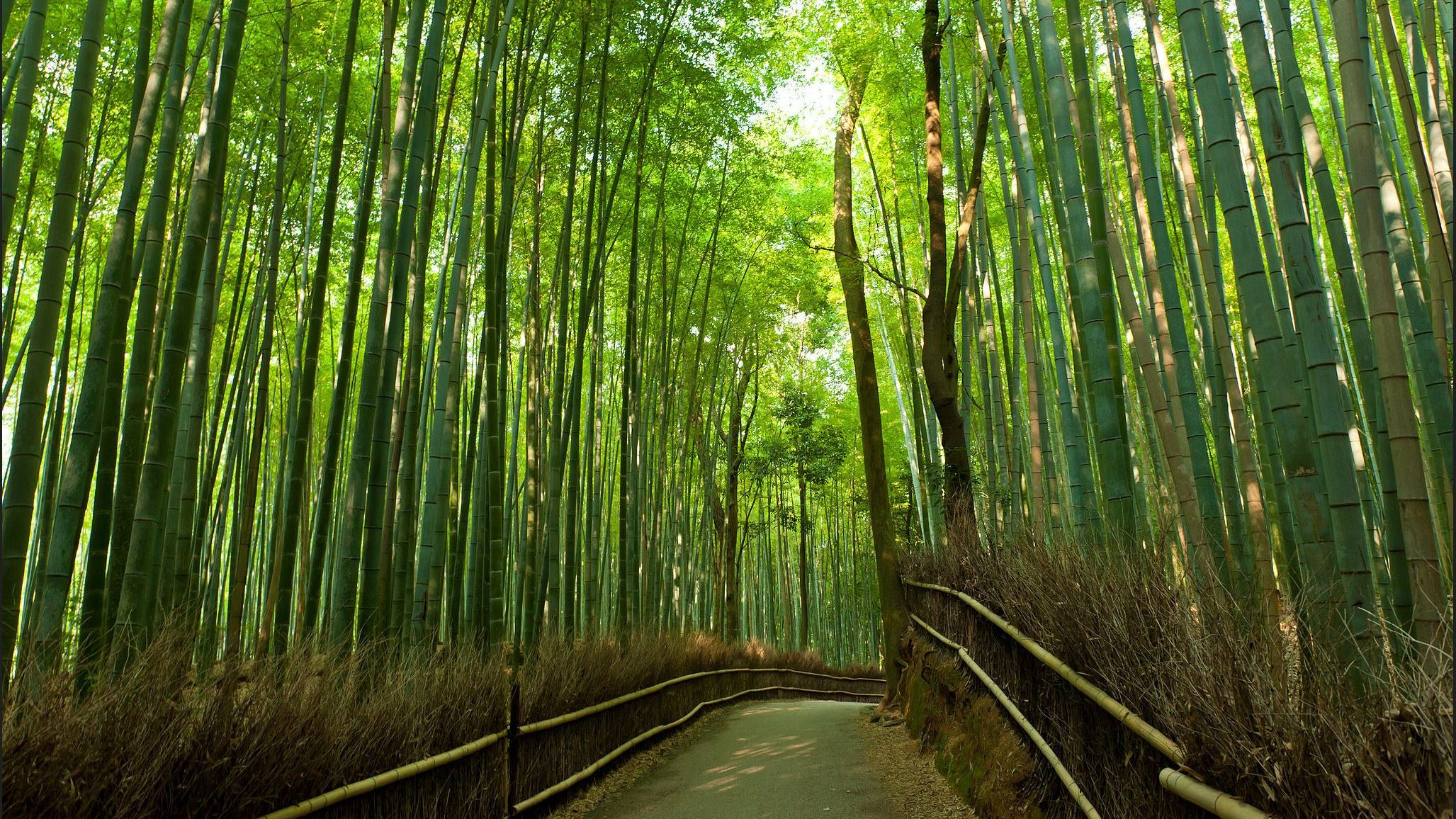
Another iconic image associated with Kyoto is the evergreen Bamboo Forest. The scenic, temple-filled district of Arashiyama in the west of Kyoto is a beguiling place to explore. Centered on the Togetsukyo bridge, this historic neighborhood is famous for its bewitching bamboo grove, where the air is cool and the light takes on a mystical green hue. To get the best from a stroll beneath its towering canopy of bamboo stems, get here early in the morning, before the Instagrammers gather. Nearby is the splendid Tenryū-ji temple, whose sprawling landscaped gardens perfectly encapsulate the concept of shakkei (borrowed scenery), co-opting nearby mountains into the design.
Arashiyama Walking Tour – Bamboo Forest, Monkey Park & Secrets
- Gion District
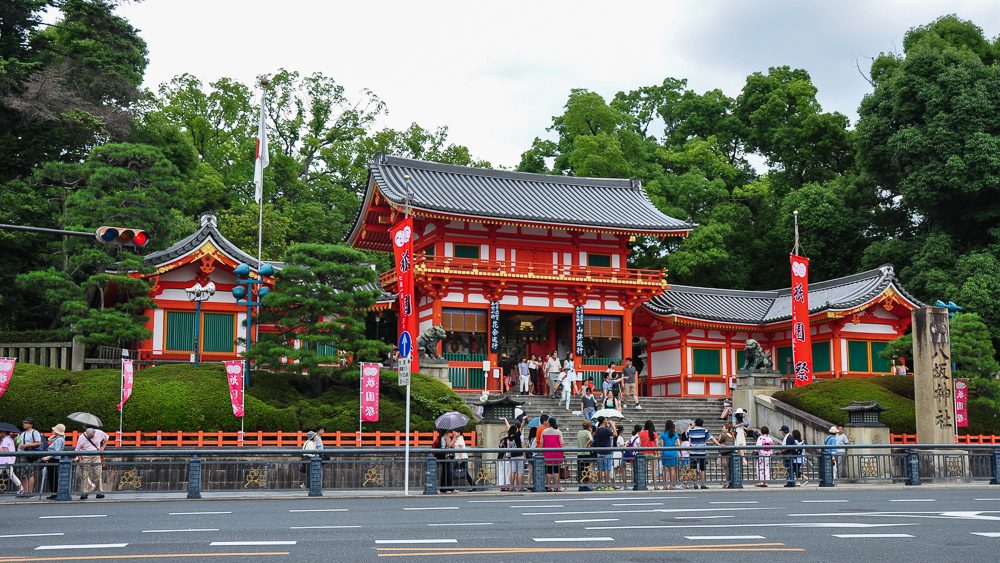
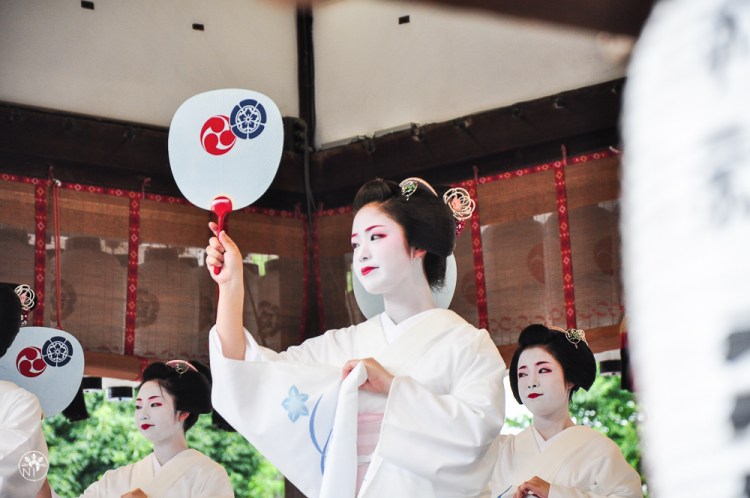
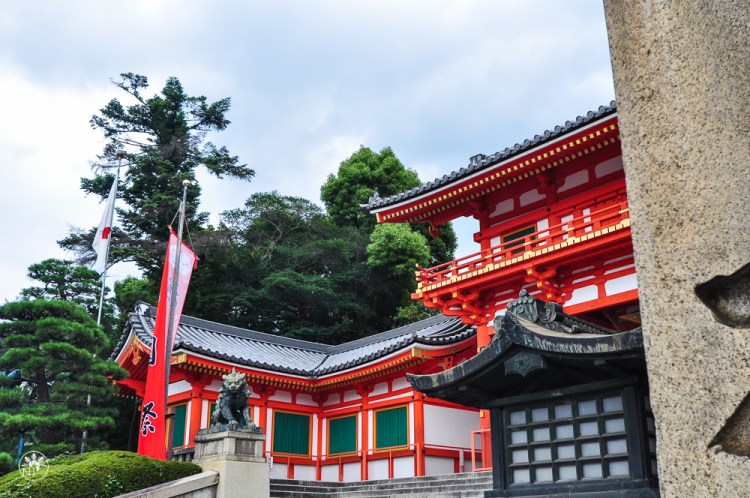
The city’s most famous geisha district, Gion, is an atmospheric labyrinth of charming backstreets and traditional townhouses. Geisha – known here as geiko – still scurry around around the narrow lanes in immaculate kimonos and make-up, as they have since the Edo period. On one level, it’s a museum piece, but the interiors of many of the buildings have been transformed into art galleries, charming teahouses, and shops selling specialist local arts and crafts. Despite Gion’s fame, it’s still the best place in Kyoto to escape the 21st century. Early rises should head towards Hokan-ji Temple before the crowds descend. The five storied pagoda is journeys end as you navigate the narrow streets and wooden houses that transport you back to ancient Japan. This street is also one of many iconic photo ops symbolizing Kyoto’s majestic beauty. A short distance from Hokan-ji Temple is Yasaka Shrine, also known as Gion Shrine is one of the most famous shrines in Kyoto. Yasaka Shrine is well known for its Summer festival, the Gion Matsuri and becomes busy during cherry blossom season in early April.
Explore Gion and discover the arts of geisha



 kaydencloud.com