
Travelling around the world leads to you to inevitably seek out landmarks, national parks, historic sites that invite and demand your attention. Intentionally visited or a curious sense of discovery these outstanding feats of human ingenuity and spectacular natural environments are part of the joy of what makes travelling great. While it may not be in the best interest of everyone concerned these sites are of significant importance and visiting these locations helps preserve them for future generations. Outlined as part of UNESCO’s mission statement ” The United Nations Educational, Scientific and Cultural Organization (UNESCO) seeks to encourage the identification, protection and preservation of cultural and natural heritage around the world considered to be of outstanding value to humanity. Heritage is our legacy from the past, what we live with today, and what we pass on to future generations. Our cultural and natural heritage are both irreplaceable sources of life and inspiration. “
Within Europe their are hundreds of UNESCO sites, some of which are instantly recognizable and some you’ve probably visited. The list below is a just a snapshot of the wonders you have at your disposal that may not spring to mind when planning your vacation. From natural rock formations, ancient monuments to waterways and quaint towns the sites and scenery are just waiting to be discovered.

- Bryggen – Bergen, Norway
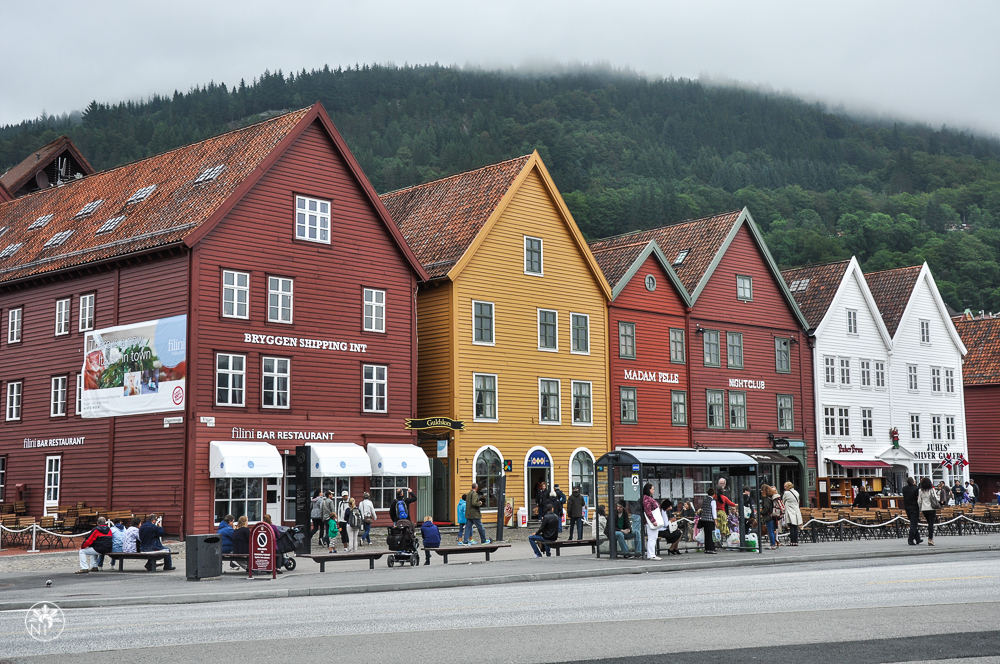
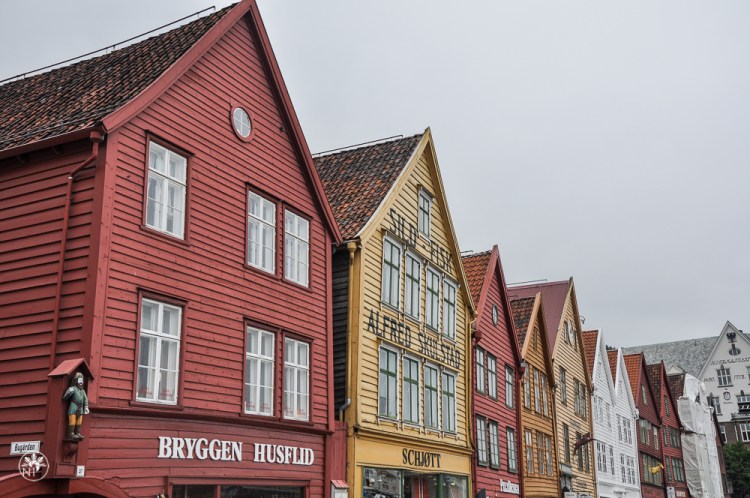
Bryggen is a historic harbor district in Bergen, one of North Europe’s oldest port cities on the west coast of Norway. The buildings are made of wood in keeping with vernacular building traditions. The original compact medieval urban structure is persevered with its long narrow rows of buildings facing the harbor, separated by narrow wooden passages.
Food and Culture walk
Today some 62 buildings remain of this former townscape and these contain sufficient elements to demonstrate how this colony of bachelor German merchants lived and worked, and illustrate the use of space in the district. It is characterized by the construction of buildings along the narrow passages running parallel to the docks. The world heritage site consist of the old Hanseatic wharf and buildings, and one of the best known urban areas from the middle ages in all of Norway.
Walking Tour in Bergen of the Past and Present
Hidden behind the iconic Bryggen front lies a hidden world of passages, small shops, galleries and artists studios ready to explore. Just a stones throw away is the is the Bergen fish market which has been a meeting place for merchants and fishermen since the 1200’s. Today you can find fresh fish, seafood, local farm food and several restaurants serving a variety of Nordic delicacies.
Guided Tour To Nærøyfjorden, Flåm And Stegastein – Viewpoint Cruise


2. Giants Causeway – Northern Ireland
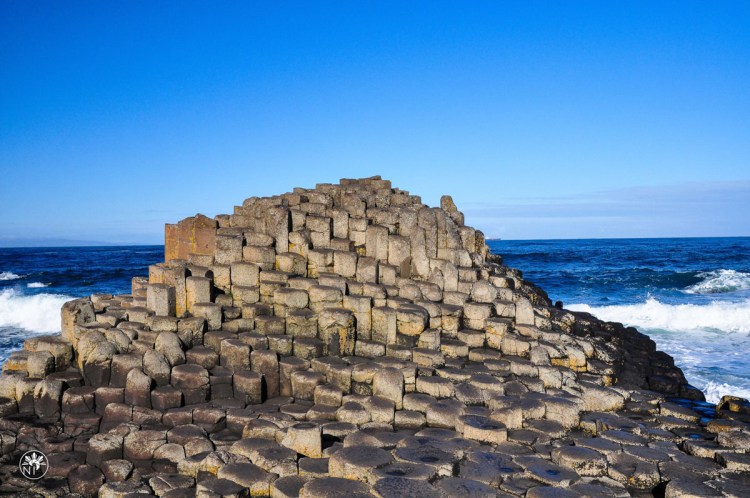
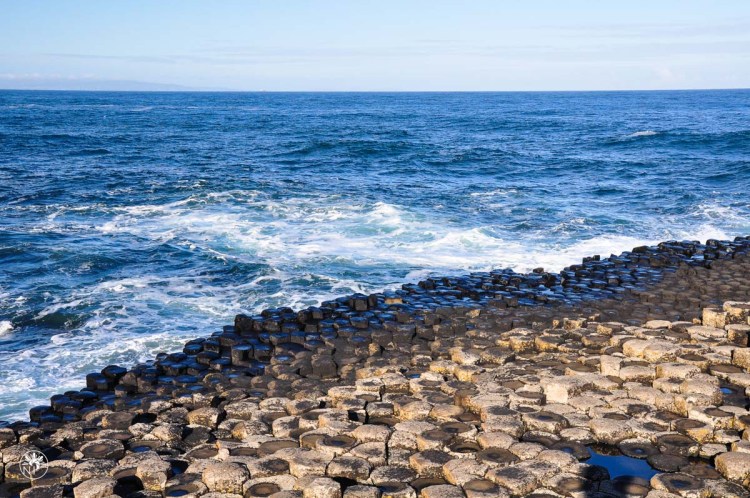
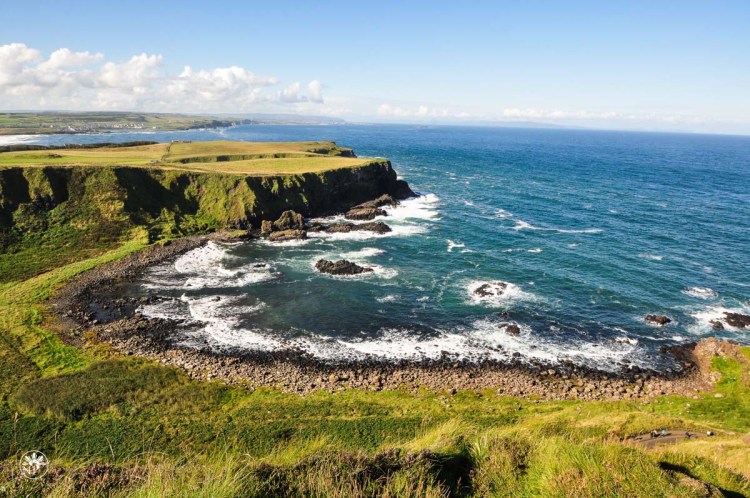
The giants causeway and causeway coast is a spectacular area of global geological importance on the sea coast of the Antrim plateau in Northern Ireland. The most characteristic and unique feature of the site is the exposure of some 40,000 large, regularly shaped polygonal columns of basalt in perfect horizontal sections, forming a pavement. The cliff exposures of columnar and massive basalt at the edge of the antrim plateau present a spectacle of exceptional natural beauty. Explore six must see sites at the Giants Causeway.
Giant’s Causeway with the Titanic Exhibition and the best of Northern Ireland
Grand Causeway – the grand causeway is the largest of three rock outcrops which make up the giants causeway. These collections of curious columns contributed to the causeway being designated Northern Irelands only world heritage site by Unesco in 1986.
- Giants Boot – in Port Noffer you’ll find a small path leading towards the sea. This takes you to what is perhaps the bay’s most famous feature – the giant’s boot. Apparently lost by Finn as he fled from the wrath of Scottish giant, Benandonner, the boot is reputed to be a size 93.5.
- Wishing chair – if you thought the giants causeway couldnt get any more magical then take a seat in the famous wishing chair. An essential stop on any visit the wishing chair is a natural throne formed from a perfectly arranged set of coloumns.
- The camel – is a basaltic dyke, formed from cooling lava which has pushed its way through other layers of rock.
- Clifftop trails – experience a birds eye view of the giants causeway with clifftop trails. Dramatic coast views its a unique way to the see the world heritage site and explore the stunning north coast of Ireland. Choose from the red, blue, green and yellow trails designed to suit every ability.
- Visitor center – Officially opened in July 2012, the giants causeway was the result of an international architecture competition. The building won many prestigious awards for design innovation and sustainability. Having racked up your step count on the trails the café is the perfect place to enjoy a tasty treat and the shop is an ideal location to pick up something unique to take home.
Giant’s Causeway Tour Including Game of Thrones Locations
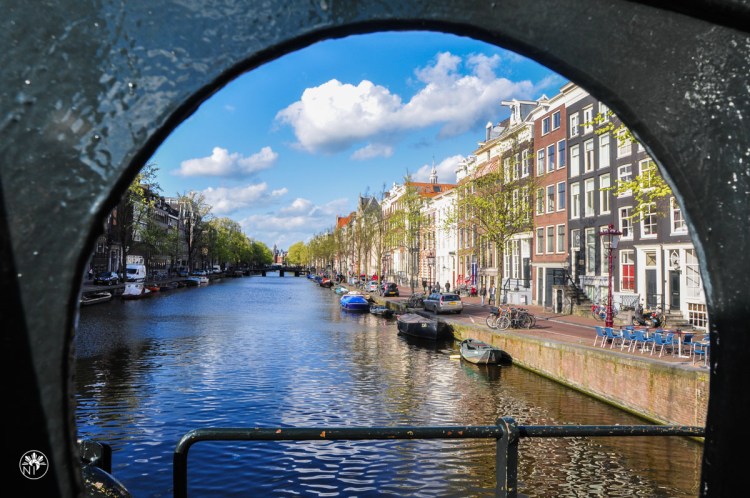
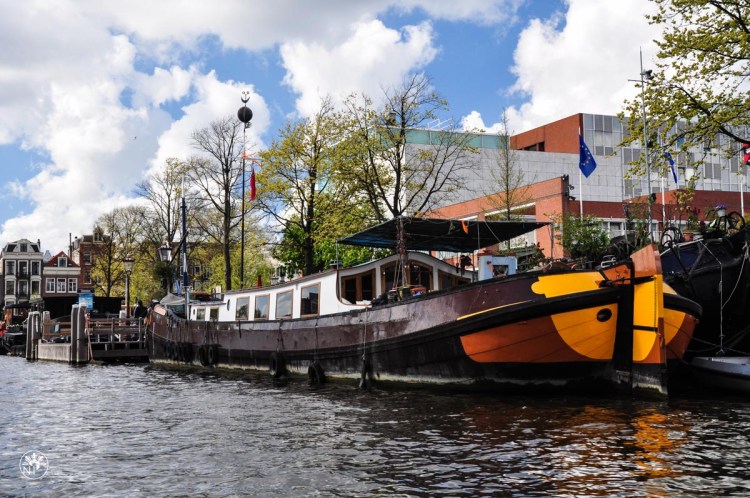
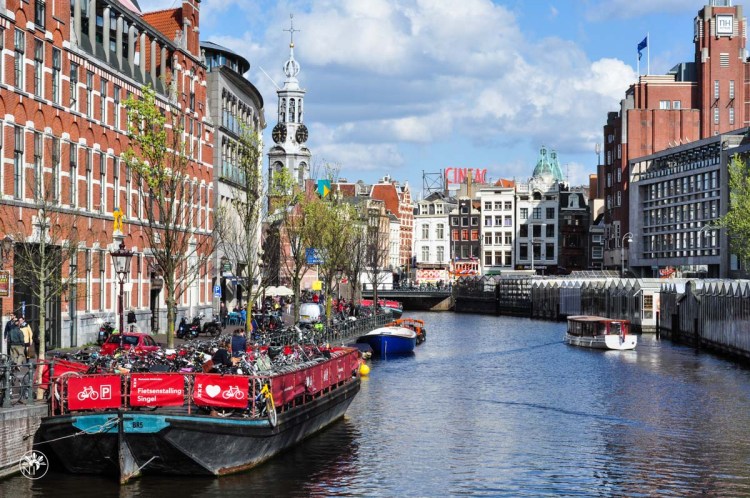
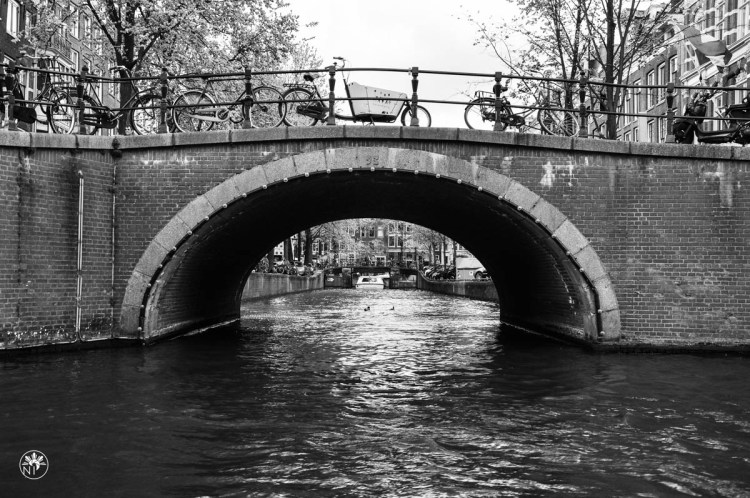
3. Canals of Amsterdam – Netherlands
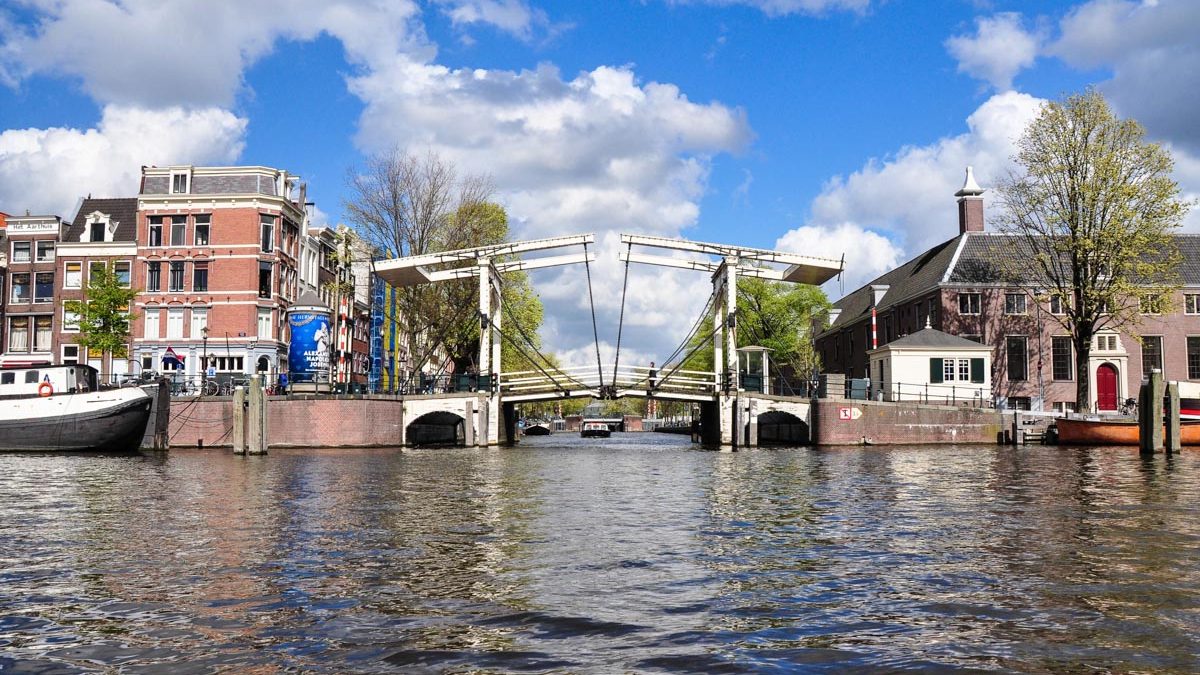
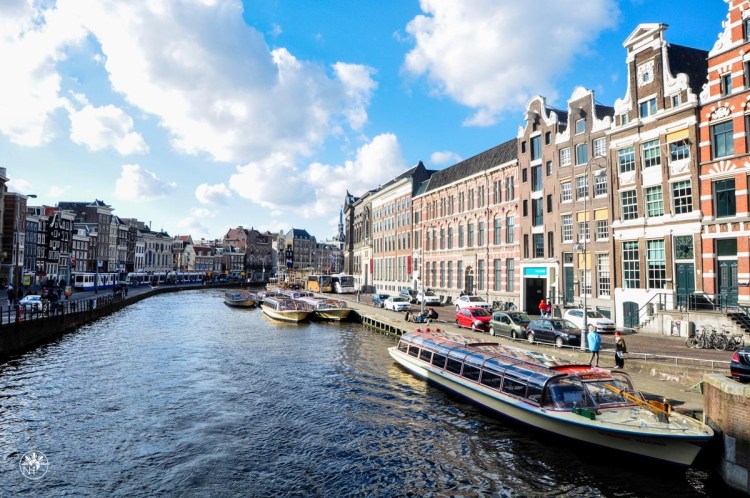
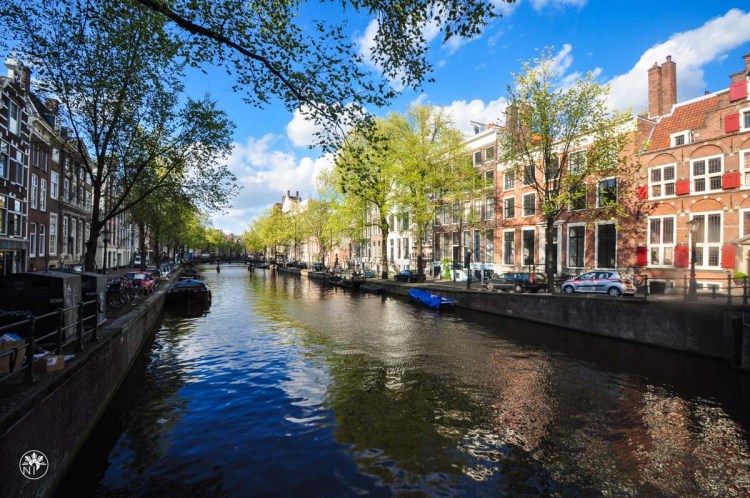
In recent years Amsterdam has developed a reputation for the ongoing happening after dusk, the seedy backstreet nightclubs, red light district and special coffee shops attract visitors from all over the world. The charming nightlife entertainment should not overshadow the engineering marvel that is synonymous with Amsterdam. The Amsterdam Canal District illustrates exemplary hydraulic and urban planning on a large scale through the entirely artificial creation of a large-scale port city. In the 17th and 18th centuries, Amsterdam was seen as the realization of the ideal city that was used as a reference urban model for numerous projects for new cities around the world.
Amsterdam Evening Canal Cruise with Live Guide and Onboard Bar
The network of canals in concentric arcs of a circle that forms the basis of the urban layout, along with the radial waterways and streets, survives in its entirety, with its old embankments and historic façade alignments. Discovering the canals and waterways that meander through the city is must on any visit to Amsterdam. Traditional boat cruises will pass by standout landmarks, though narrow tunnels, gates and openings as you take in the historic city views along the embankment. If you’ve already done the boat cruises, take a bicycle like the locals and navigate the streets that line the canals to discover sites that await round every corner.
Keukenhof’s Tulips and Windmills Small-Group Tour from Amsterdam
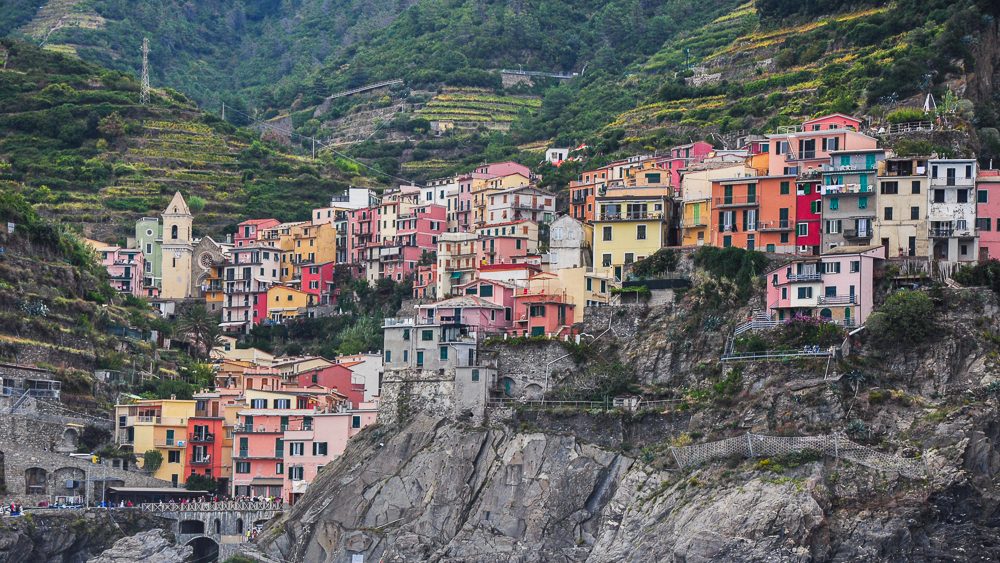
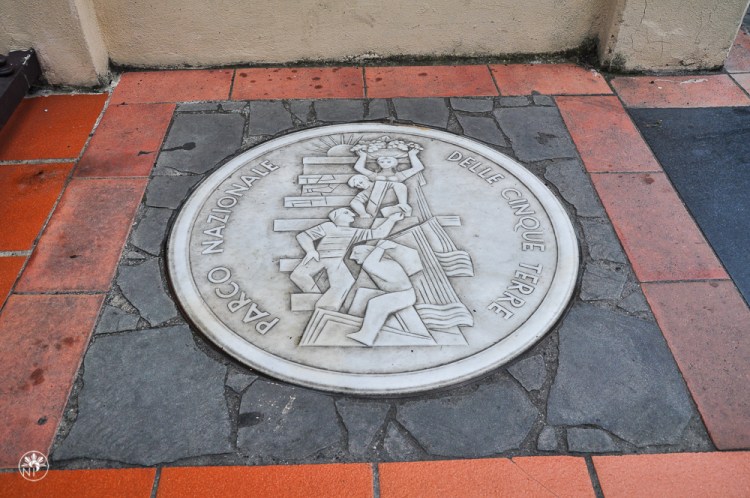
4. Cinque Terre – Italy
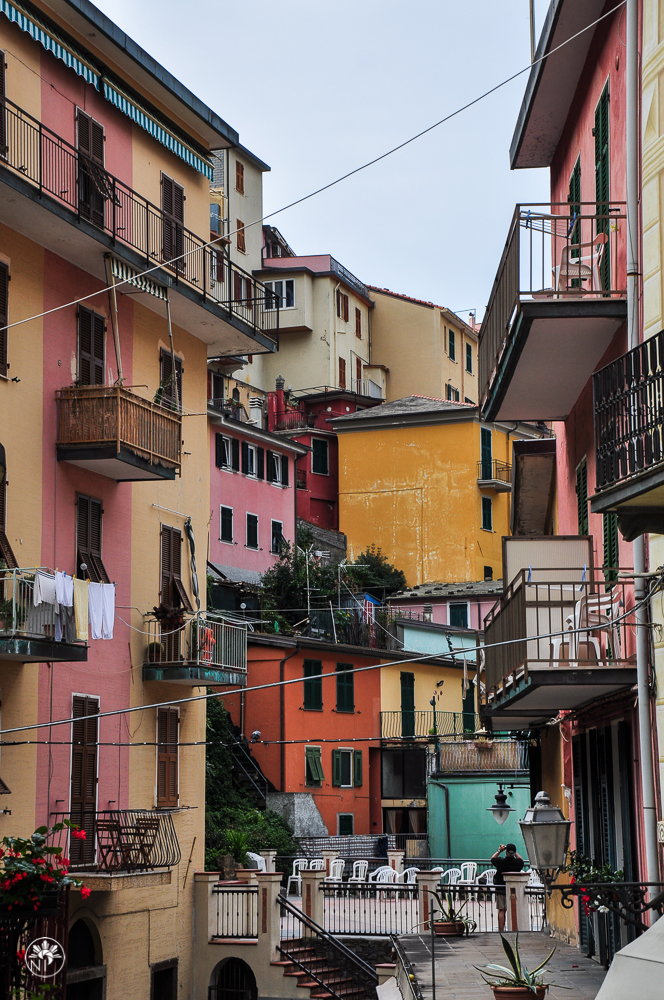
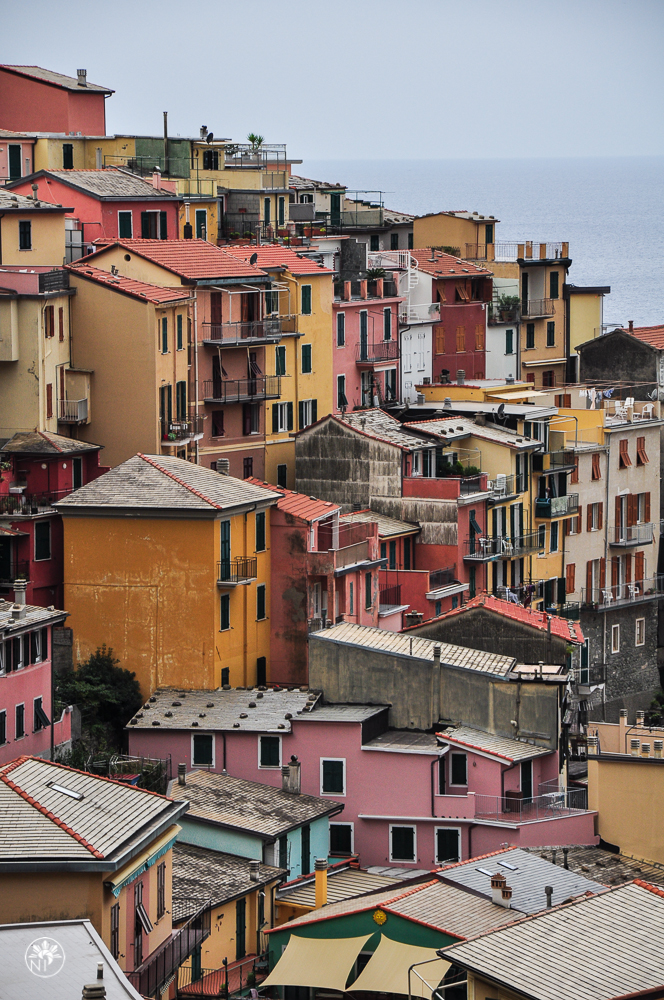
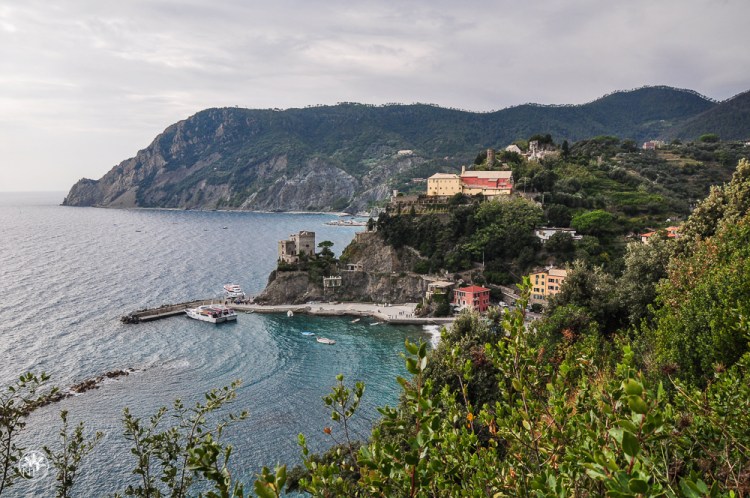
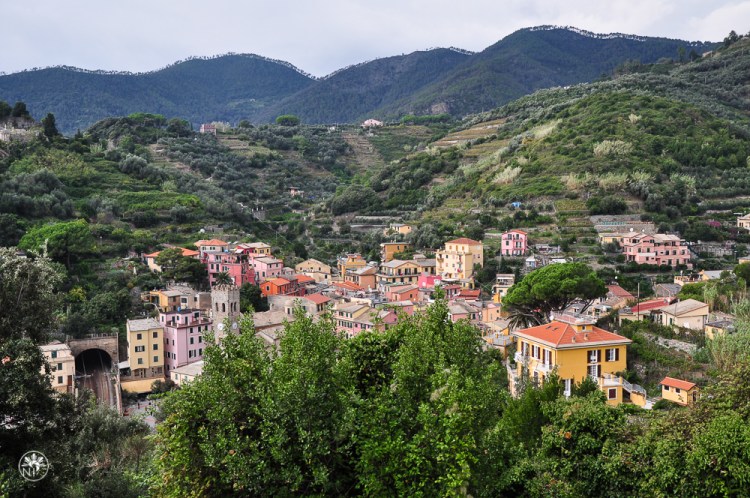
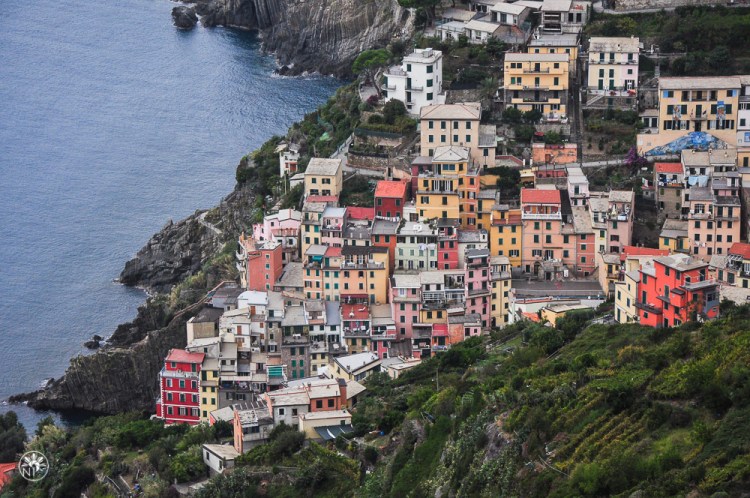
Cinque Terre is a string of five old fishing villages perched high on the Italian Riviera in the region Liguria, which until recently were linked only by mule tracks and accessible only by rail or water. Cinque Terre is noted for its beauty, over centuries people have carefully built terraces to cultivate grapes and olives on the rugged steep landscape right up to the cliffs that overlook the Mediterranean sea. The breathtaking views of harbors far below the wild but hospitable coastline along with the medieval fortresses and plentiful vines and vibrant colors make this a memorable holiday. Sinuous path traverse seemingly impregnable cliff sides, and a 19th century railway line that’s cut through a series of coastal tunnels moves people from village to village. The five villages are no longer the isolated hamlets they one were but there’s still a feeling of authenticity here with few roads perfectly preserved architecture and a network of stunning coastal and mountain trails.
Riomaggiore is the largest of the five and acts as its unofficial headquarters. Its peeling pastel buildings march down a steep ravine to a tiny harbor – the regions favorite postcard view – and glow romantically at sunset, which is best appreciated from the sea.
Manarola – bequeathed with more grapevines than any other Cinque Terre village, Manarola is famous for it its sweet Sciacchetra wine. Its also awash with priceless medieval relics, supporting claims that its the oldest village of the five. The bustling main street and waterfront promenade are still lined with fishing boats and other such reminders of everyday village life. Punta Bonfiglio is a short uphill hike for fabulous scenic views.
7-Hour Guided Tour of Cinque Terre with aperitif
Corniglia is the quiet middle village that sits atop a 330ft high rocky promontory surrounded by vineyards. It is the only Cinque Terre settlement with no direct sea access, although steep steps lead down to a rocky cove. Narrow alleys and colorfully painted four story houses characterize the ancient core, a timeless streetscape that was namechecked in Boccaccios Decameron. Its tranquil tangled streets lead to a broad and breezy sea-facing terrace, the only vantage point from where you can see and photograph all five villages at once.
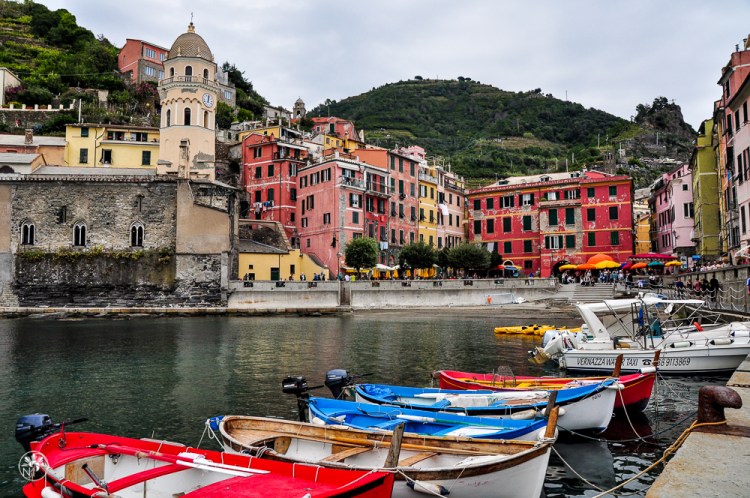
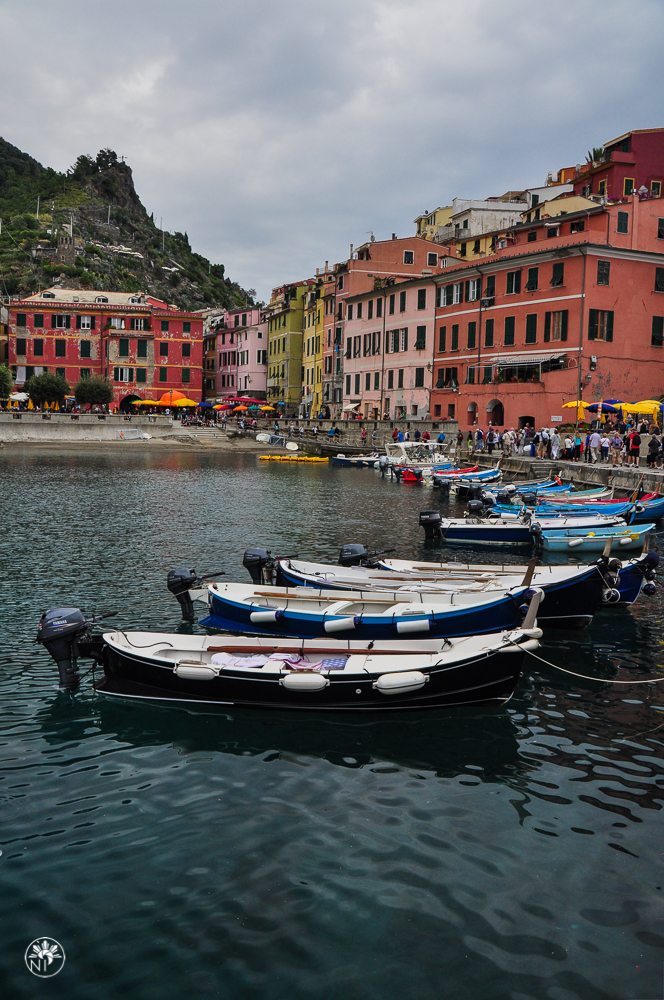
Vernazza’s small harbor – the only secure landing point on teh Cinque Terre coast guards what is perhaps the quaintest and steepest of the five villages. Lined with little cafes, a main cobbled street links seaside Piazza Marconi with the train station. Side streets lead to the villages trademark Genoa-style caruggi, where sea views pop at every turn.
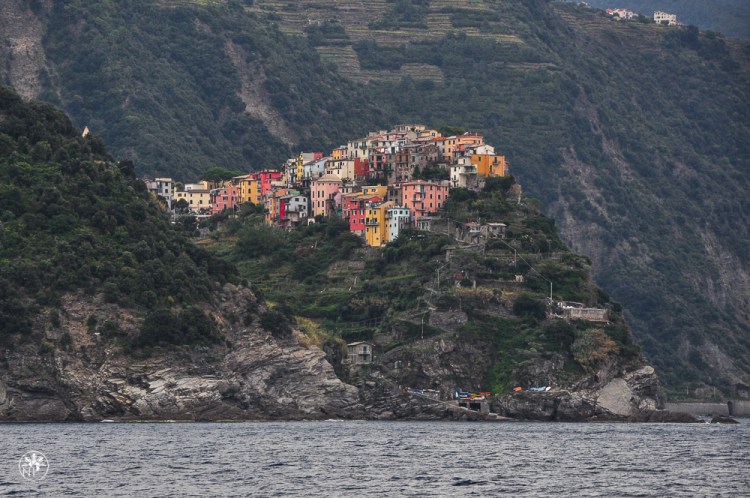
Monterosso – the only cinque terre settlement to sport a proper stretch of beach, the westernmost village of Monterosso is the least quintessential of the quintet. The village known for its leon trees and anchovies, is delightful. Split in two, its new and old halves are linked by an underground tunnel burrowed beneath the blustery San Cristoforo promontory.
Cinque Terre Day Trip from Florence with Optional Hiking


5. Acropolis – Greece
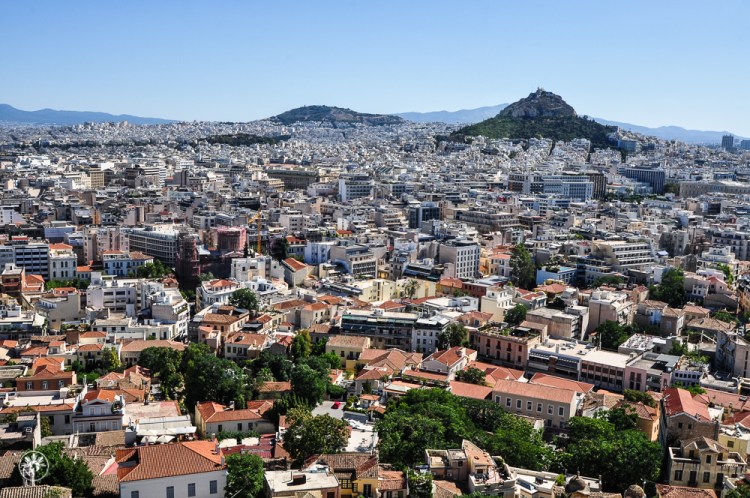
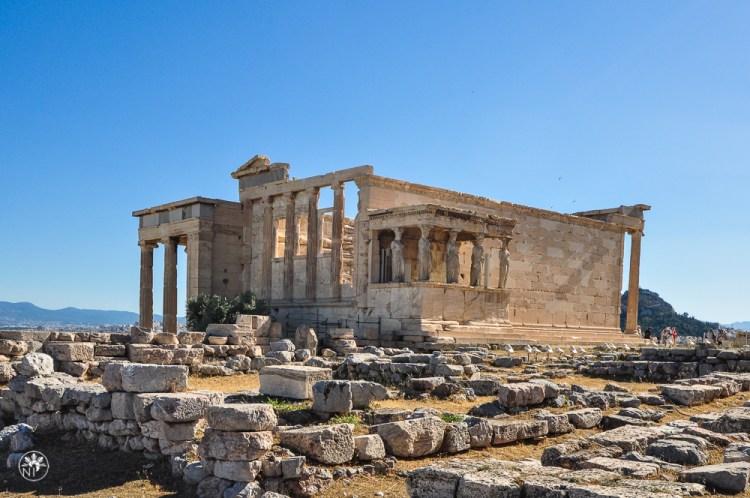
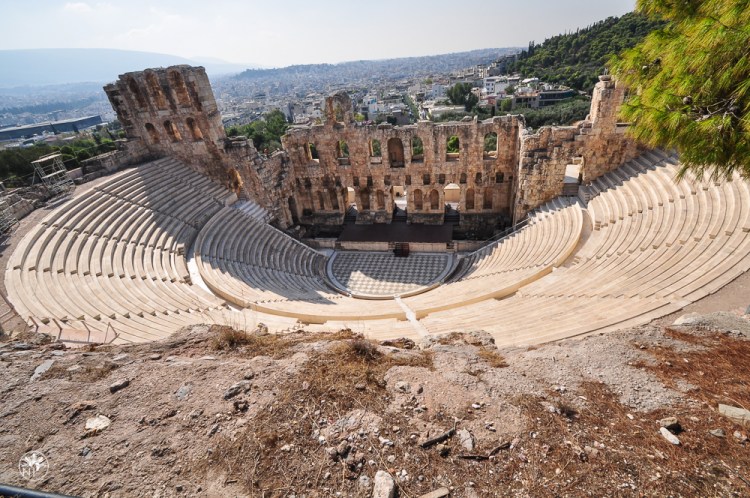
The Greek capital is usually the gateway to Mediterranean cruises and island exploration. Despite its touristic nature the ruins of the acropolis is a fascinating piece of history to discover. The mythical Acropolis The Acropolis of Athens and its monuments are universal symbols of the classical spirit and civilization and form the greatest architectural and artistic complex bequeathed by Greek Antiquity to the world. In the second half of the fifth century bc, Athens, following the victory against the Persians and the establishment of democracy, took a leading position amongst the other city-states of the ancient world. In the age that followed, as thought and art flourished, an exceptional group of artists put into effect the ambitious plans of Athenian statesman Pericles and, under the inspired guidance of the sculptor Pheidias, transformed the rocky hill into a unique monument of thought and the arts. The most important monuments were built during that time: the Parthenon, built by Ictinus, the Erechtheon, the Propylaea, the monumental entrance to the Acropolis, designed by Mnesicles and the small temple Athena Nike. Today the ruins stands as a reminder of the past, the acropolis provides a great vantage point and panoramic view surveying modern day Athens.
6. The Historic Old Town – Tallinn, Estonia
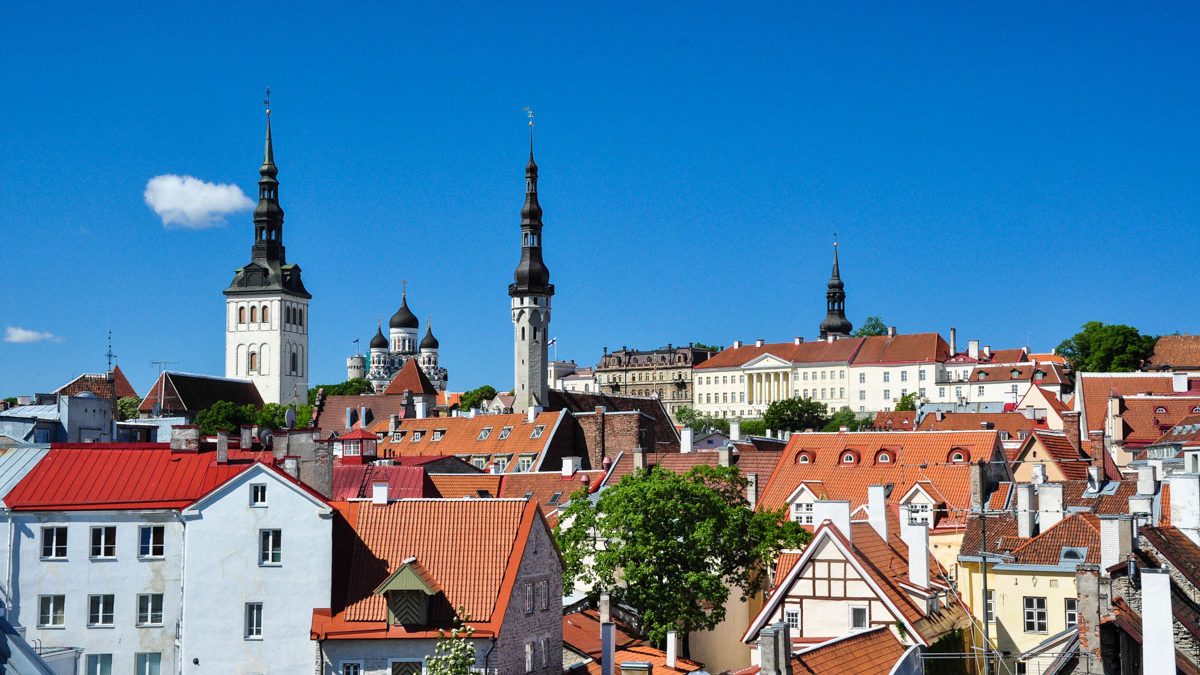
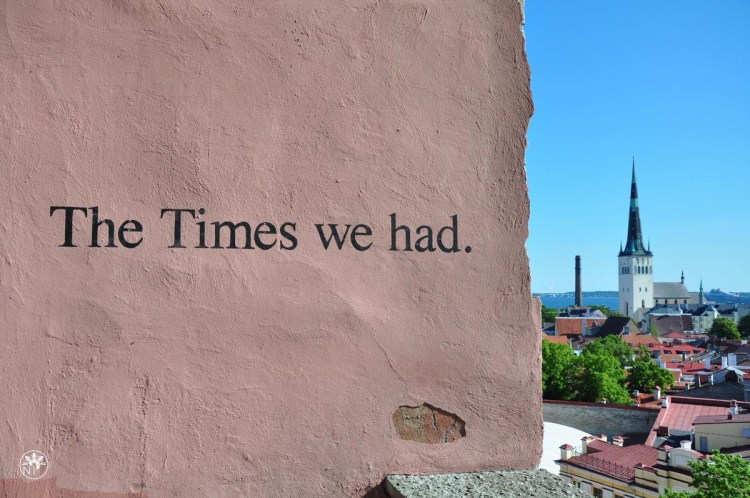
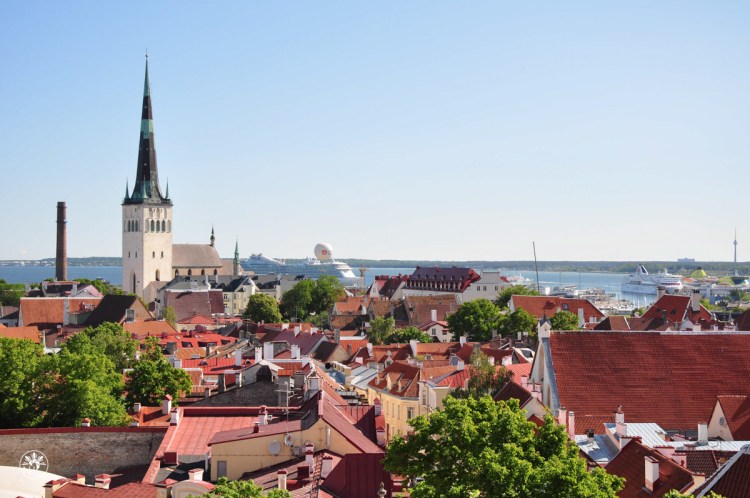
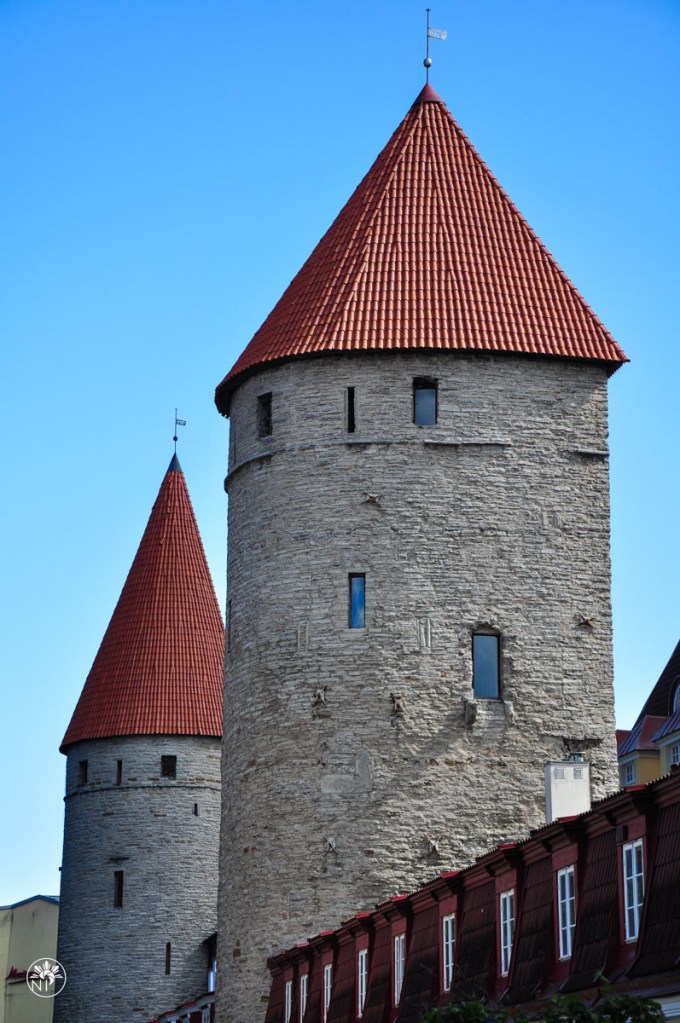
Estonia’s capital is a blend of old and new, Tallinn Old Town is one of the best preserved Hanseatic town centers in the world. A stone’s throw away you’ll find the city’s business center with modern towers and luxurious hotels, trendy neighborhoods and large shopping centers. Divided between a fortified upper portion and lively lower section, Tallinn Old Town, now a World Heritage Site, represents the historic heart of Estonia. Walking from the port it takes around 15 mins to arrive at the Viru Gates. Navigating onwards through the cobblestone streets into the old town square onwards to the upper town you’ll be rewarded with sweeping views of the city and the Gulf of Finland, accented by a multitude of church spires and towers.
Tallinn 3-Hour Estonian Food Tour
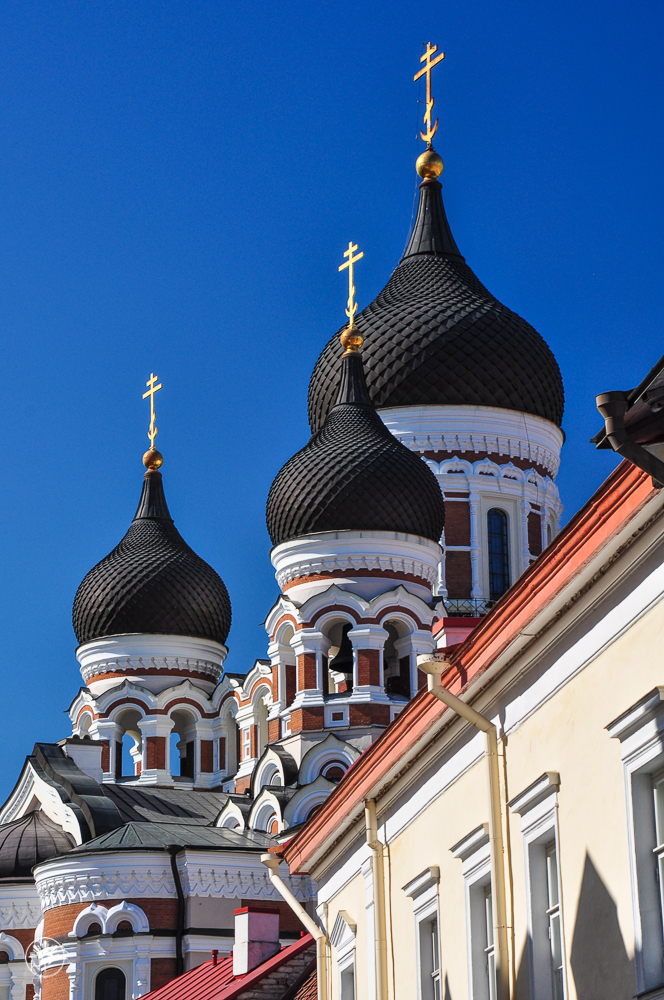
For the clearest panoramas, head to the viewing platforms around the edges of the walls. As you descend through the narrow streets be sure to visit the historic Alexander Nevsky Cathedral that serves as the dominating landmark in Palace Square. Witness the cathedral’s cupolas and golden crosses rising high above the rooftops. A short walk from the old town is Kalamaja, often considered a hipster area of Tallinn, this once closed off Soviet border zone is conveniently located between the scenic Tallinn coast and Old Town and features some real architectural gems.
7. Ephesus – Turkey
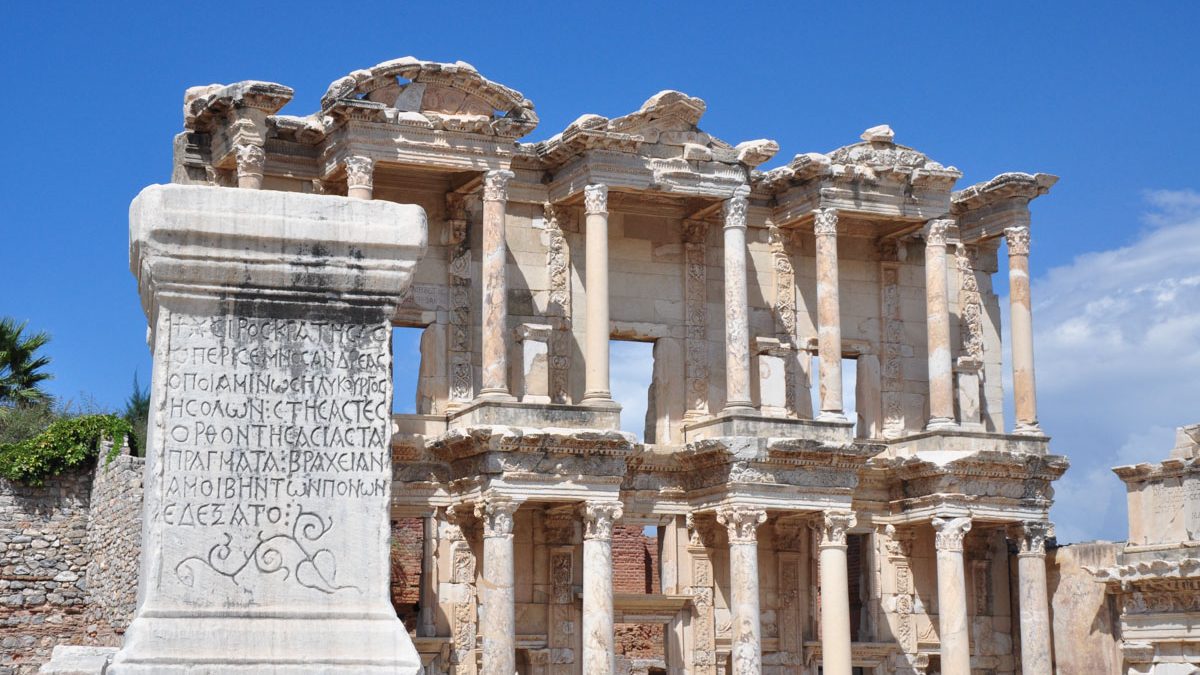
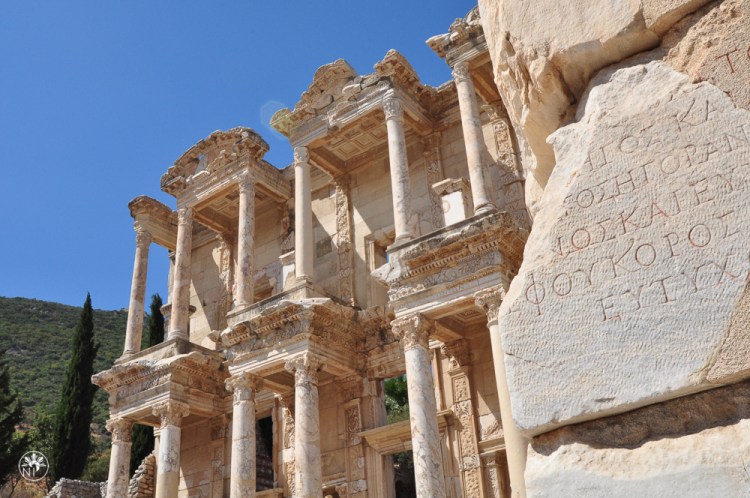
Turkey has many prominent sites of historic significance, natural marvel and cultural wonder. One of the standout sites of archeological excavation is Ephesus. The city was once a Roman provincial capital and trading center. Ephesus is also home to several of Christendom’s holiest sites. St. Paul preached at the Great Theater and the ruins of Ephesus’ Basilica cover the tomb of Christ’s most beloved disciple, St. John the Apostle. The three-arched Magnesian Gates are the starting point to your slow, downhill walk into the ancient city of Ephesus, once the trade center of the ancient world and the site of a succession of great civilizations. Your knowledgeable guide will take you back in time and highlight such structures as the beautifully preserved Temple of Hadrian, the magnificent Trajan Fountain, the Odeon Theater, once used for both political and entertainment purposes, and the beautiful Celsus Library with its imposing façade and two-story Corinthian-style columns. See the dramatic Great Theater, once the home of gladiator games, which seats twenty-five thousand. Strolling through the streets, it is easy to see that Ephesus is one of the best-preserved classical cities in the world and why it is considered one of the great outdoor museums of Turkey. As with many of these arkeological sites wear sturdy walking boots as the stone is smooth, slippery and in some parts unstable as your guide will make you aware.


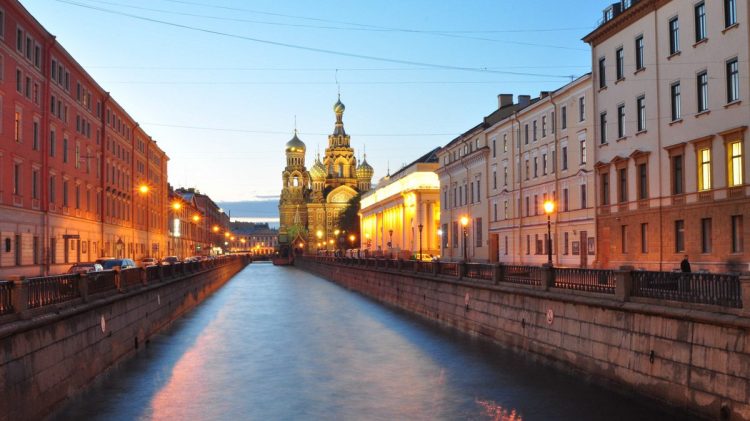
8. Historic Centre of Saint Petersburg – Russia
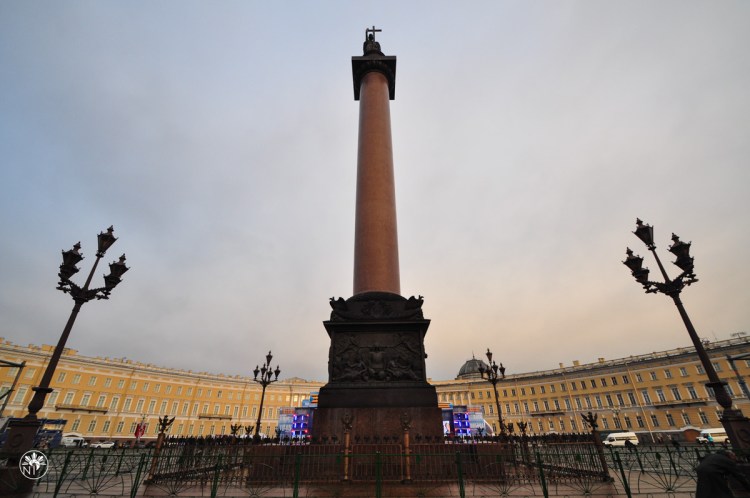
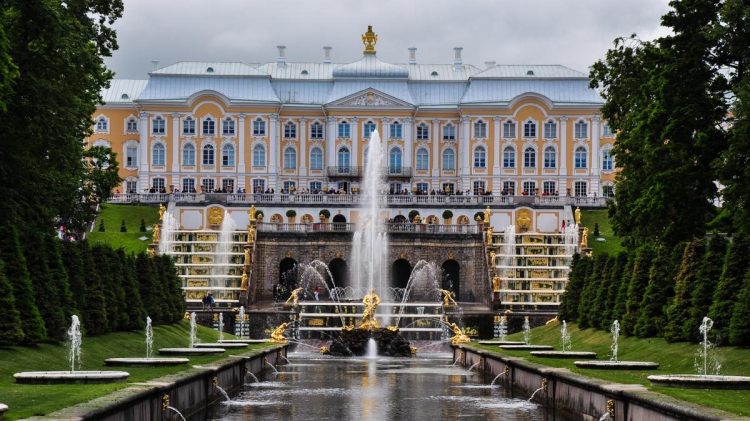
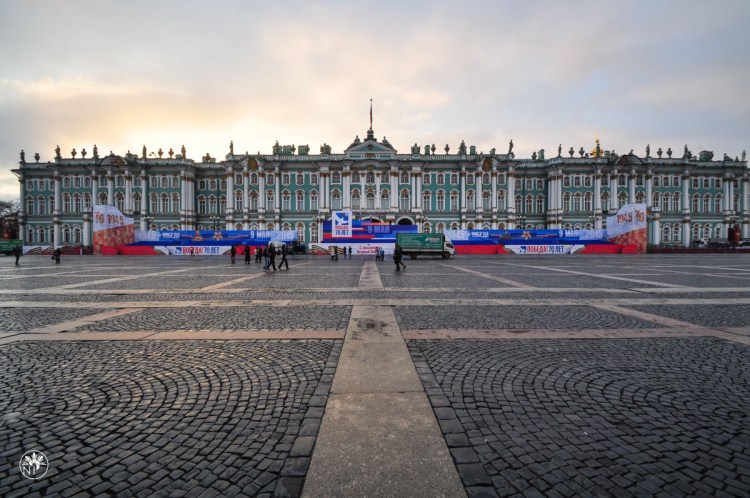
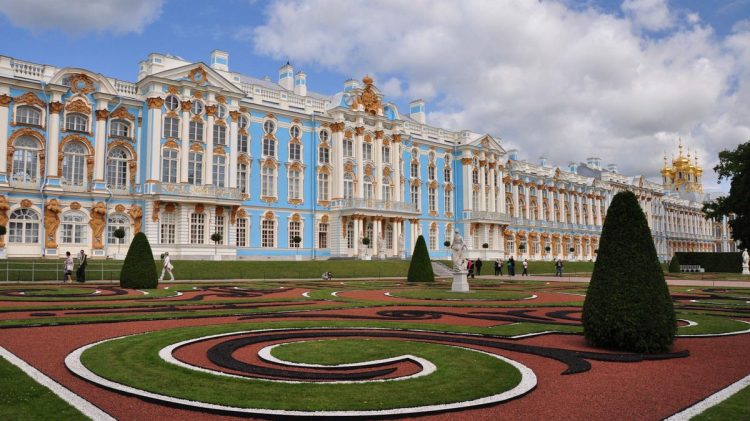
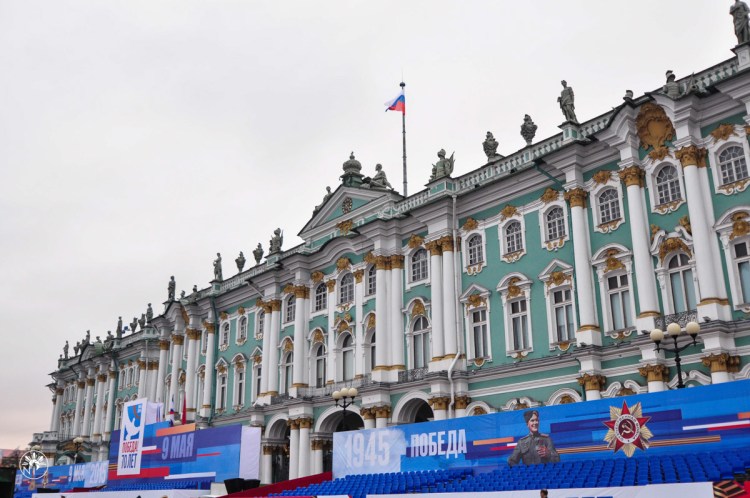
The ‘Venice of the North’, with its numerous canals and more than 400 bridges, is the result of a vast urban project begun in 1703 under Peter the Great. Its architectural heritage reconciles the very different Baroque and pure neoclassical styles, as can be seen in the Admiralty, the Winter Palace, the Marble Palace and the Hermitage. The greatness of Russia’s northern capital, with its horizontal silhouette coupled with vertical landmarks and its ensembles of embankments and squares, lies in the heart of the city’s “imperial” spirit. The main feature and attraction of Saint Petersburg’s historical centre is characterized by a perfect harmony of architecture and waterscapes.
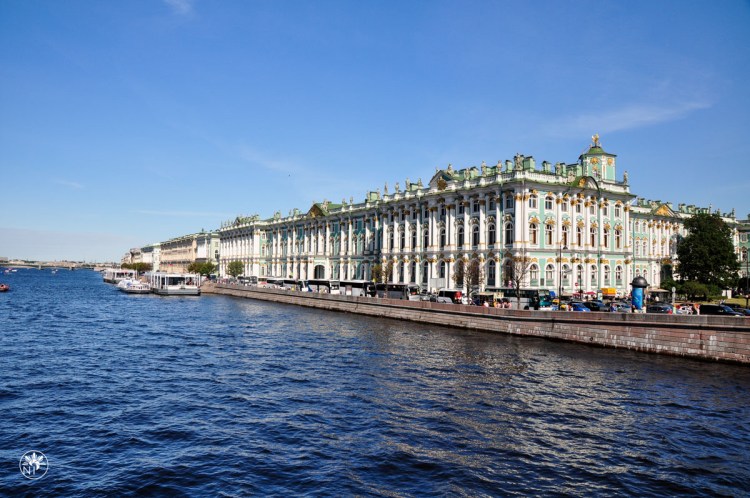
The full-flowing Neva bequeathed the city an exceptional spatial scale and wealth of spectacle. The Neva water spaces were natural extensions of the system of city squares. The regularly-spaced network of streets superimposed on this natural background endowed the city with an artistic contrast and perceptual richness. With its “view of stern and grace”, Saint Petersburg required a unified construction as an ensemble with Teutonic unity, qualities which emerged simultaneously with its birth. The unique urban landscape of the port and capital city of Saint Petersburg, rising out of the Neva estuary where it meets the Gulf of Finland, was the greatest urban creation of the 18th century. Today the historic sites of St Petersberg have become a popular port for cruise ships to stop on their exploration of the baltic sea. The overnight stop gives guest to explore this historic city to the fullest including the sites around the centre and banks of the neva.

9. Verona – Italy
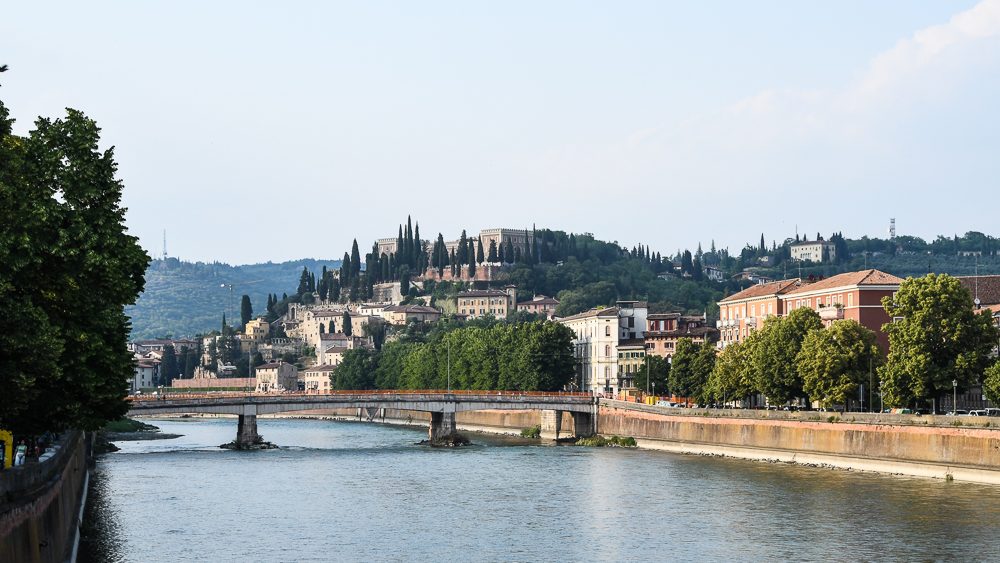
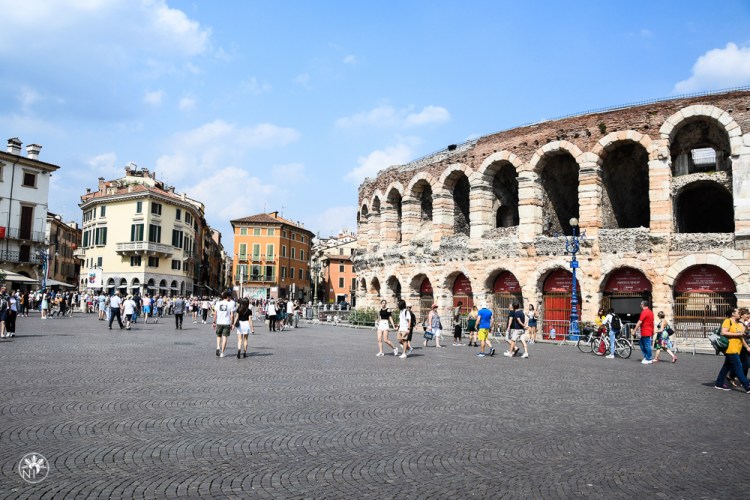
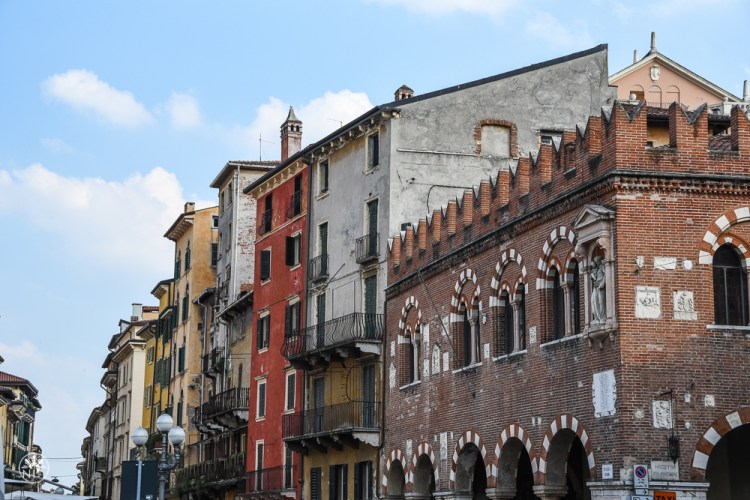
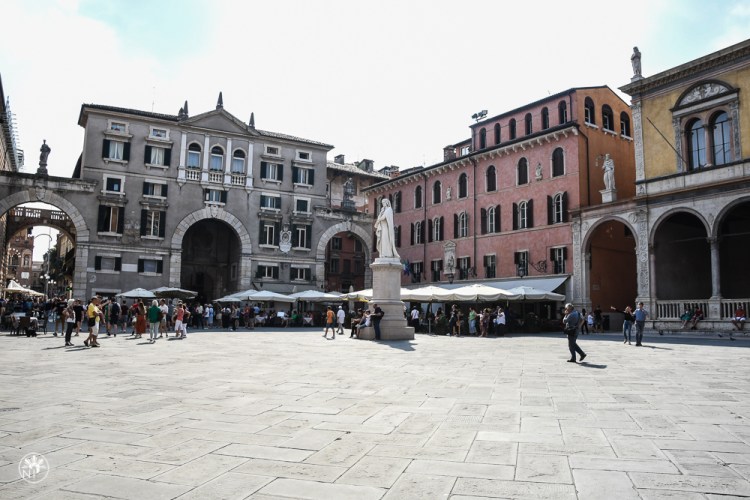
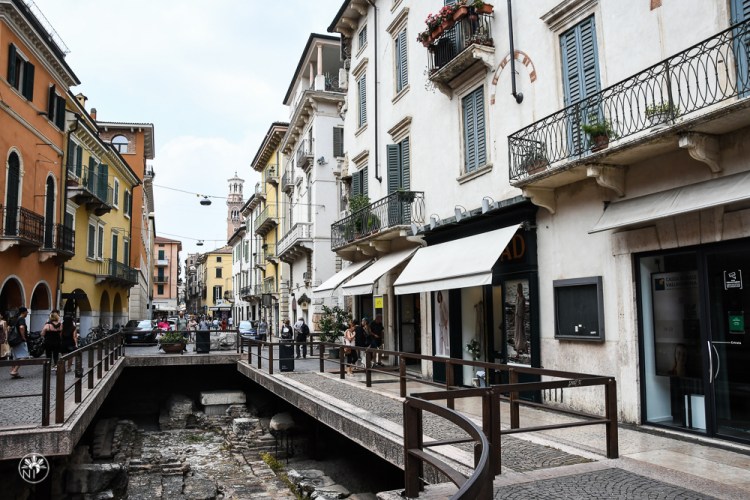
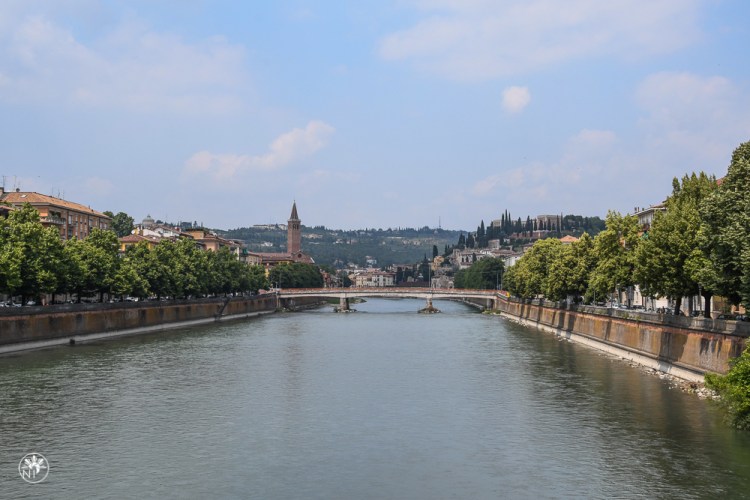
Overshadowed somewhat prematurely by more prominant historic cities such as Rome, Florence or Venice, Verona in its own right is an intriguing blend of nature and historical relevance. The city is situated in northern Italy at the foot of the Lessini Mountains on the River Adige. It dates from prehistoric times: a small built-up area that developed between the 4th and 3rd century BCE became a Roman municipium in the 1st century BCE after which it rose rapidly in importance. The core of the city consists of the Roman town nestled in the loop of the river containing one of the richest collections of Roman remains in northern Italy. Surviving remains of this era include the city gate, Porta Borsari, the remains of the Porta Leoni, the Arco dei Gavi, which was dismantled in the Napoleonic period and rebuilt next to Castelvecchio in the 1930s, the Ponte Pietra, the Roman theatre, and the Amphitheatre Arena.
Verona Food & Wine Walking Tour in Small-group
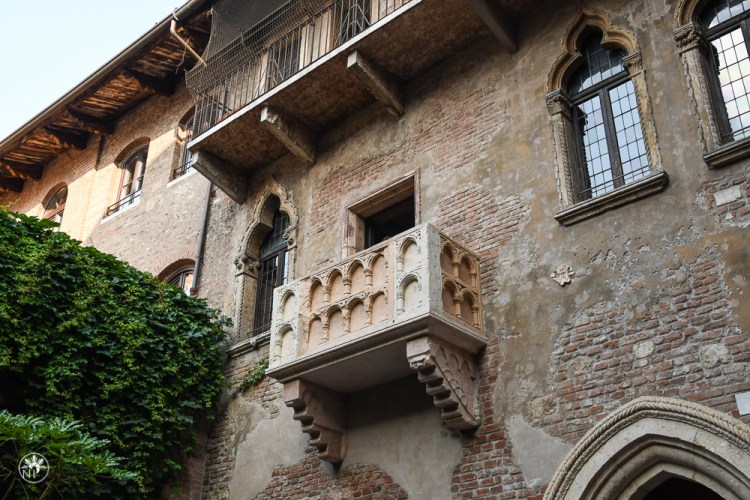
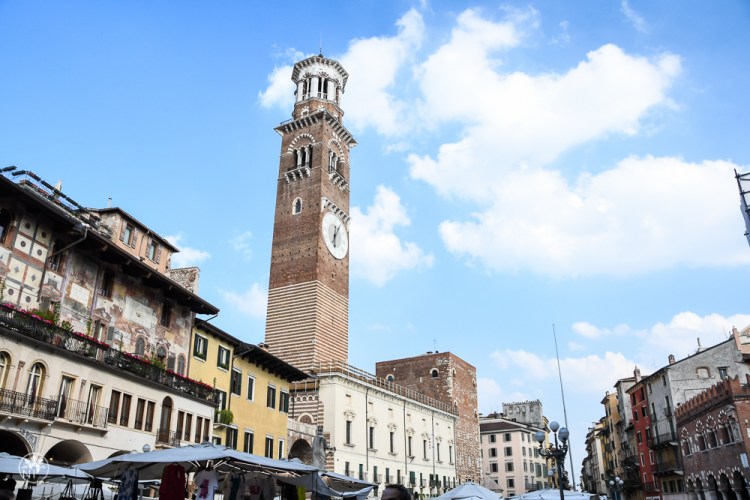
The Scaligers rebuilt the walls during the Middle Ages, embracing a much larger territory in the west and another vast area on the east bank of the river. This remained the size of the city until the 20th century. The heart of Verona is the ensemble consisting of the Piazza delle Erbe (with its picturesque fruit and vegetable market) and the Piazza dei Signori, with historic buildings that include the Palazzo del Comune, Palazzo del Governo, Loggia del Consiglio, Arche Scaligere, and Domus Nova. The Piazza Bra has a number of buildings dating back to different epochs. Verona’s surviving architecture and urban structure reflects the evolution of this fortified town over its 2,000 year history.
Verona Small Group Walking Tour with Cable Car and Arena Tickets
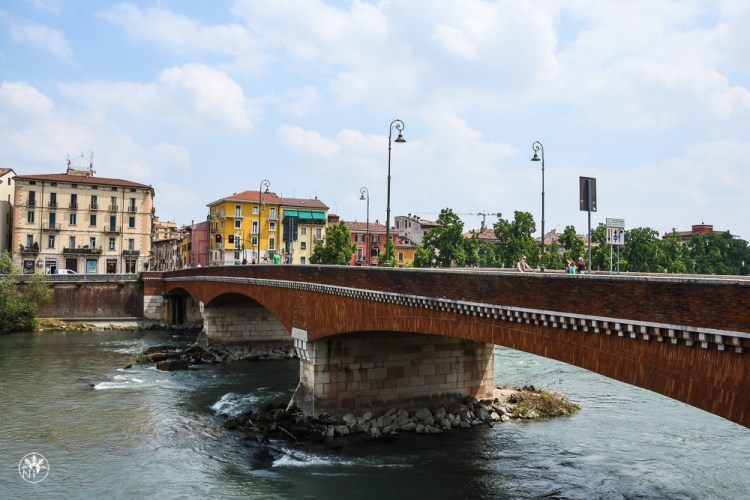
Navigating the bridges, streets, plaza and castles that make up the labyrinth that is Verona is truly spectacular. The vantage point from the castle or many bridges that cross Adige river provide idyllic photo opportunities to capture the magical moment. Outside of Rome Verona is is one of most well preserved historical centers and definitely worth the visit.


10. Dubrovnik – Croatia
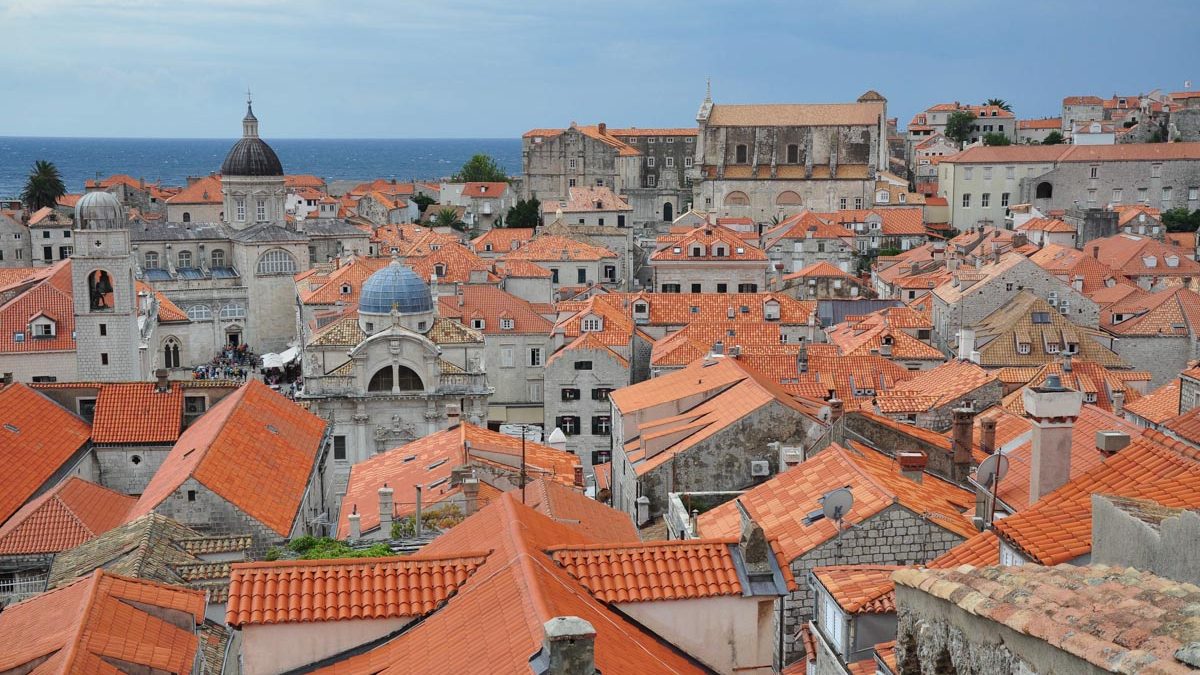
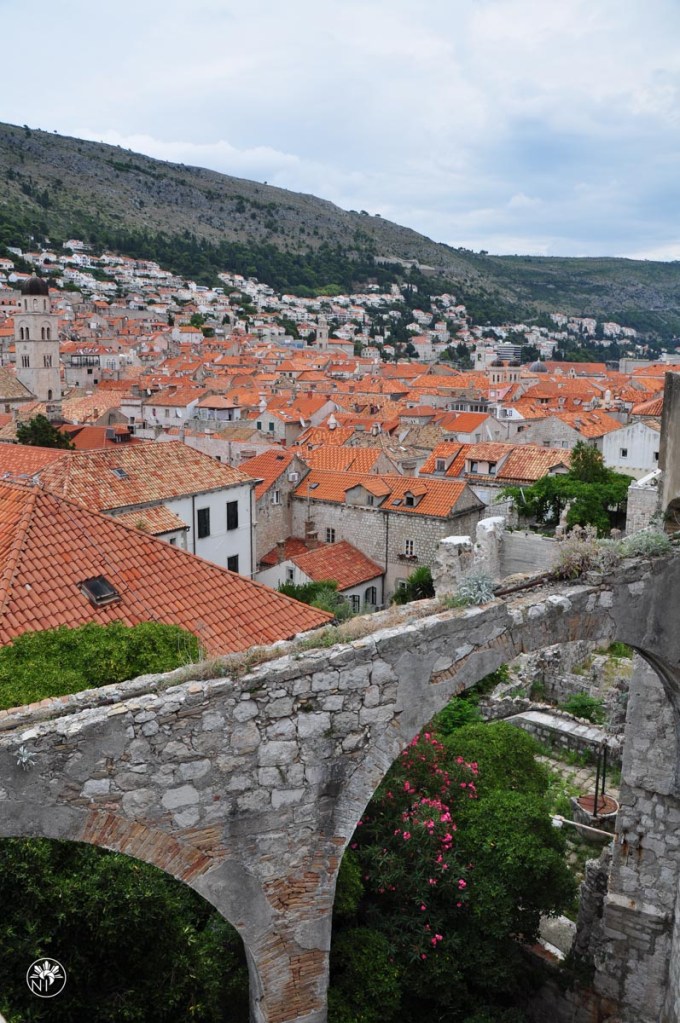
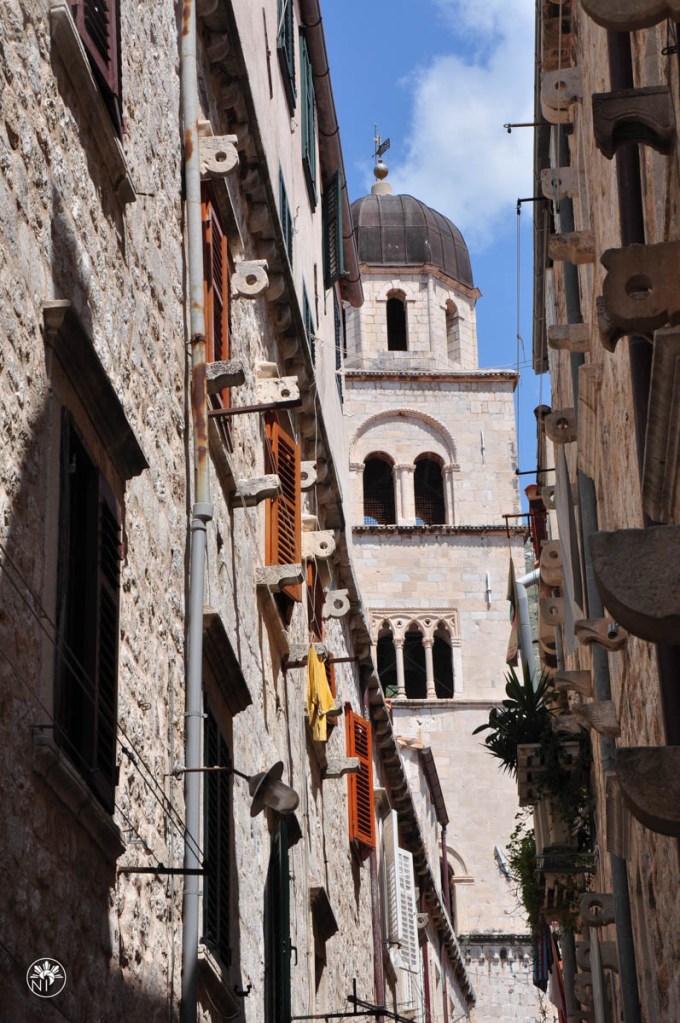
The ‘Pearl of the Adriatic’, situated on the Dalmatian coast, became an important Mediterranean sea power from the 13th century onwards. Although severely damaged by an earthquake in 1667, Dubrovnik managed to preserve its beautiful Gothic, Renaissance and Baroque churches, monasteries, palaces and fountains. No visit to Dubrovnik is complete without a walk around the spectacular city walls that encircle its historic core. They’re among the finest in the world and are the city’s defining feature. As you circulate the walls from the top, the view over the old town and the shimmering Adriatic is sublime. From the sea, the juxtaposition of pinkish-grey stone and azure waters is mesmerizing, while from above the tight maze of church steeples and terracotta roofs is the setting for a fairy tale. Points of interest to explore include the historic city gates including the Pile Gate to the west and the Ploče Gate to the east. Both have drawbridges that were raised at sunset when the doors were locked and the keys handed to the rector. A third entrance, the Buža Gate, was added to the northern wall at the top of Boškovićeva street in 1907.
Discover the Old Town Walking Tour
Dubrovnik 45 minute Panoramic Cruise
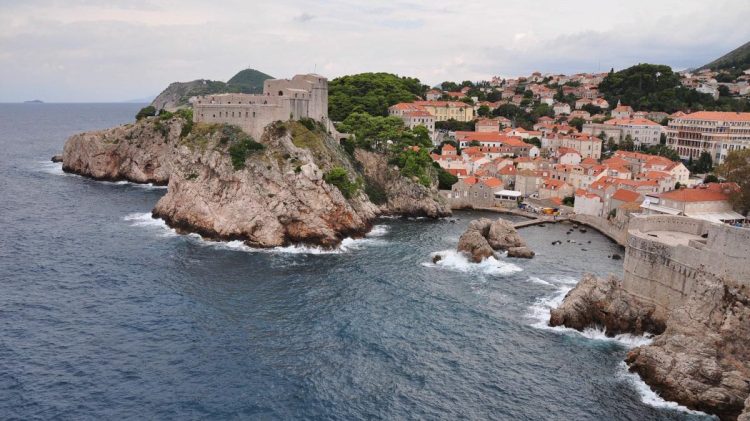
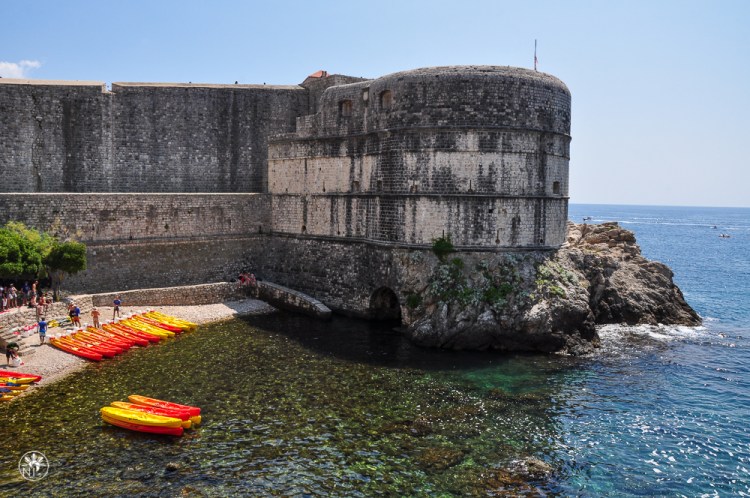
Notable landmarks that catch the eye are the forts perched emerging out of the coastline. Round Fort Minčeta protects the landward edge of the city from attack. Fort Bokar is the westernmost tower, built to protect Pile Gate. Fort Lawrence, a large, free-standing fortress, was built to guard the city’s western approach from invasion by land and sea, with walls from 13ft to 39ft (4m to 12m) thick. The views back over the old town from here are wonderful. Fort Revelin is the largest of the old-town forts. It sits separately from the city walls, overlooking the Old Harbor and the eastern entrance to the old town. The massive battlement of Fort St John dates to the 16th century, but you may be able to spot the outline of the original square tower (built in 1346) that predated it. You can pose on cannons along the upper terrace during a city walls walk, but you’ll need separate tickets to visit the attractions within.
‘Game of Thrones’ Walking Tour in Dubrovnik

Conclusion
Europe’s UNESCO sites are some of the most well preserved natural environments and symbols of human ingenuity deserving of this prestigious accolade. Wherever your travels take you in Europe be mindful of the UNESCO sites in that area, theirs nothing worse that coming home knowing you was close to something magical that was inadvertently overlooked. Every visit helps preserve, protect and conservate the sites for future generations while experiencing the splendored and wonder first hand. Returning to these sites alongside the next generation reiterates the importance of conservation, preservation and joy to be had in engaging positively within this environment.
To discover and inspire trips to other Unesco sites in Europe please visit the link :
- 5 Things to see and do in Dublin
 Dublin is a great place to visit whether its quickContinue reading “5 Things to see and do in Dublin”
 - 5 Things to see and do in Edinburgh
 Steeped in history, Edinburgh seamlessly blends old and new, providingContinue reading “5 Things to see and do in Edinburgh”
 - Best Places to Dine and Drink in Edinburgh
 Edinburgh is a city you can certainly work up anContinue reading “Best Places to Dine and Drink in Edinburgh”
 kaydencloud.com